Hobby Master Archive
Air Power Jets 1/72
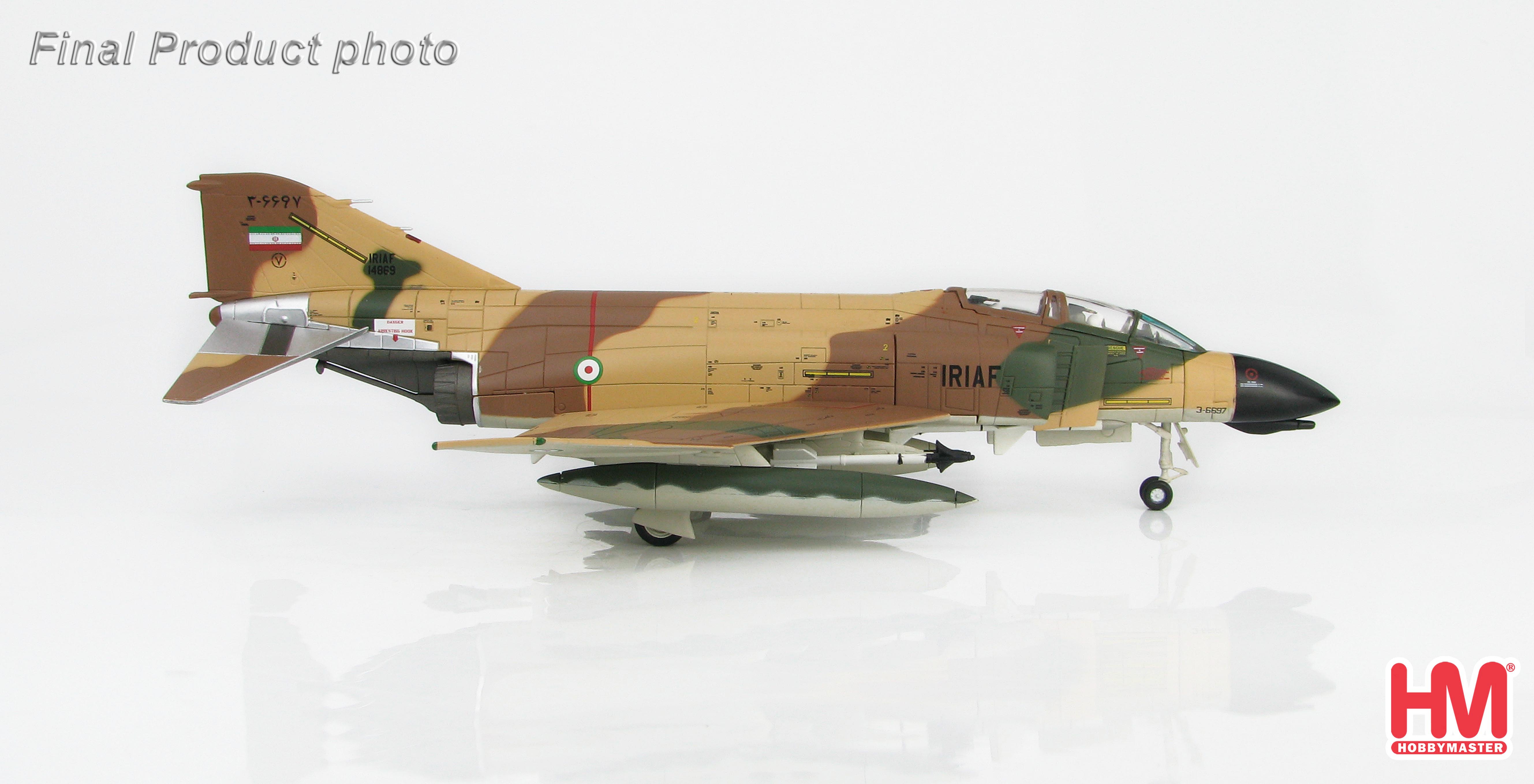
F-4
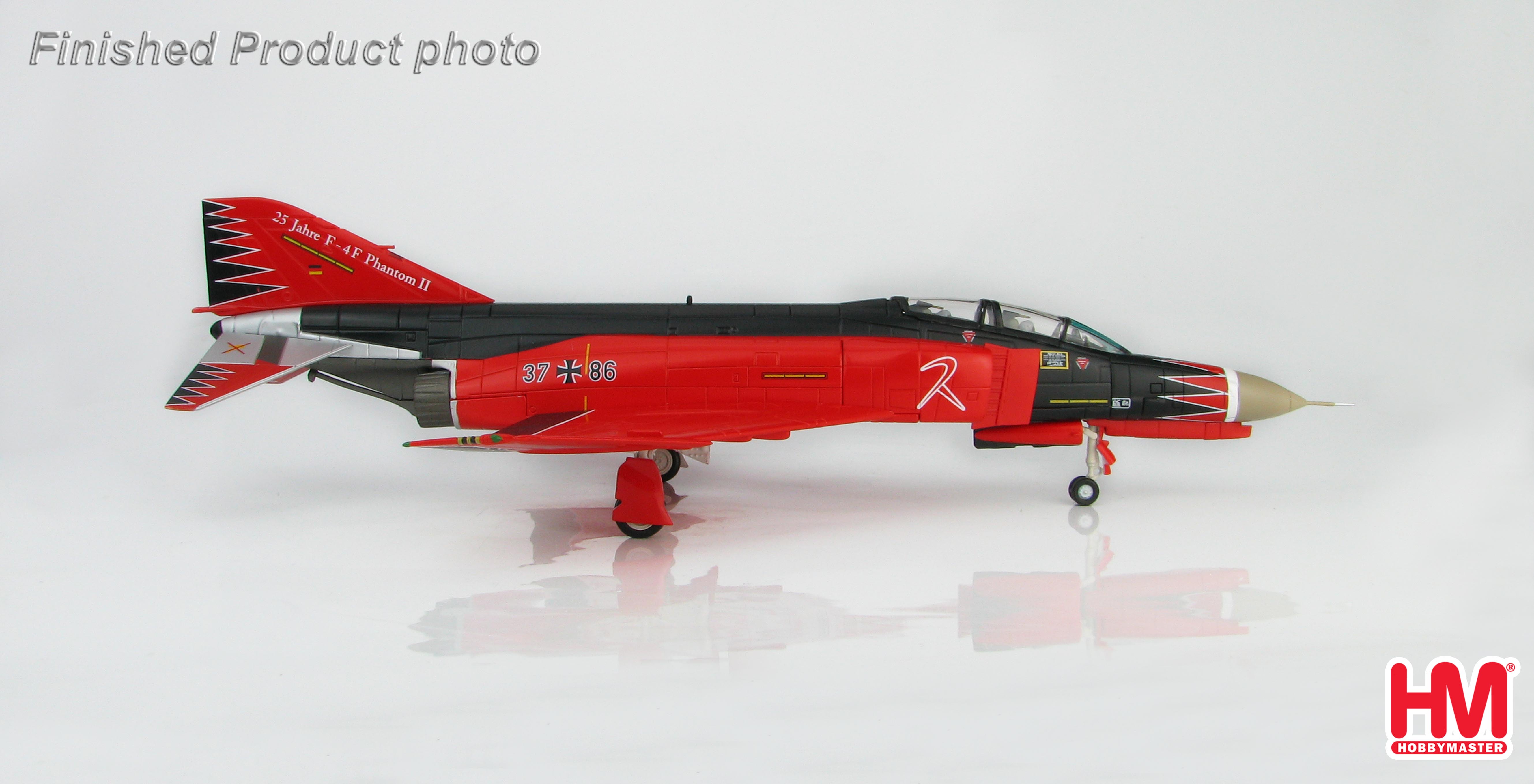
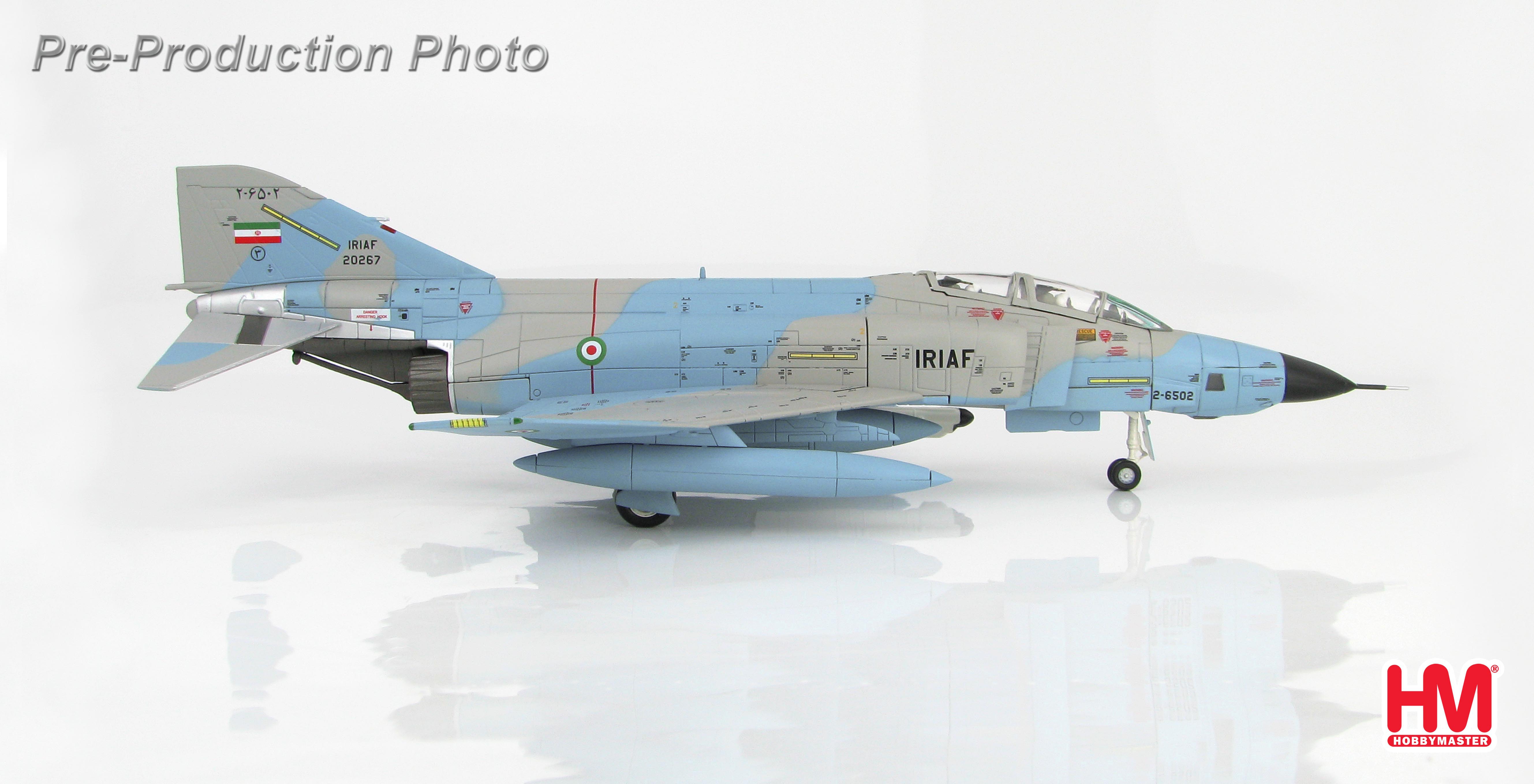
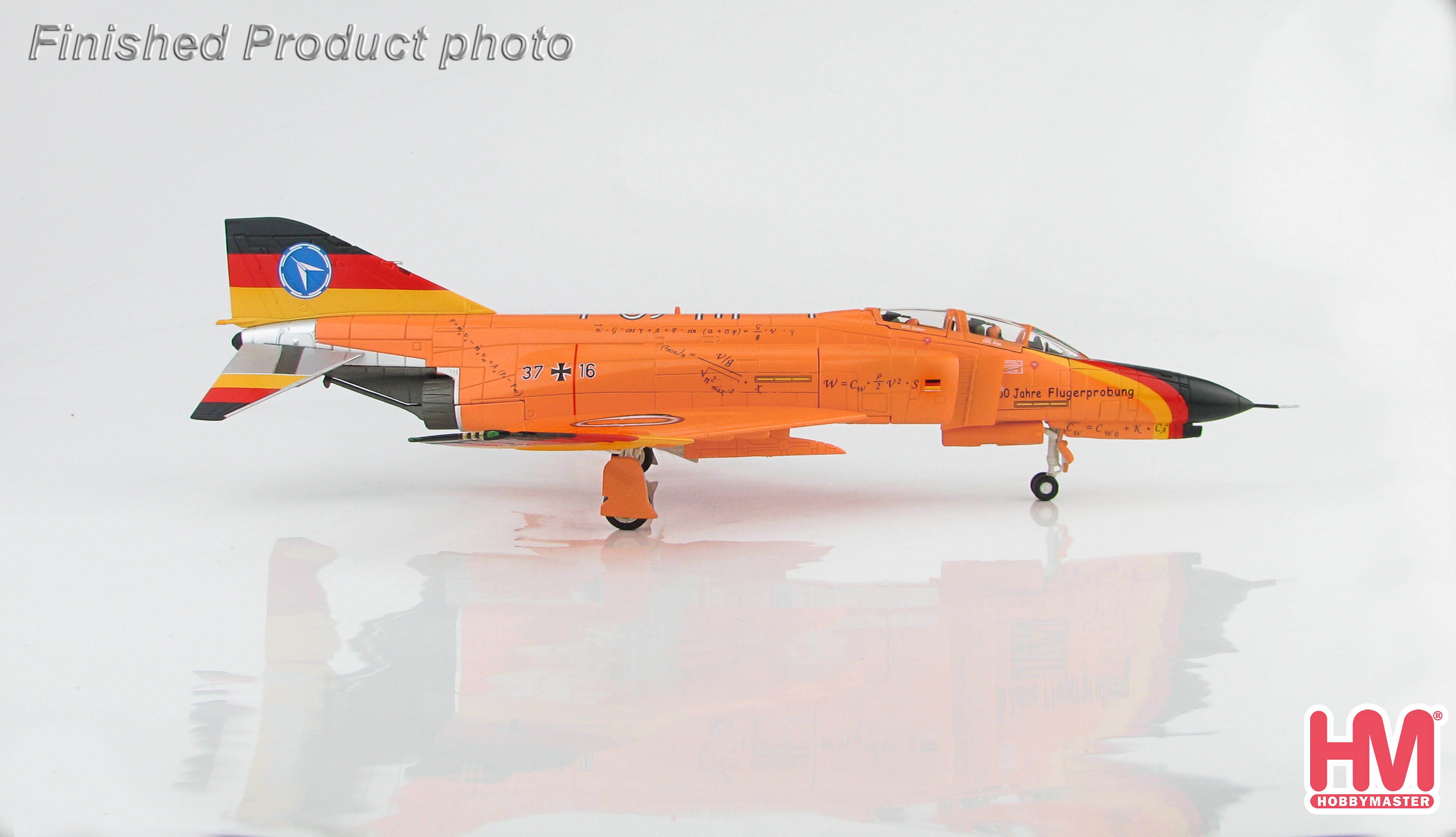
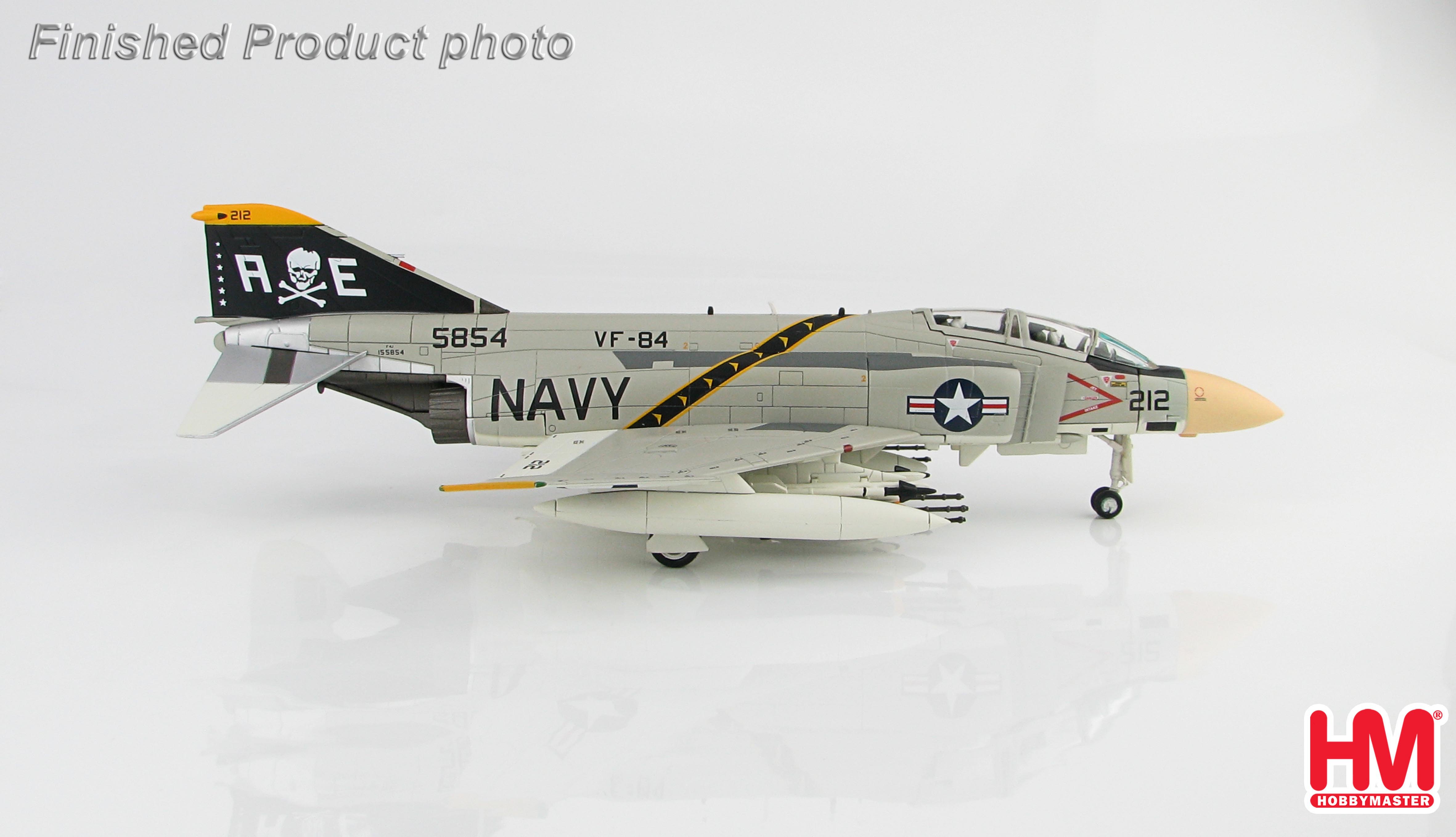
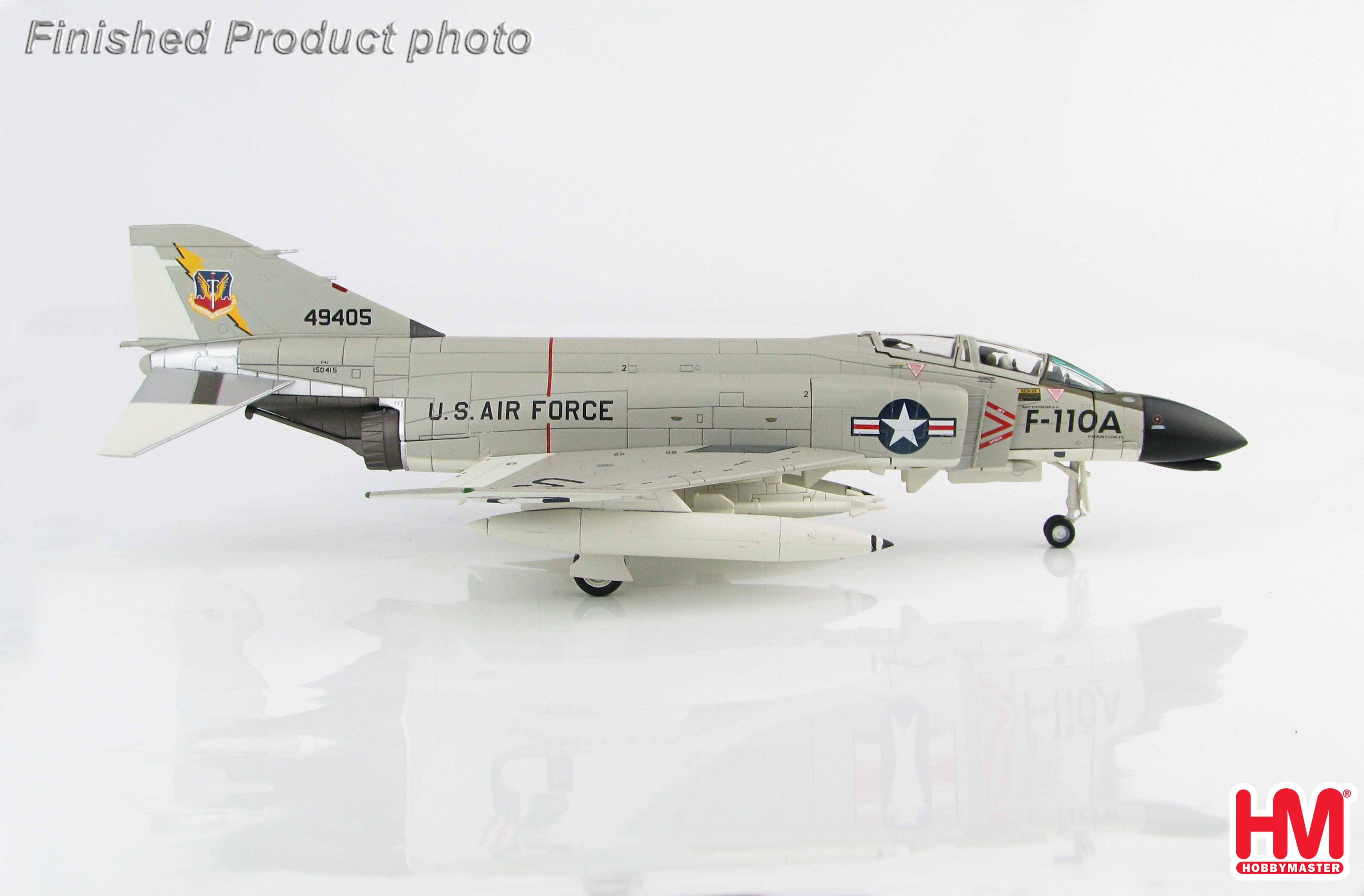
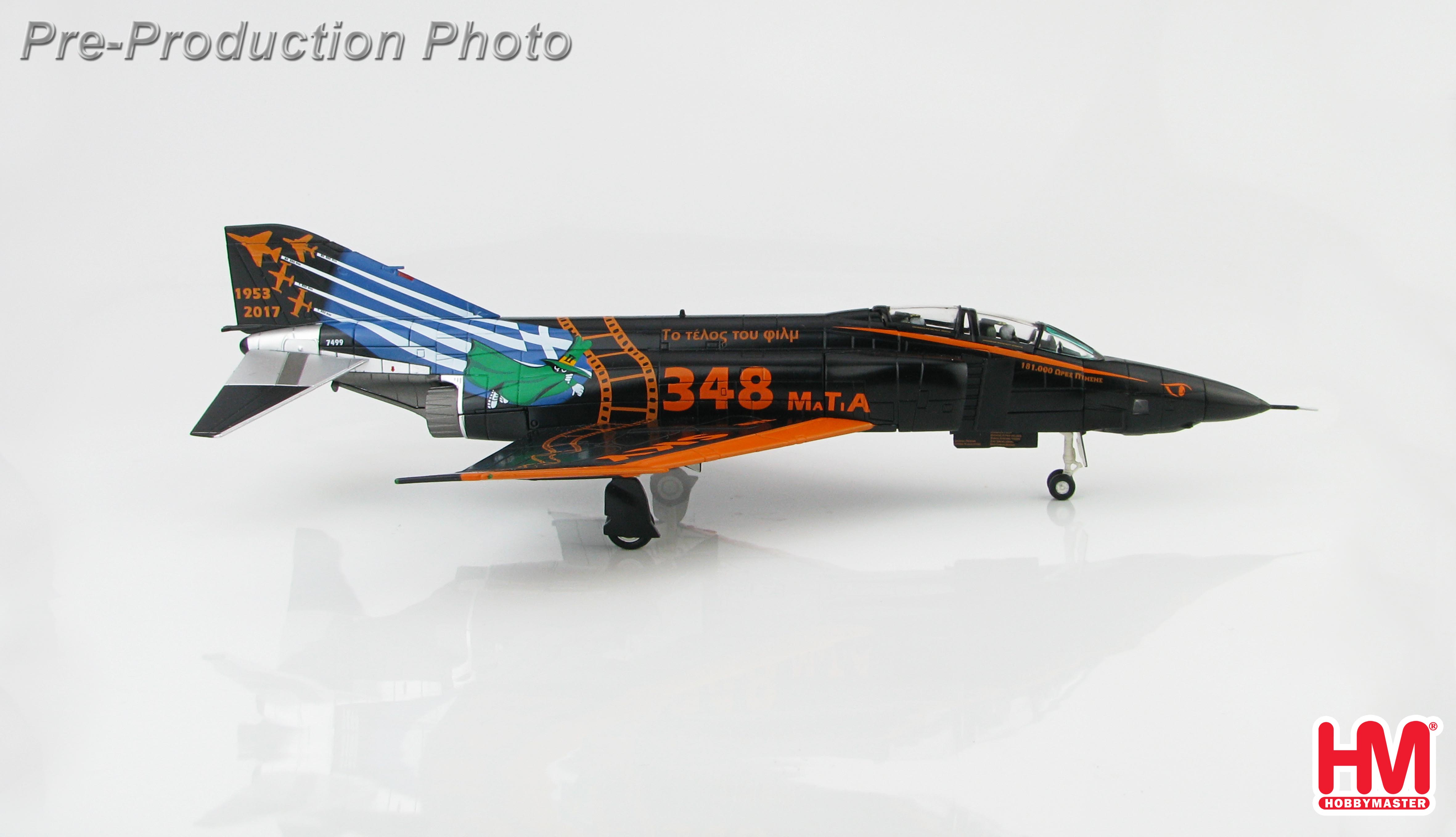
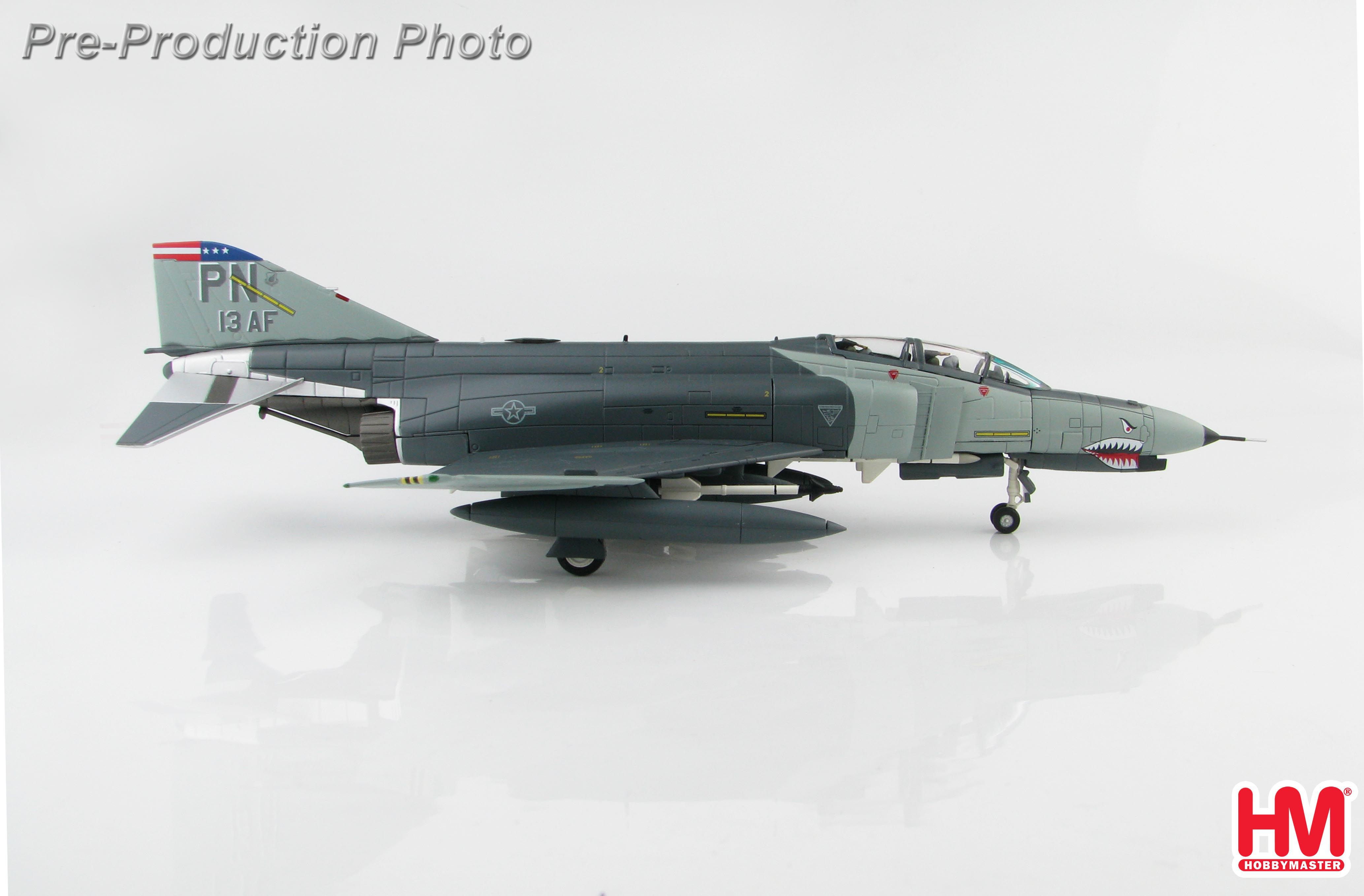
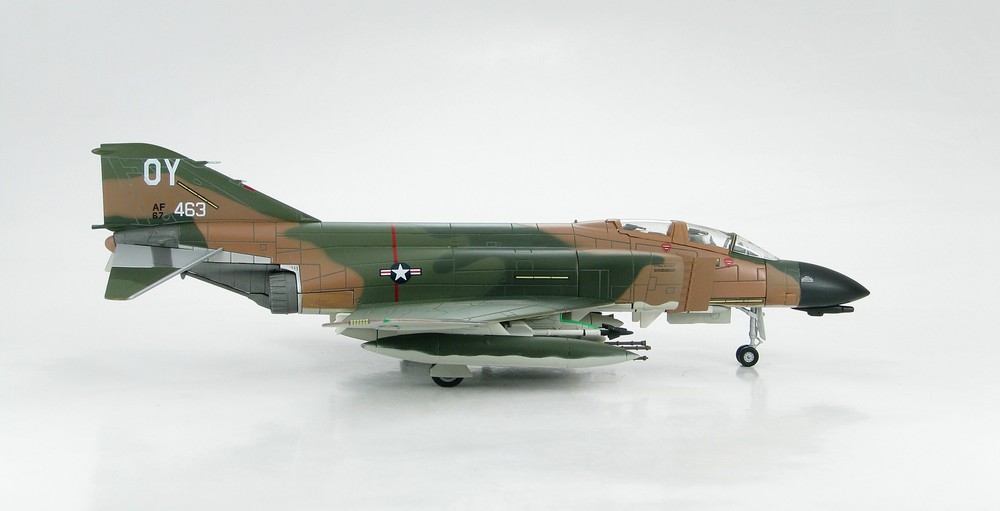
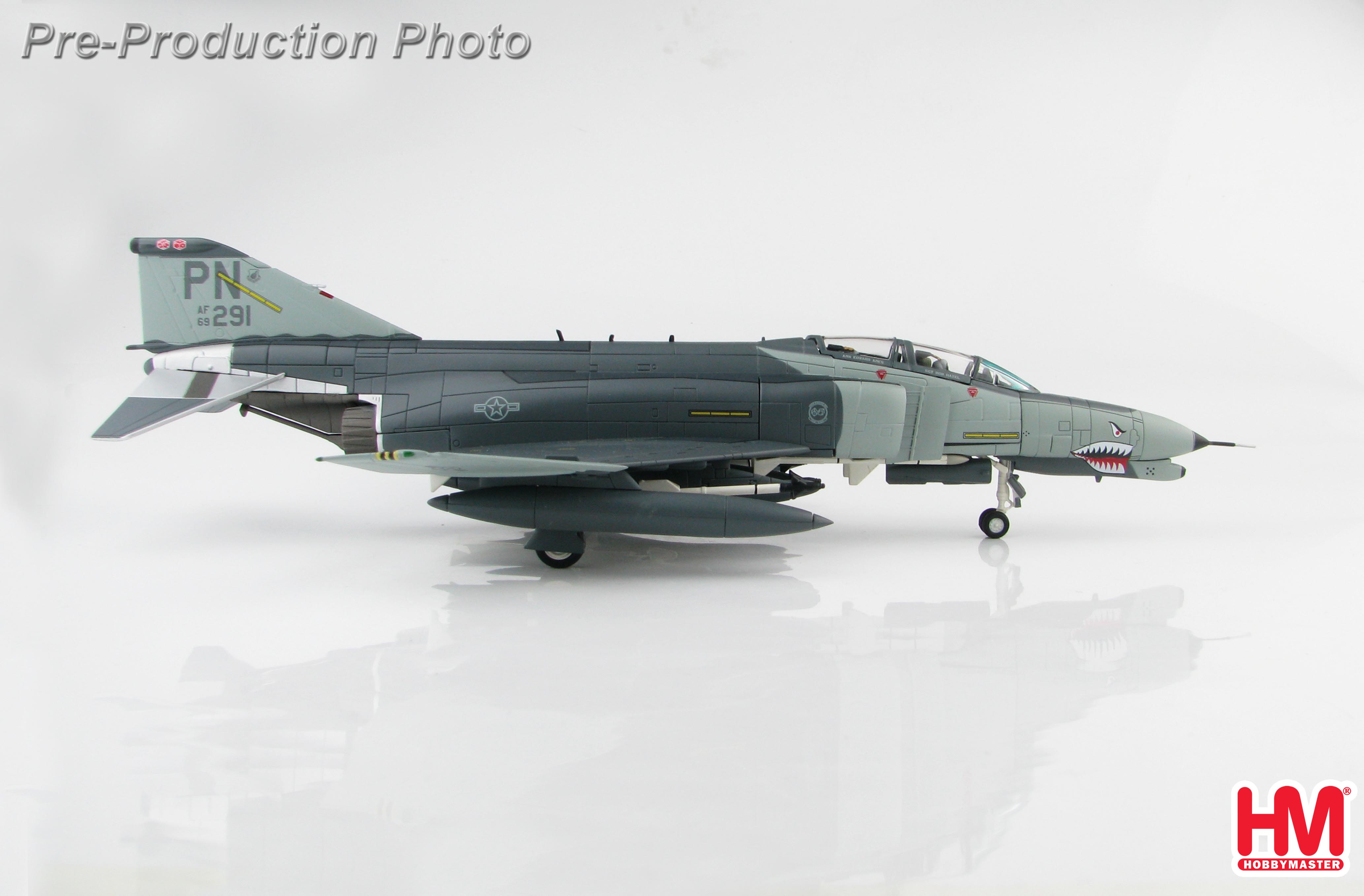
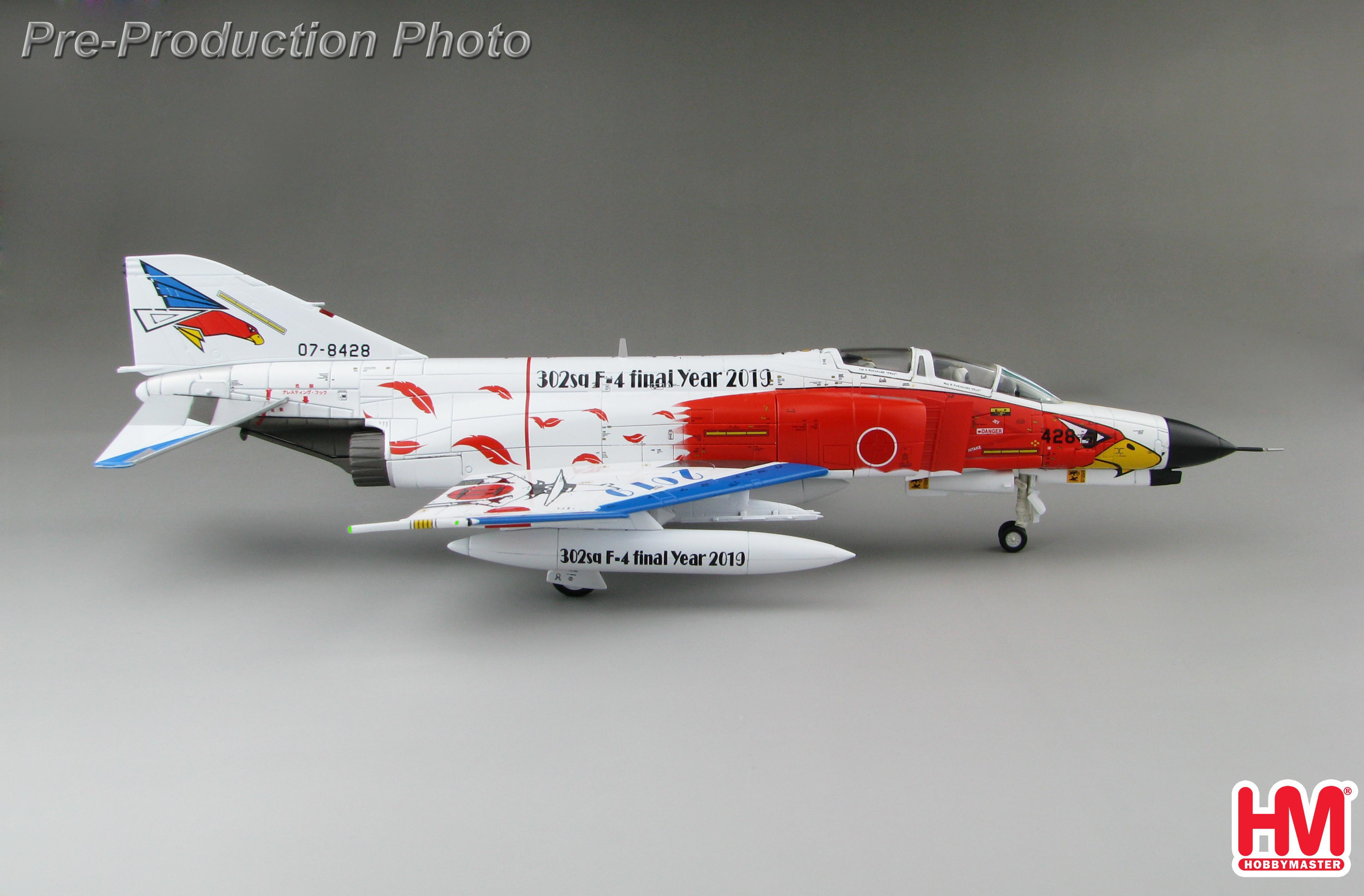
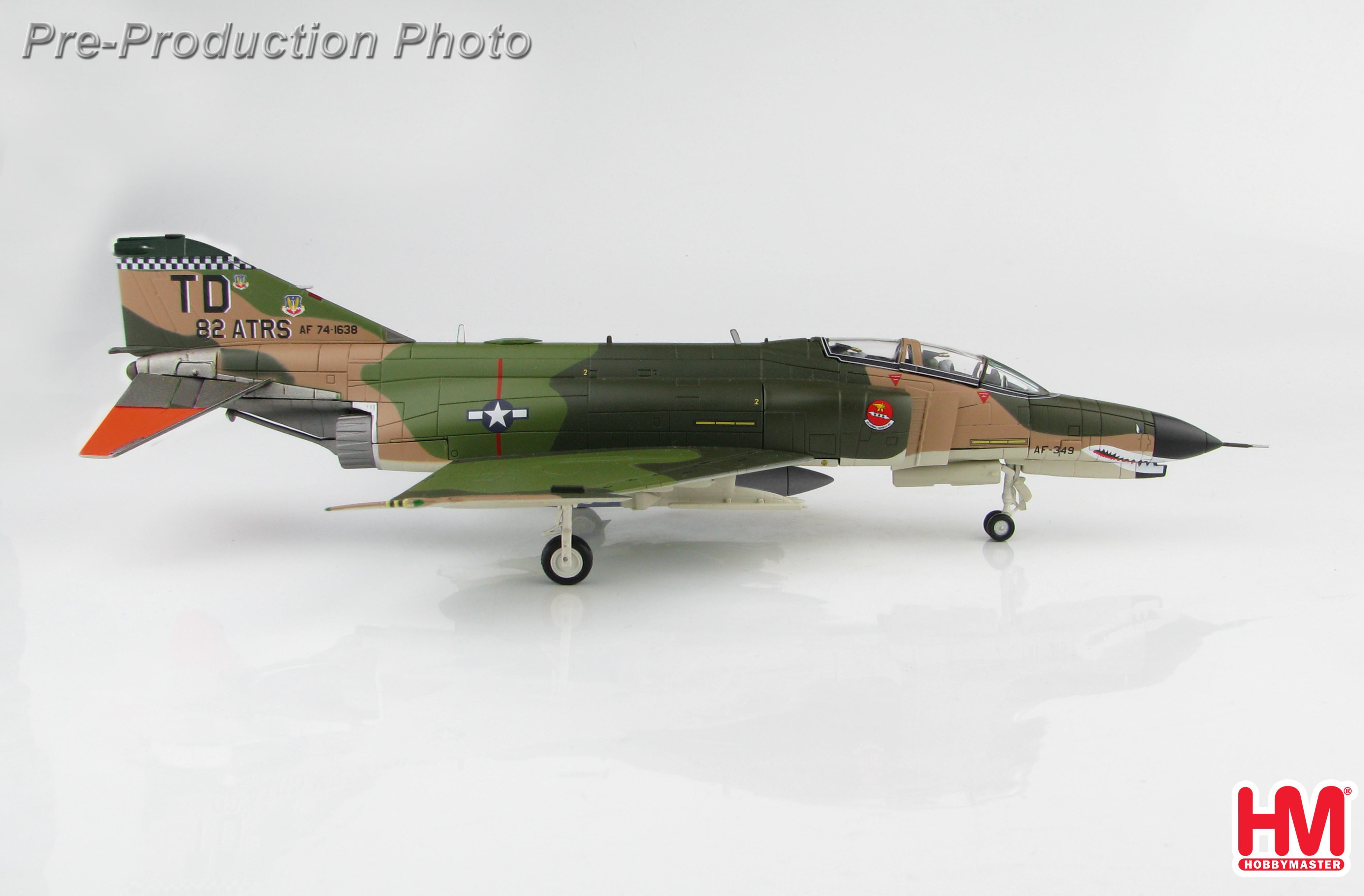
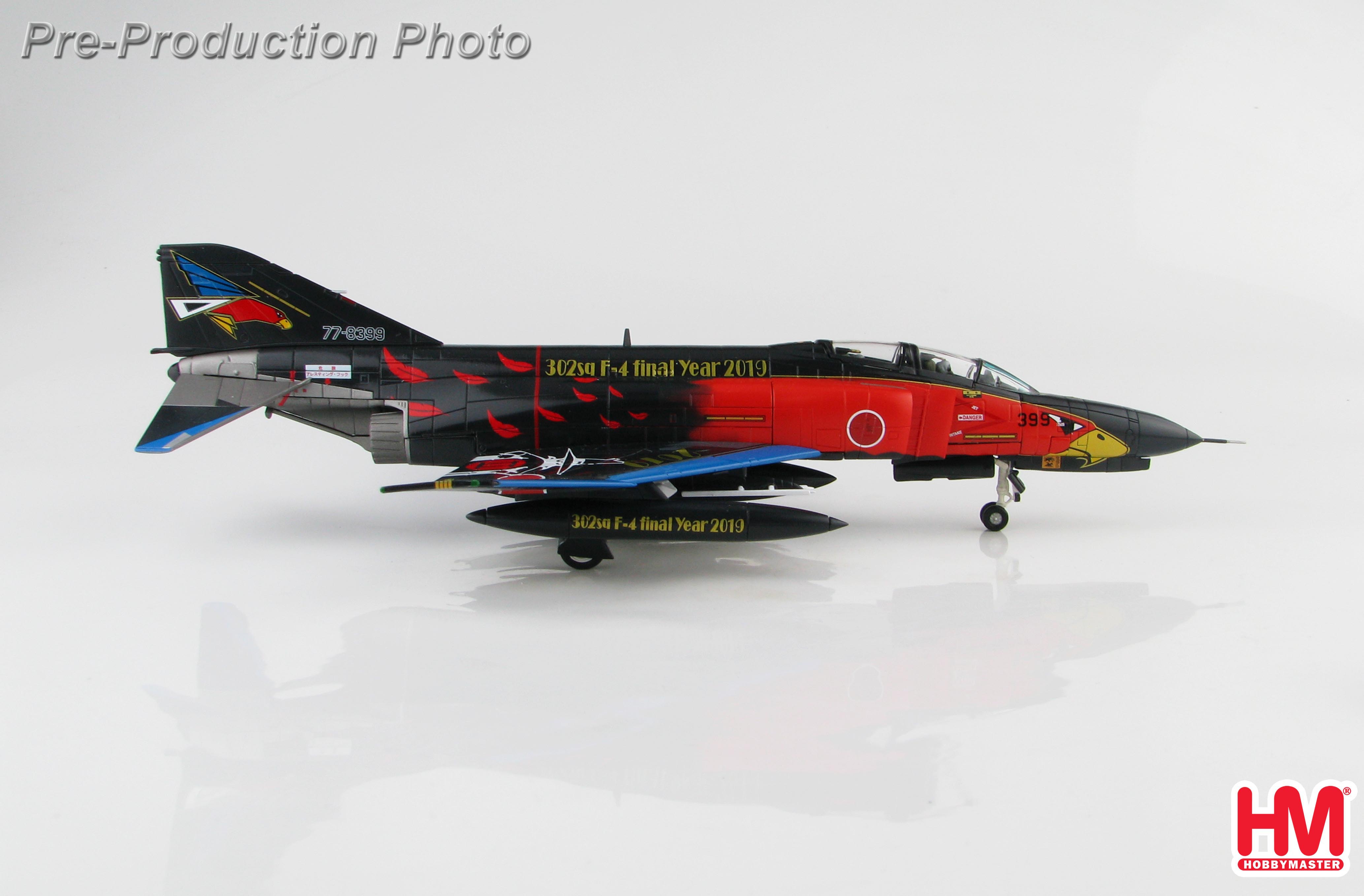
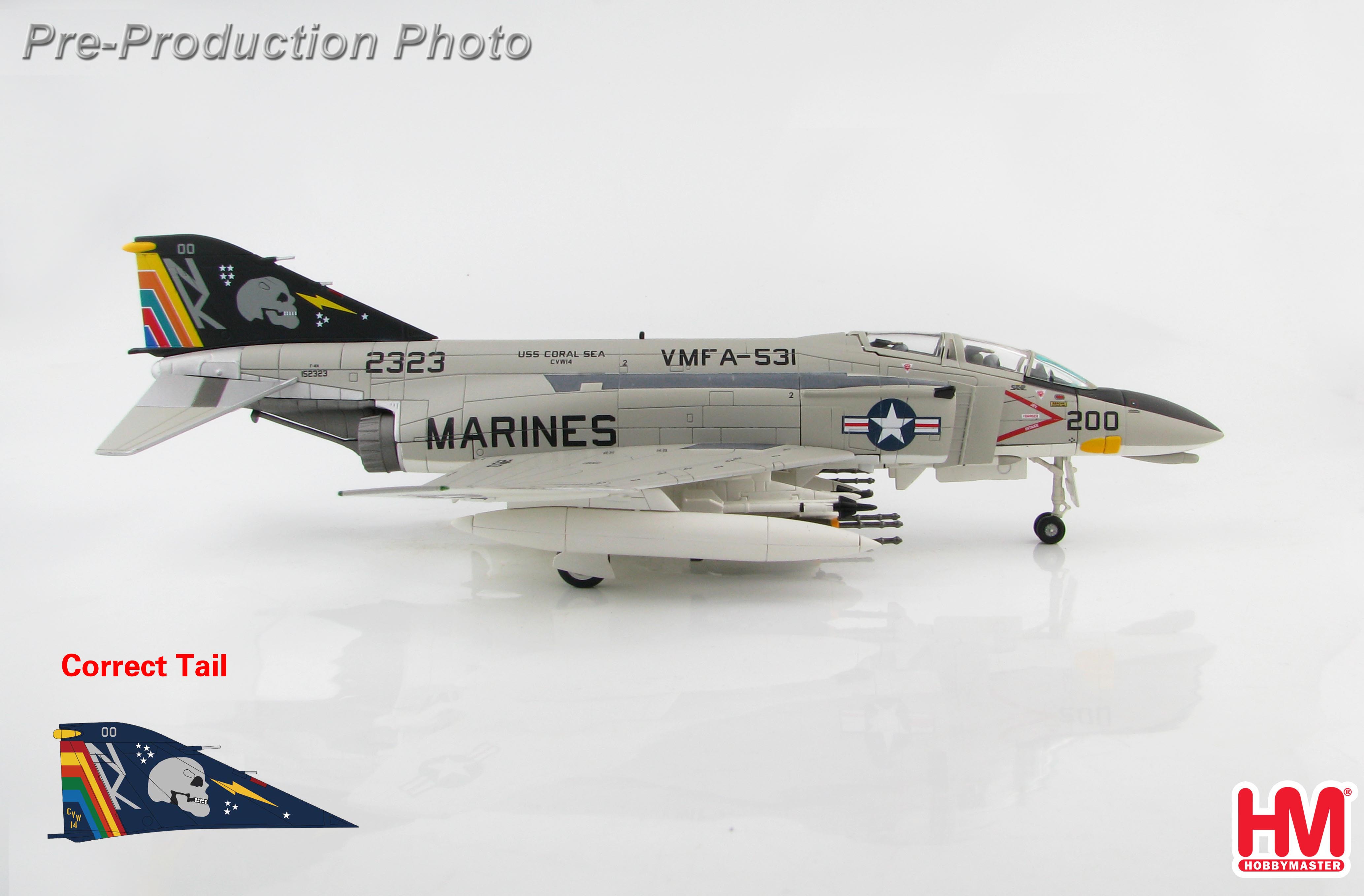
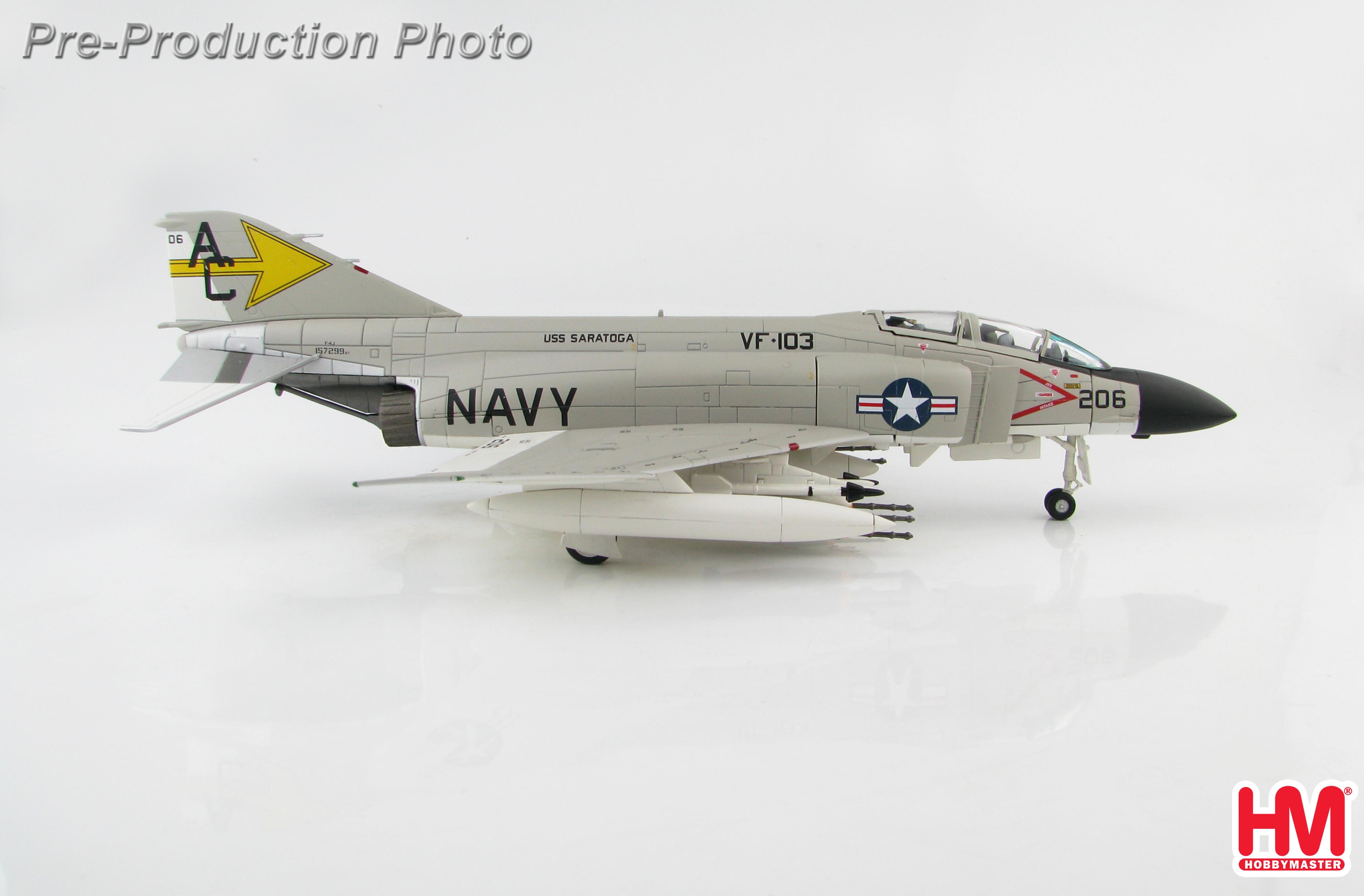
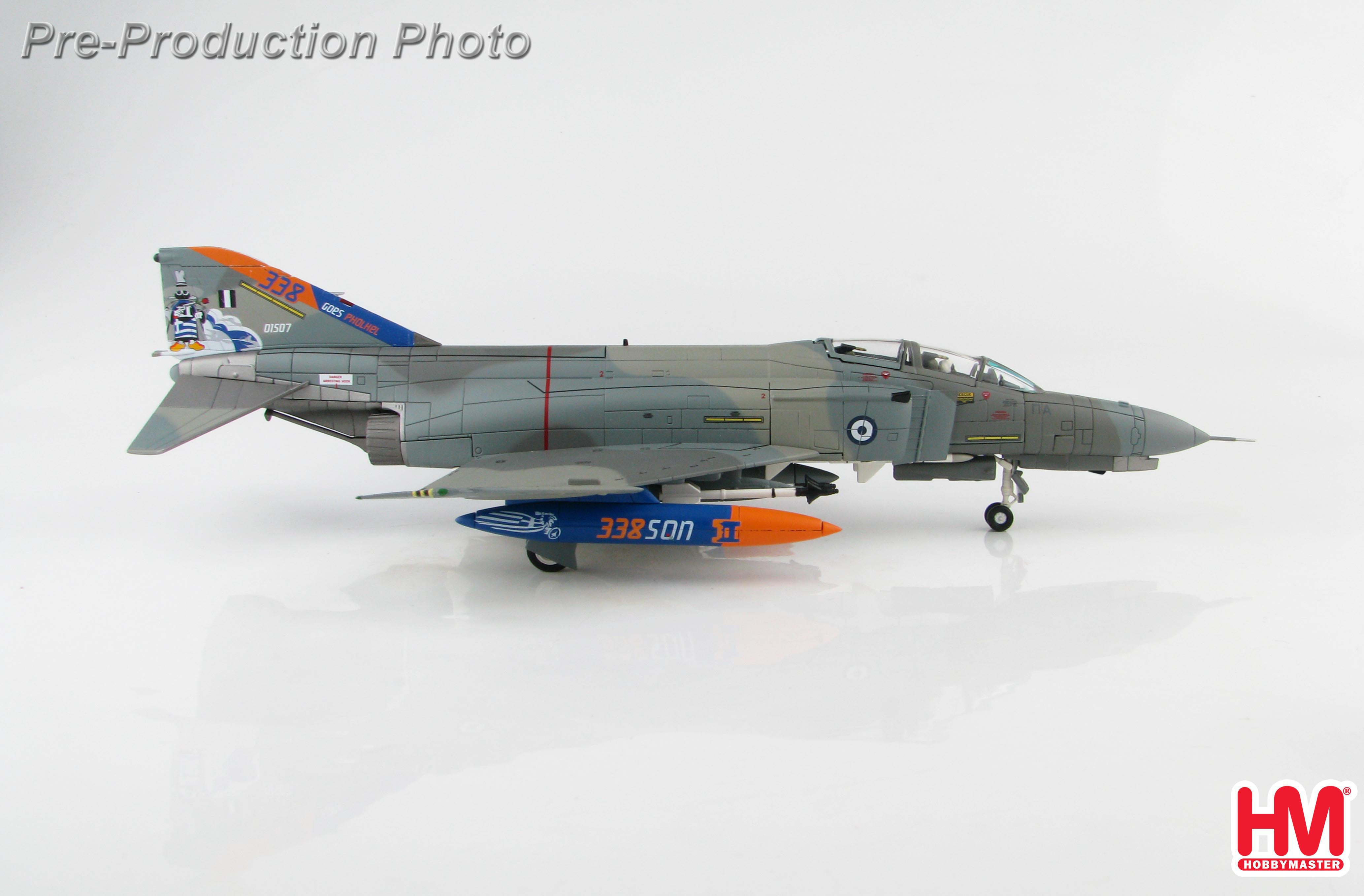
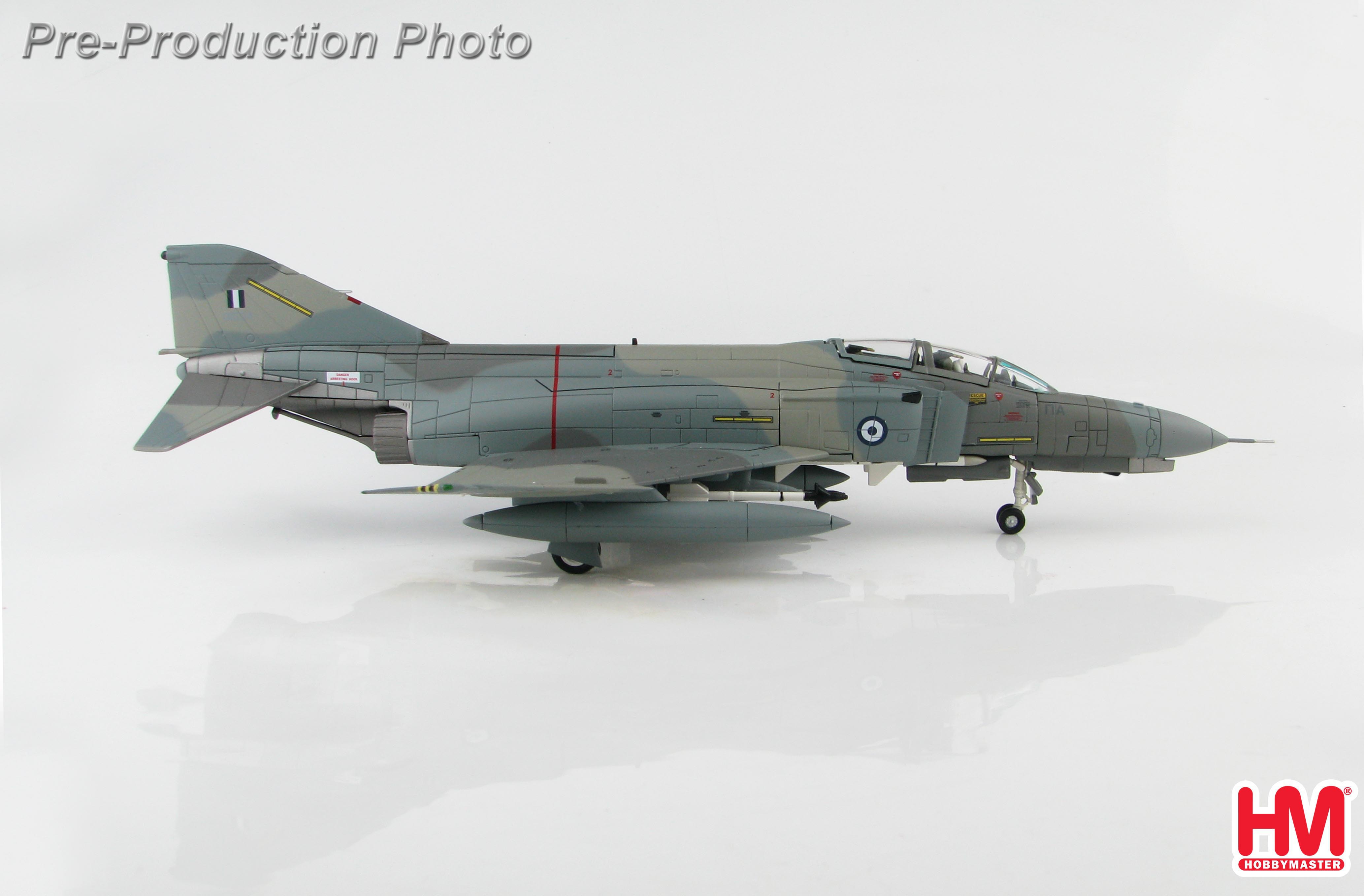
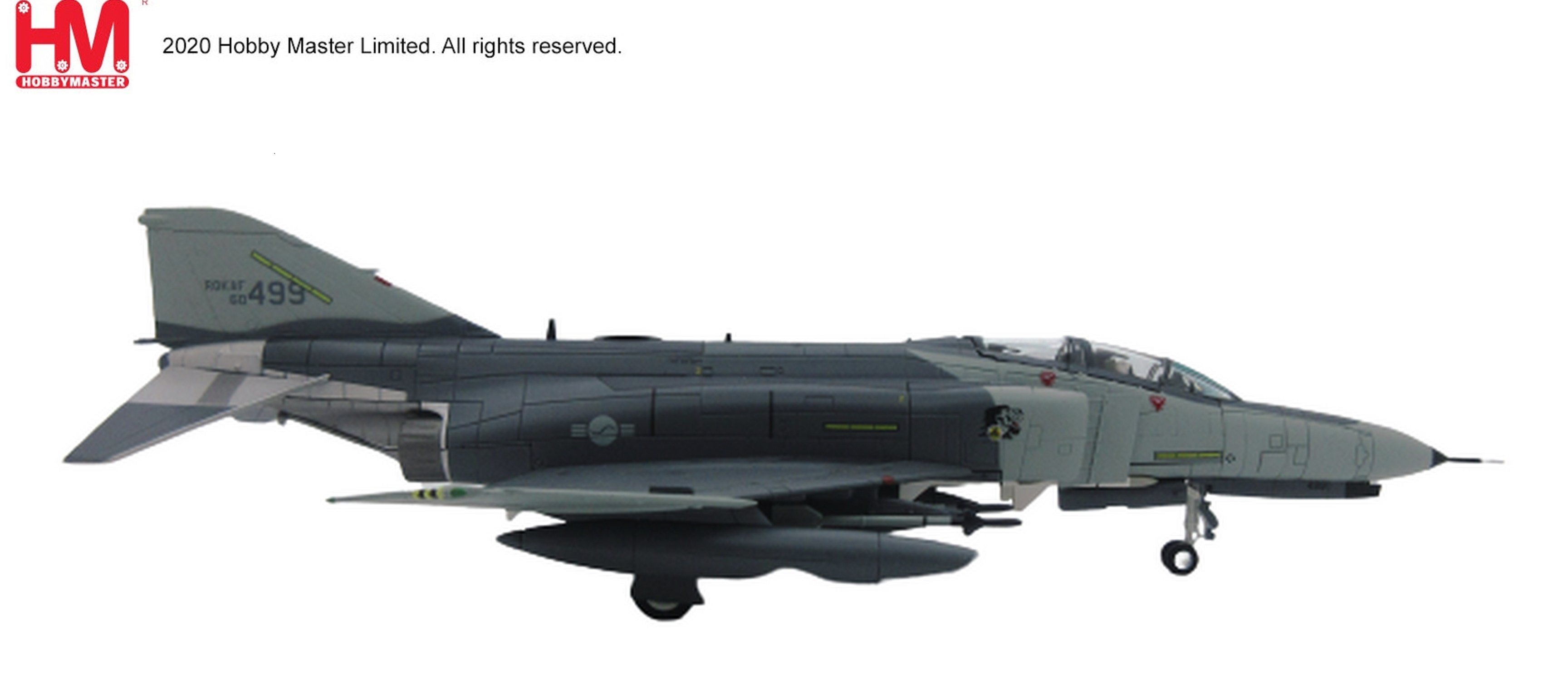
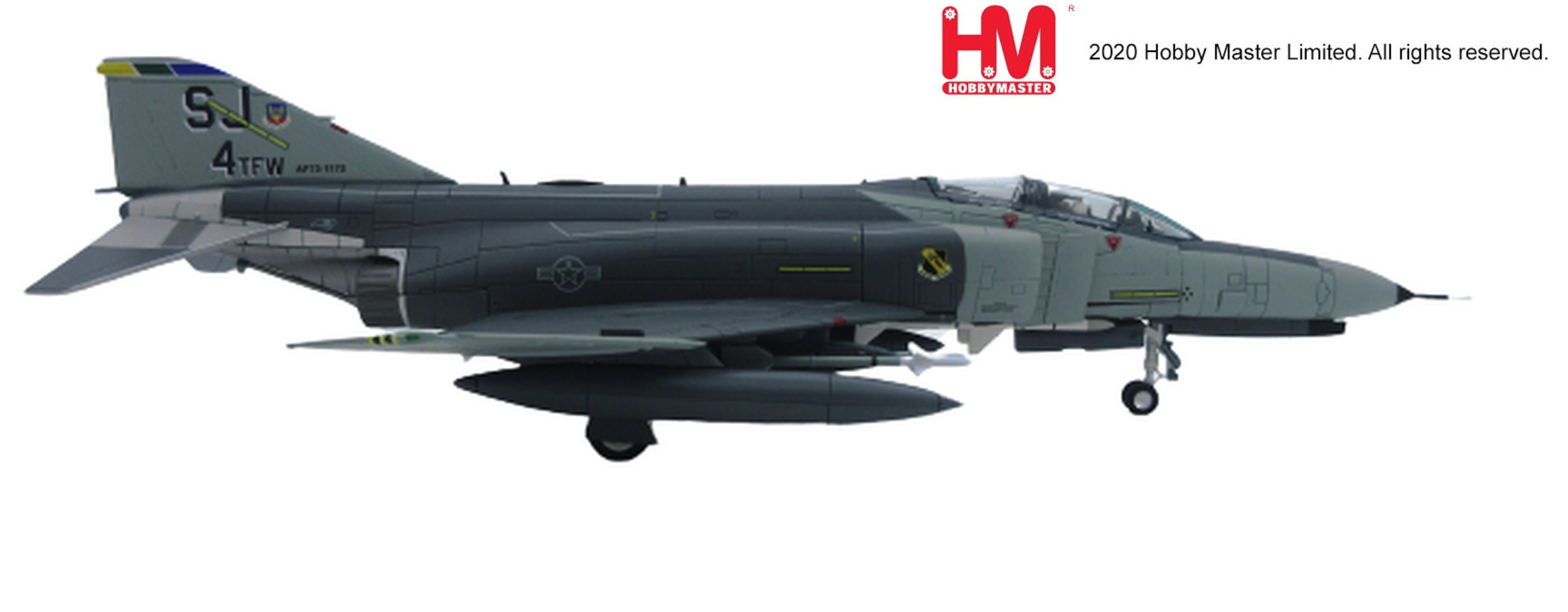
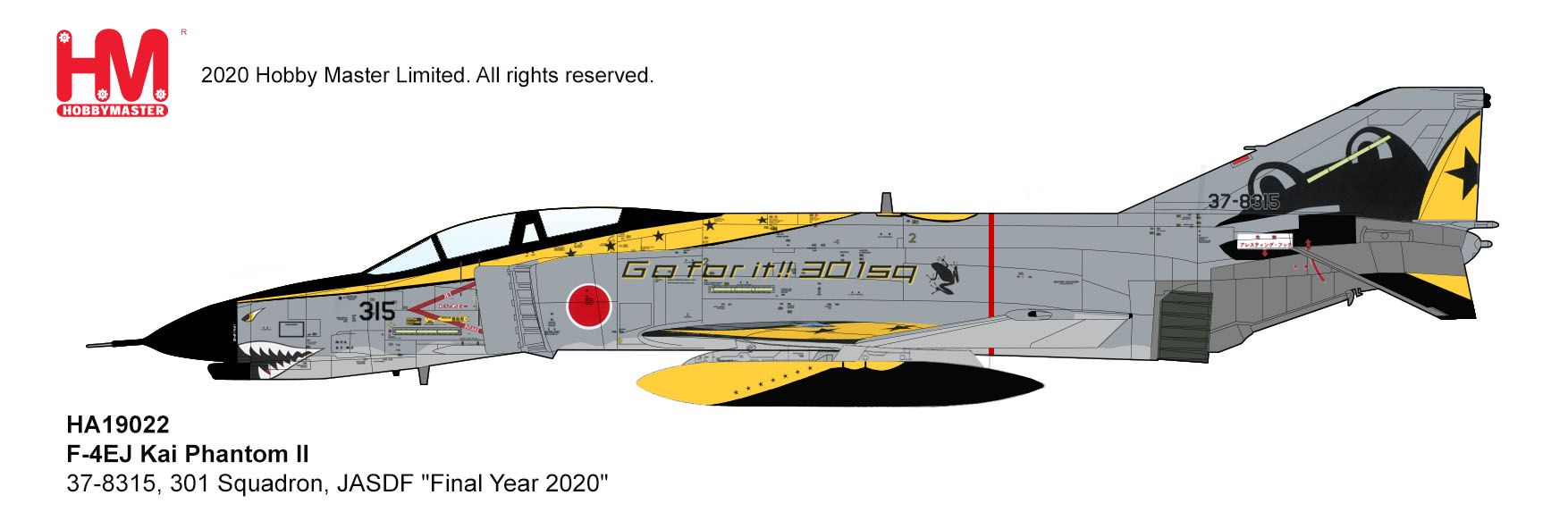
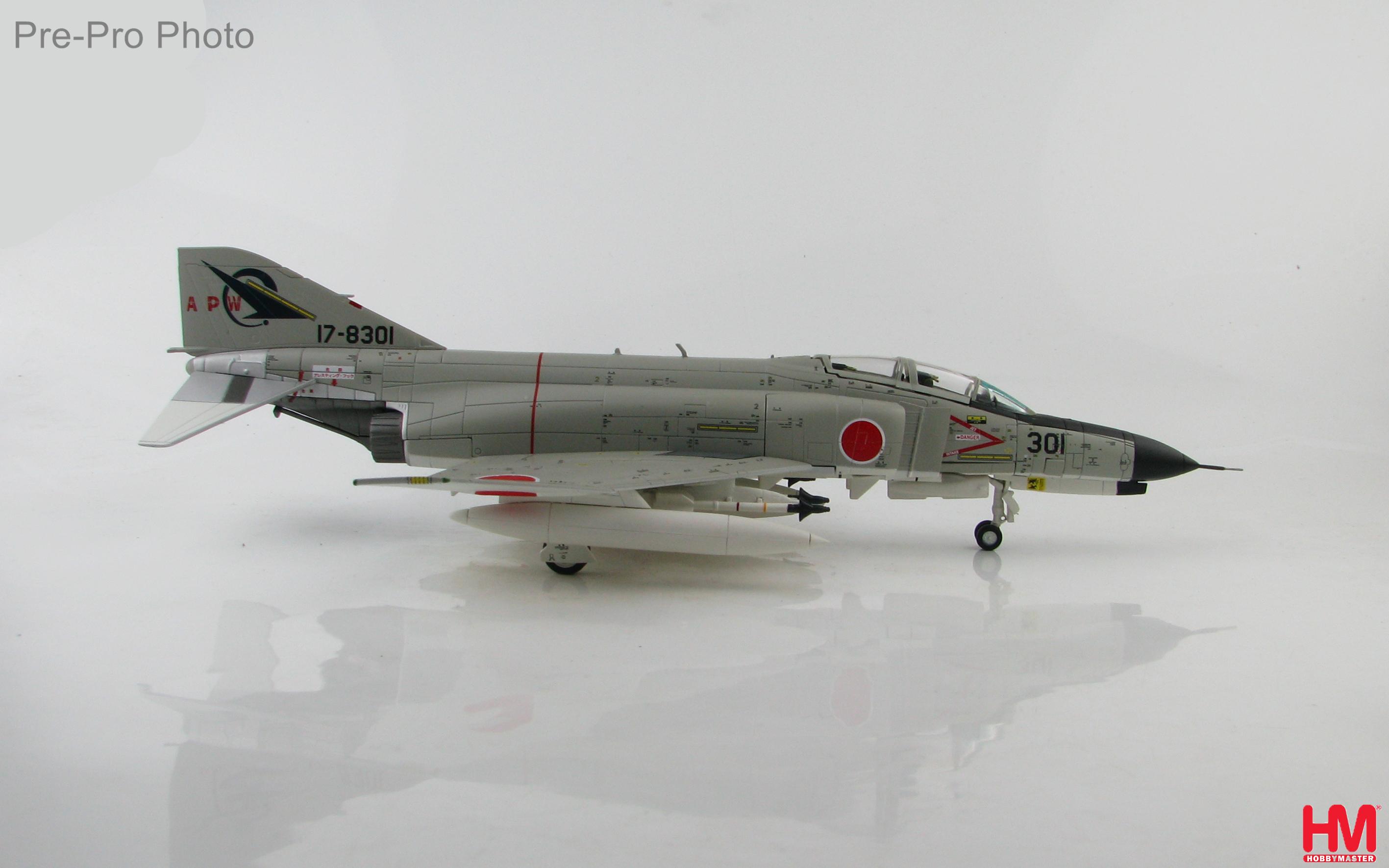
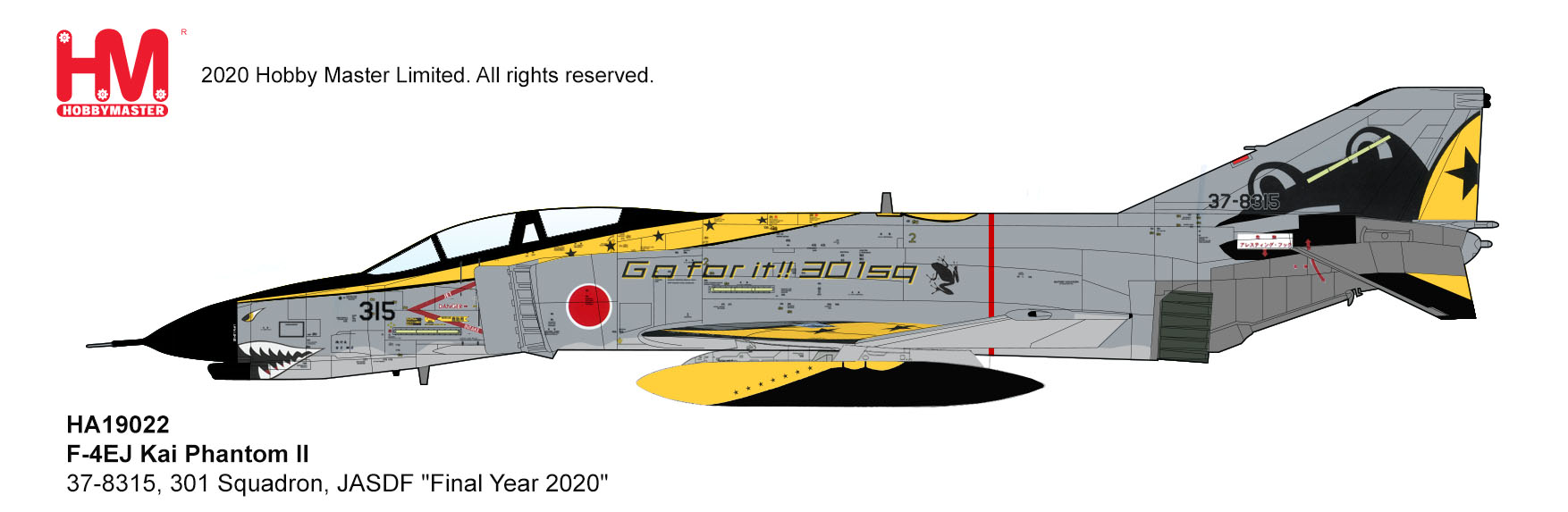
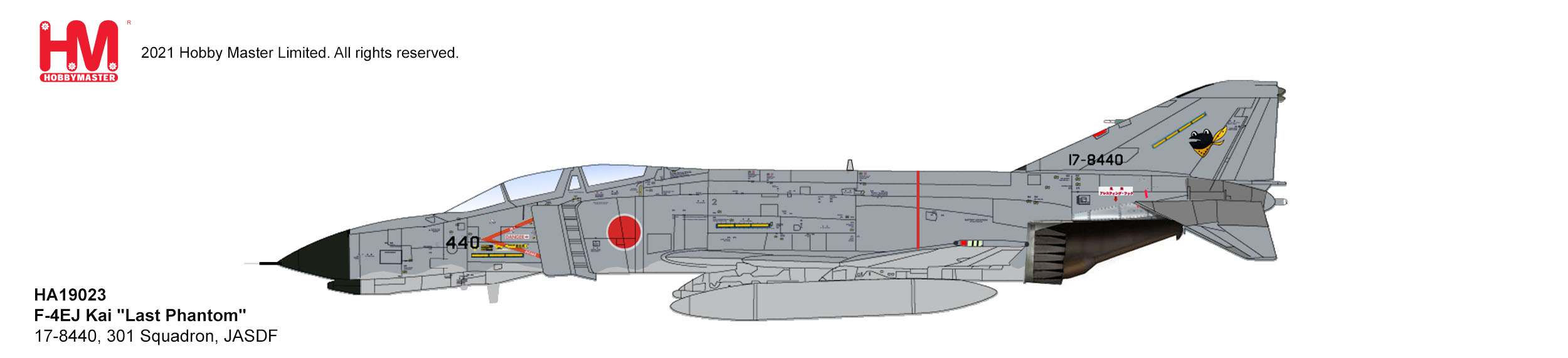
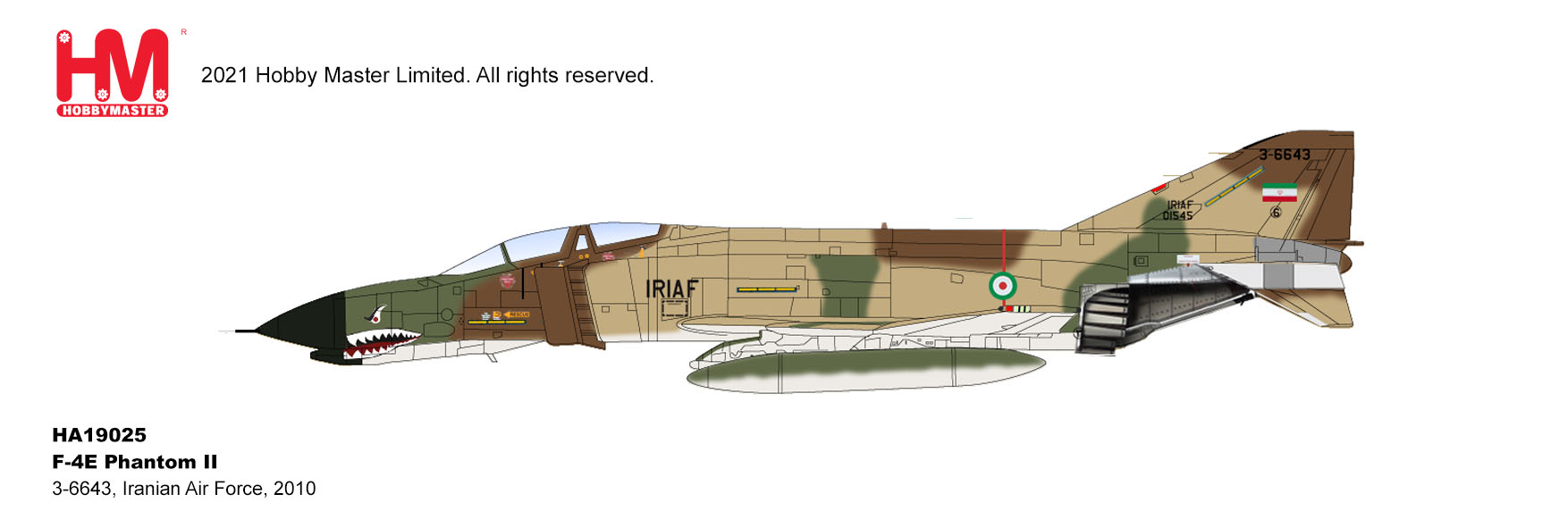
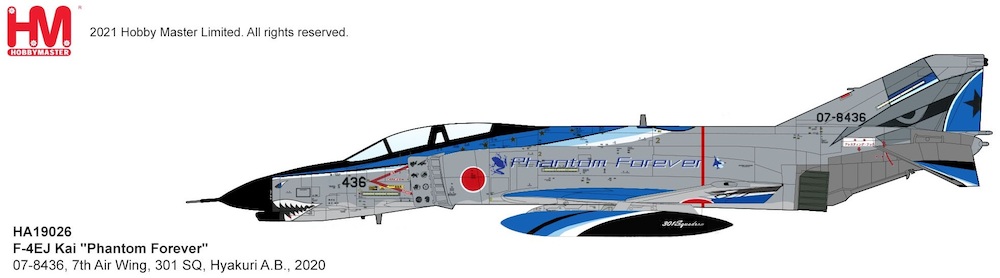
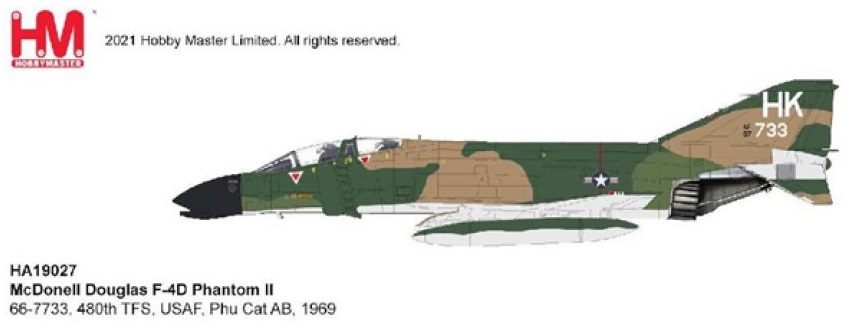
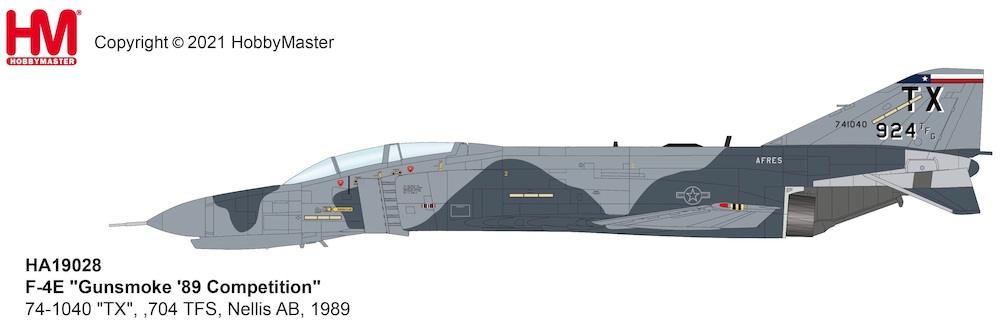
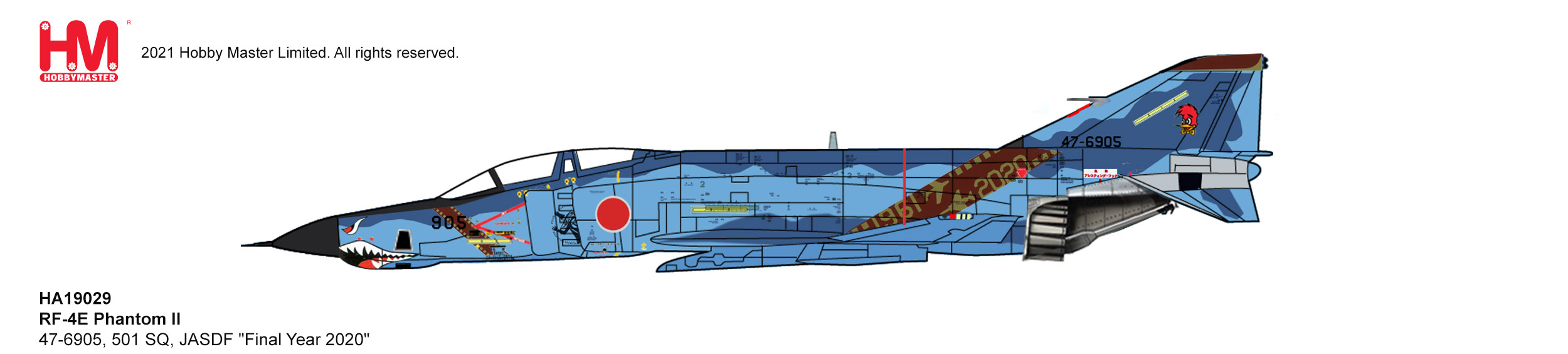
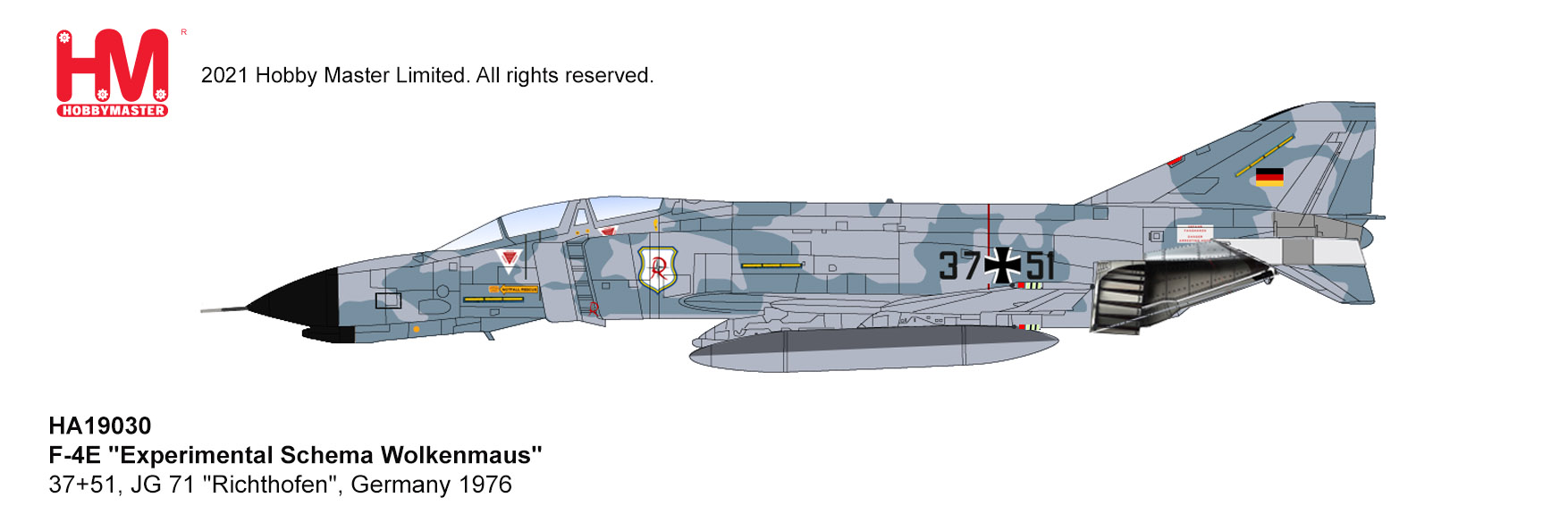
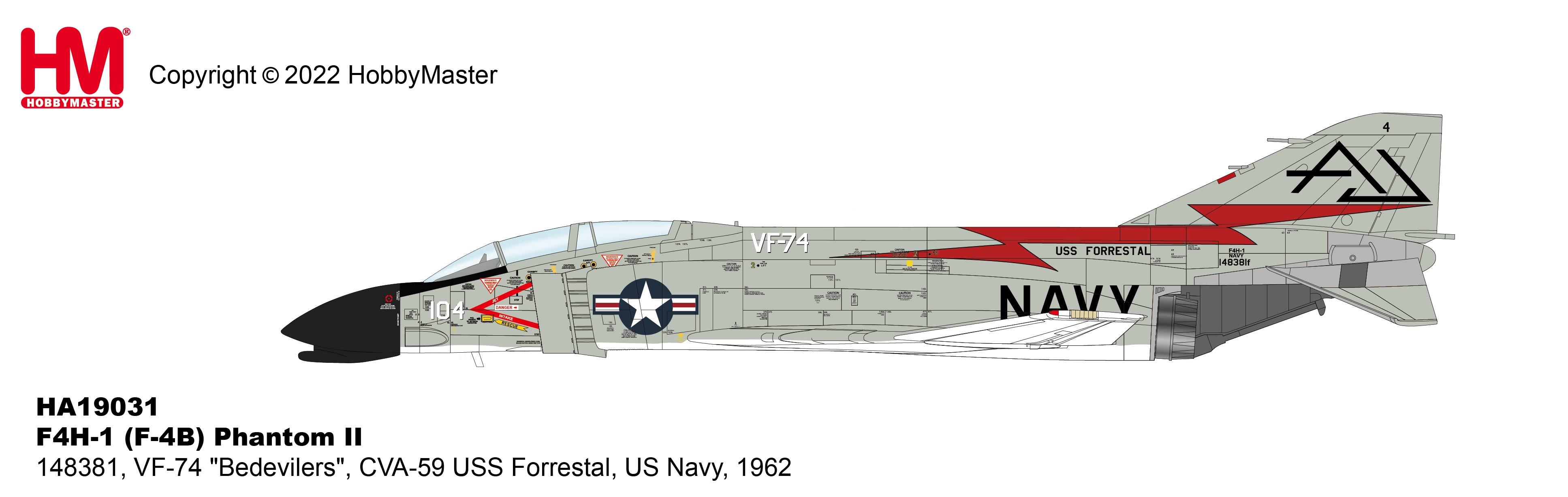
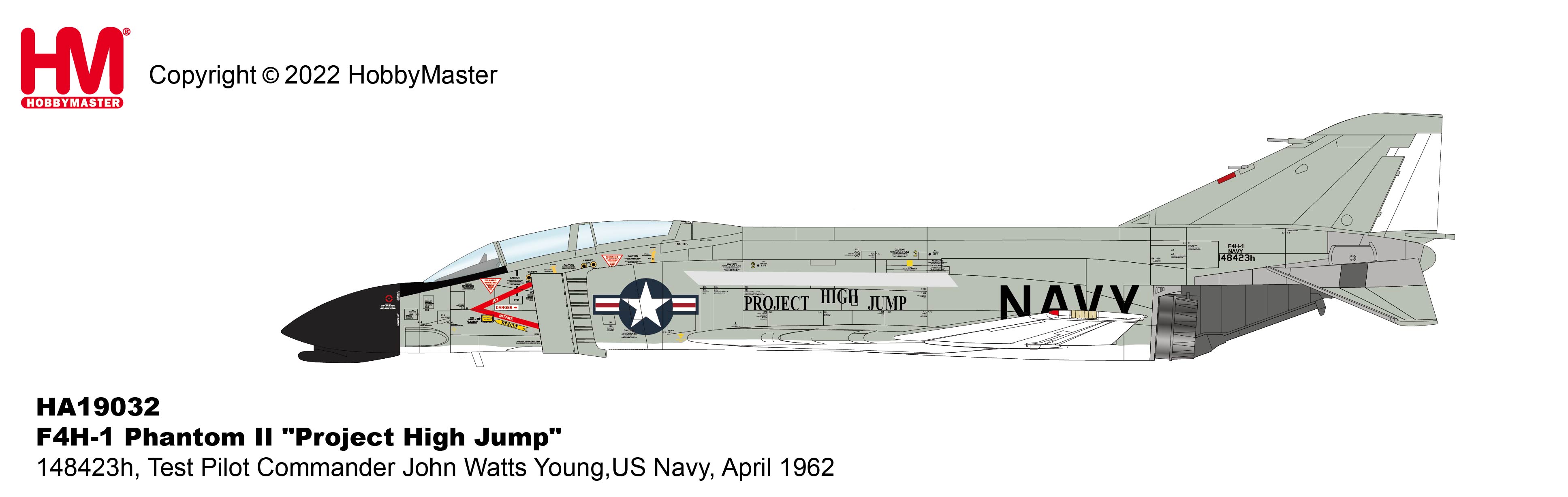
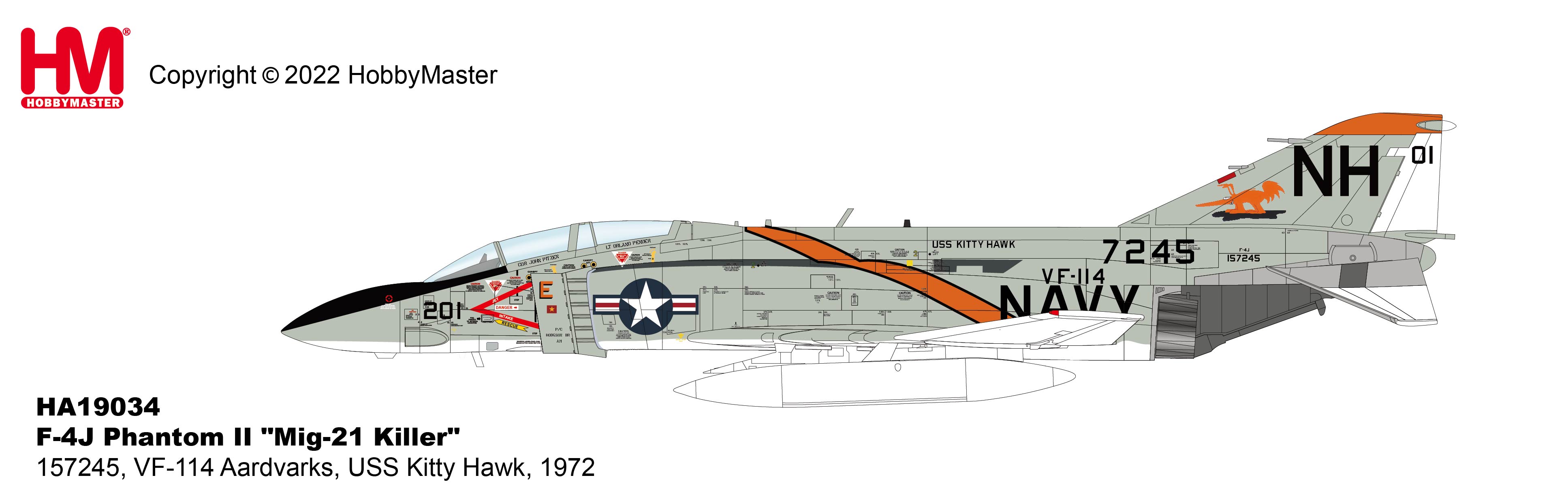
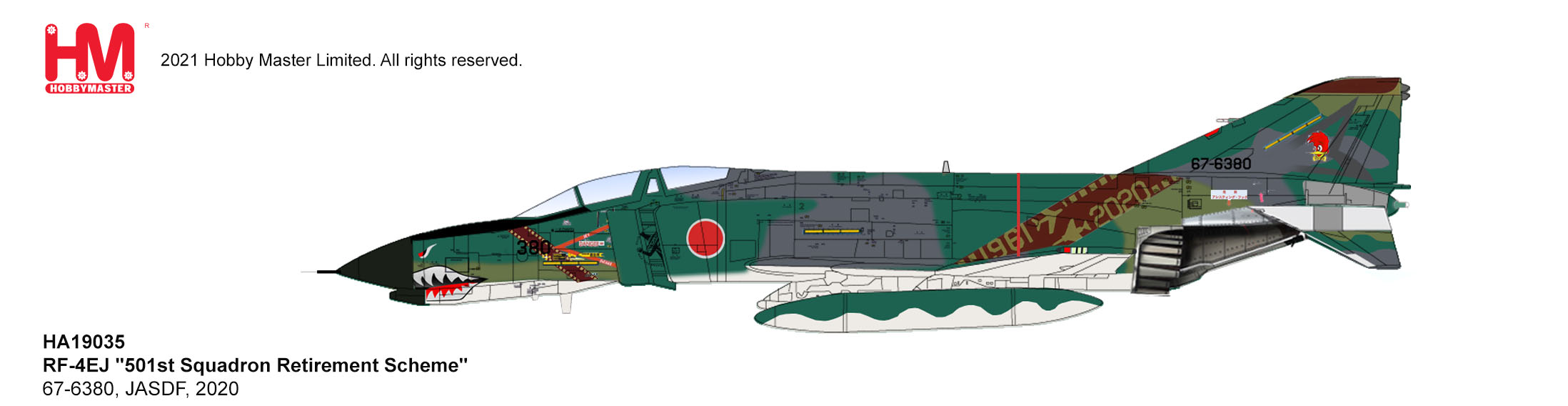
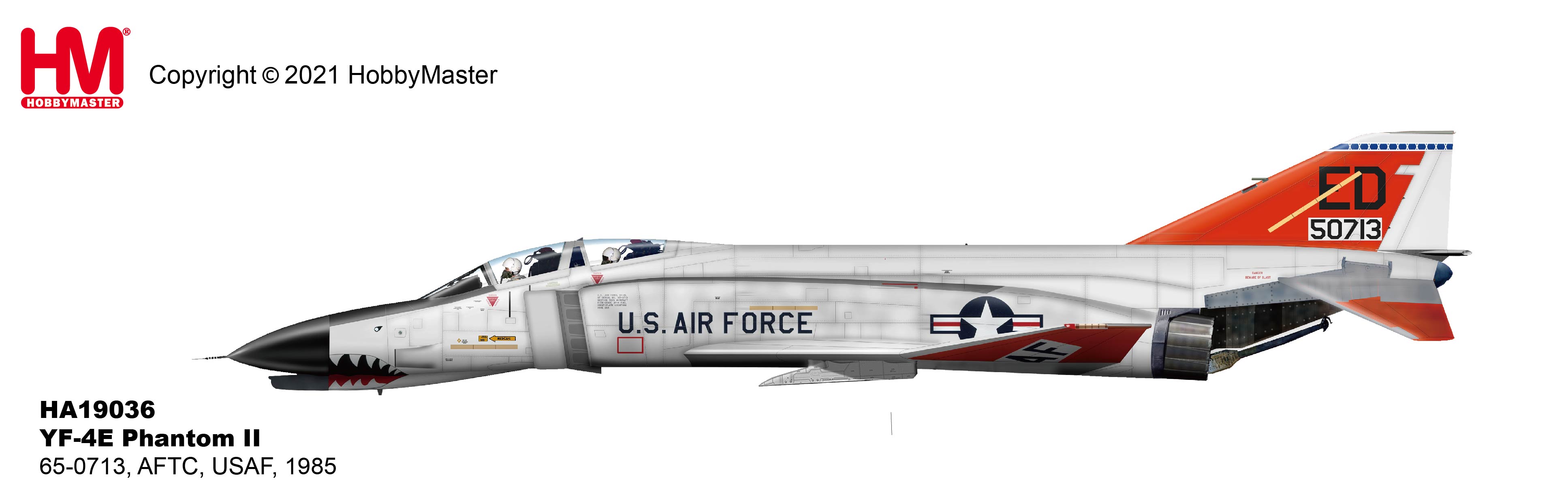
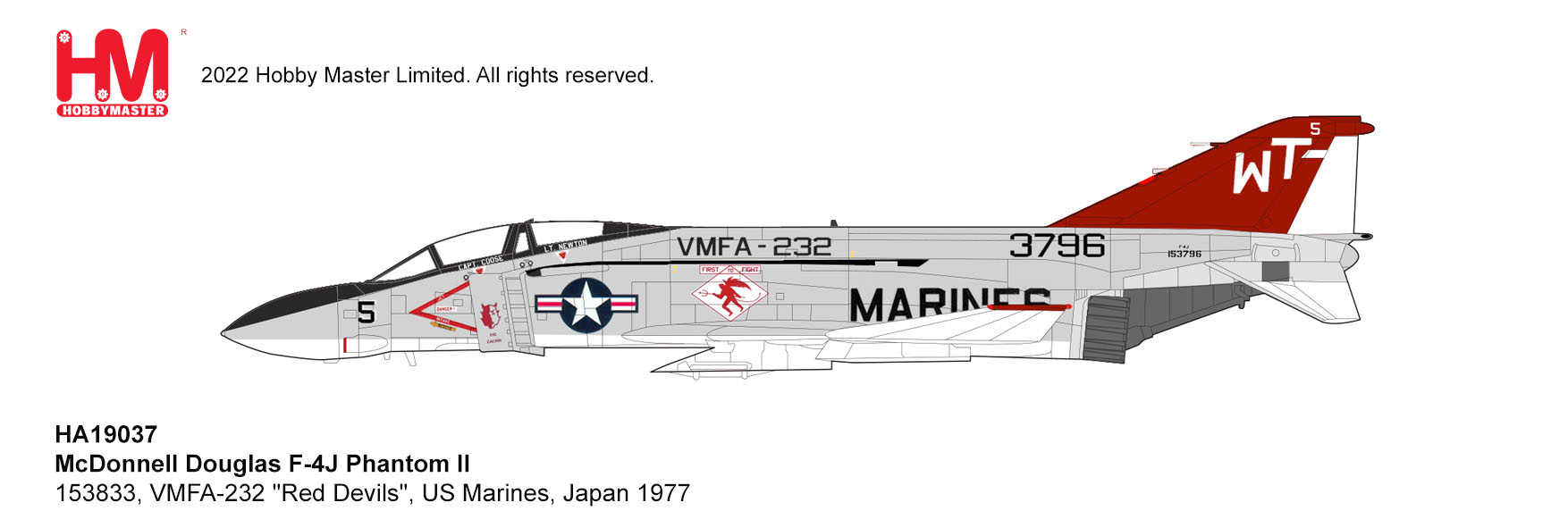
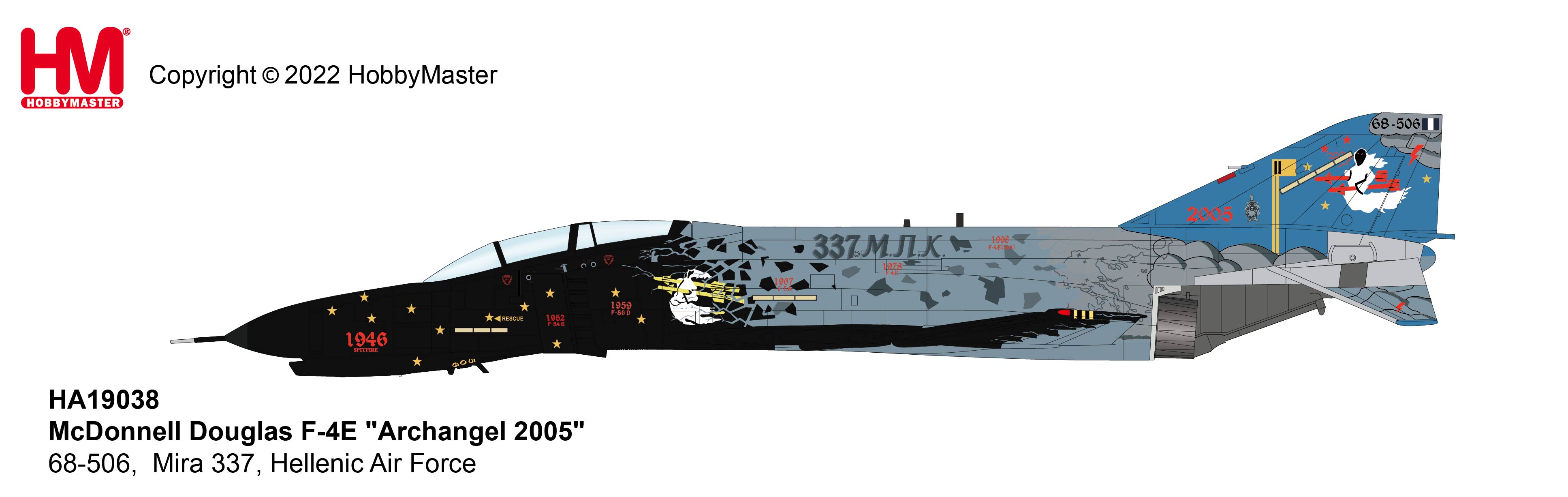
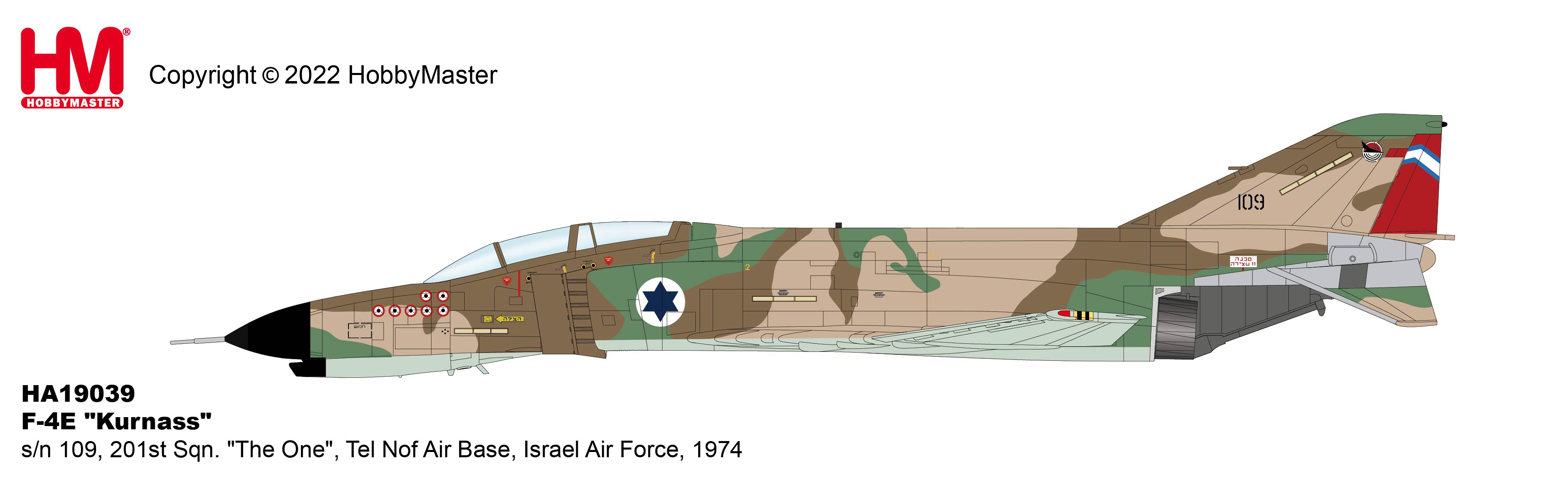
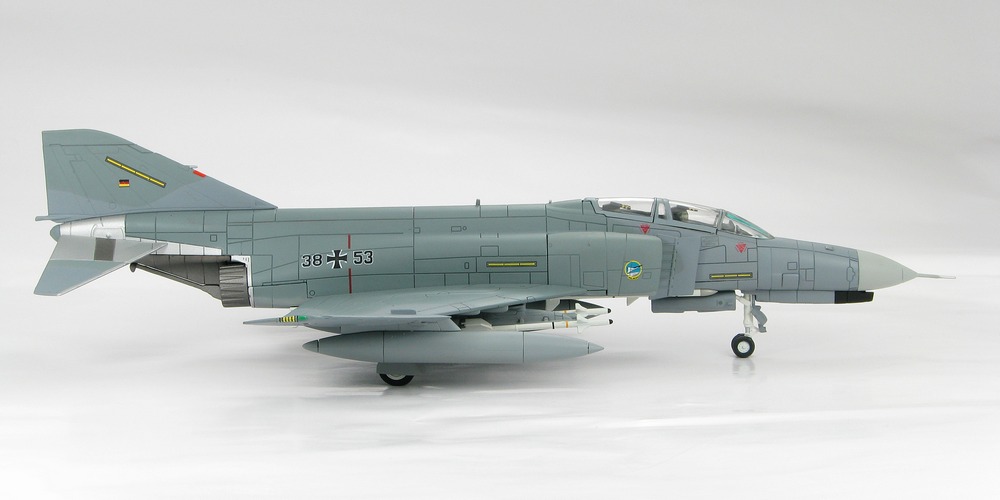
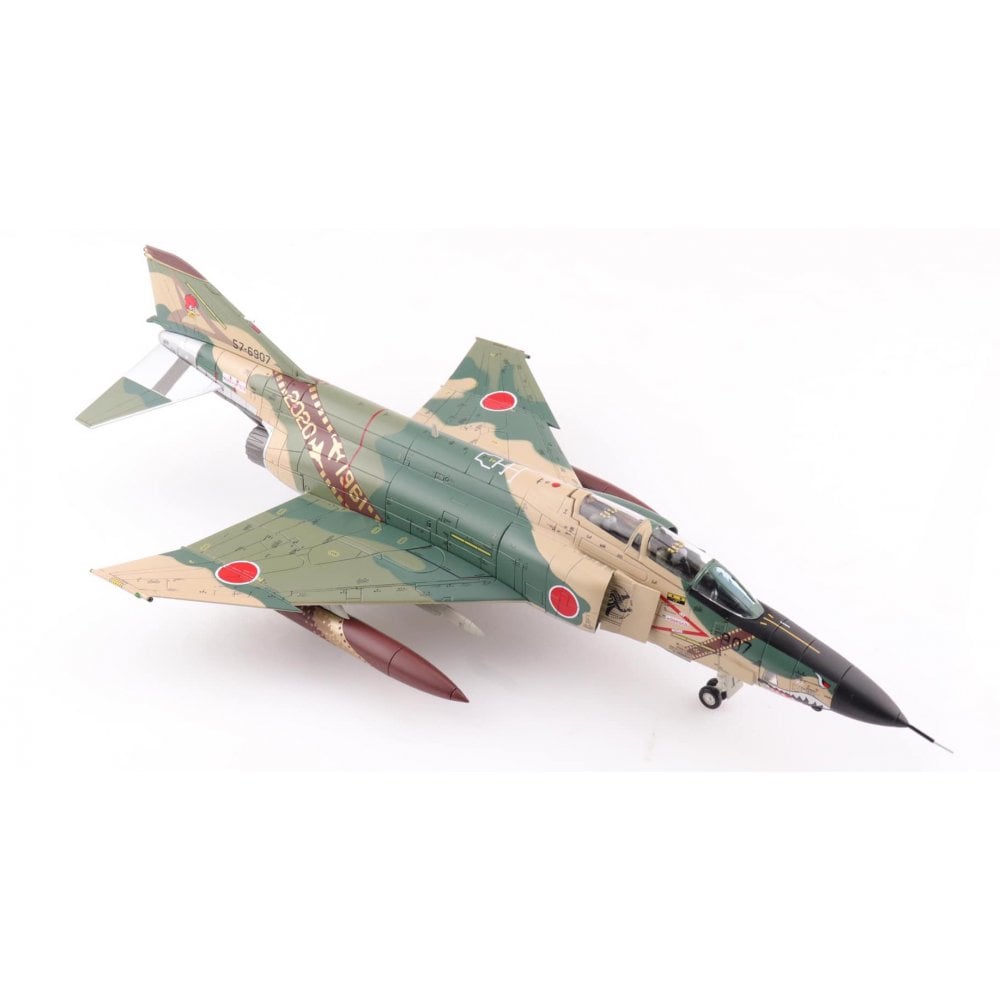
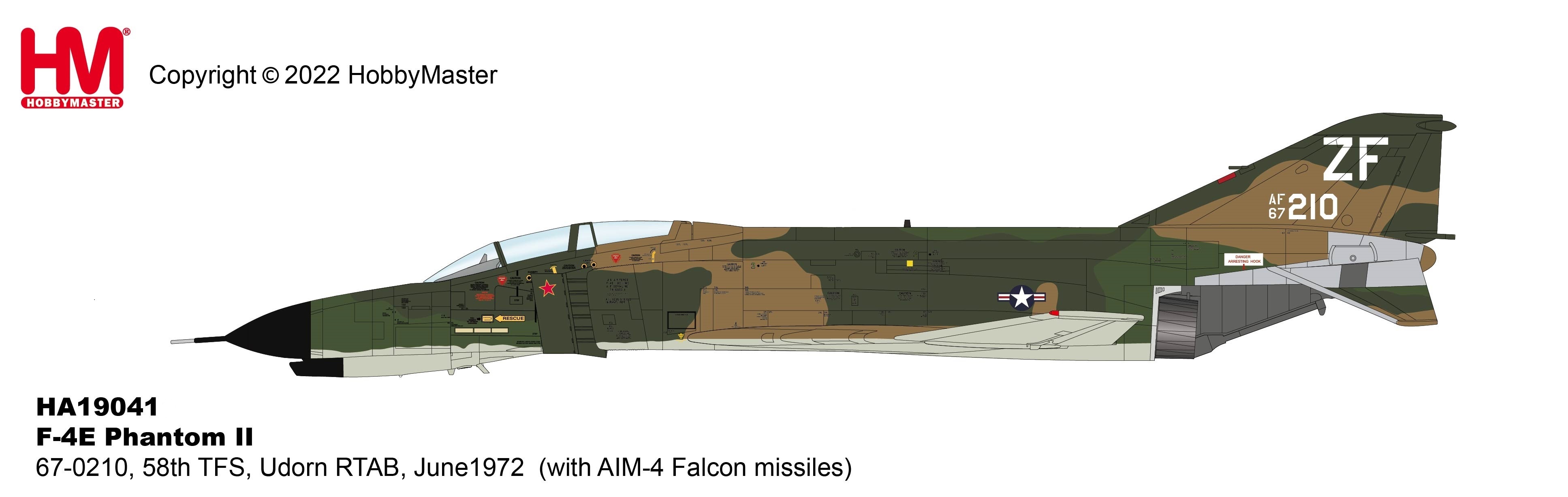
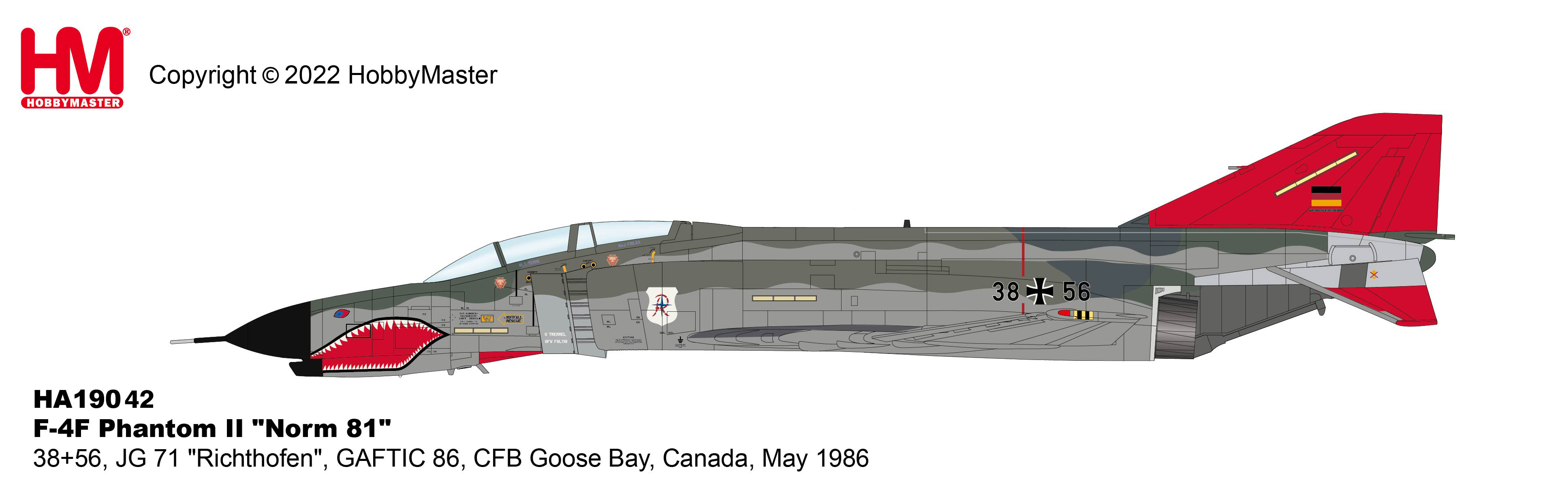
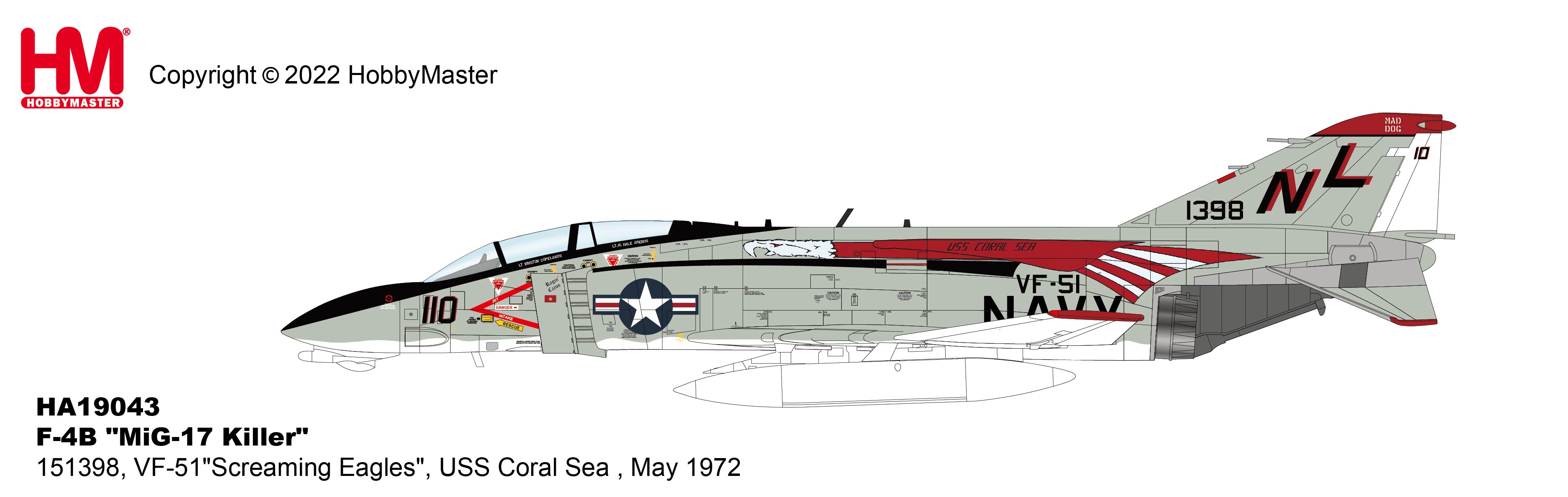
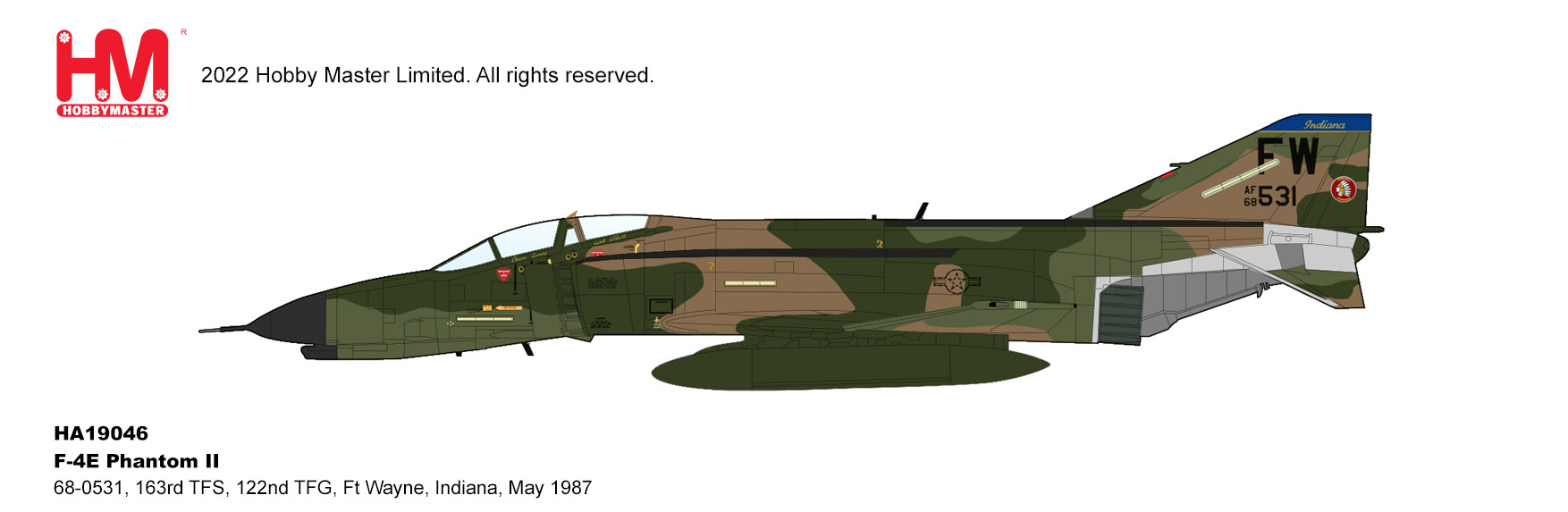
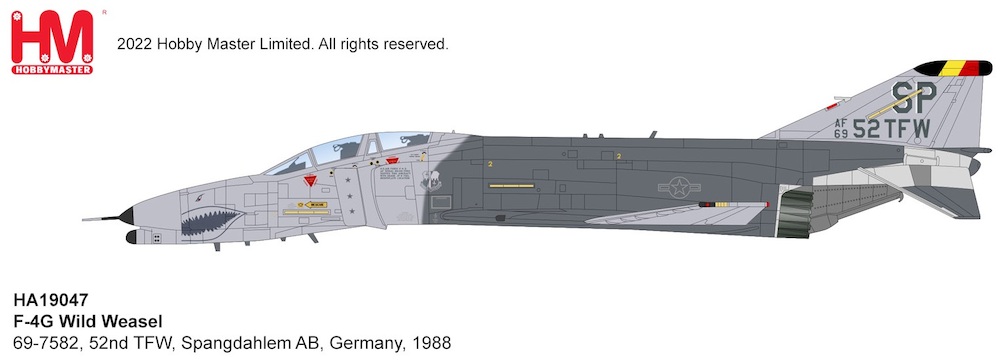
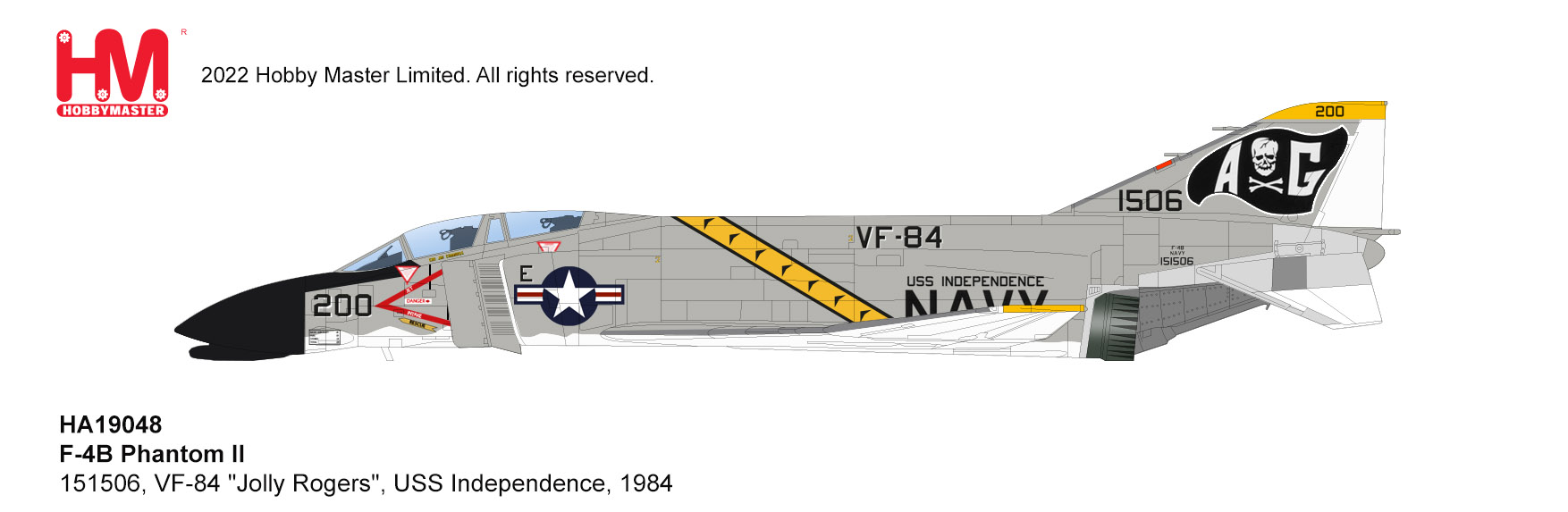
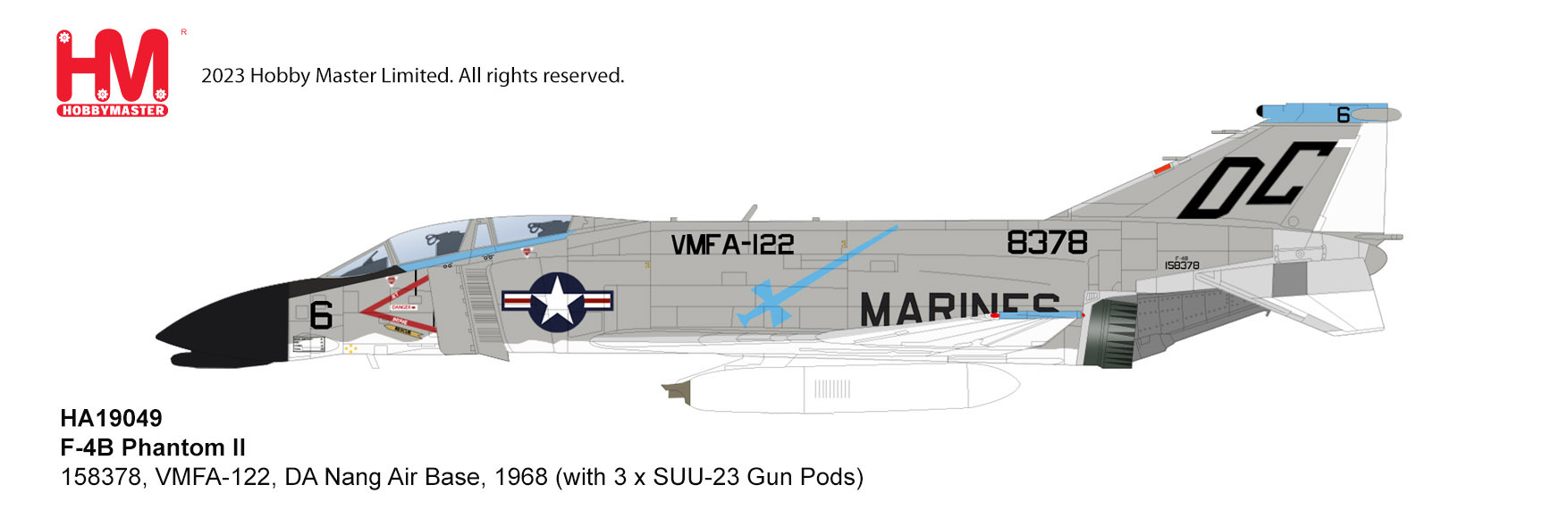
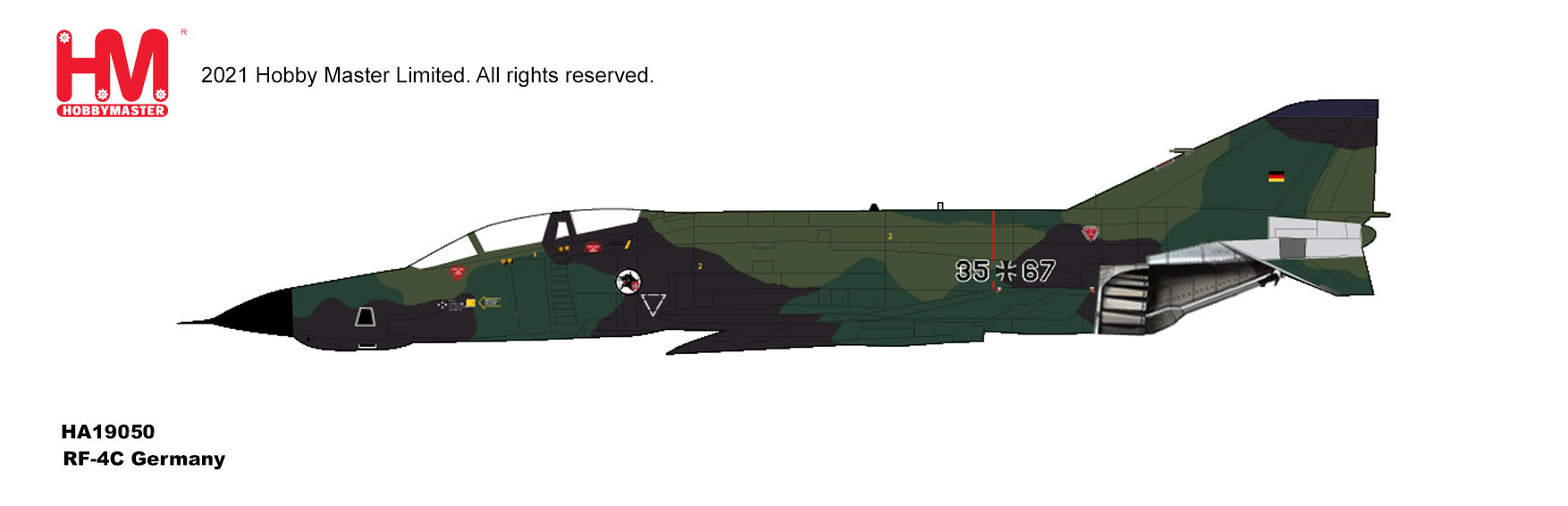
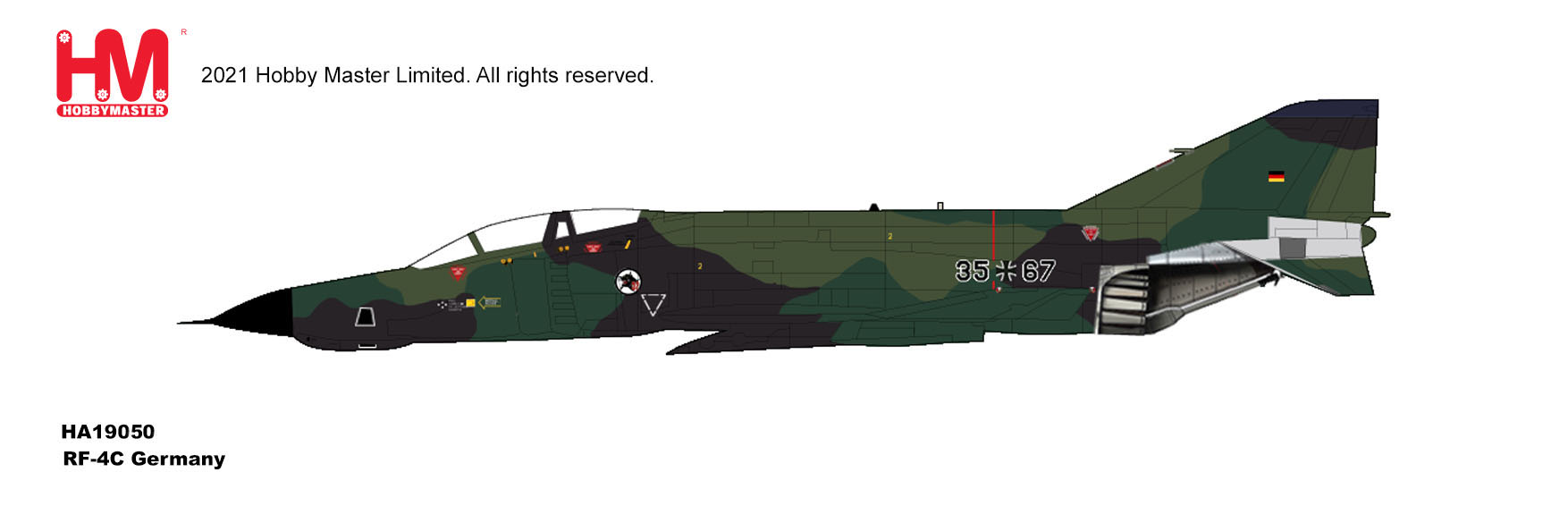
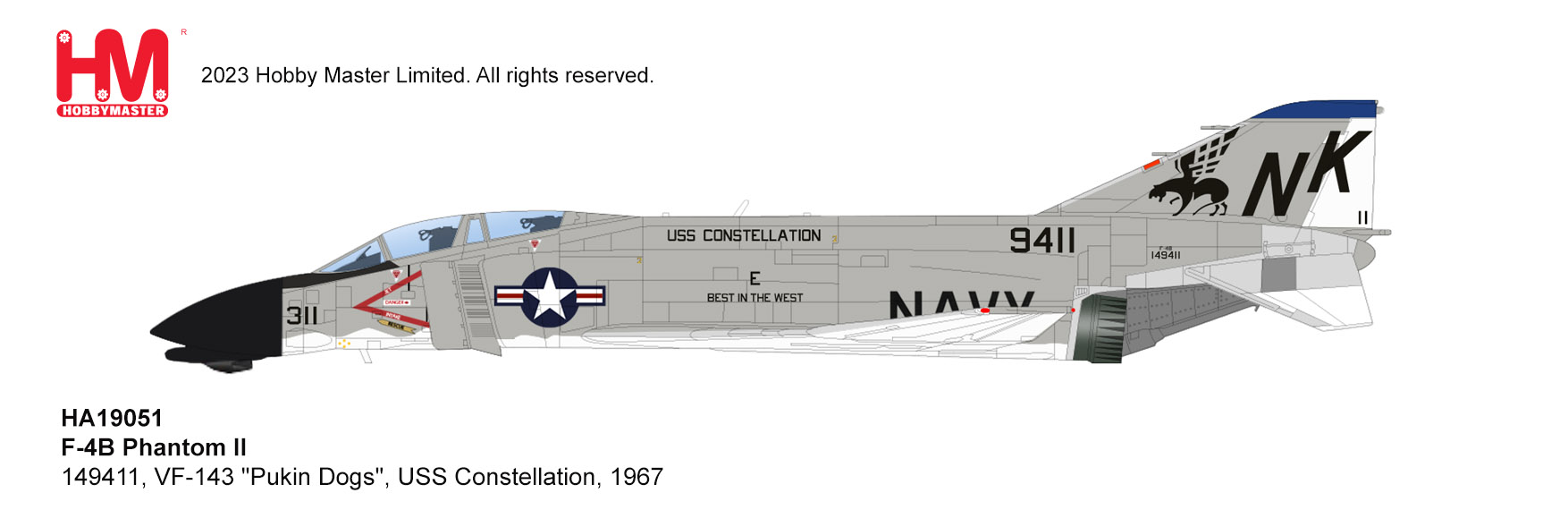
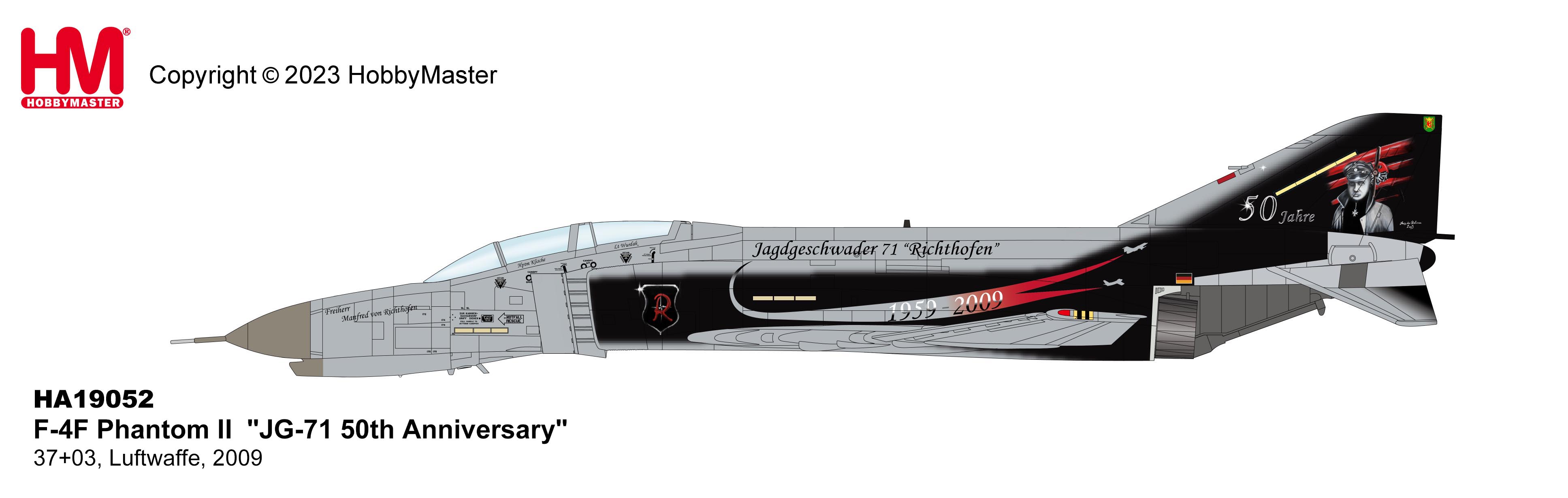
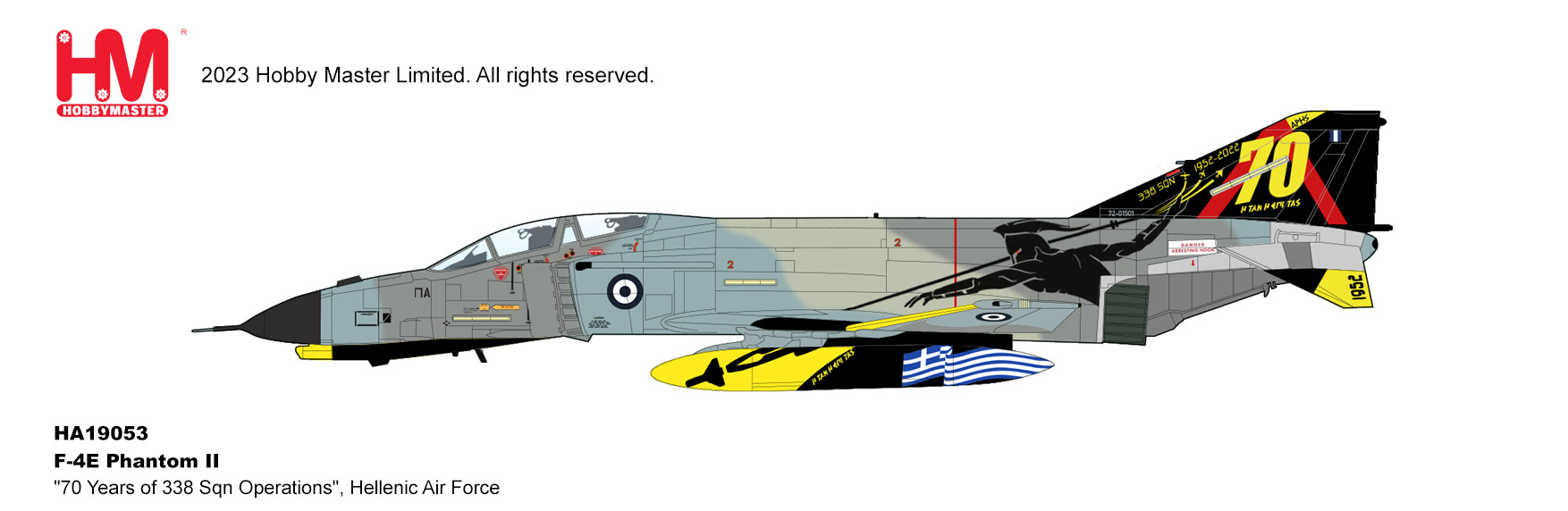
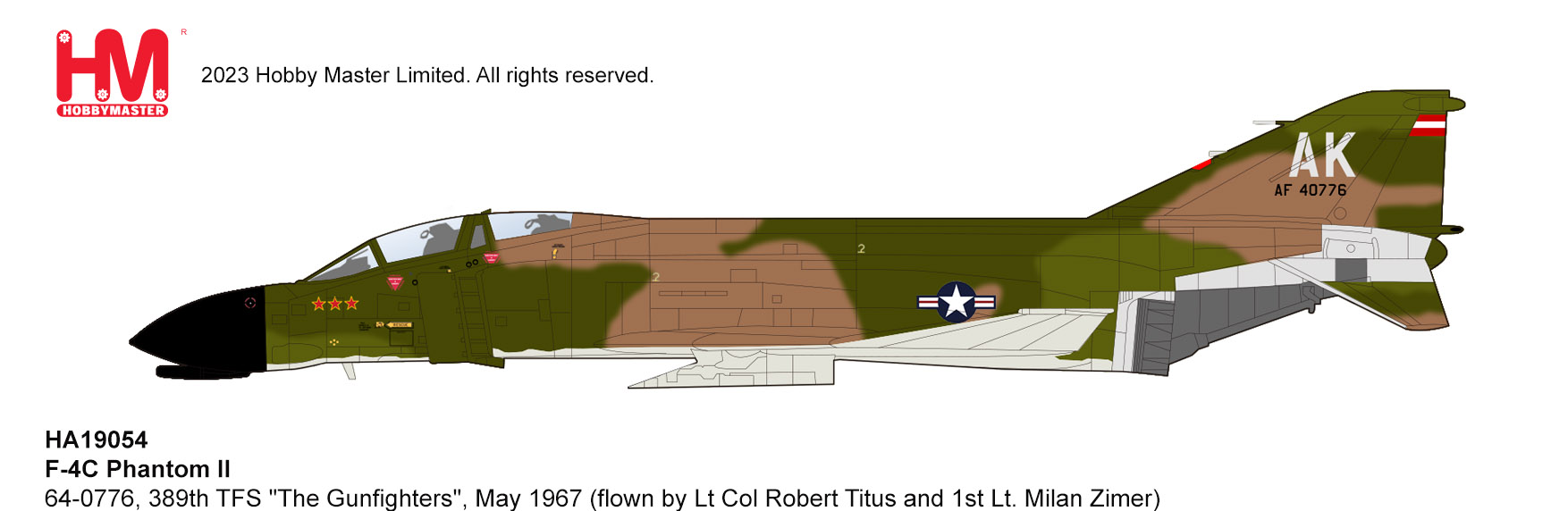
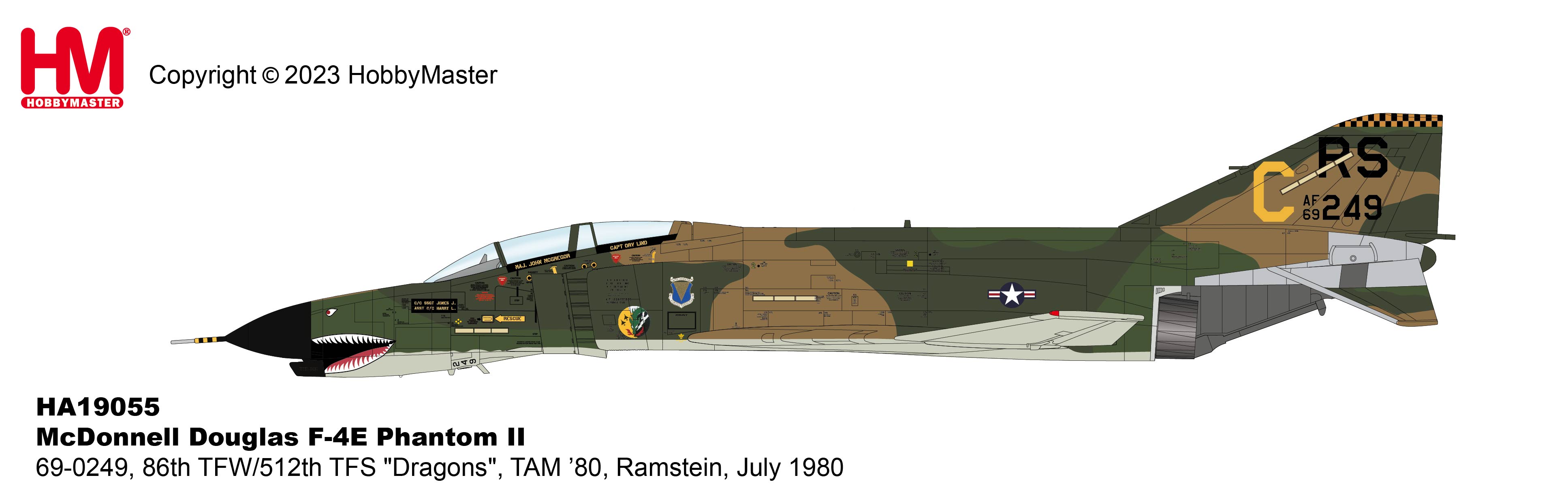
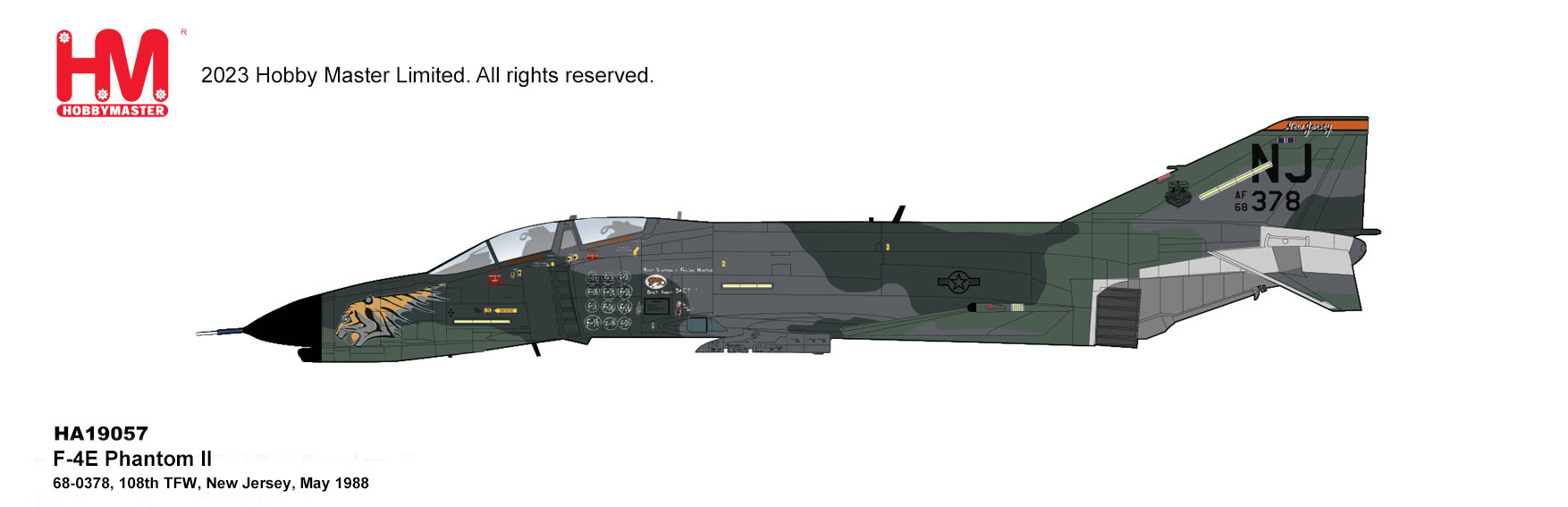
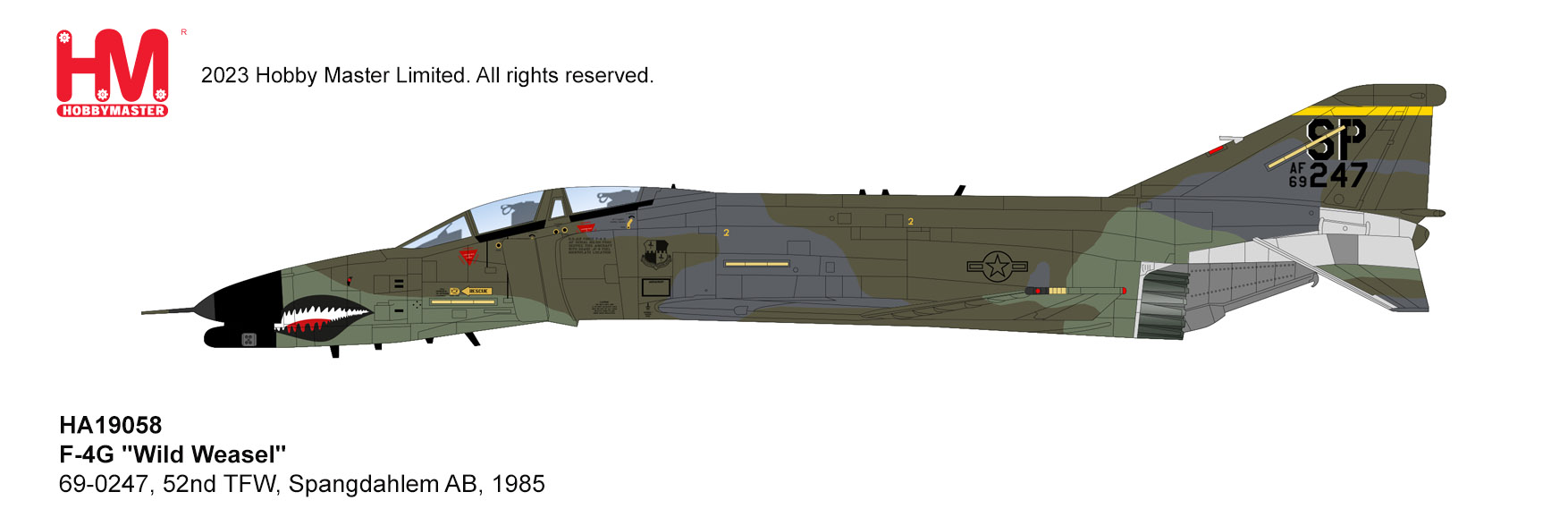
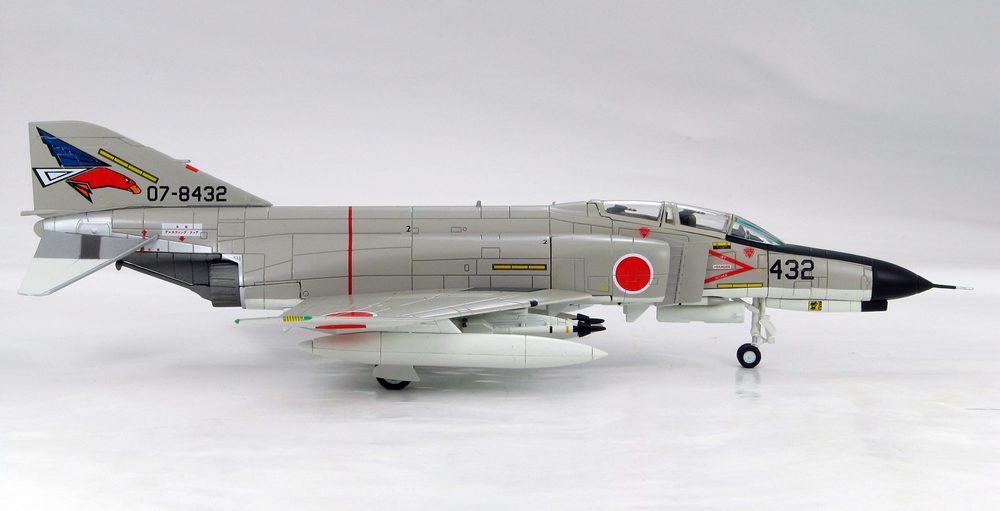
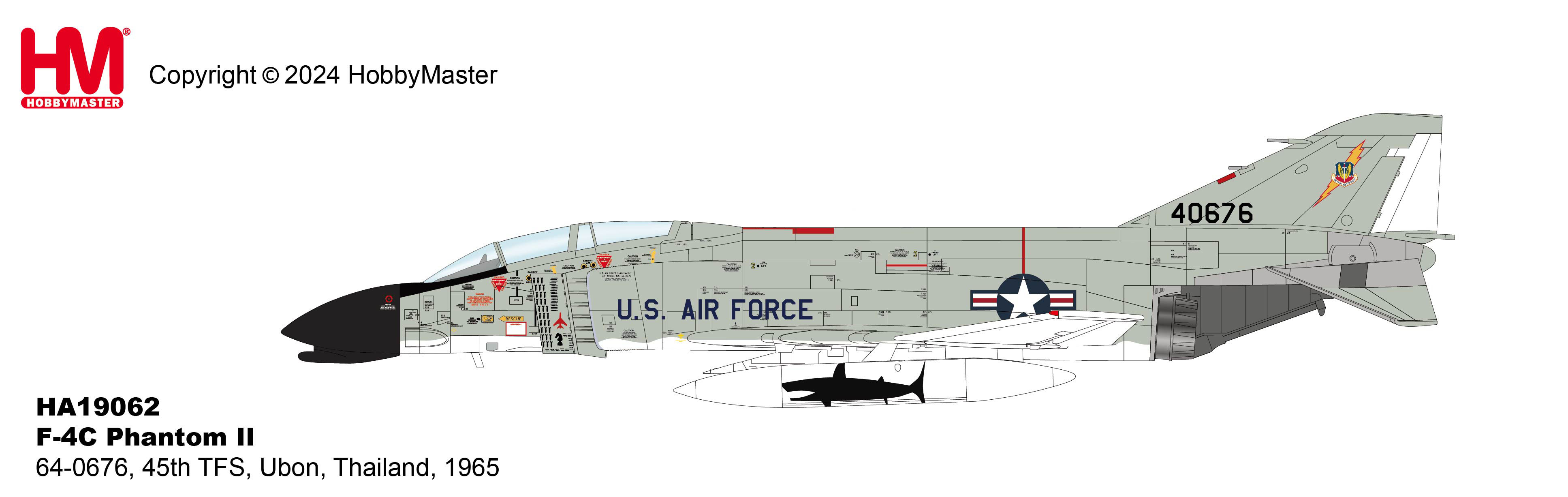
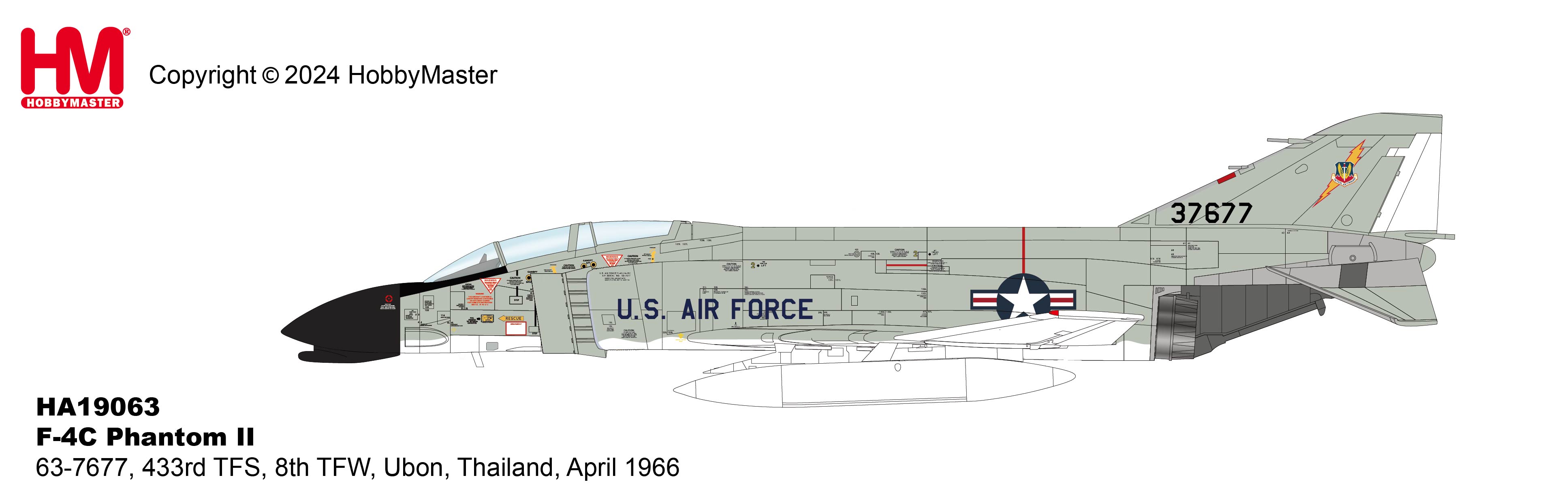
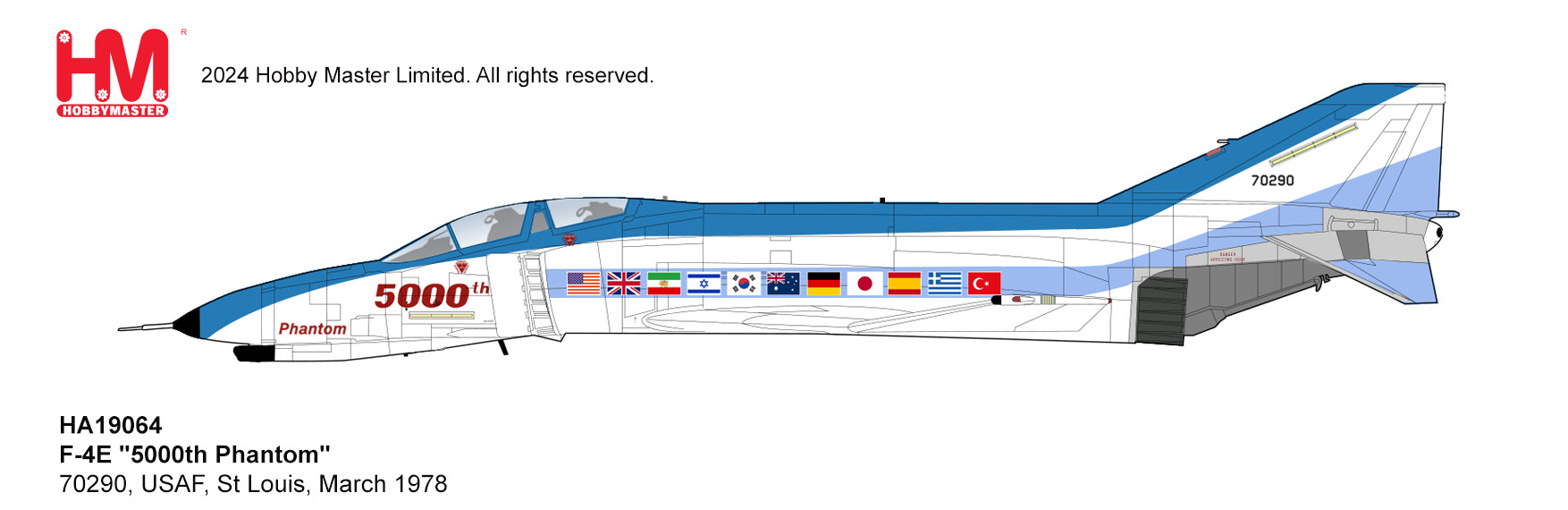
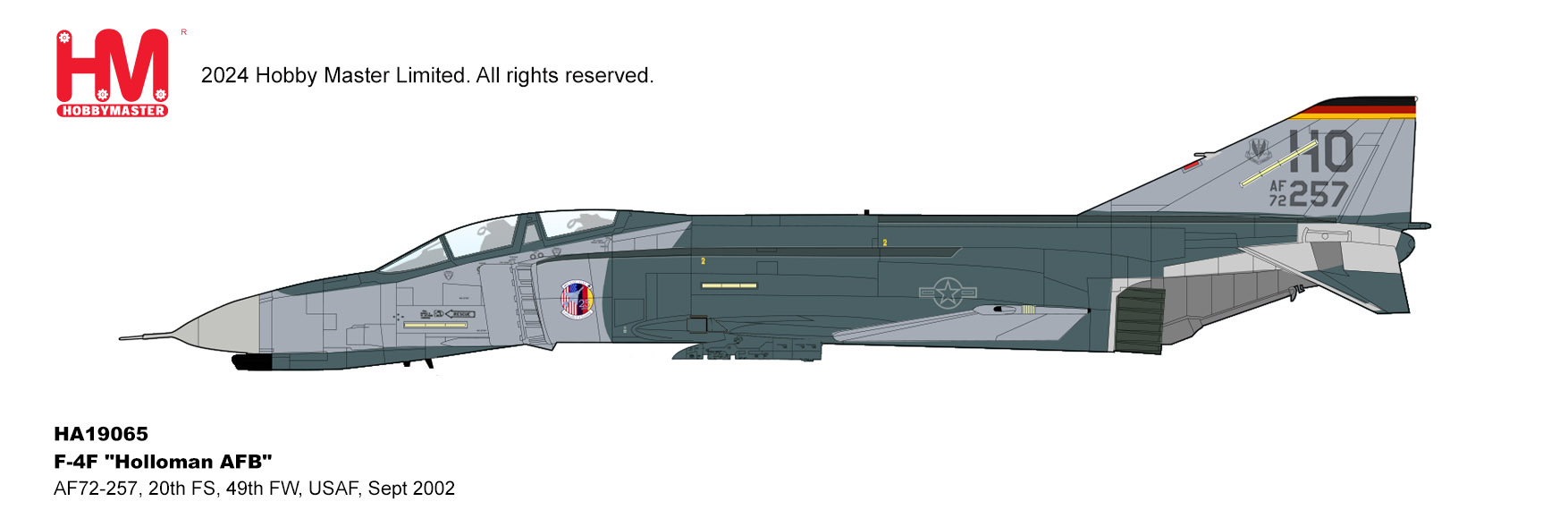
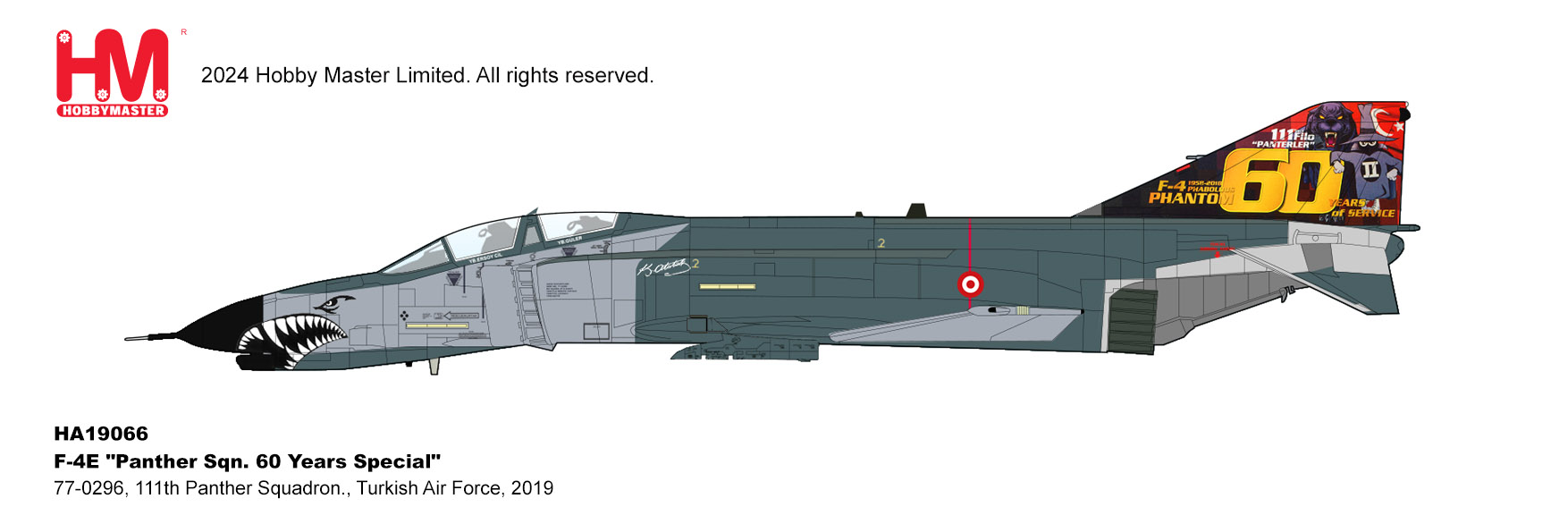
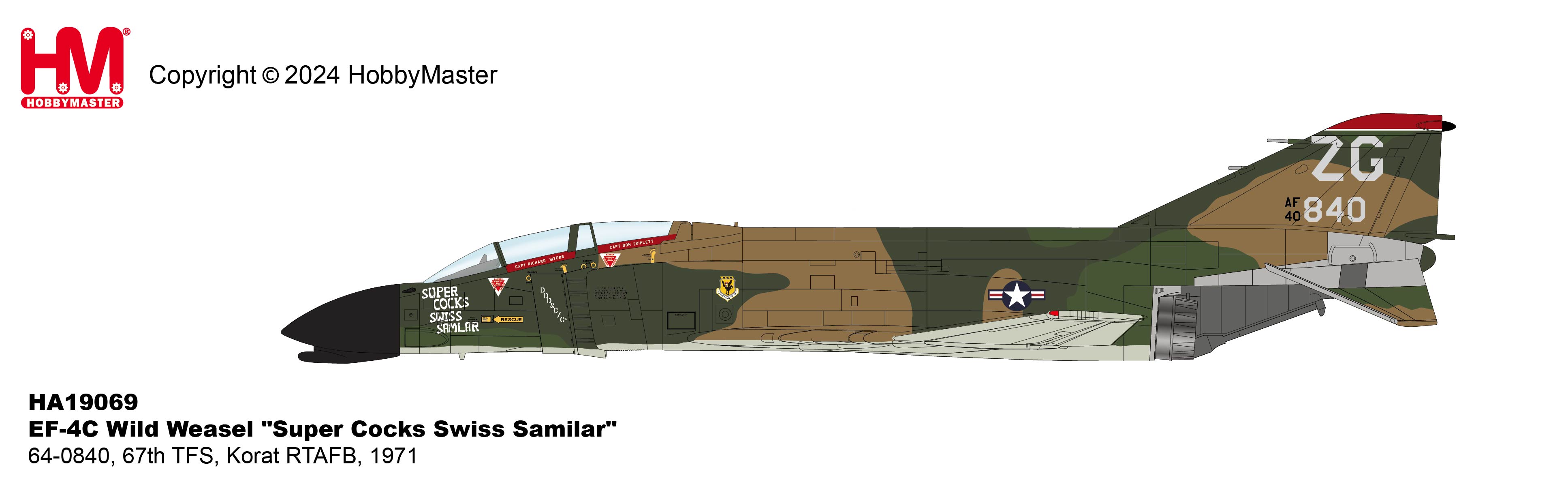
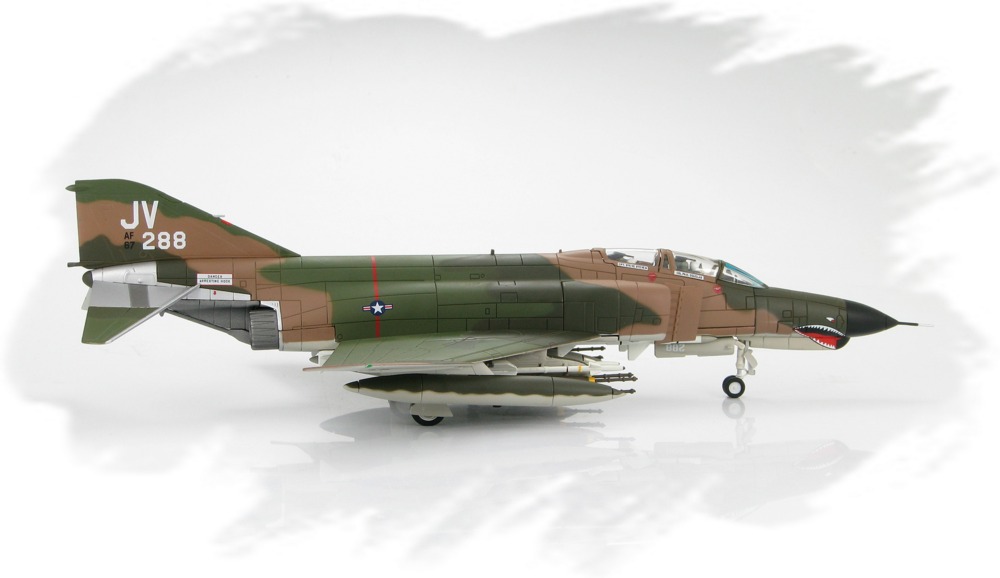
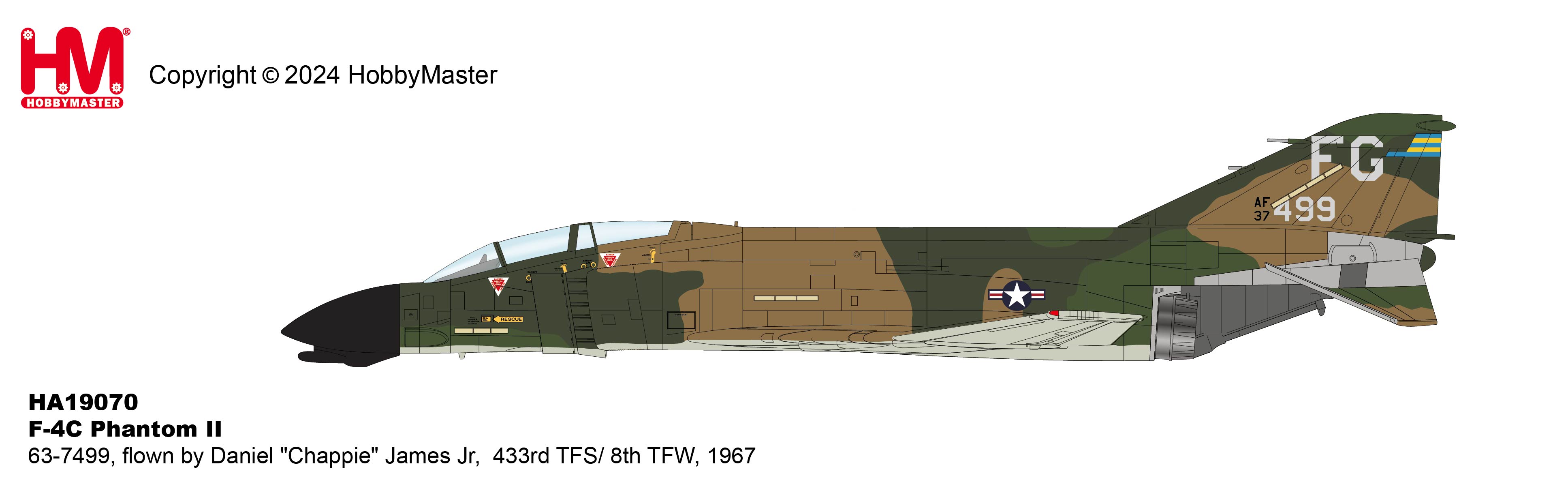
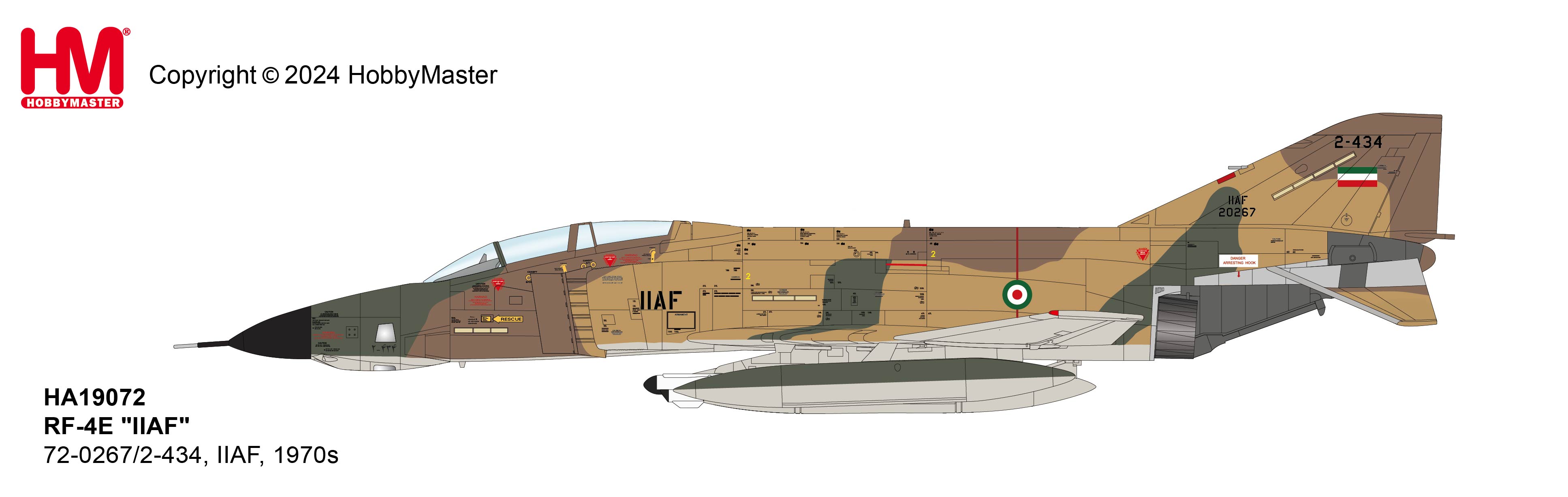
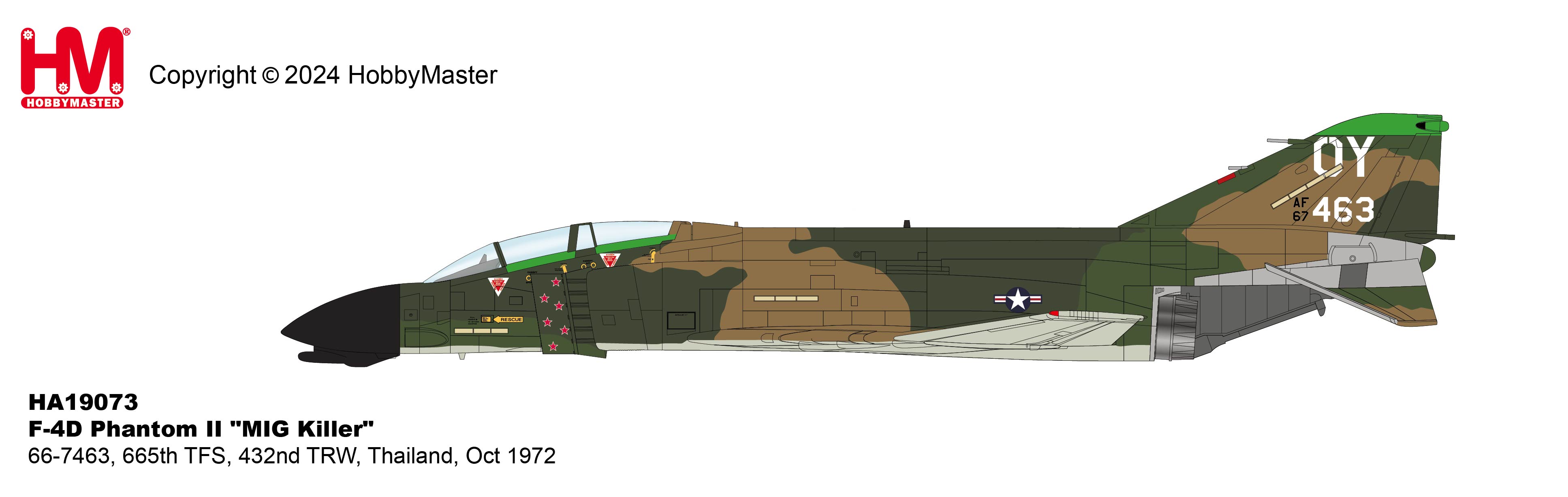
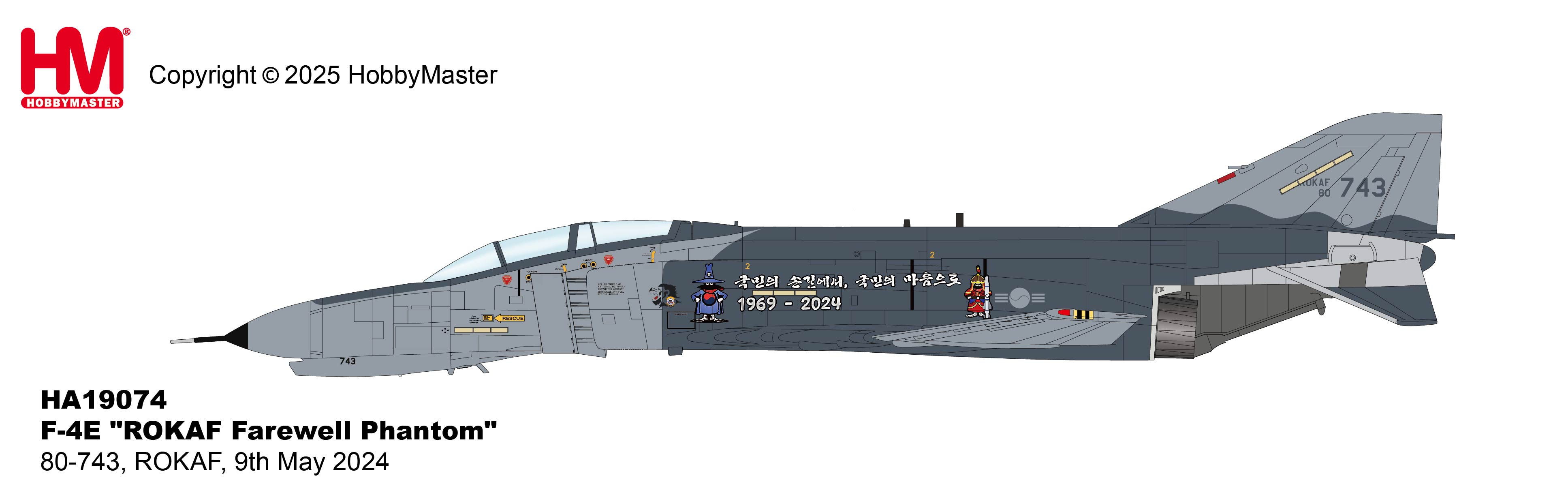
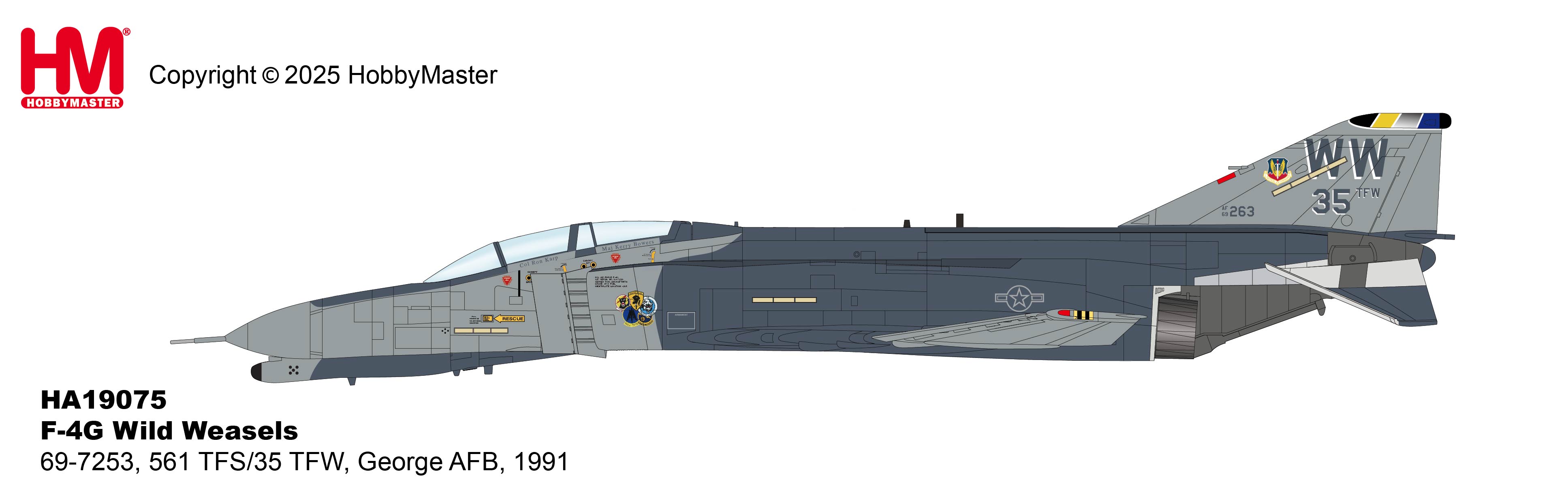
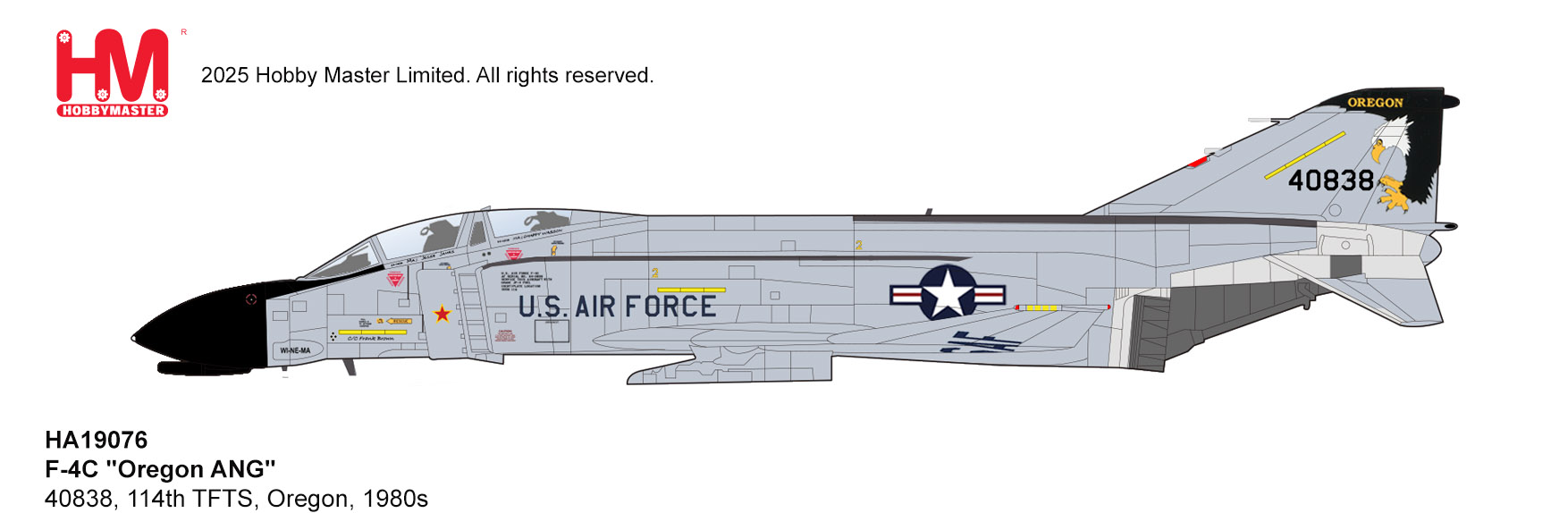
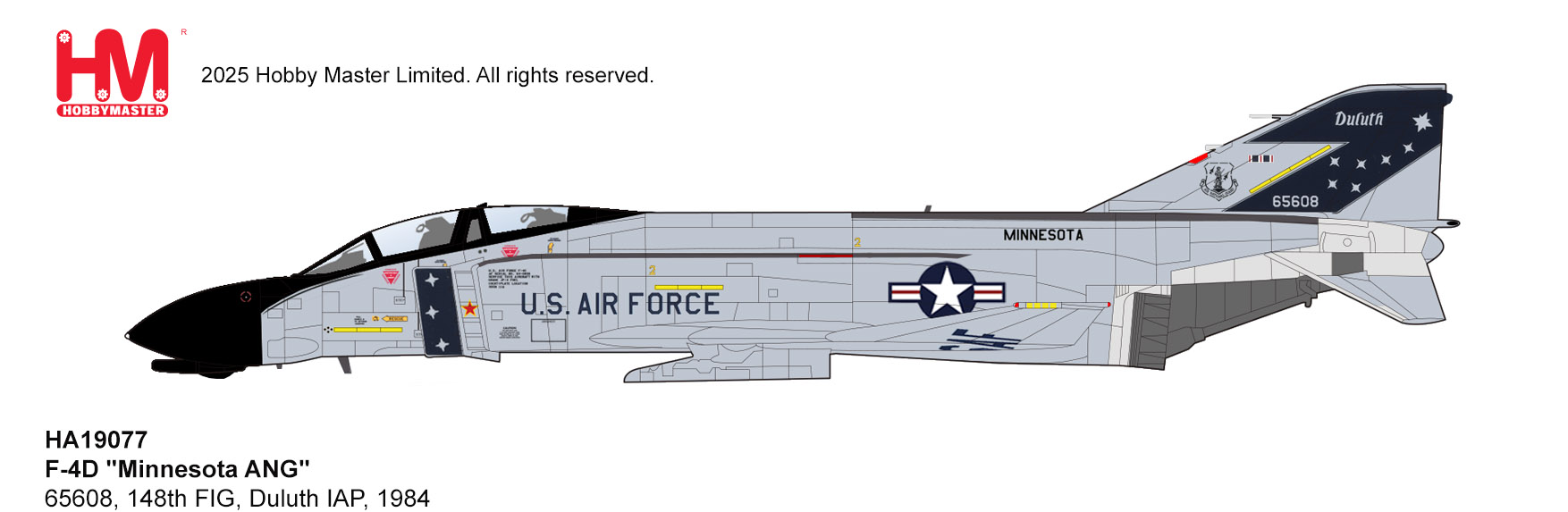
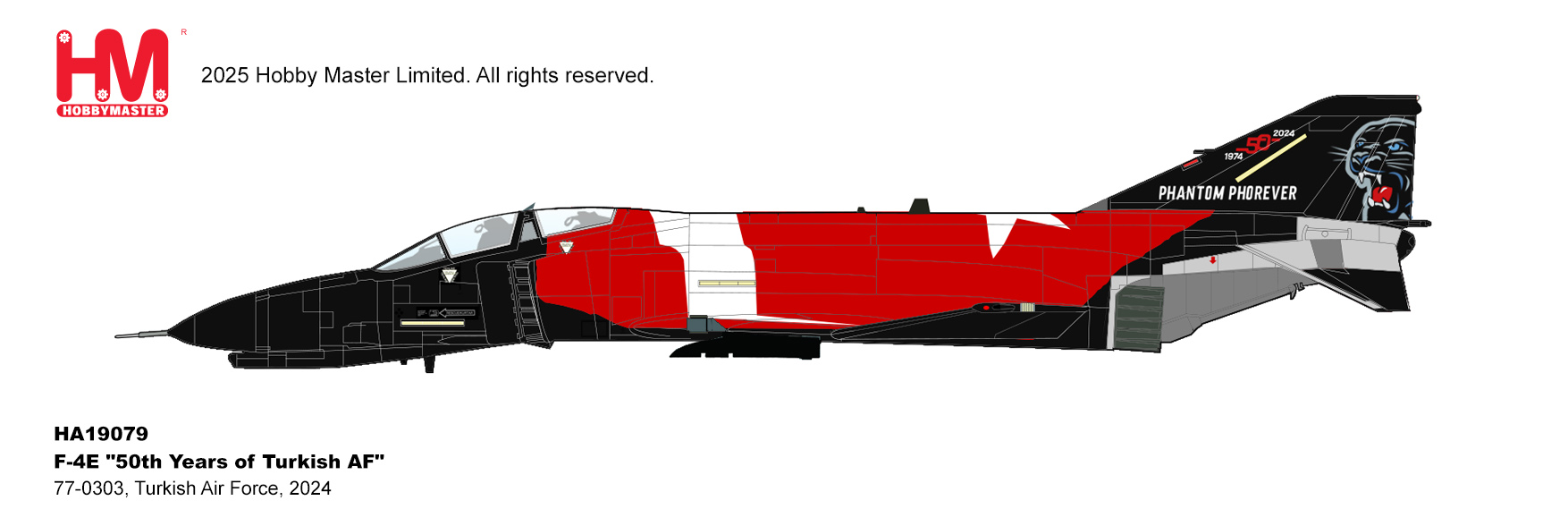
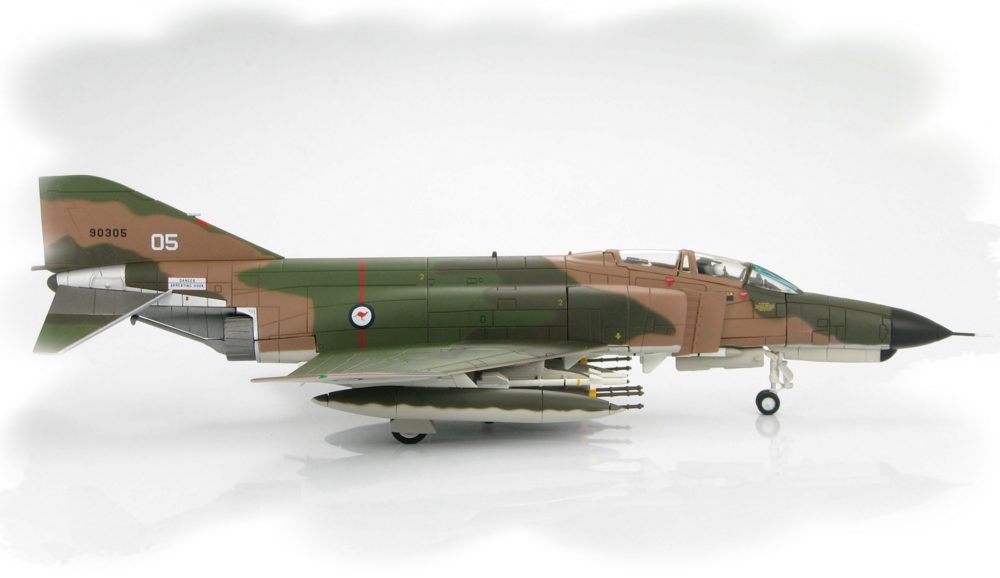
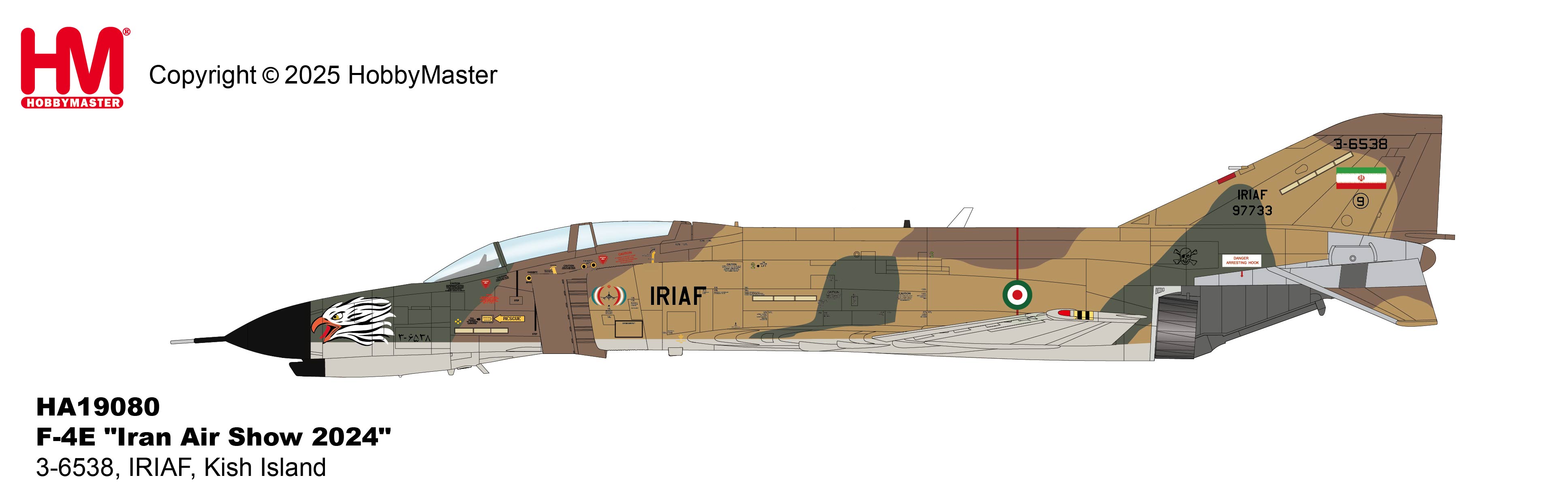
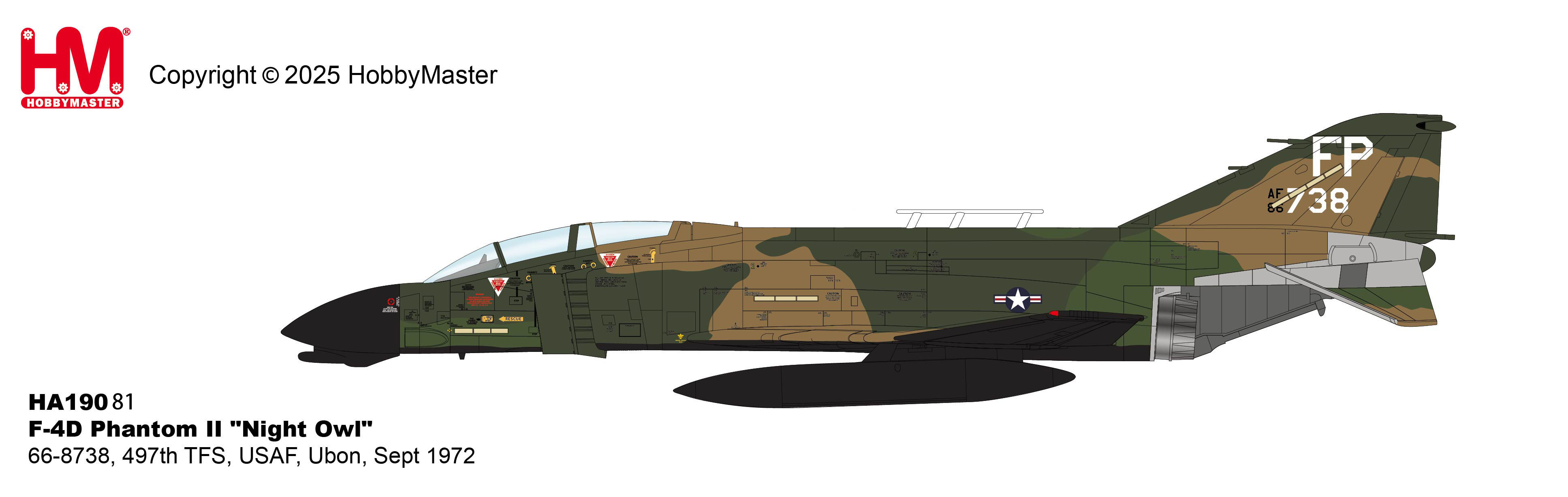
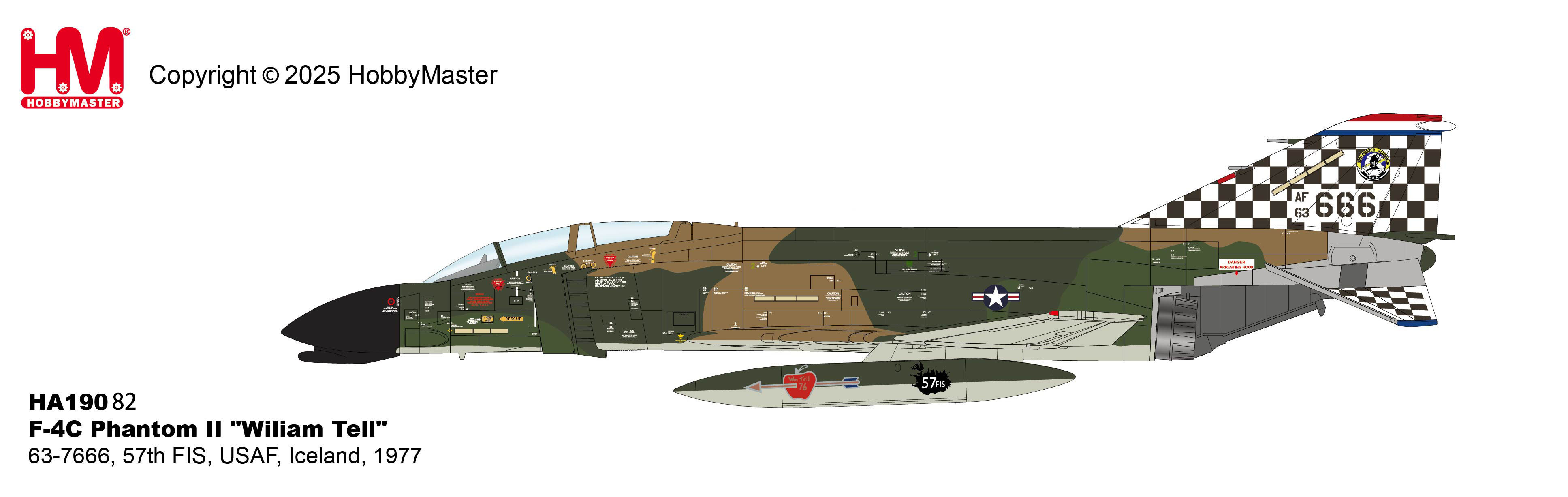
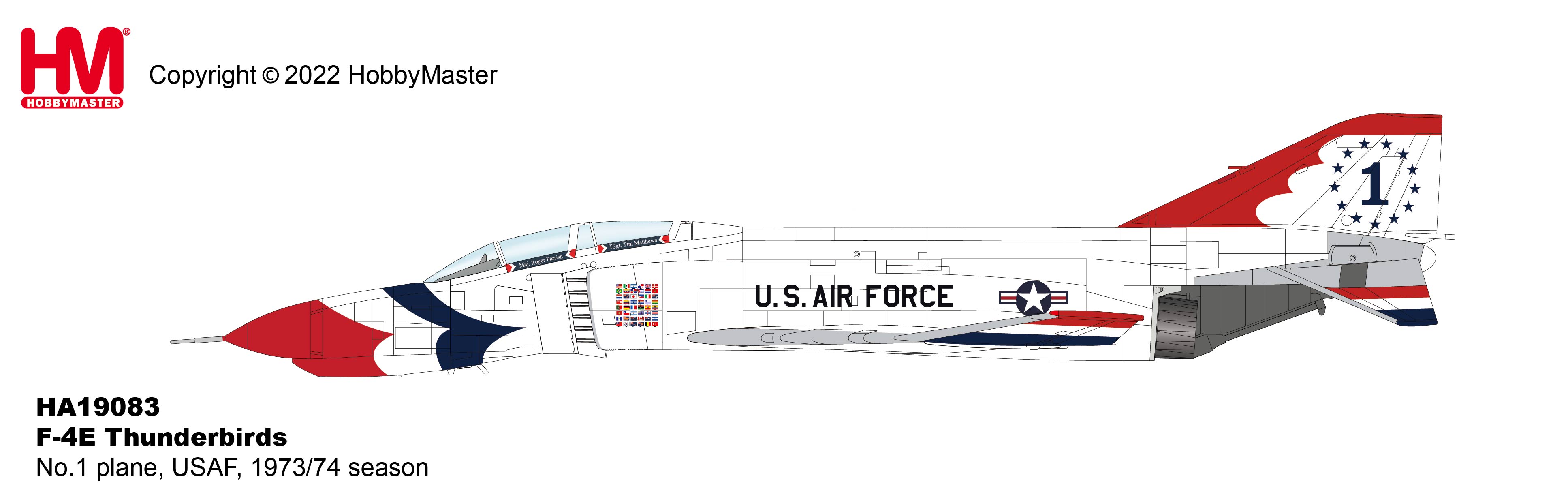
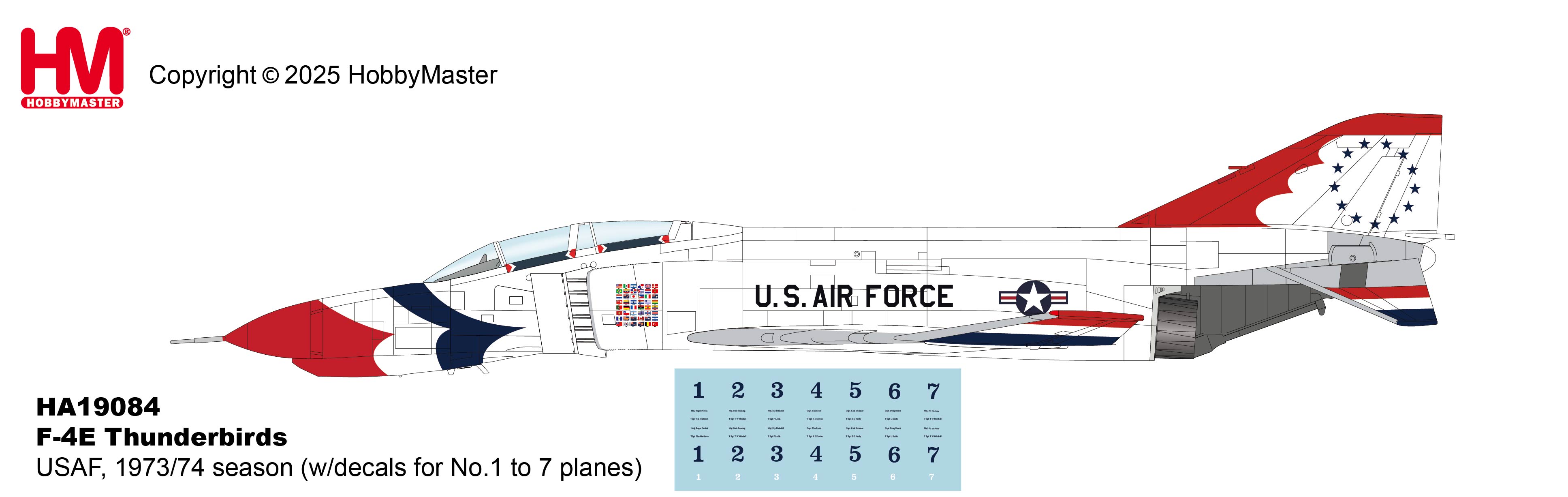
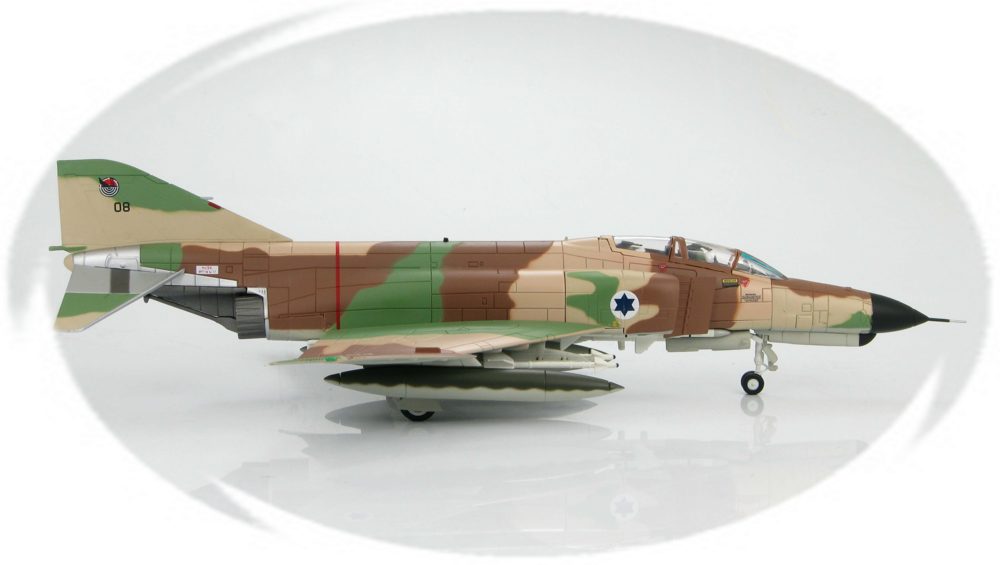
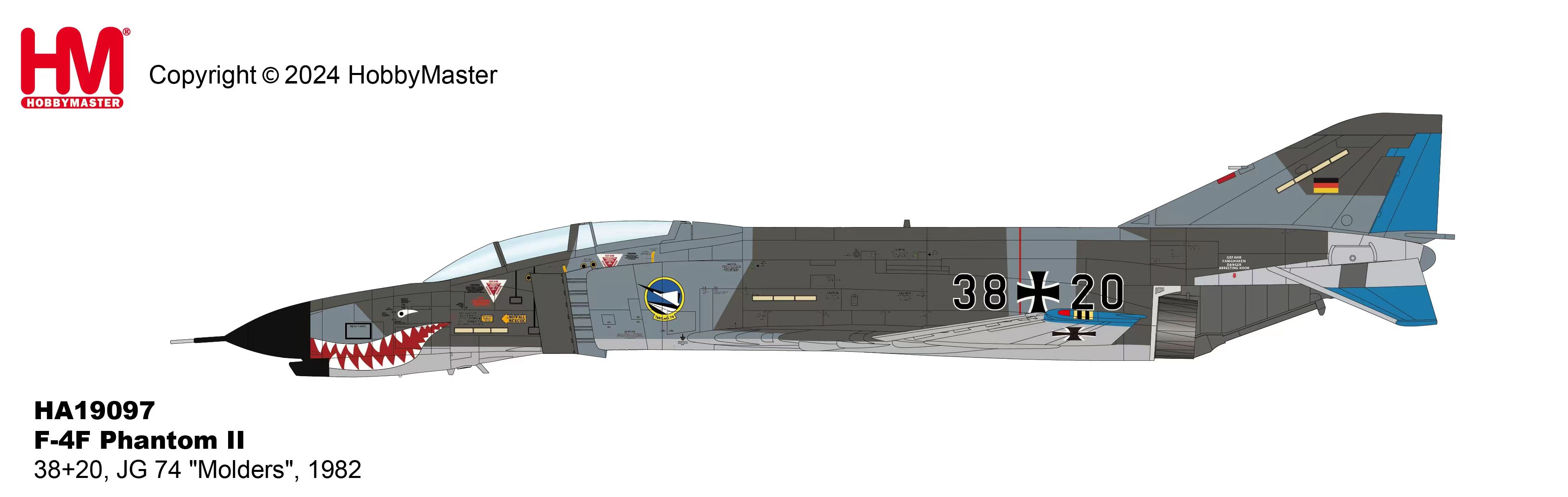
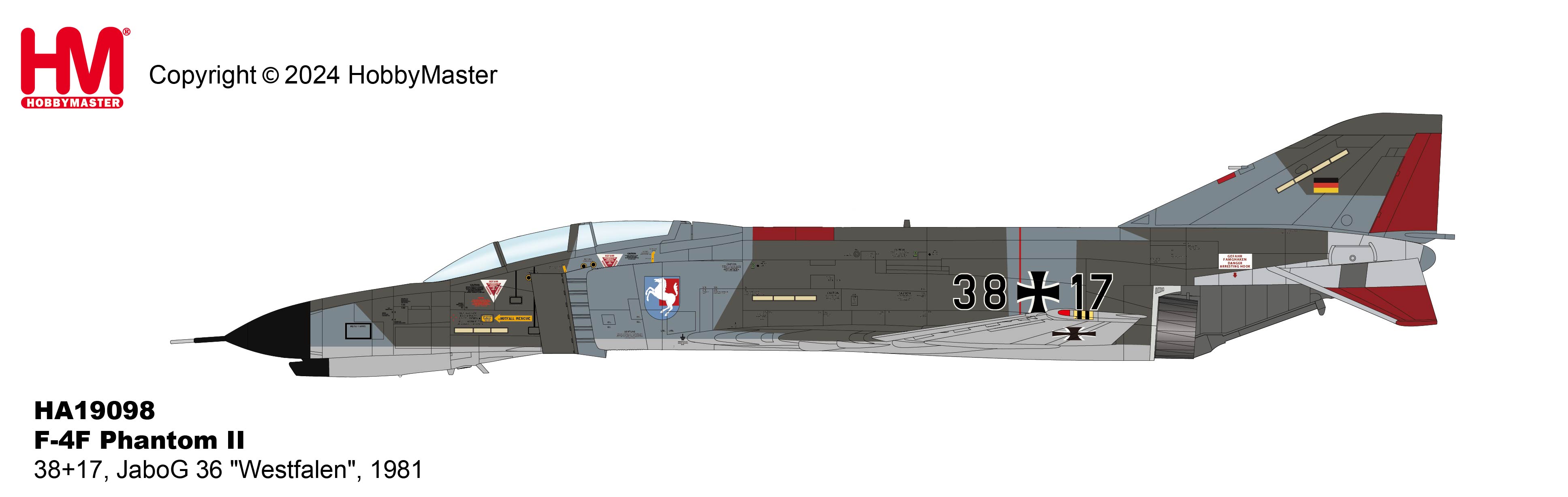
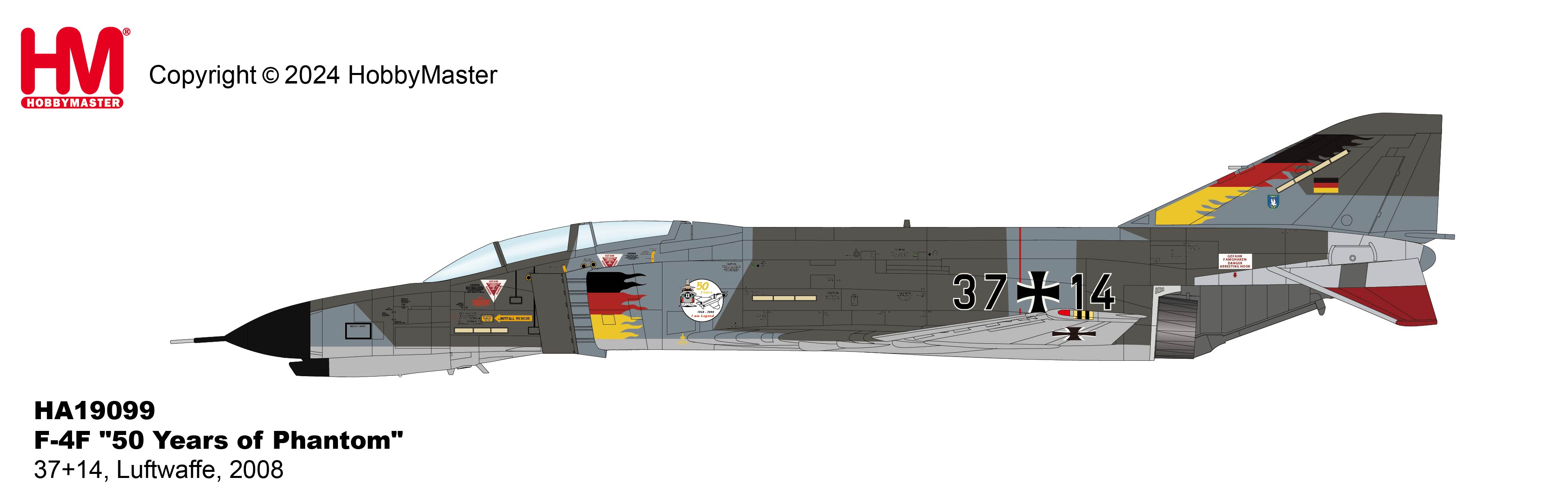
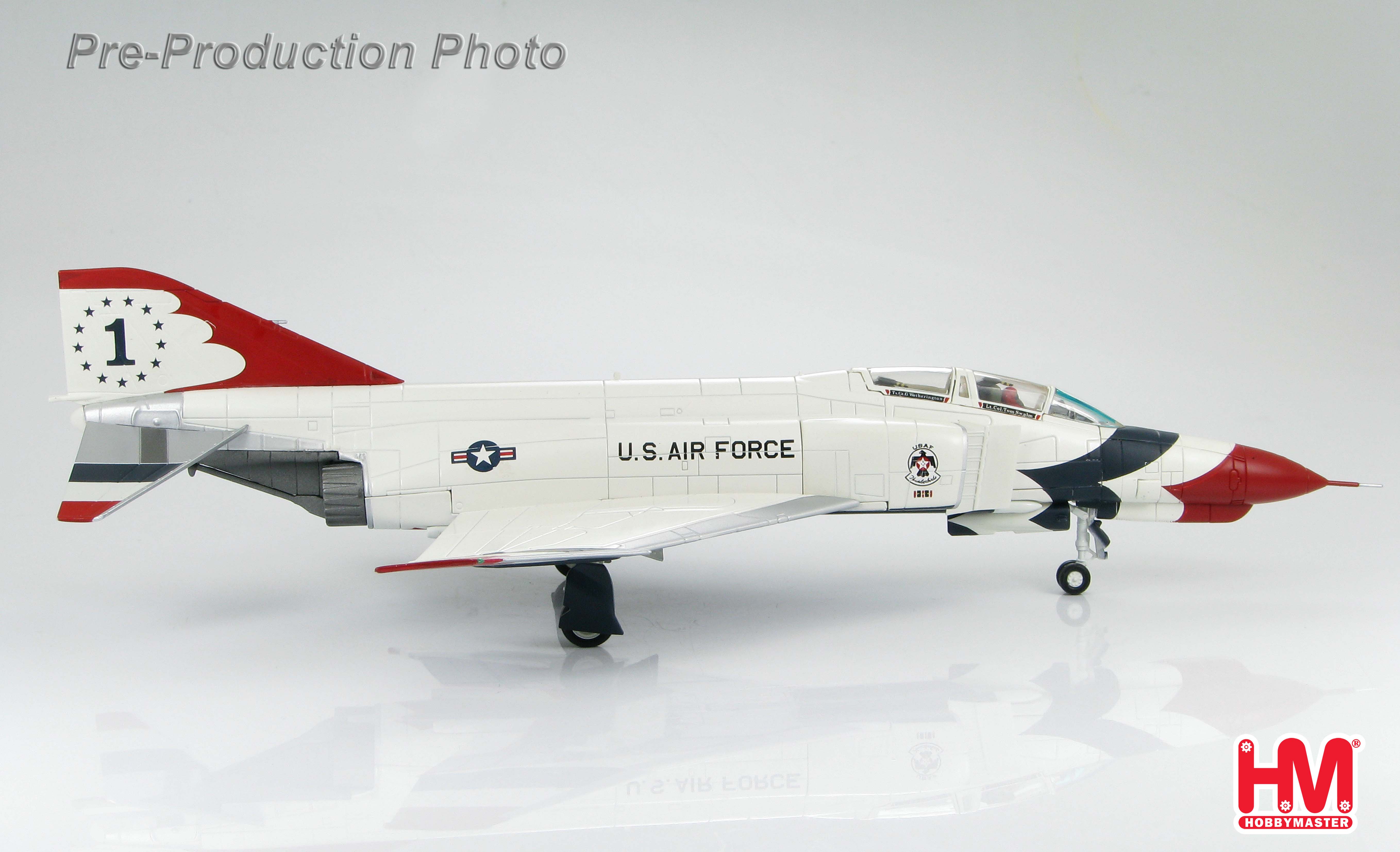
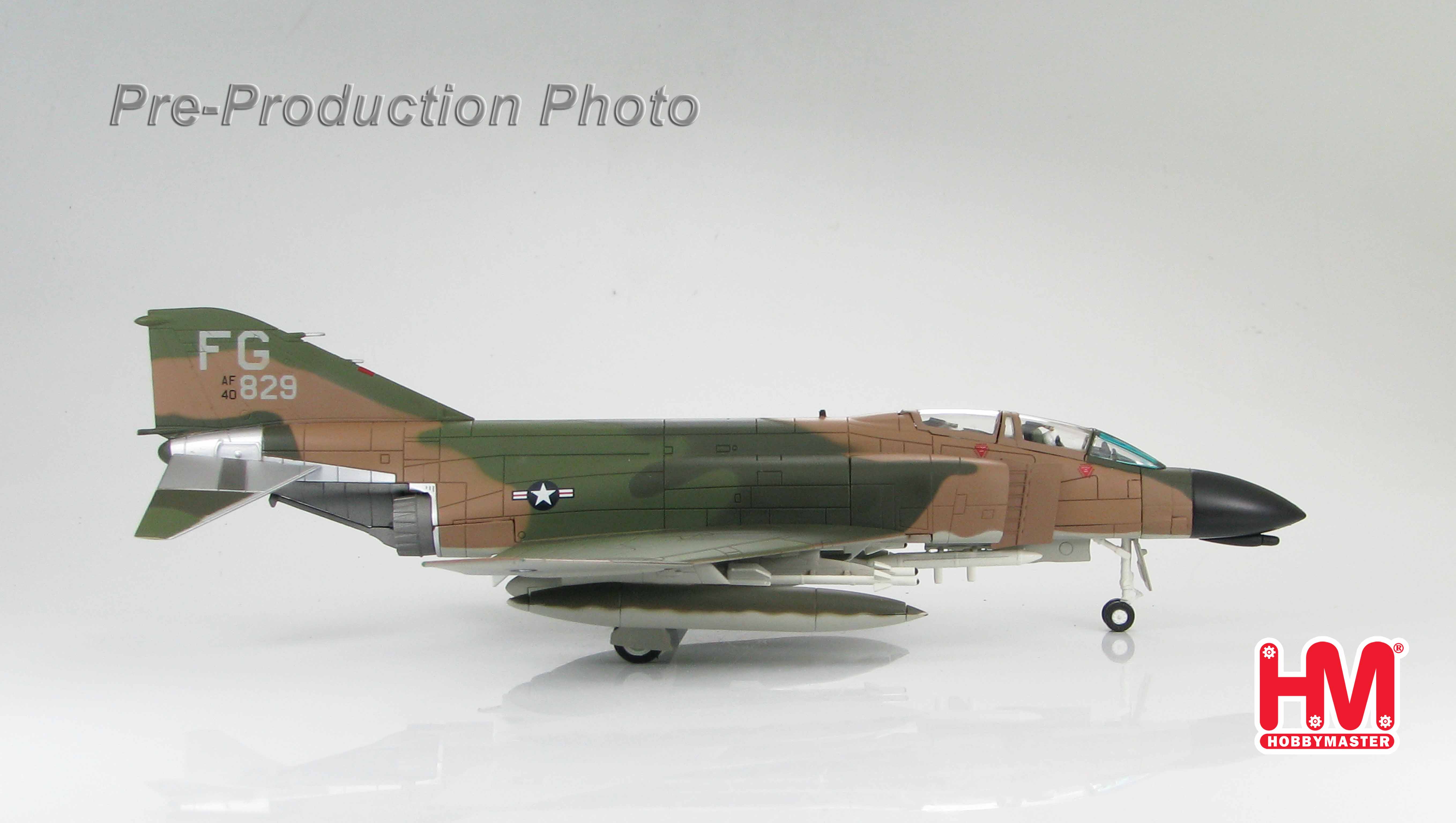
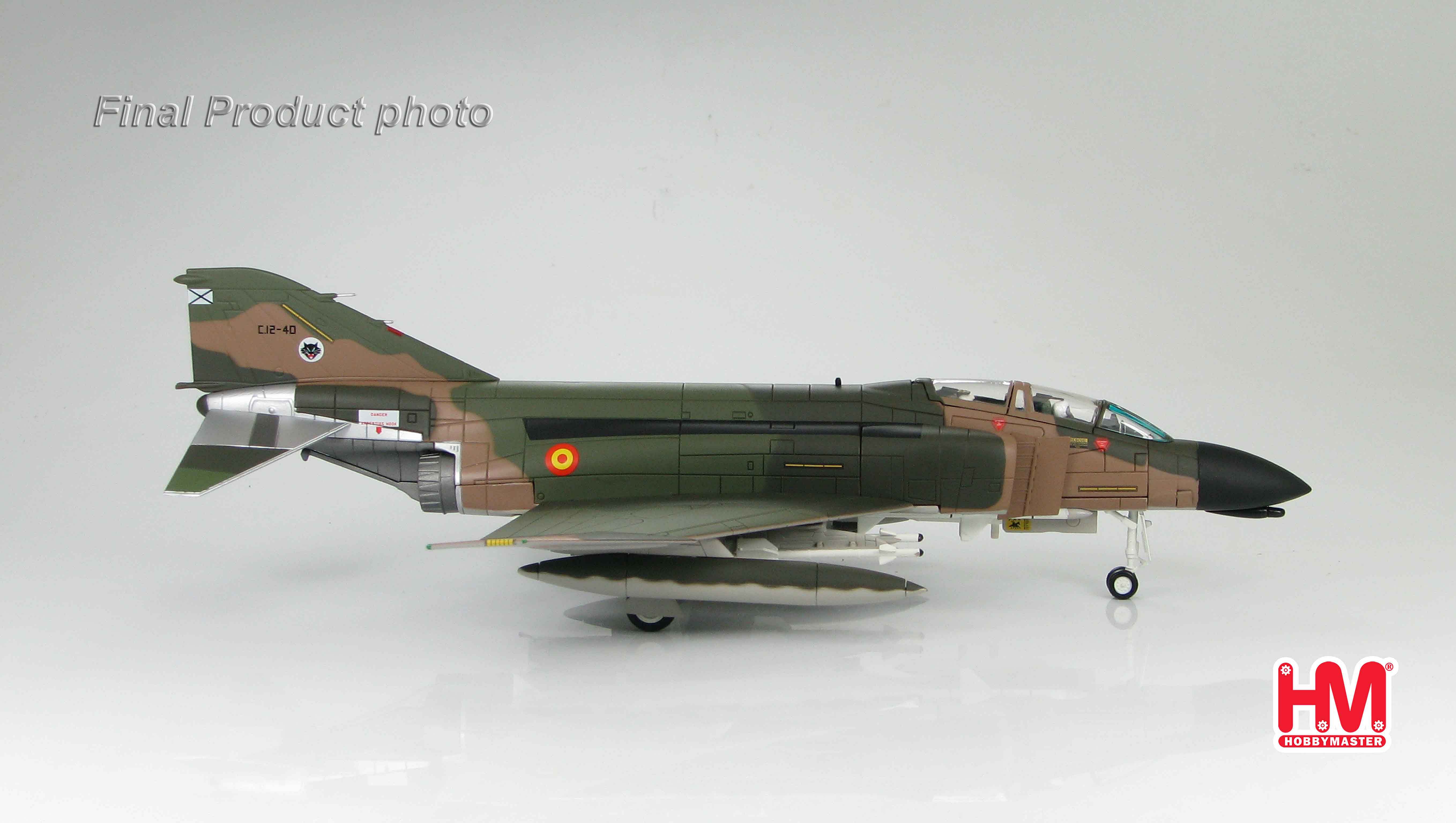
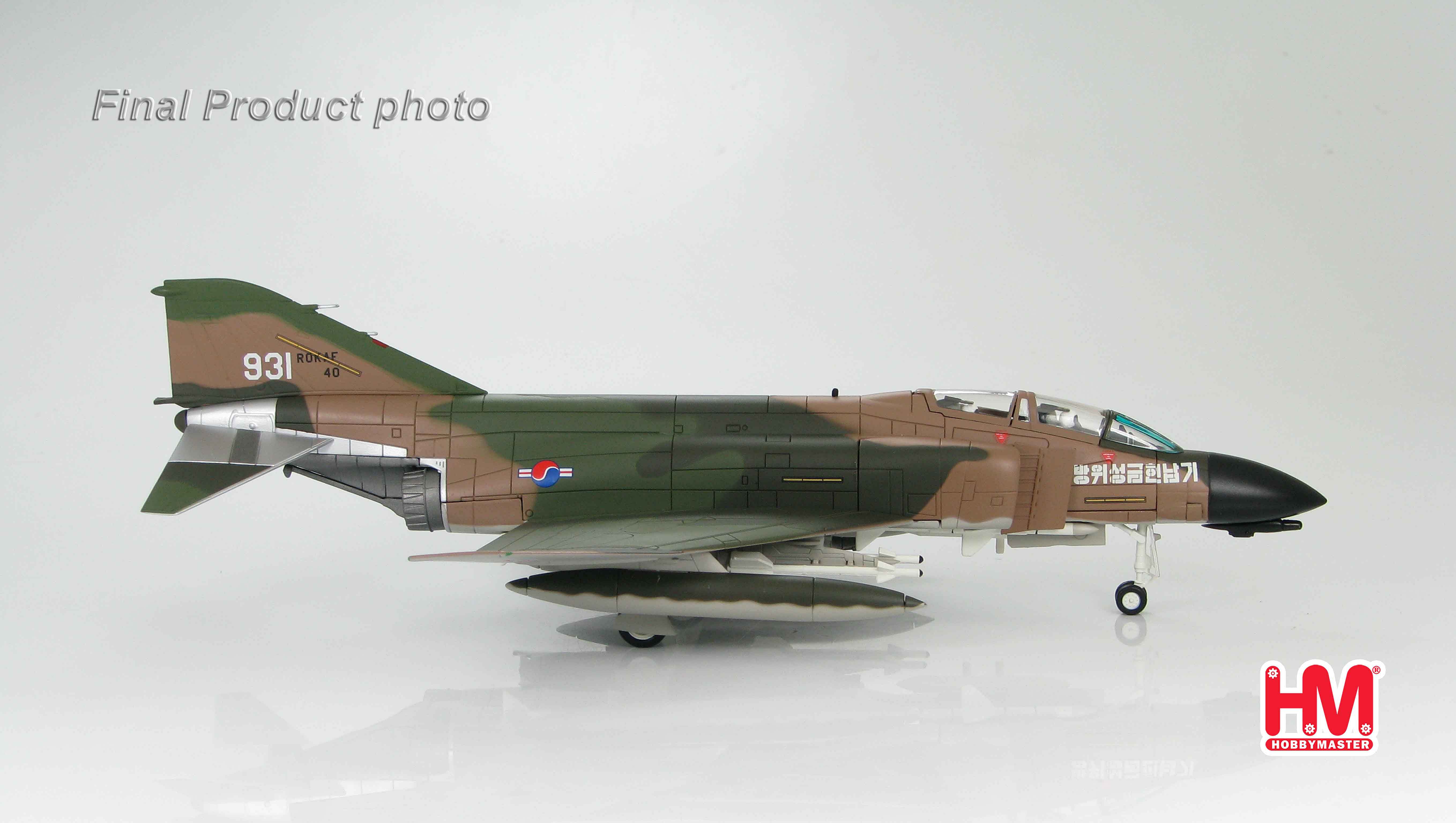
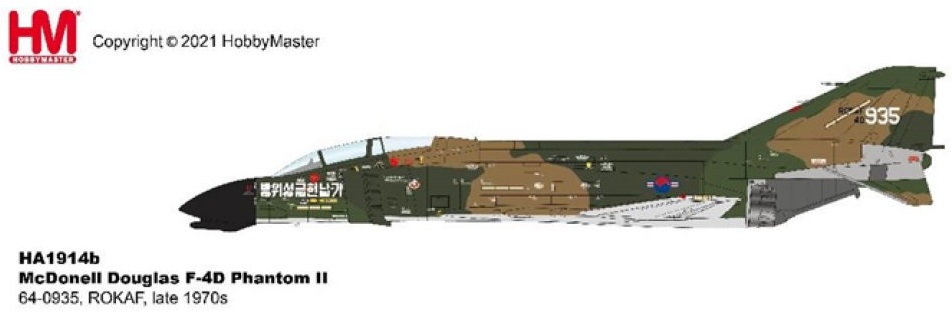
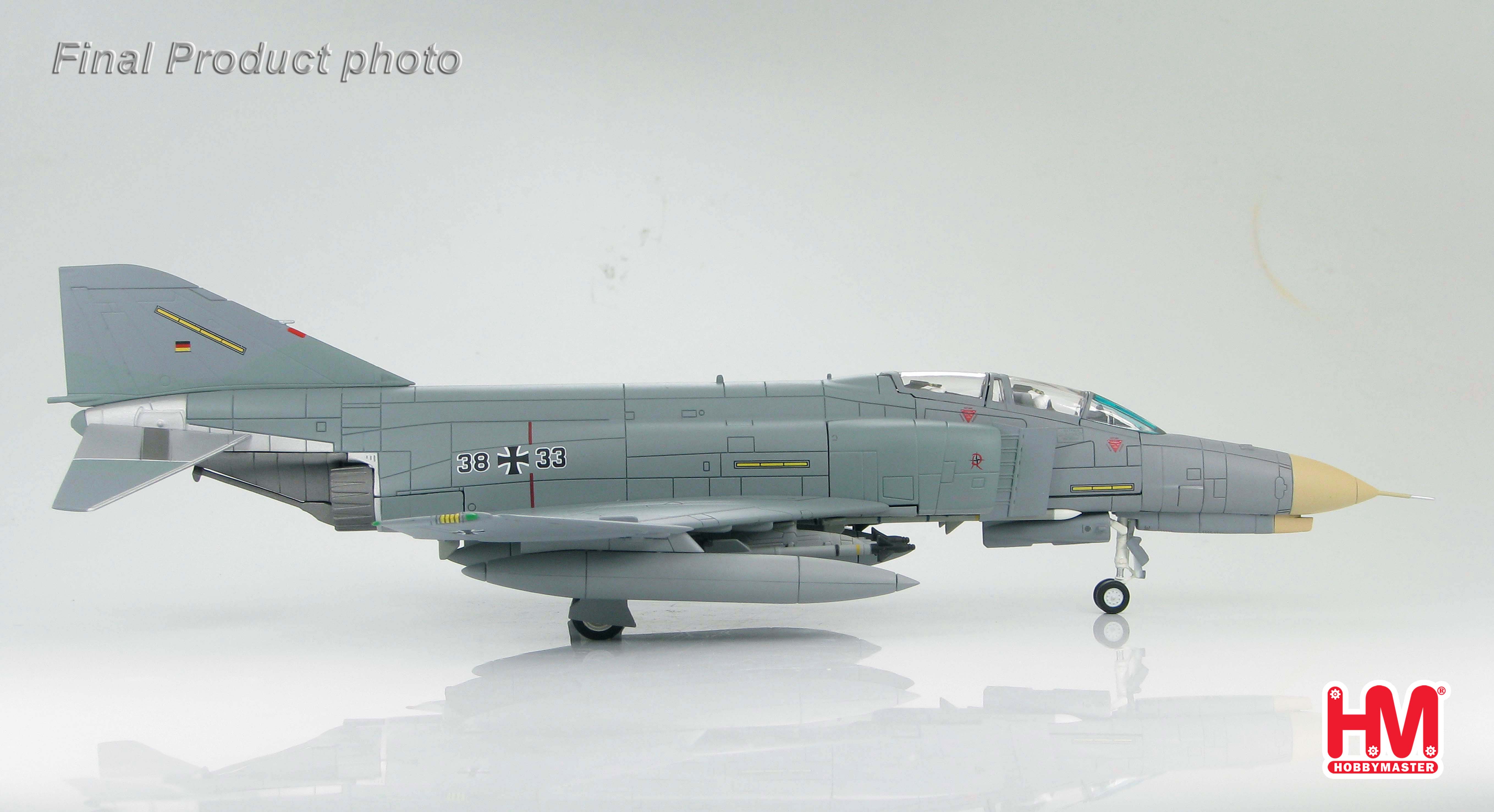
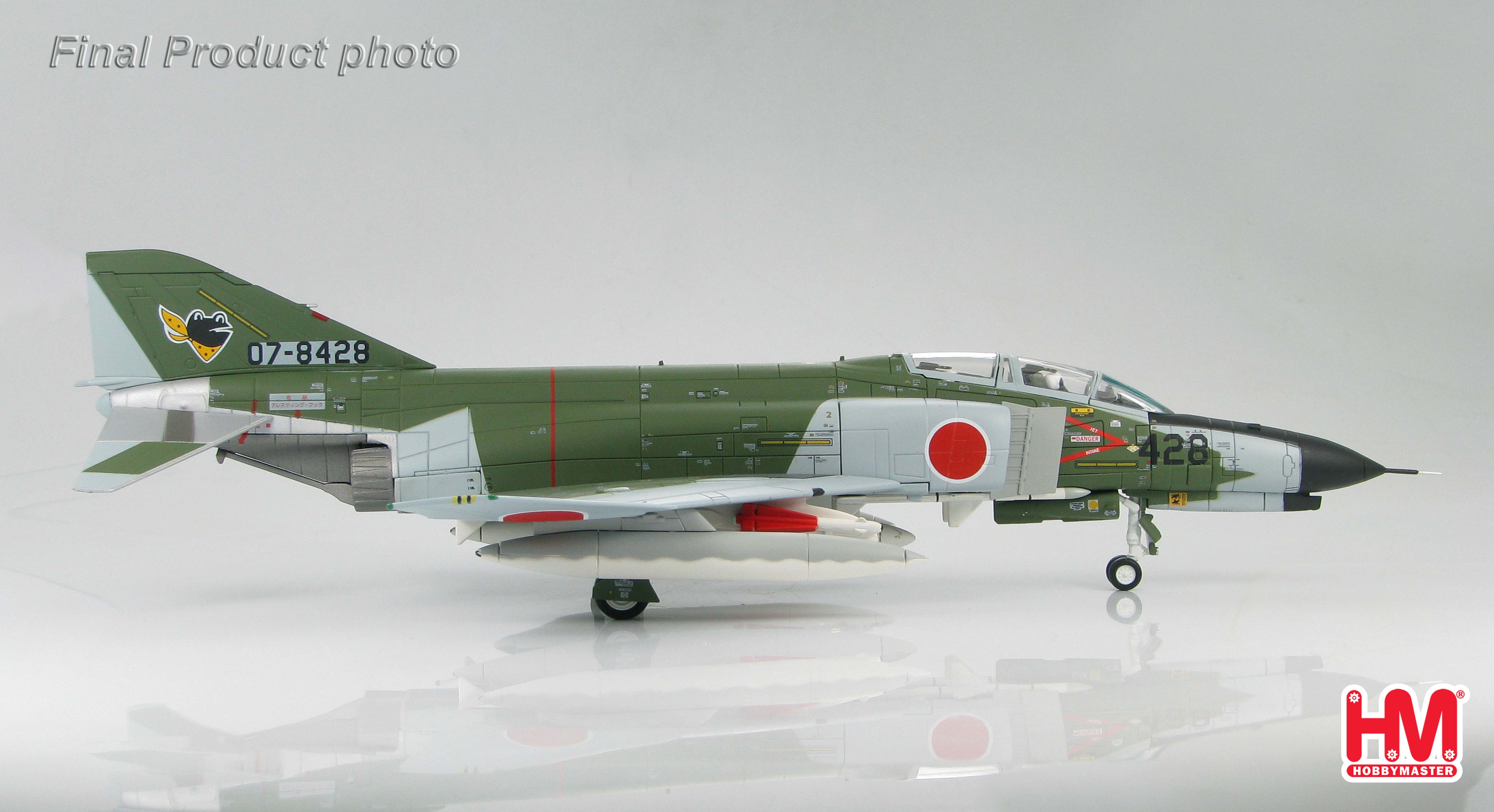
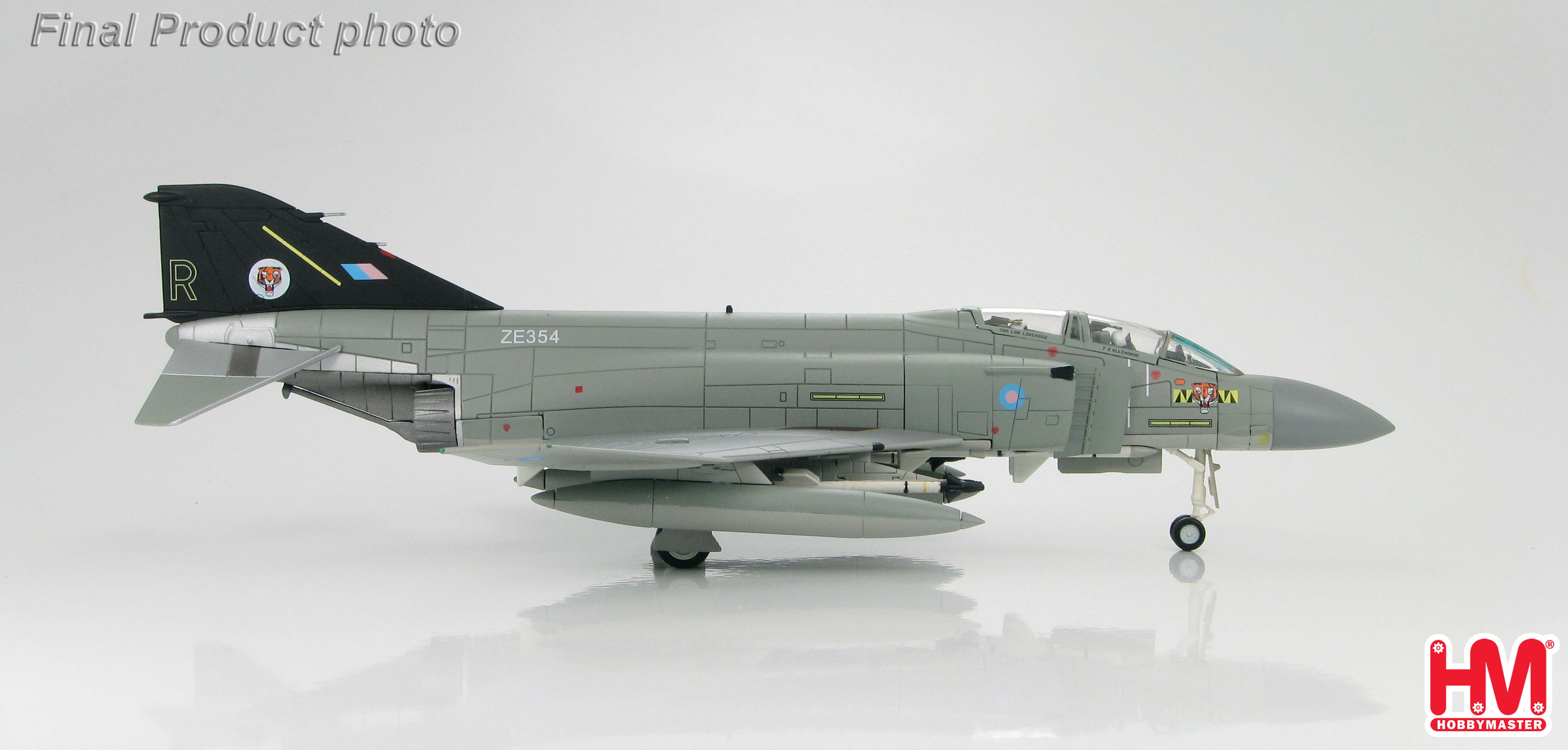
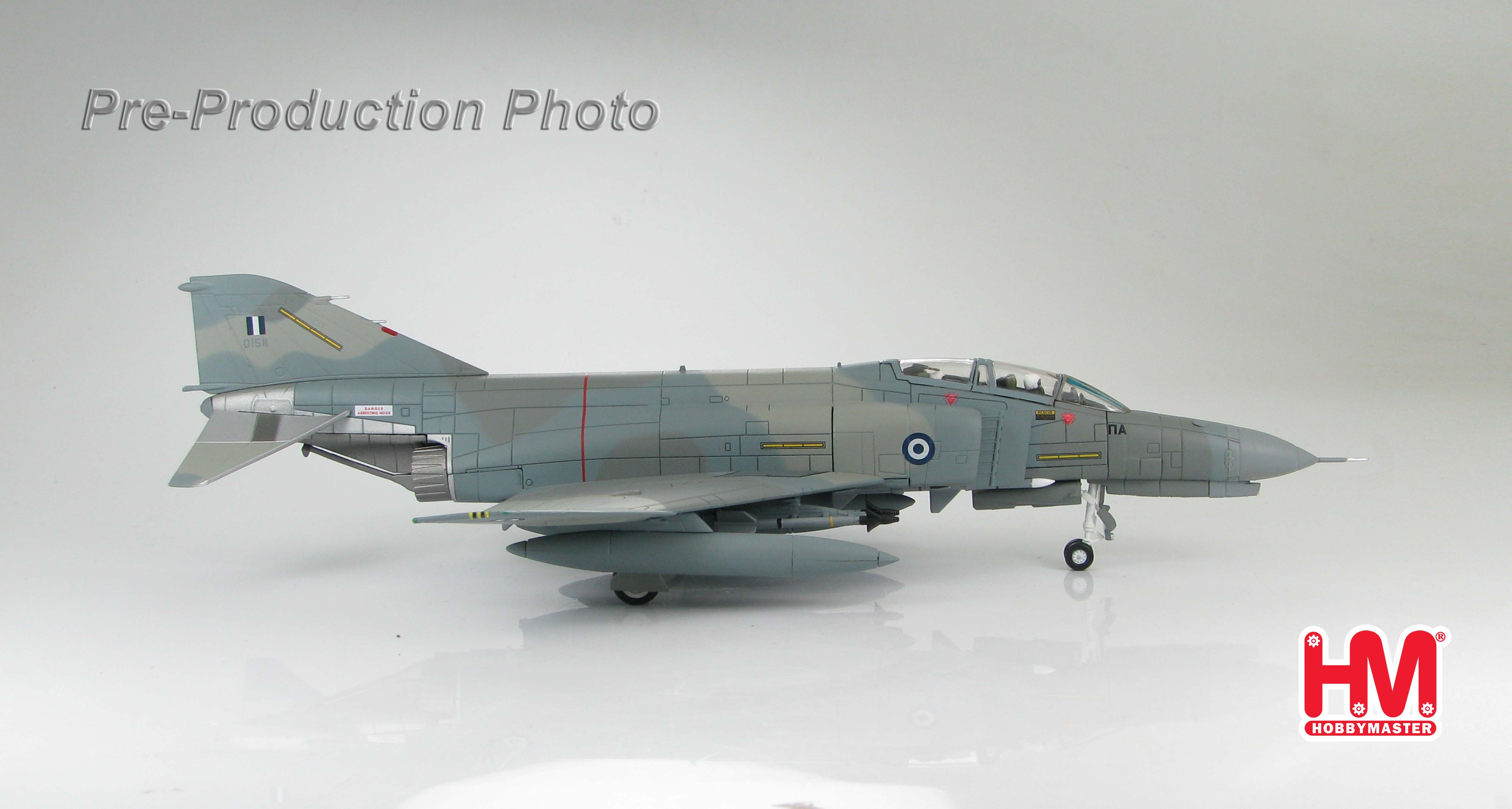
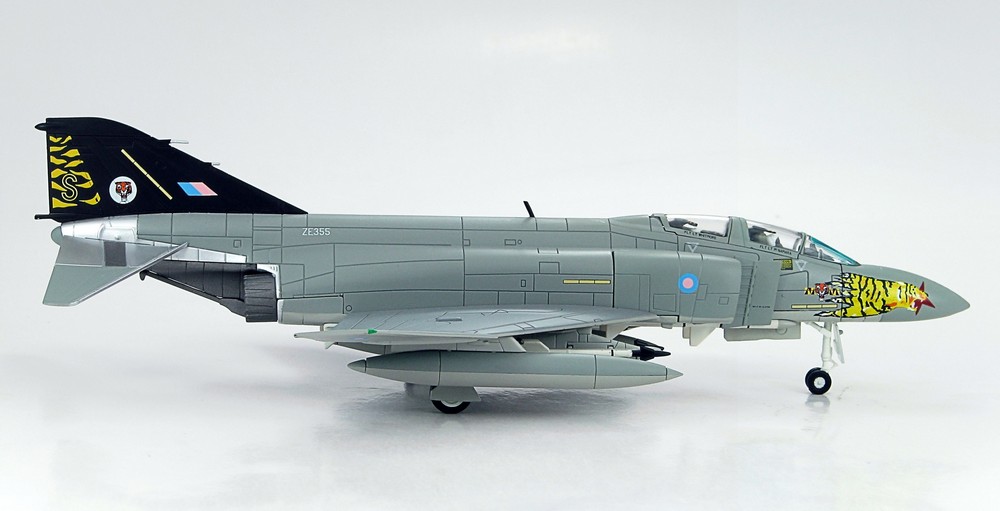
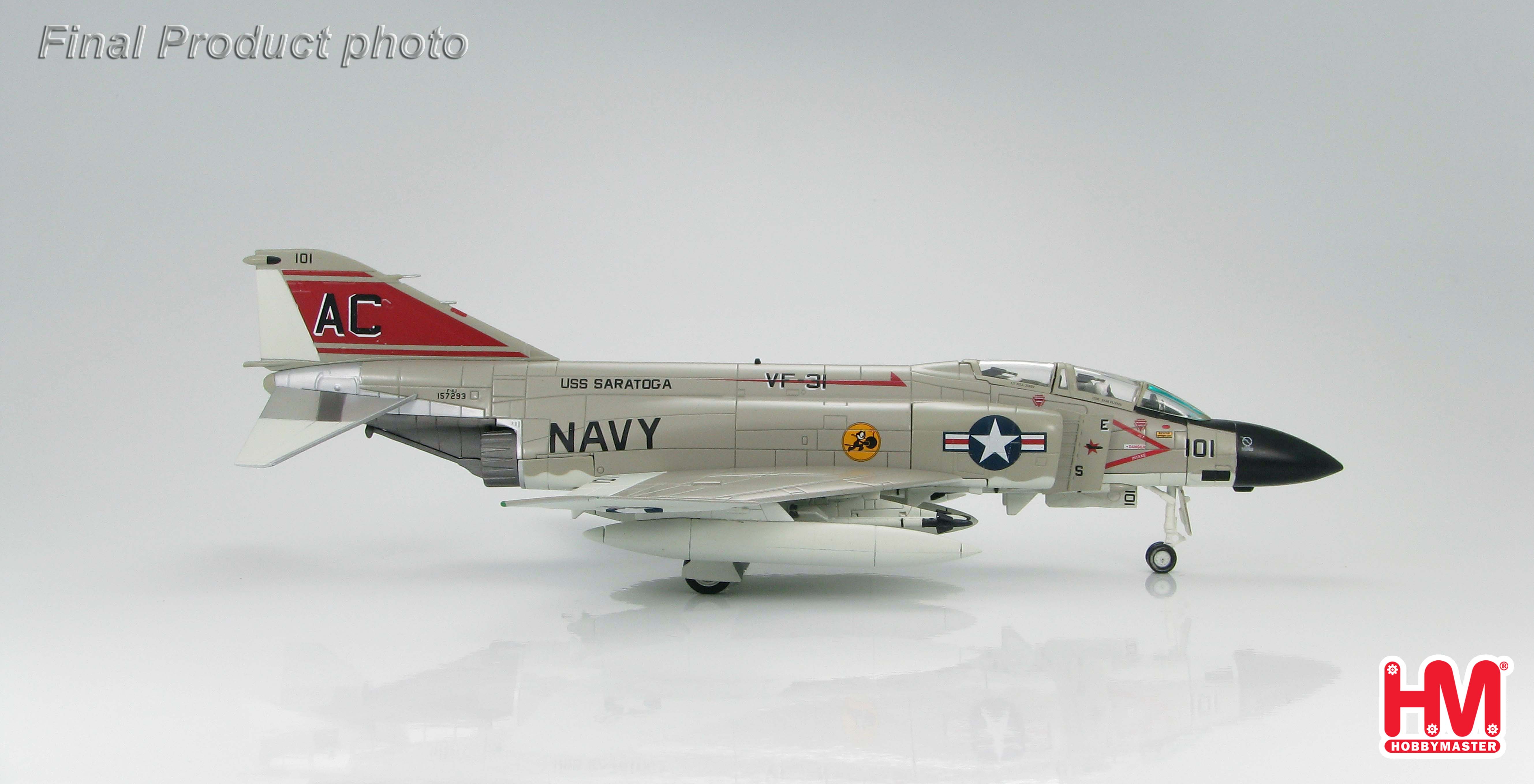
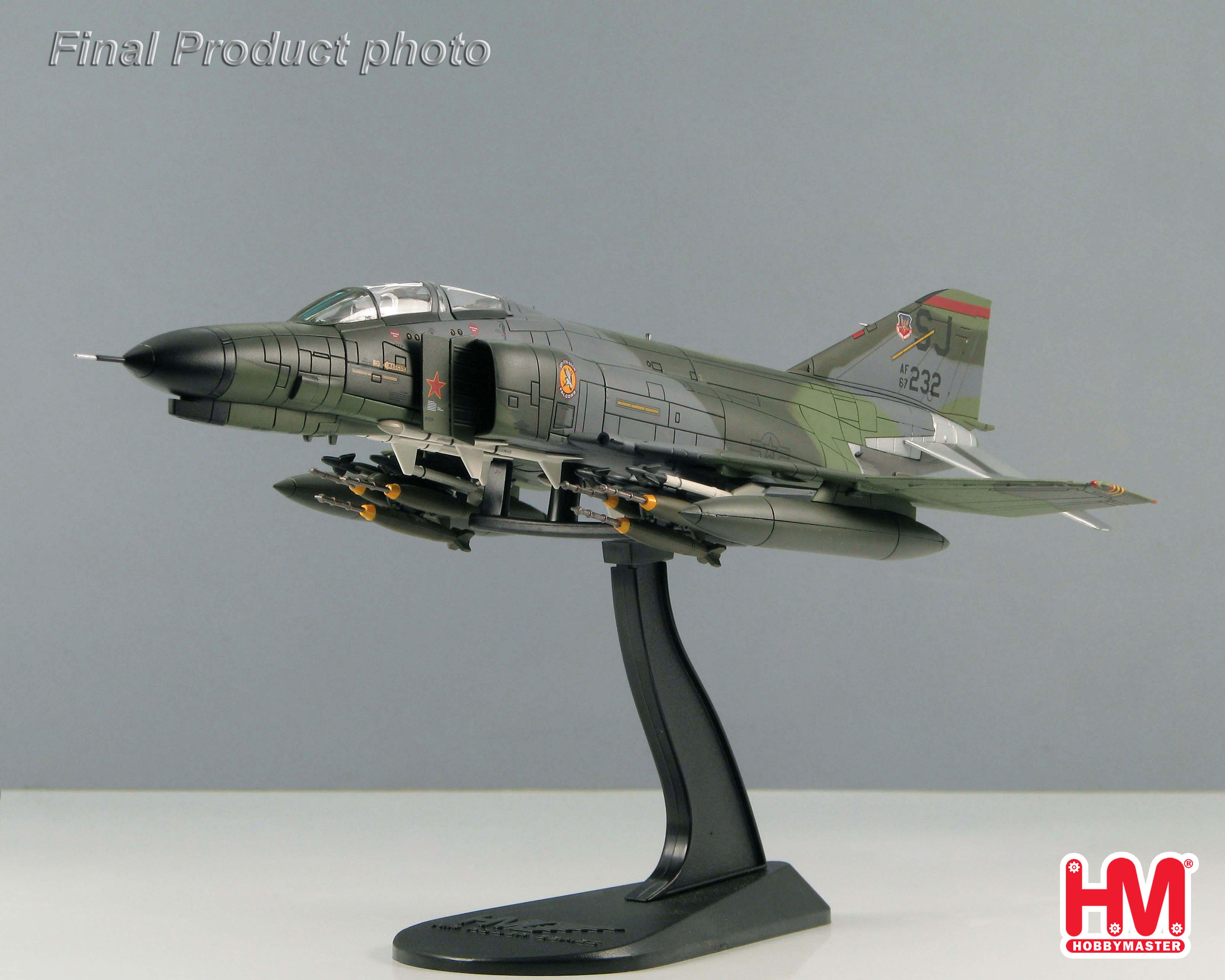
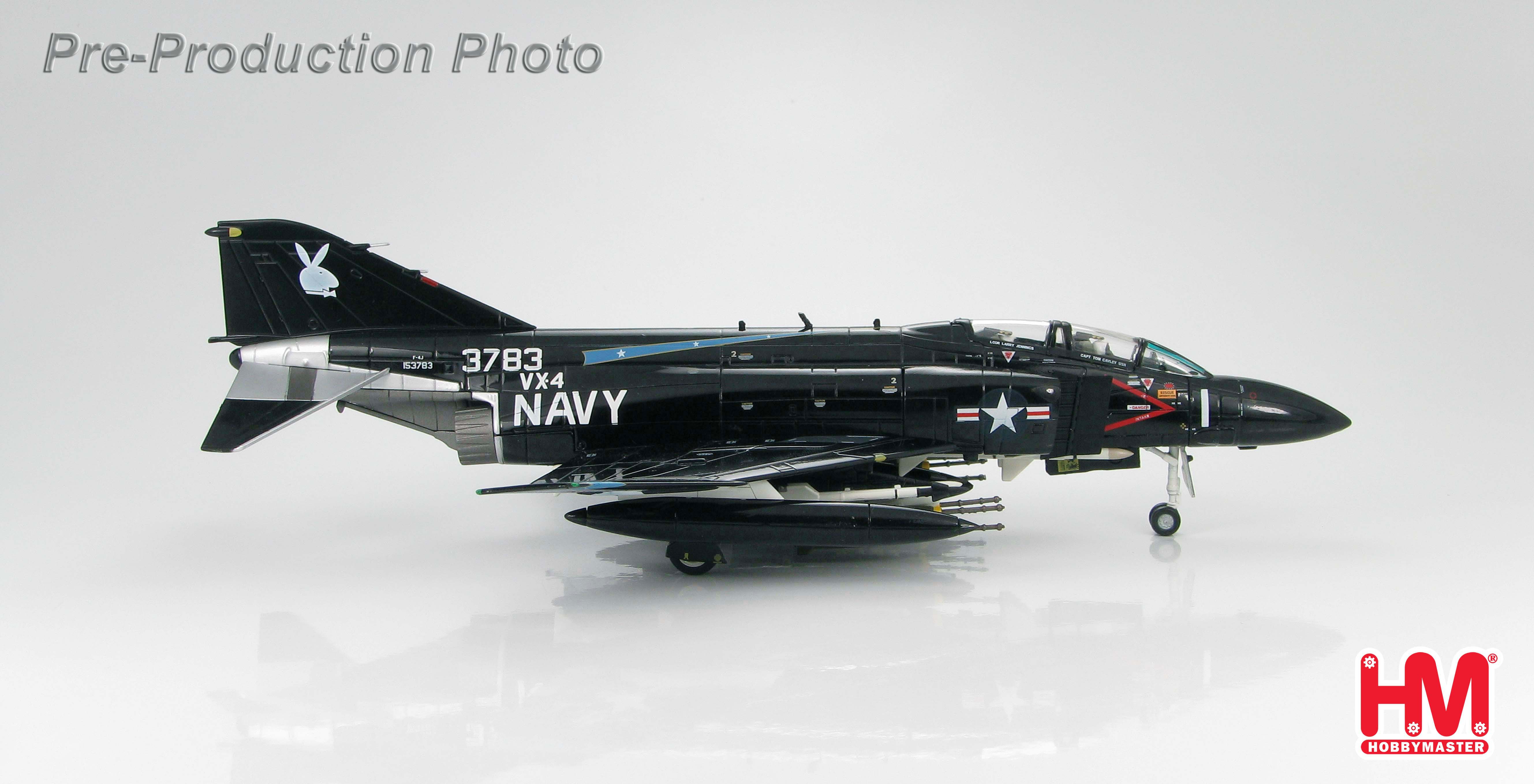
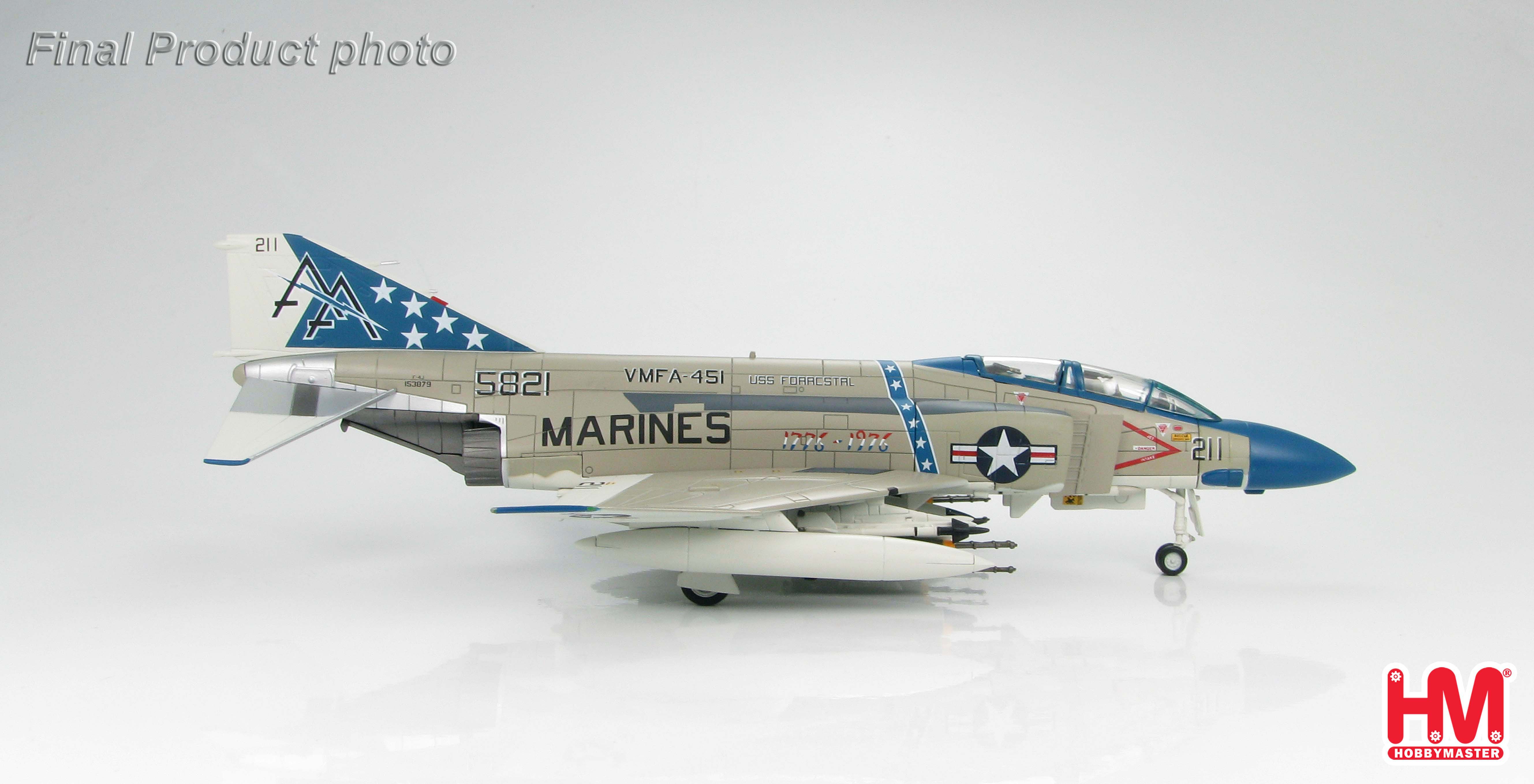
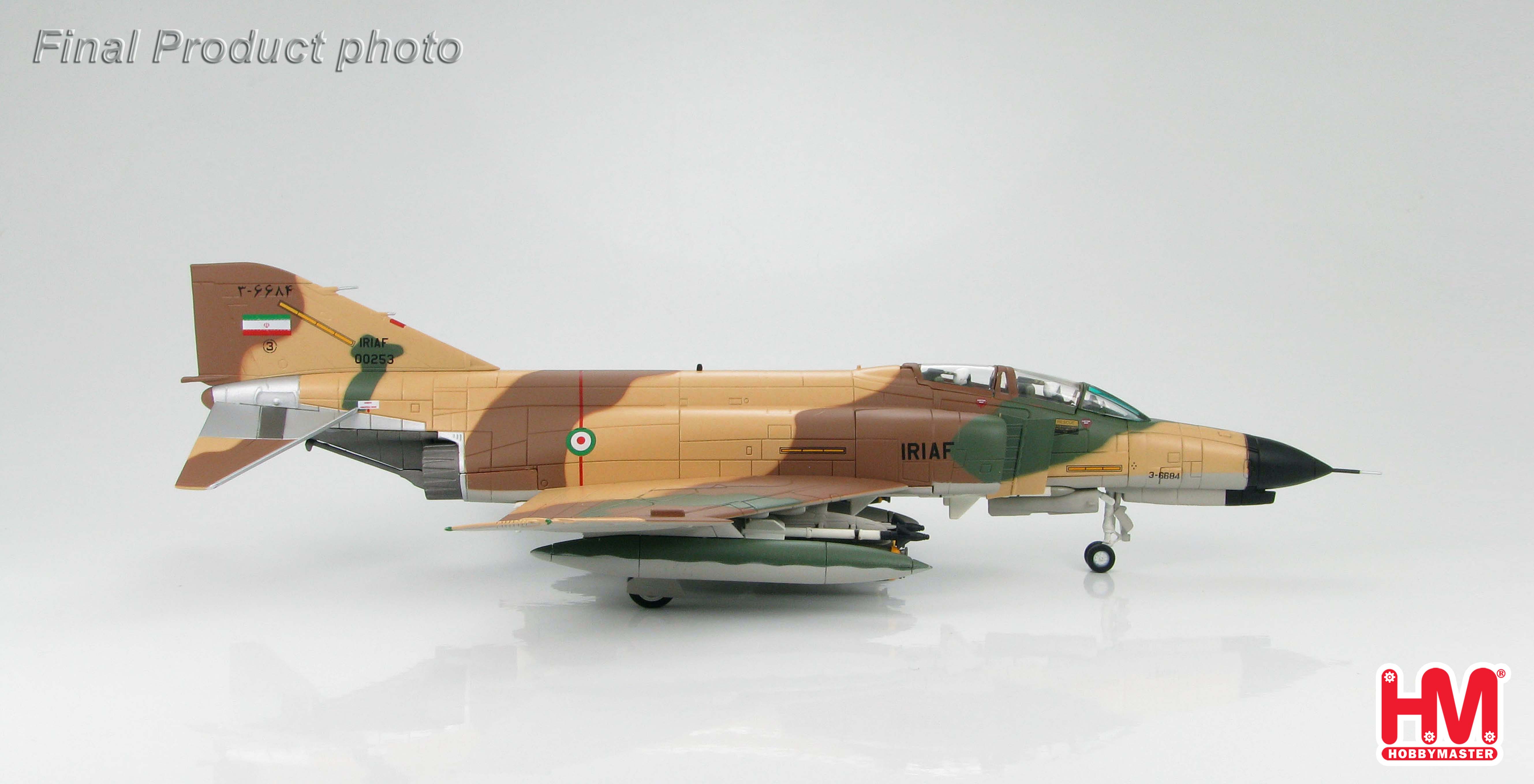
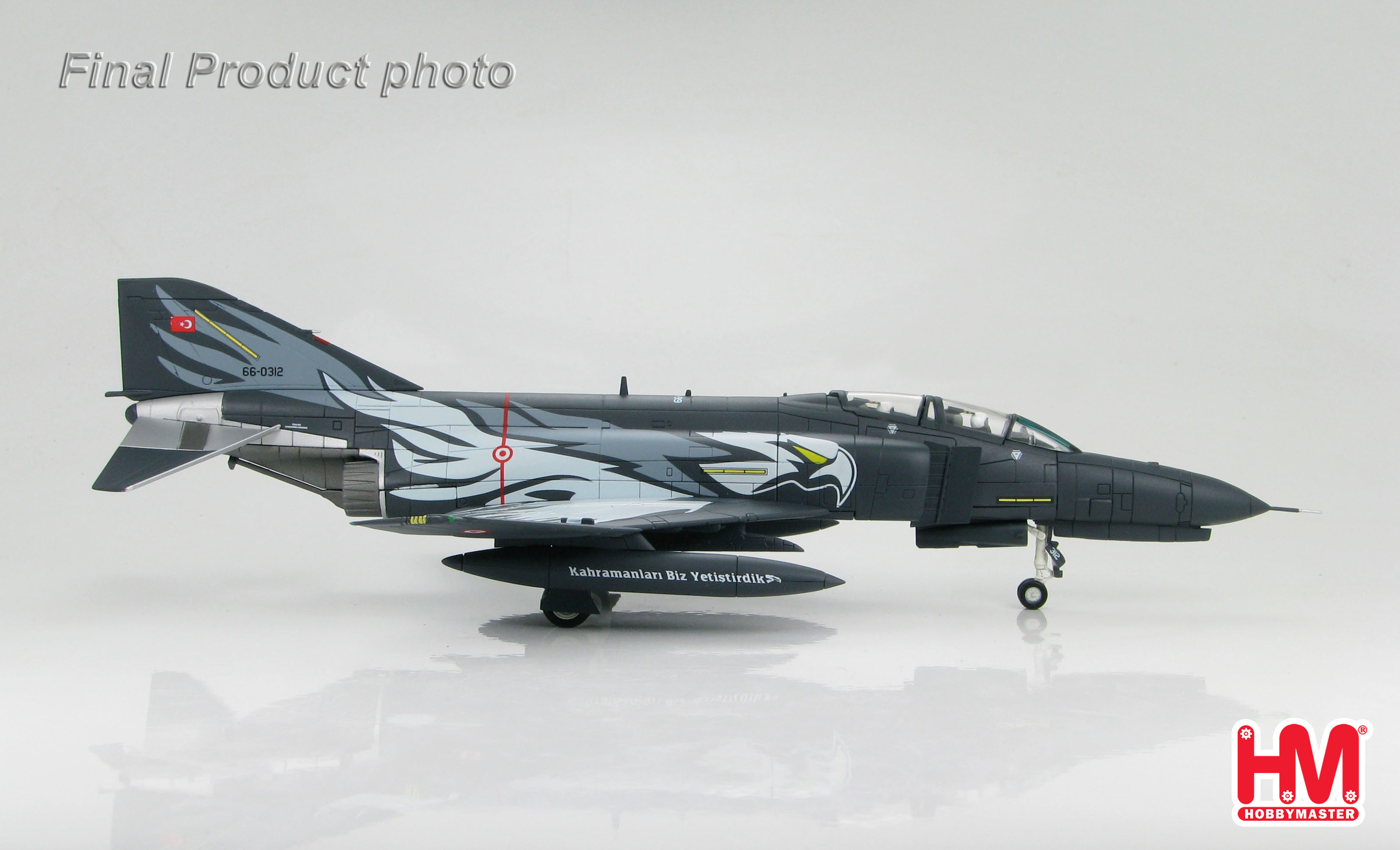
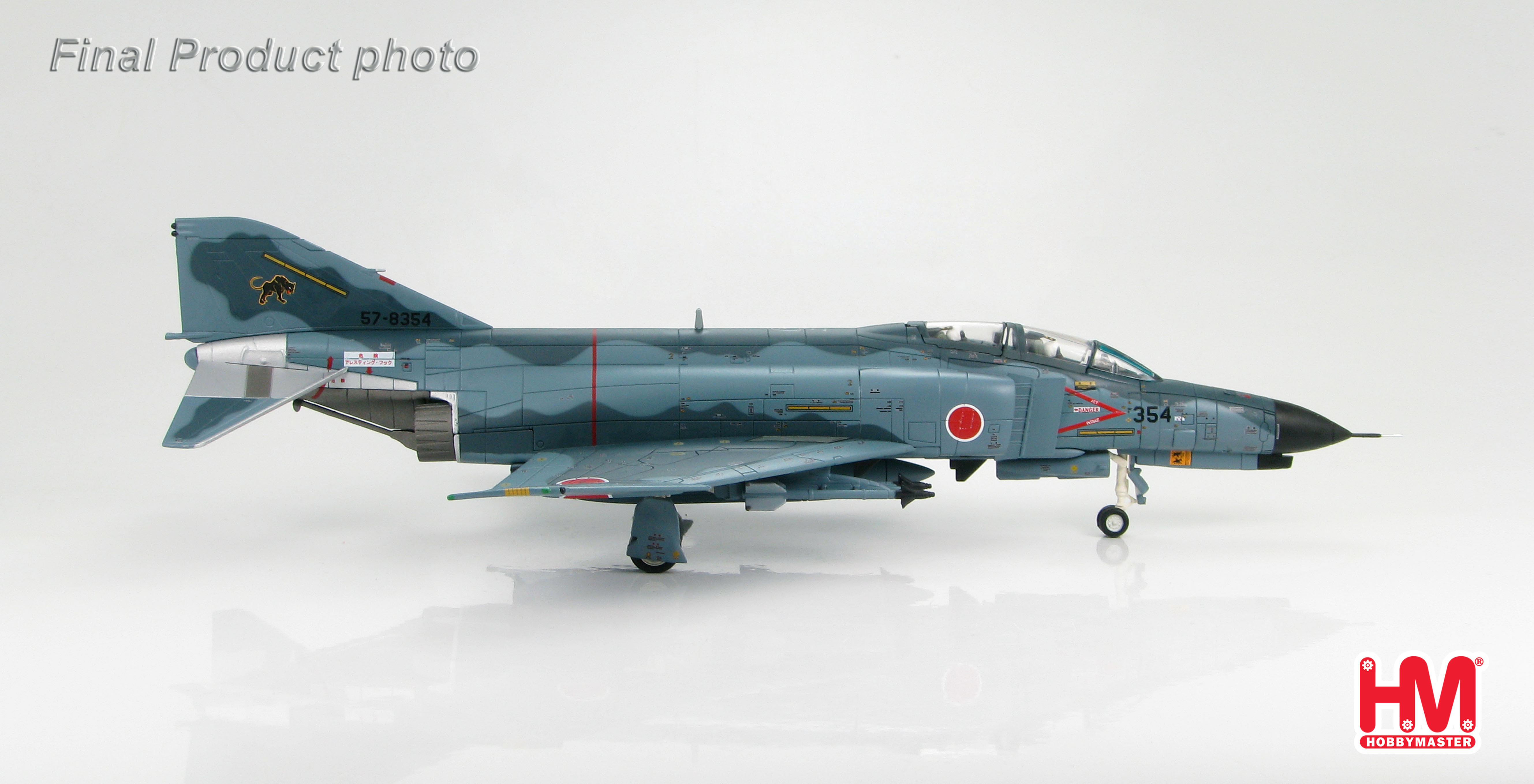
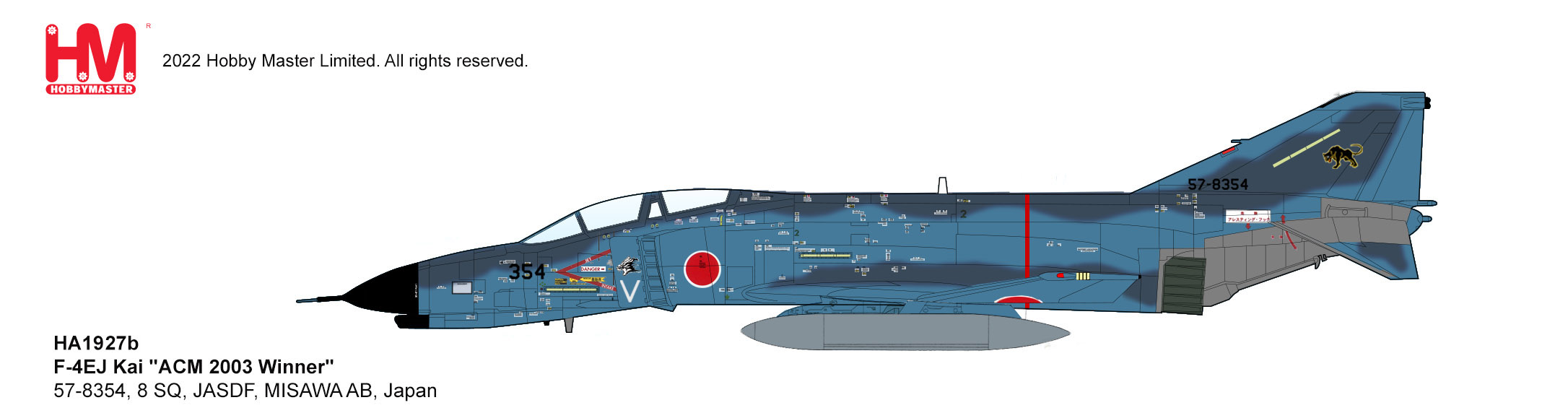
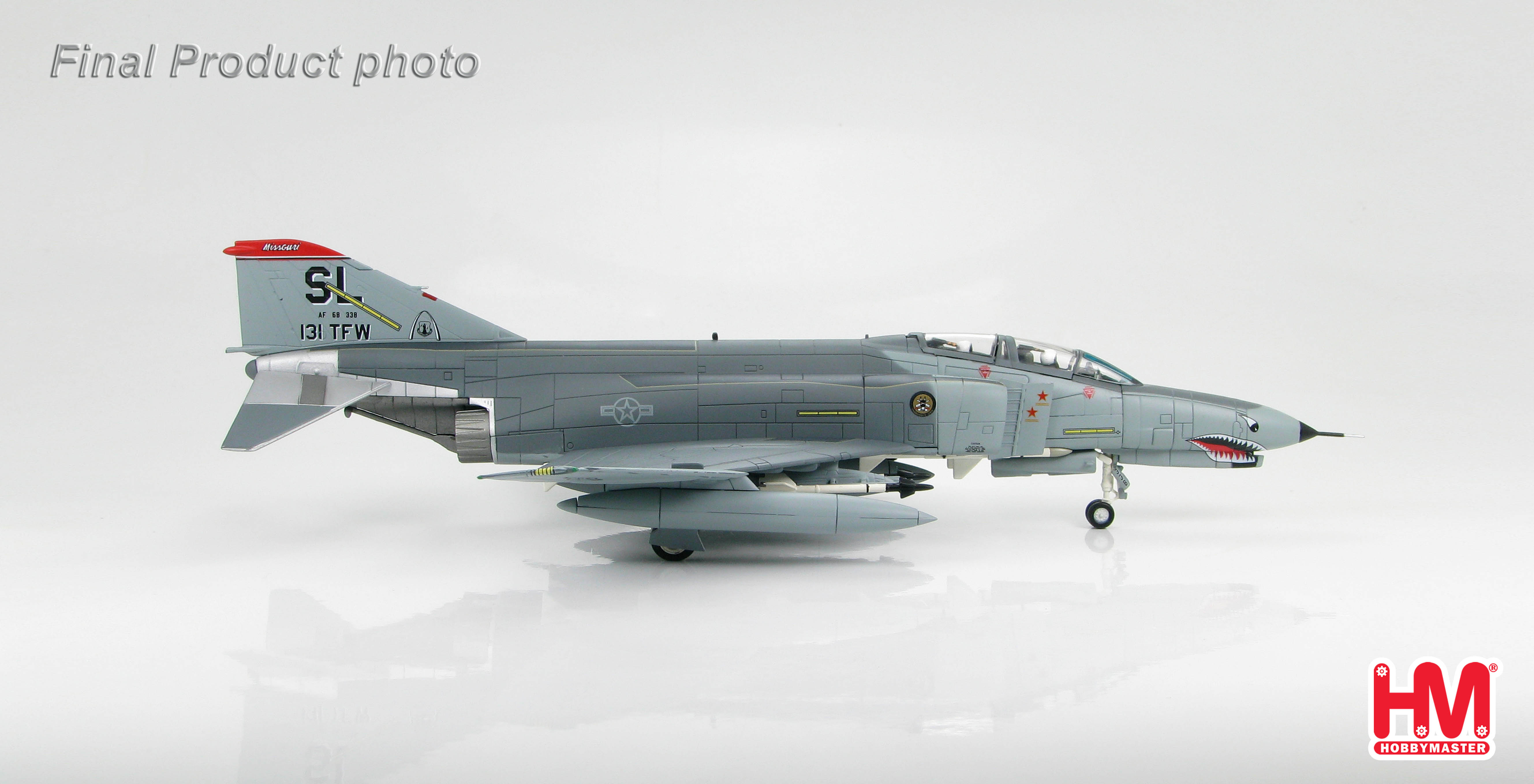
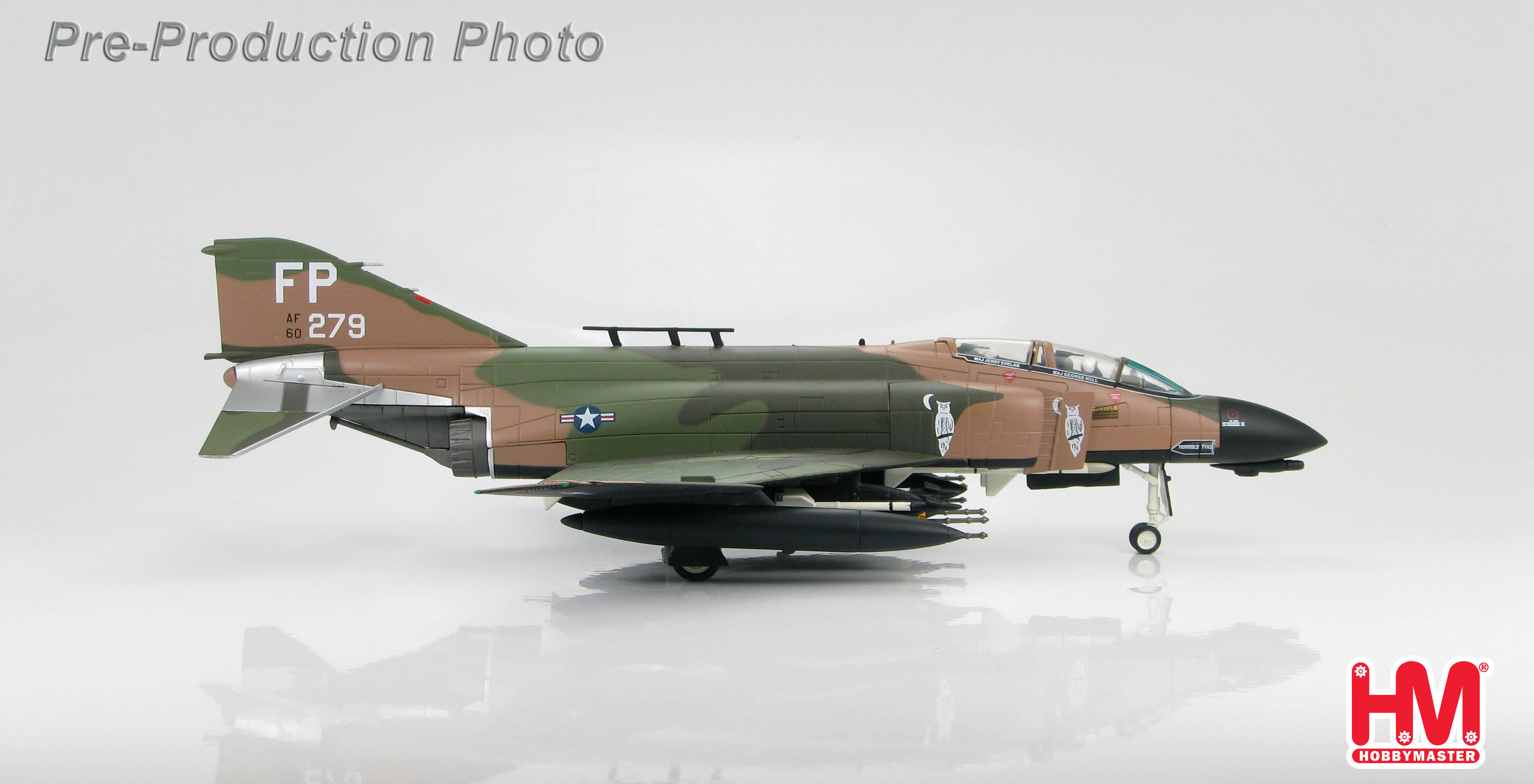
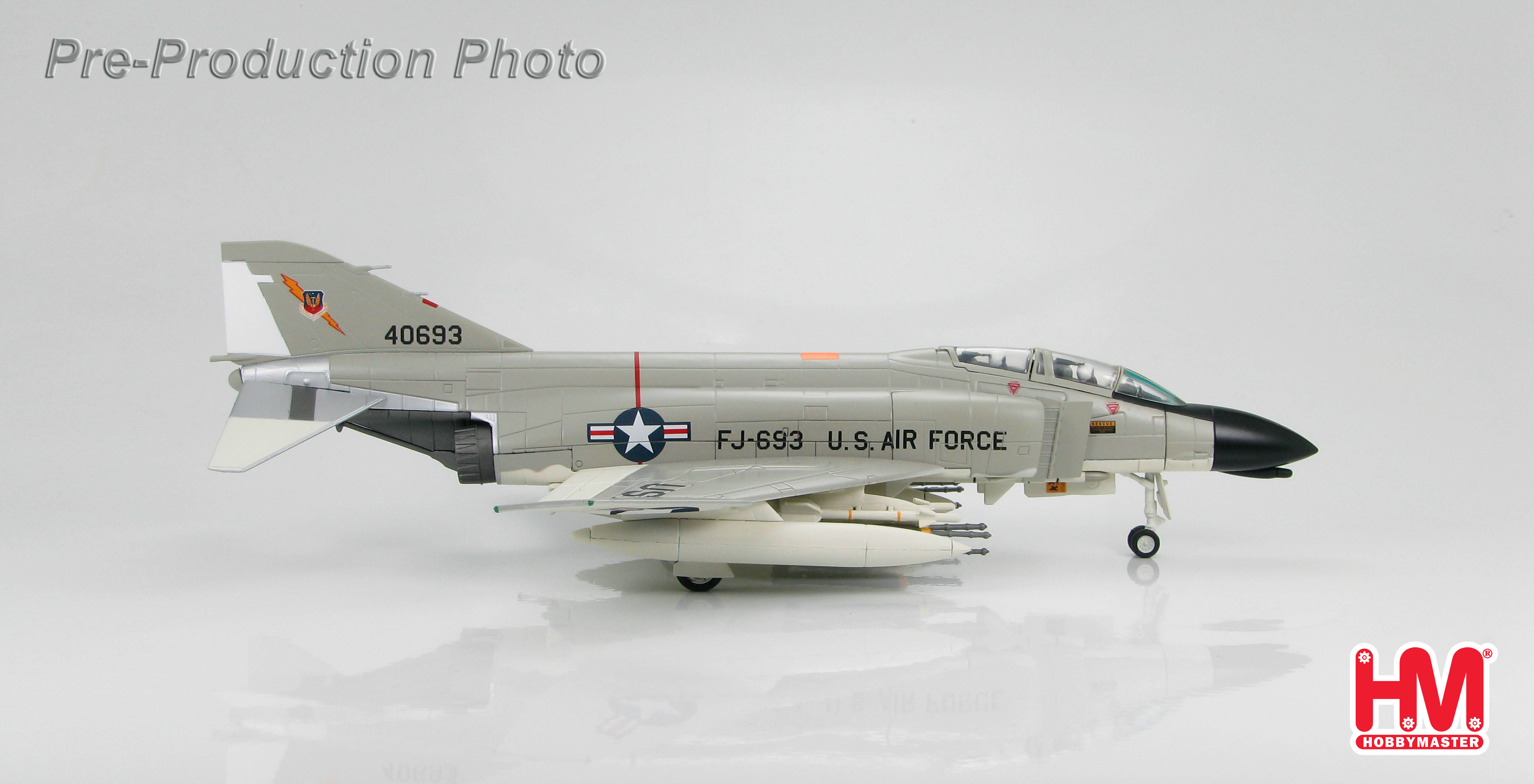
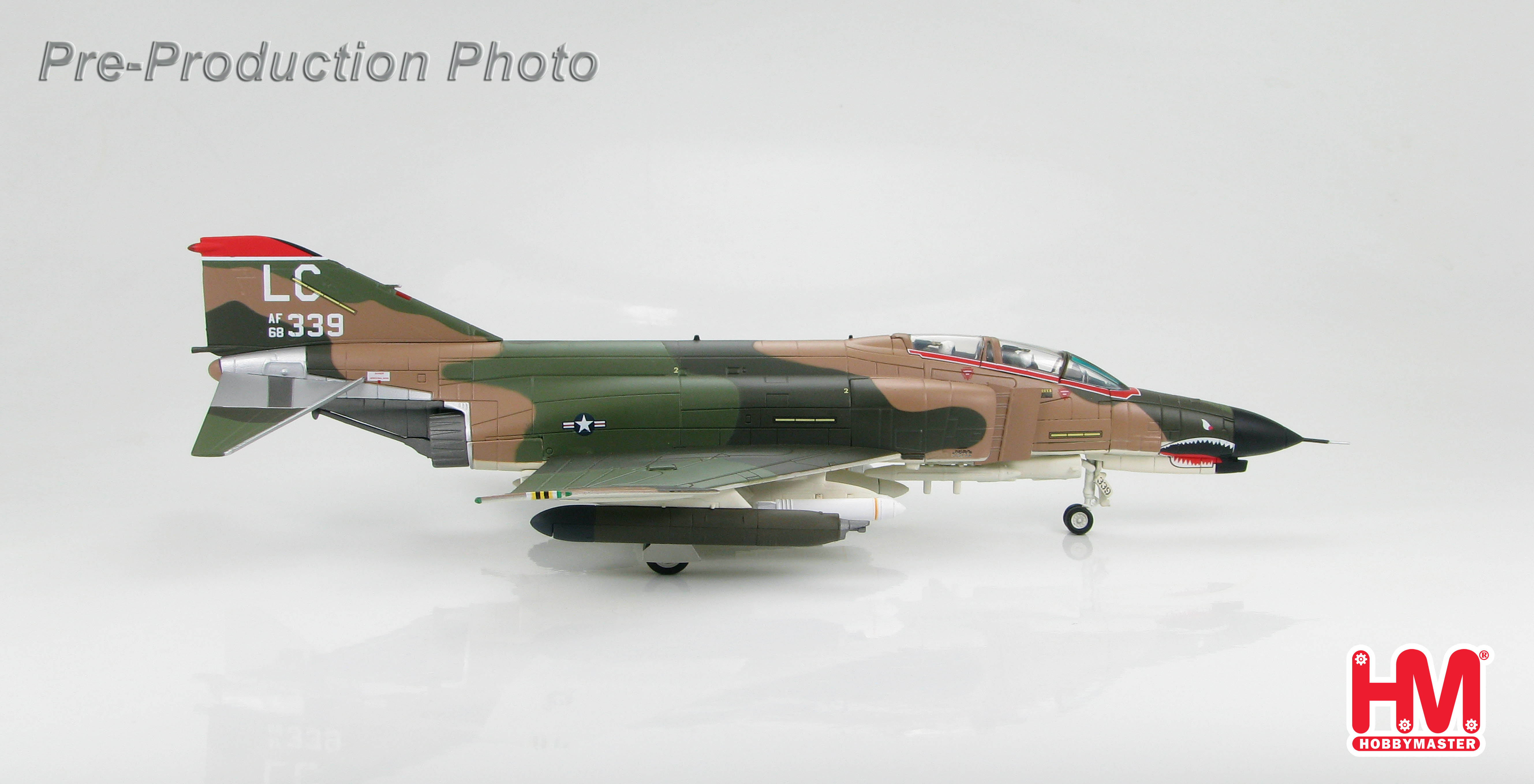
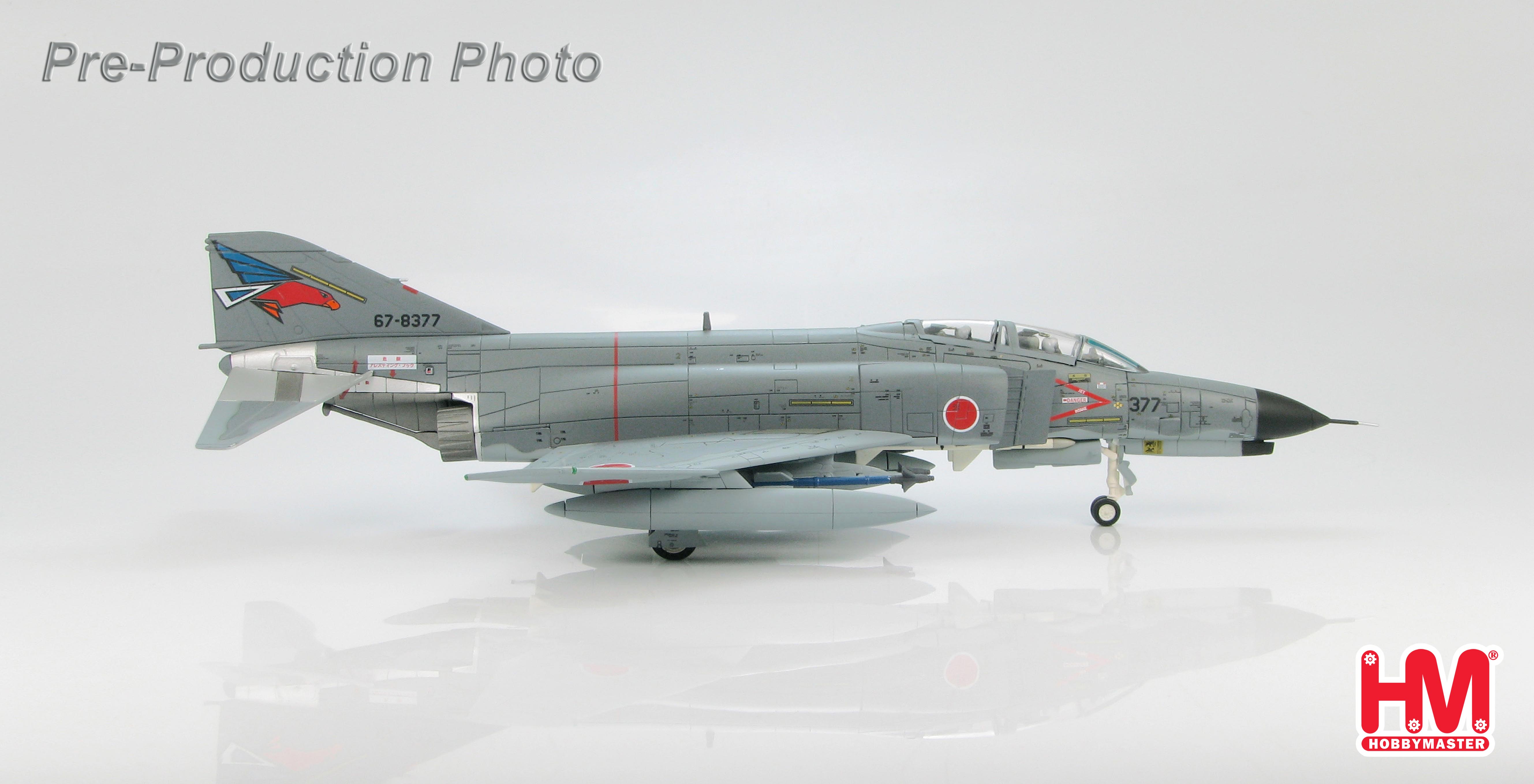
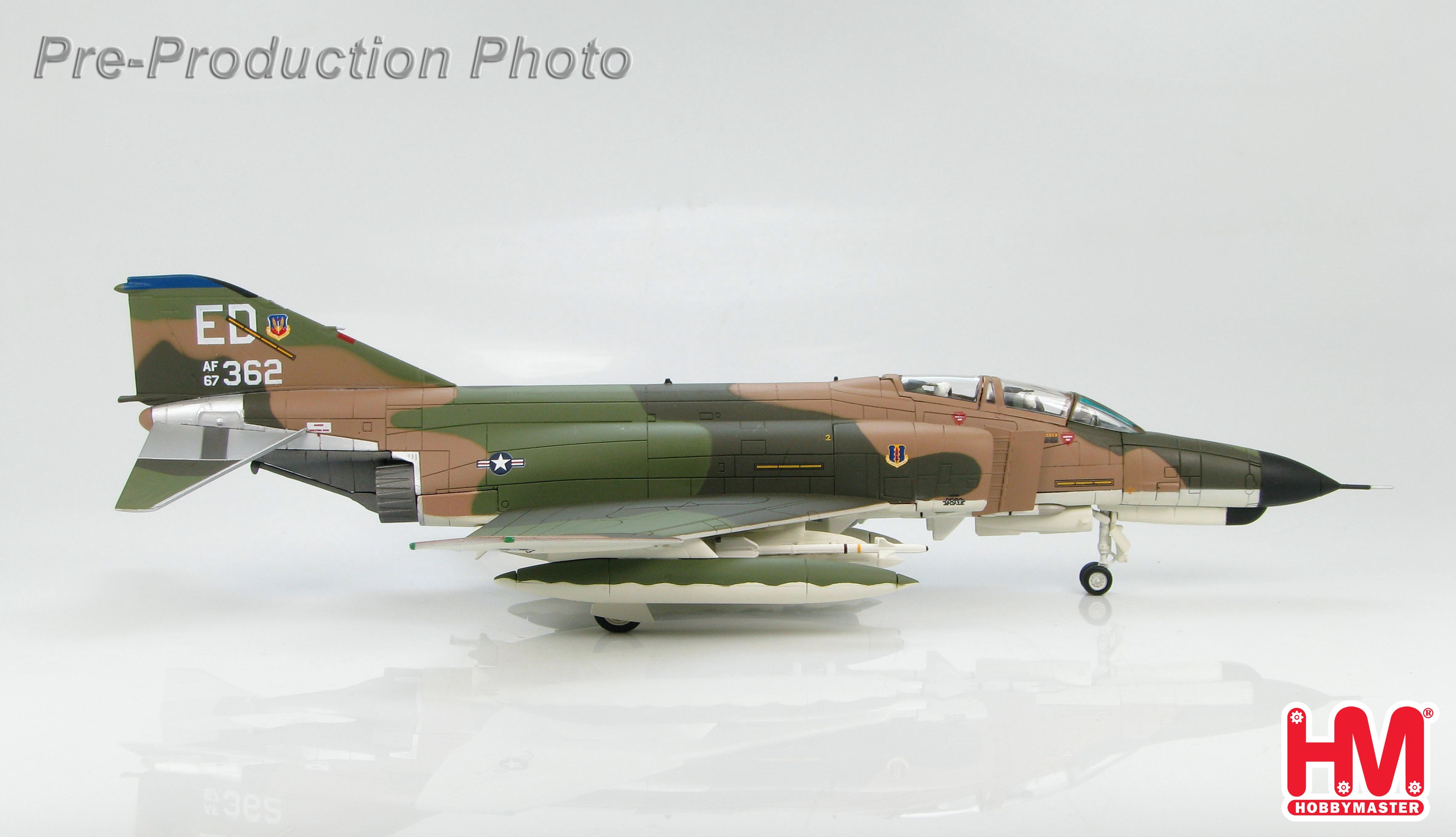
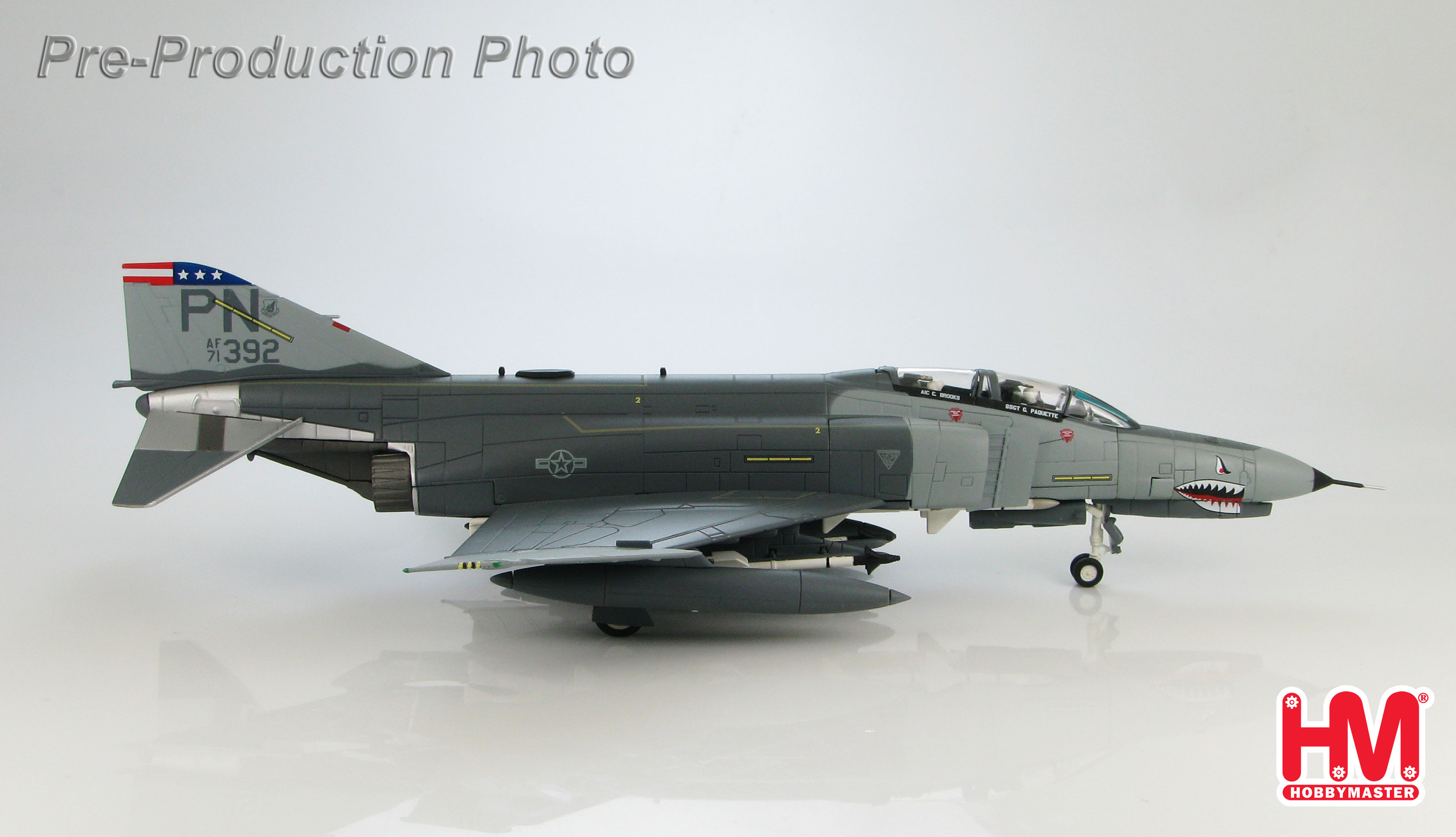
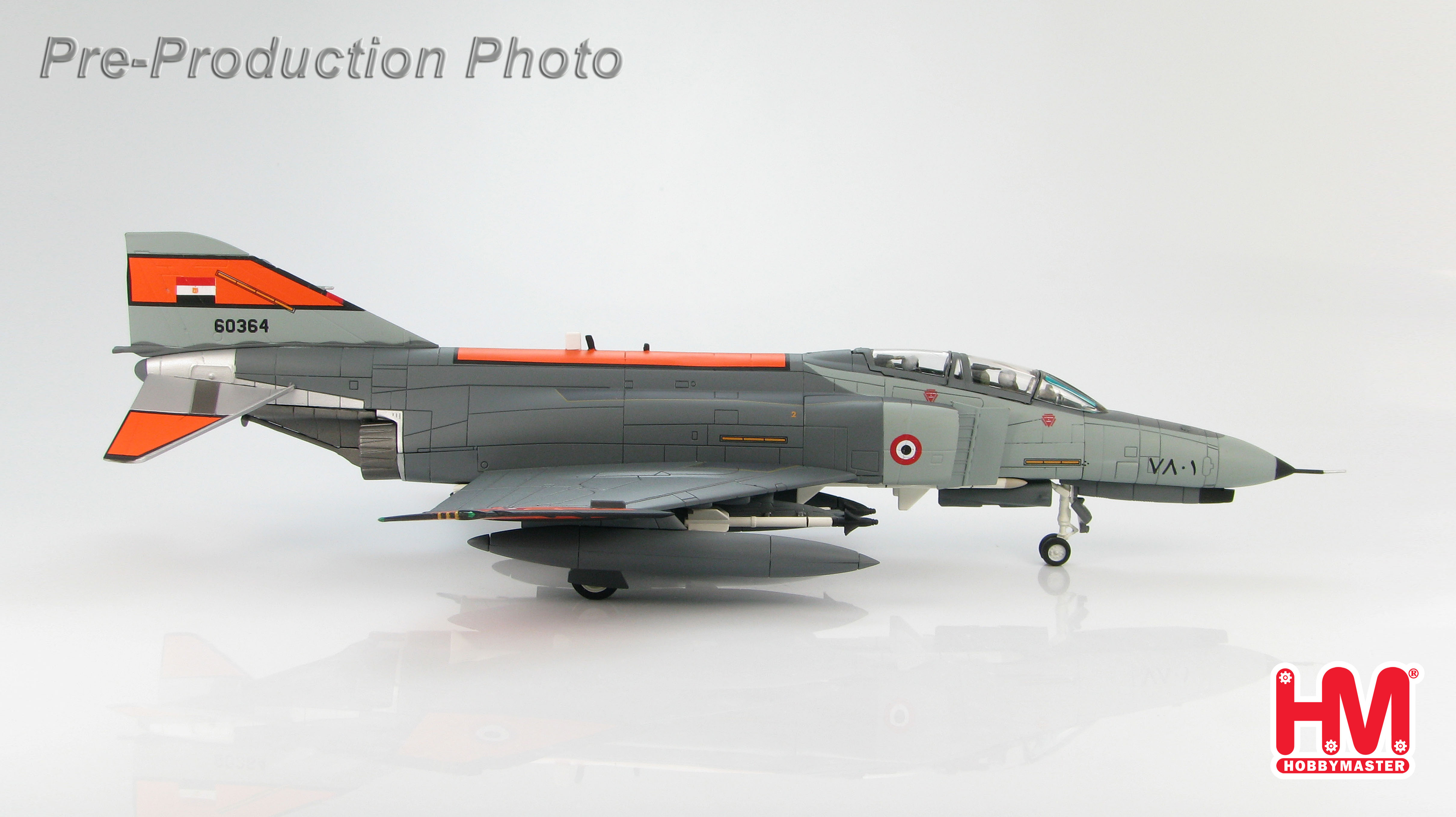
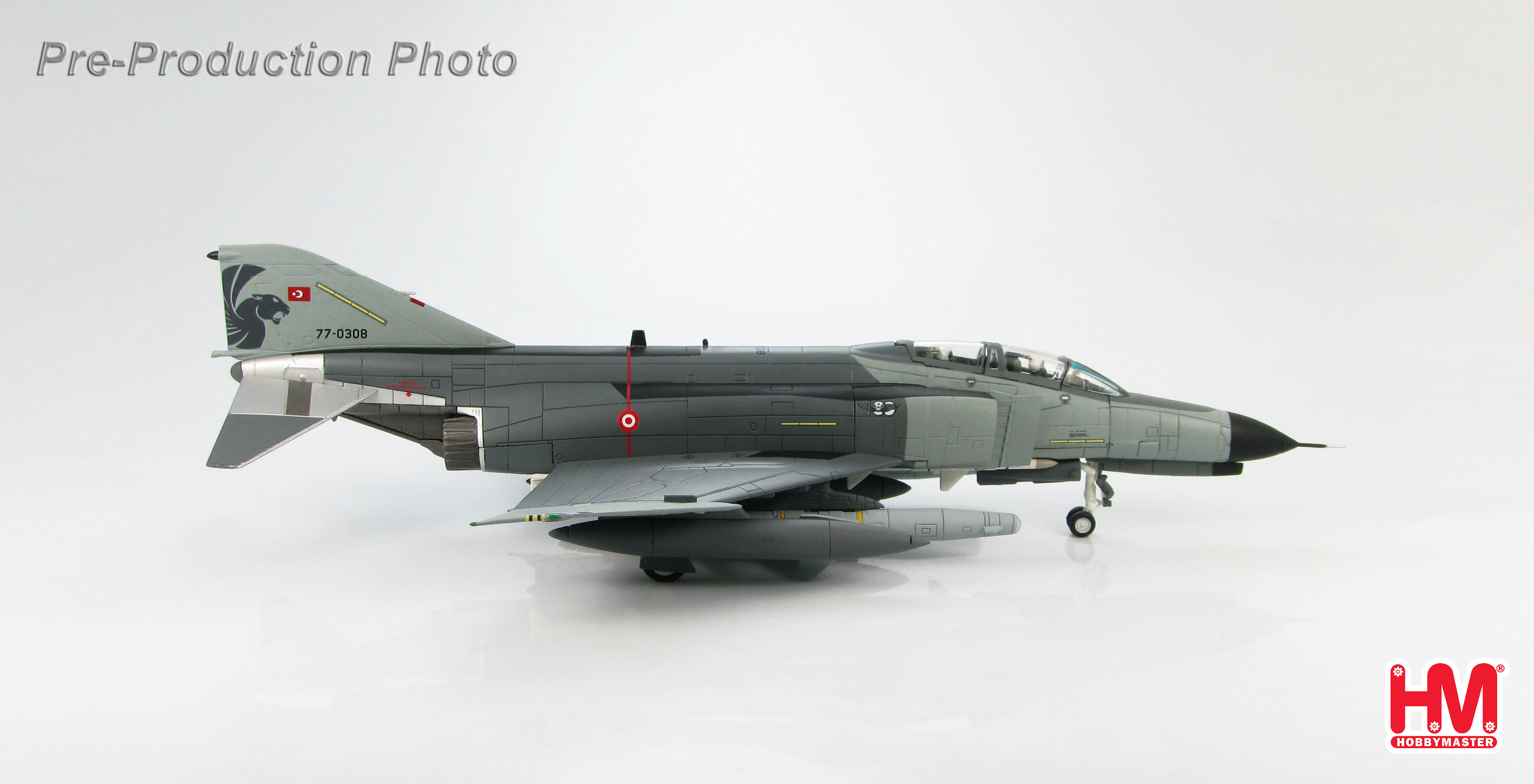
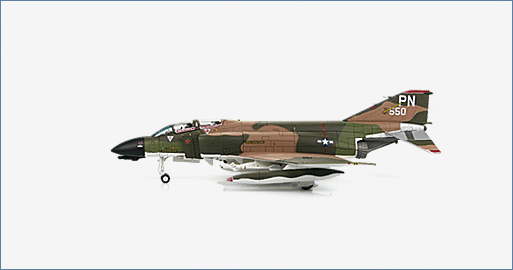
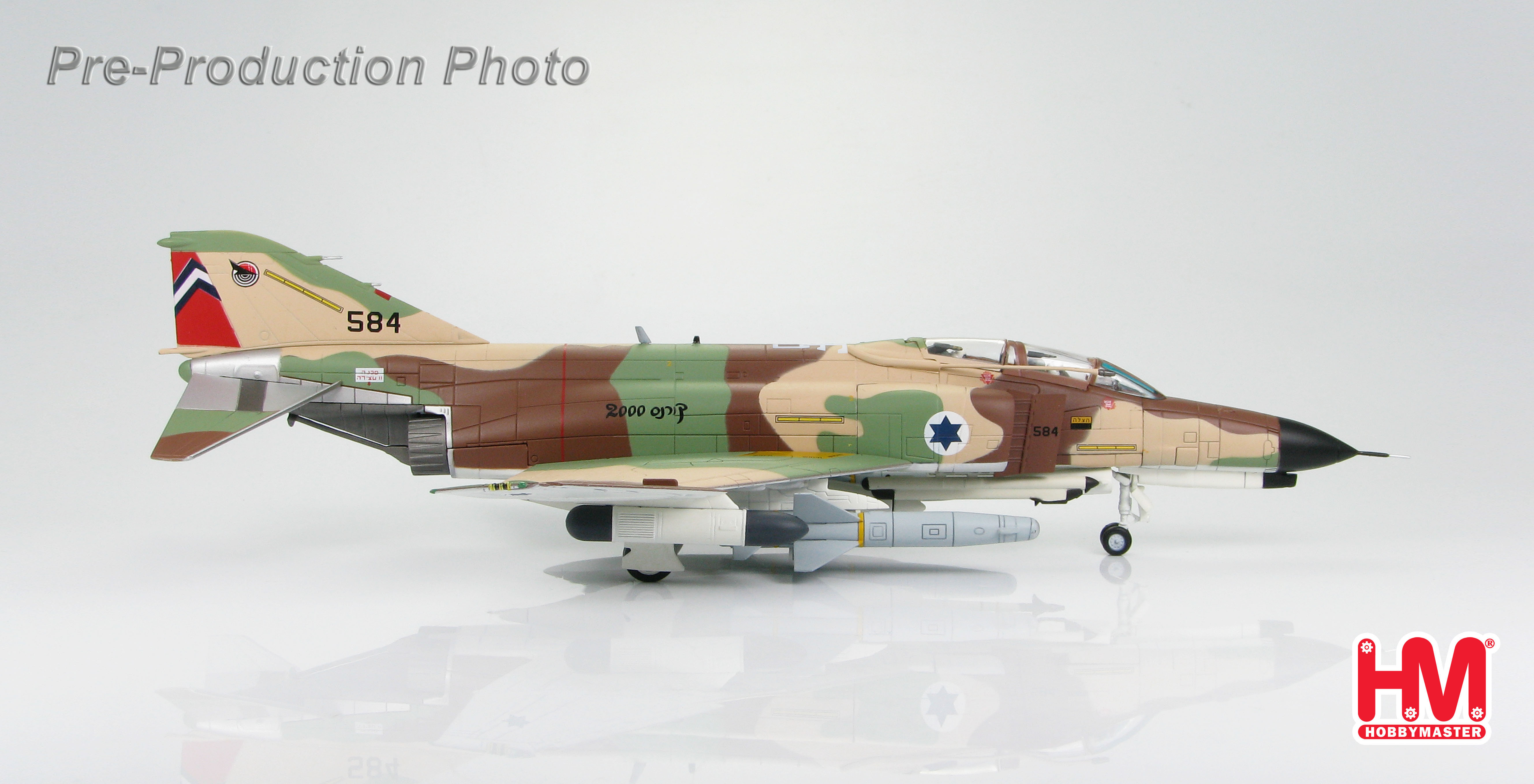
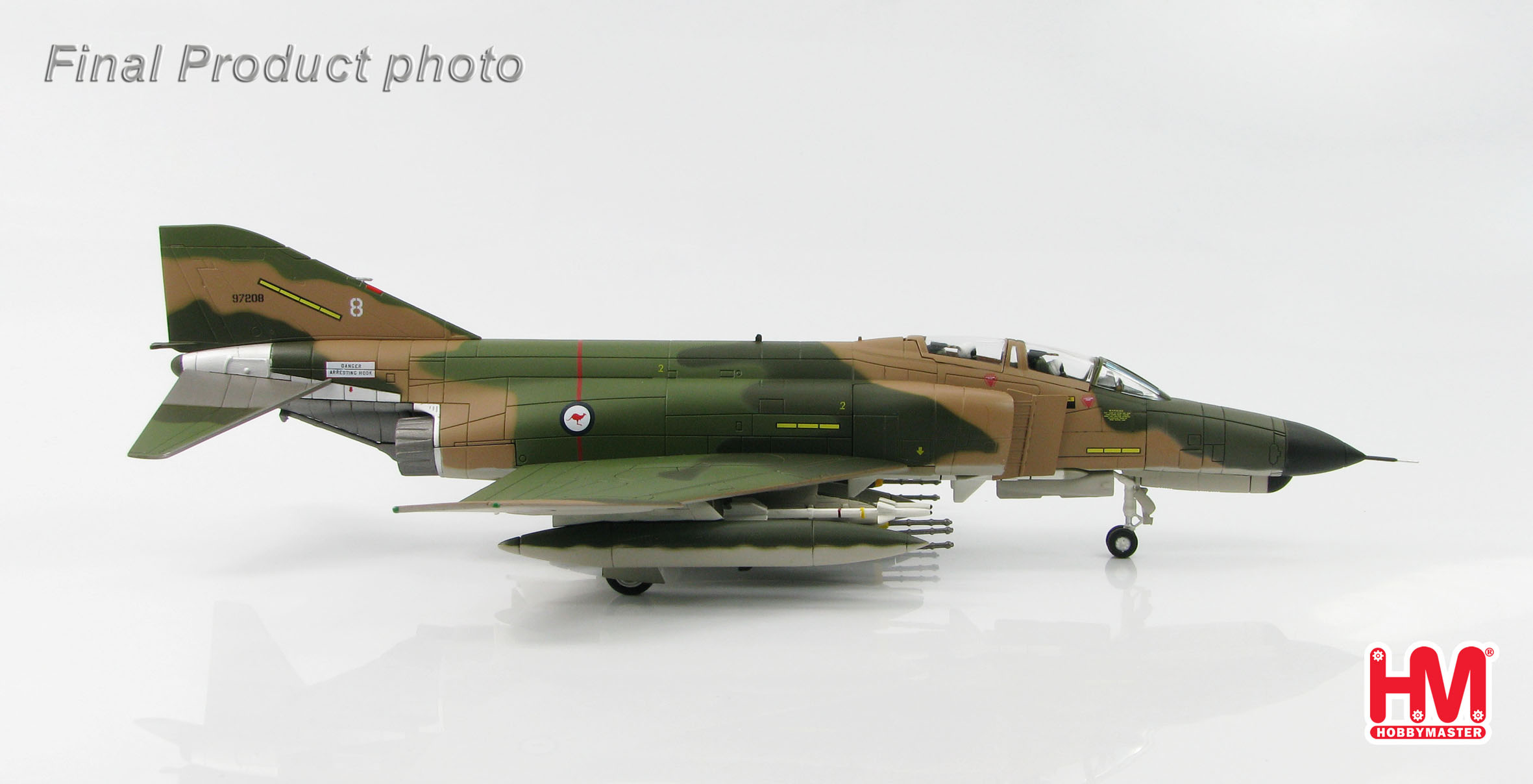
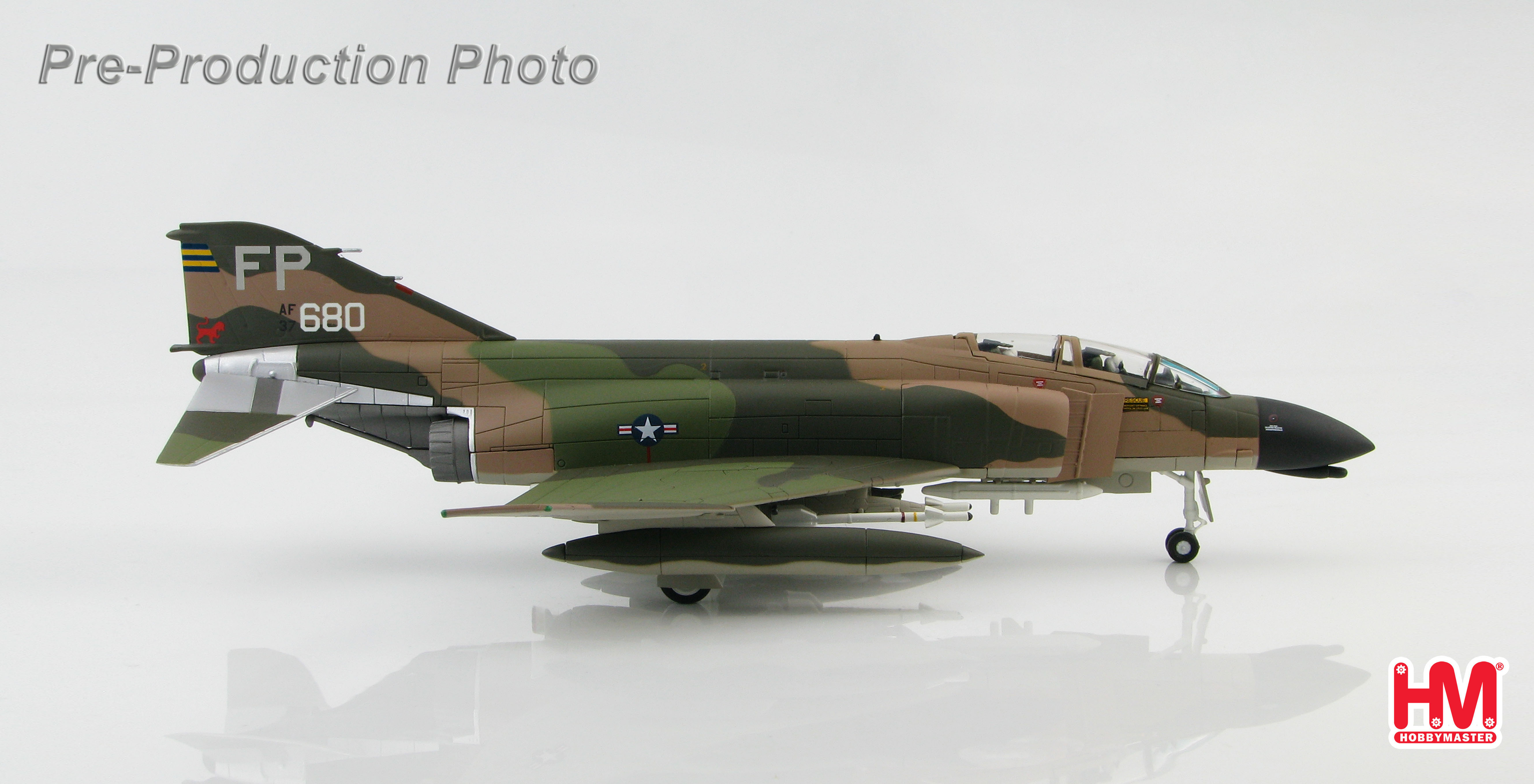
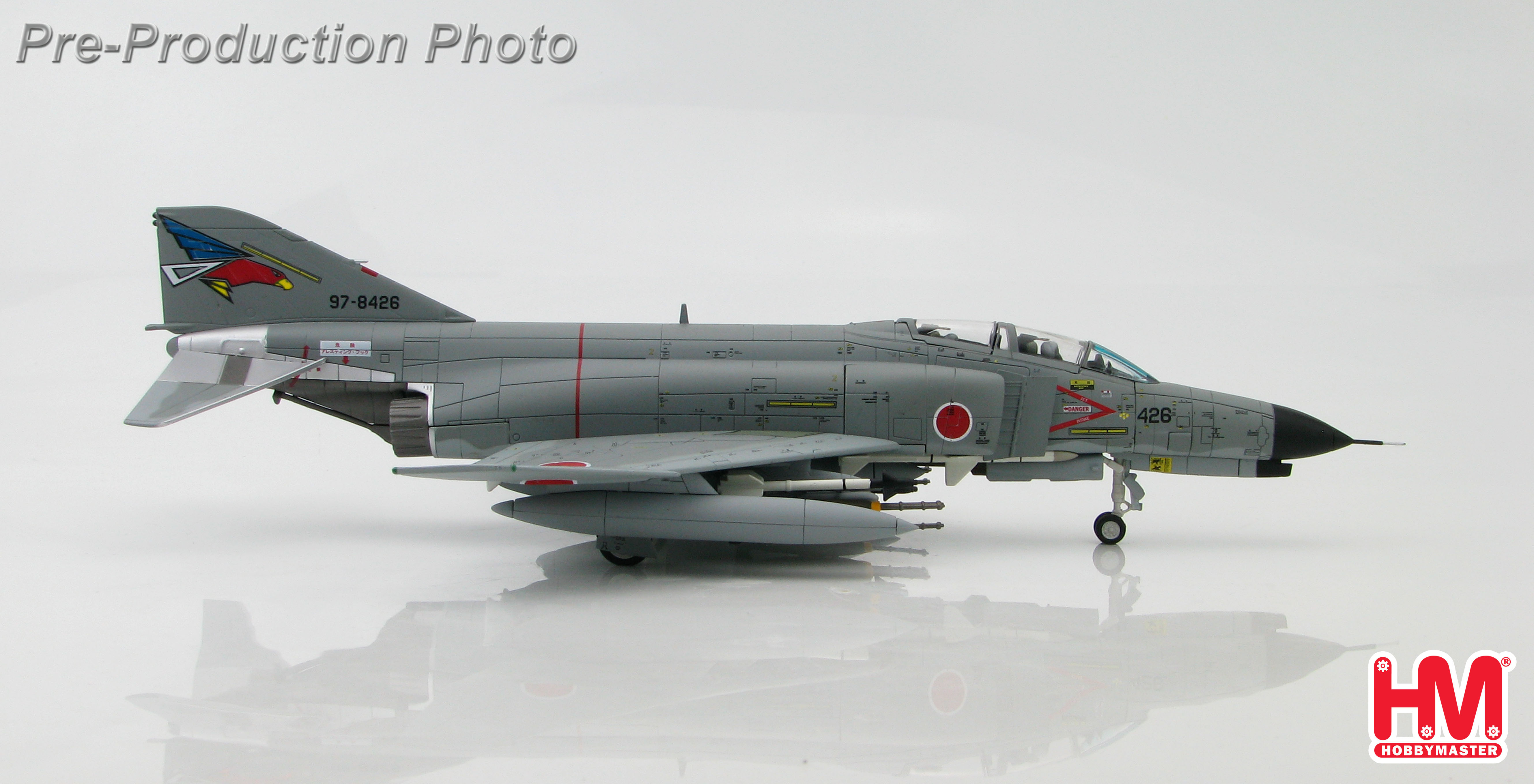
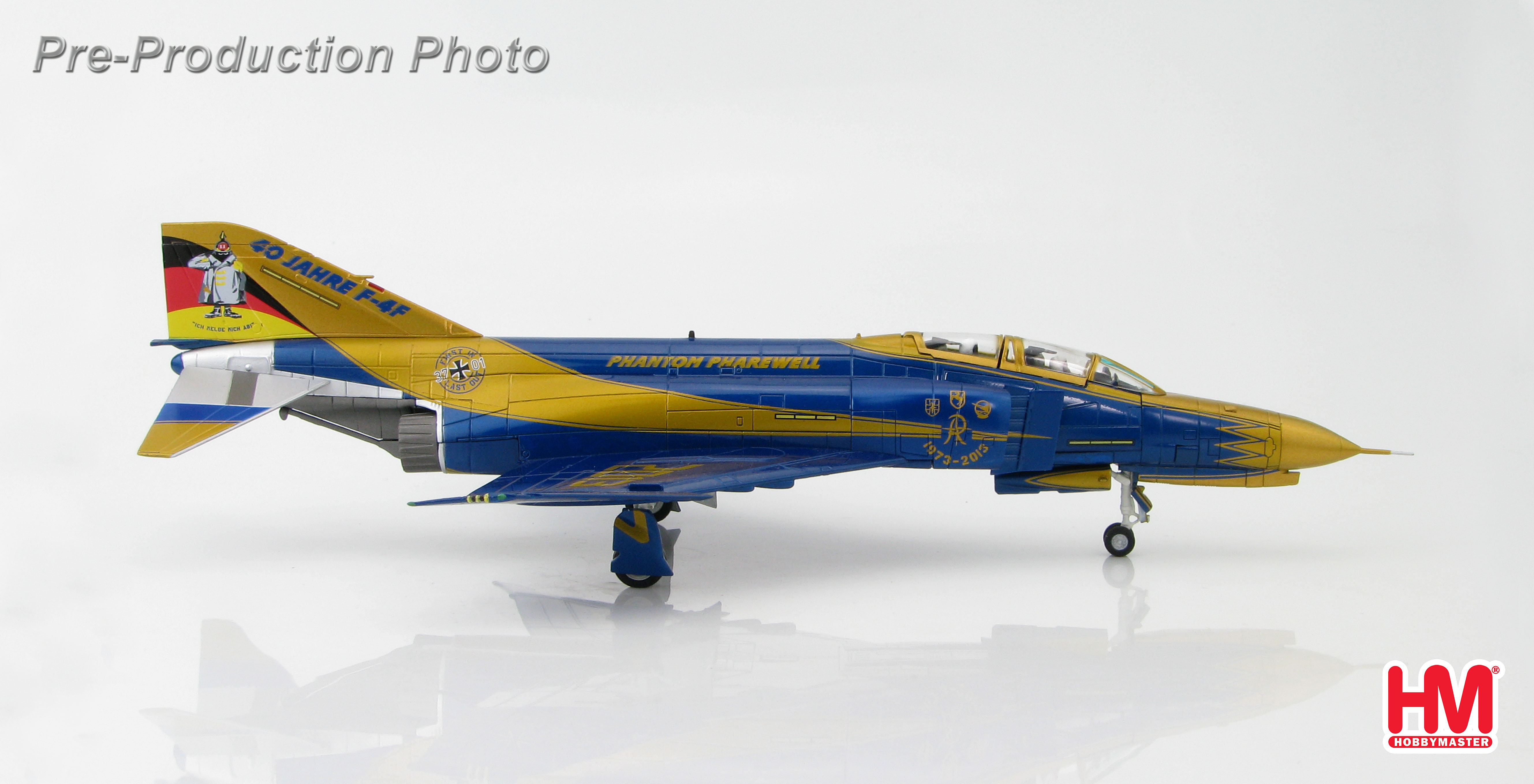
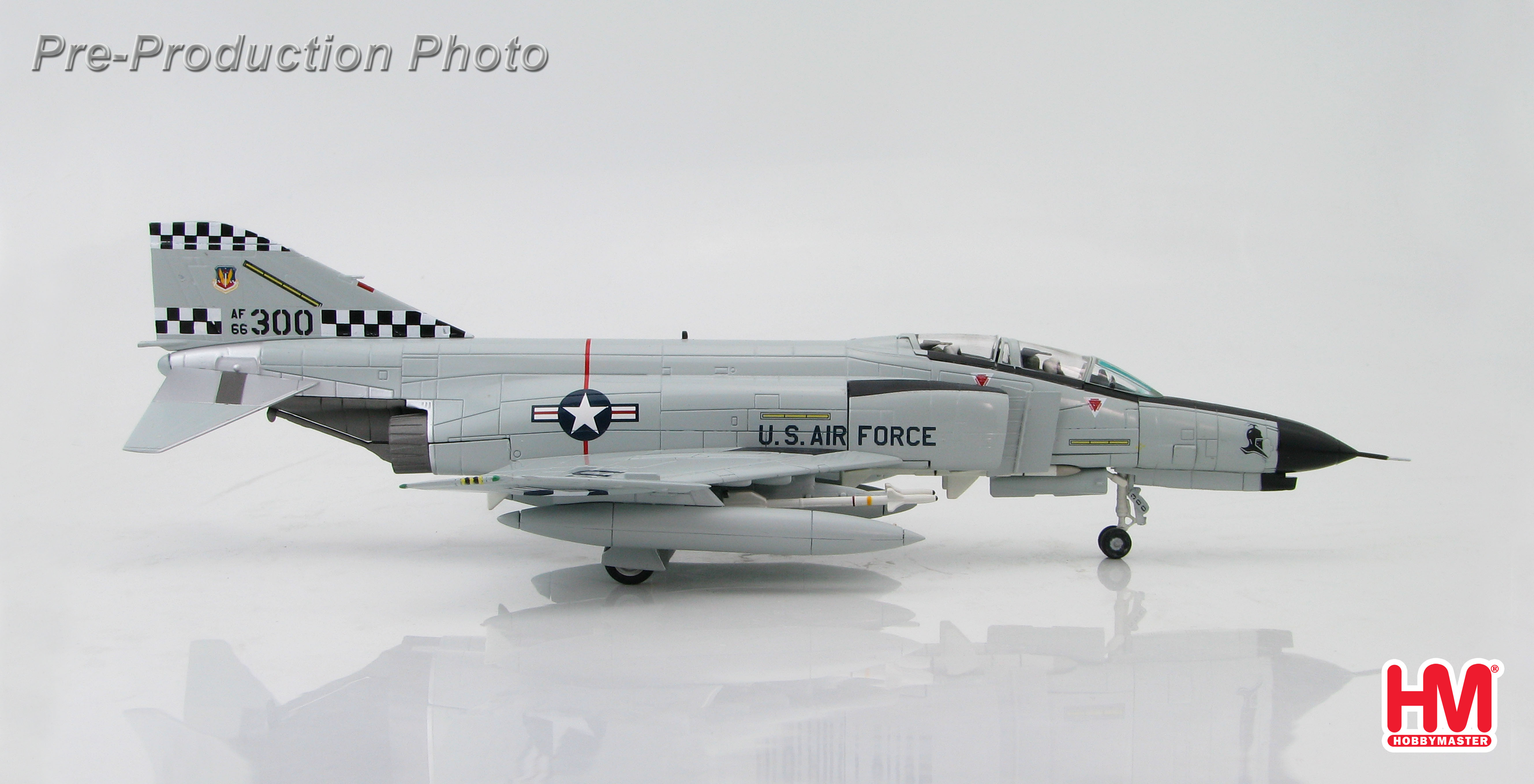
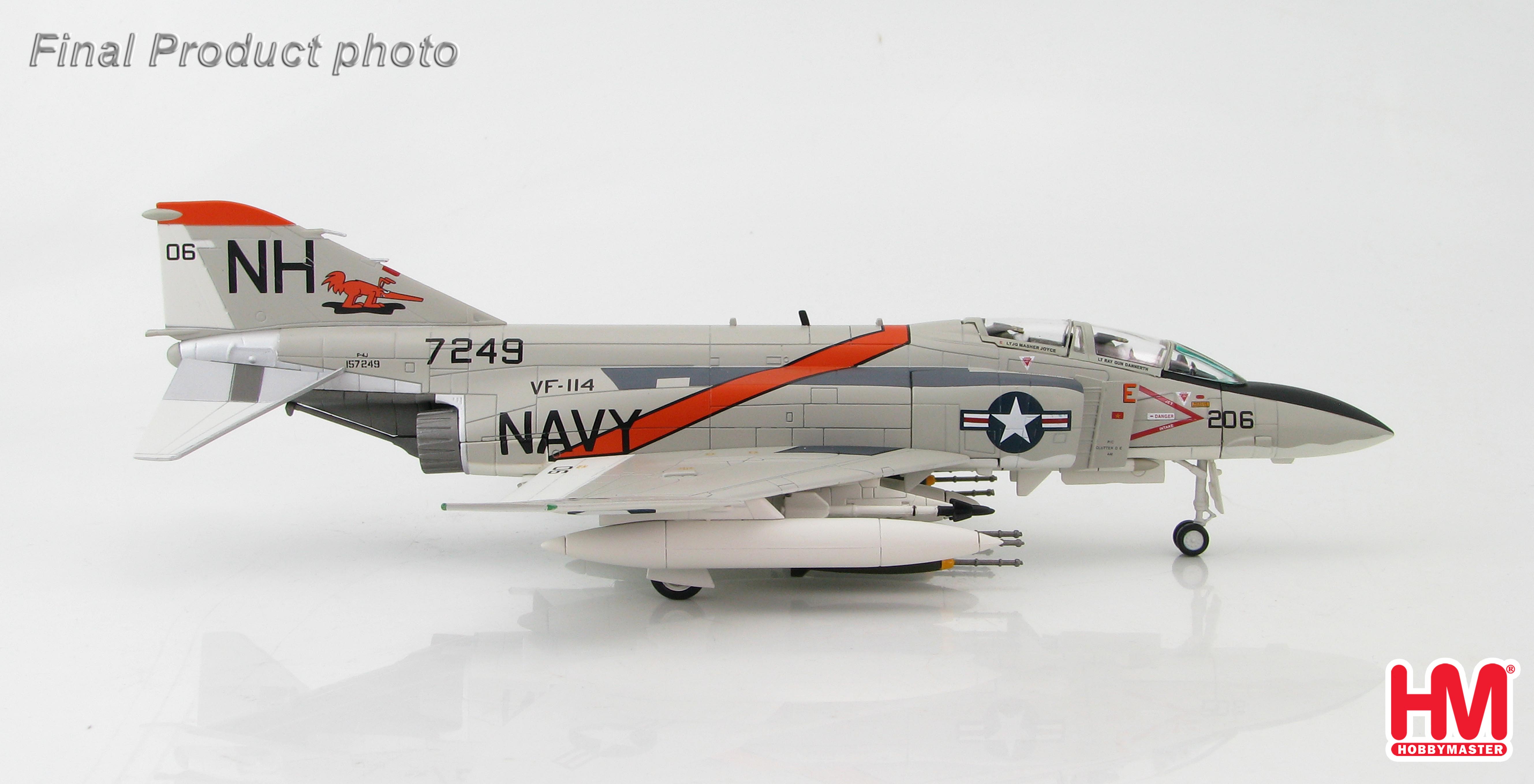
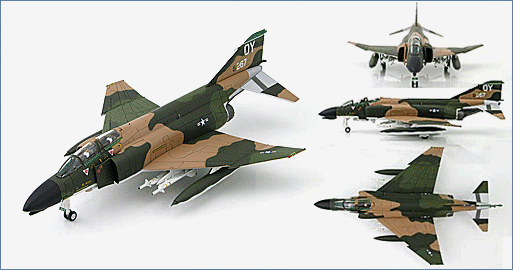
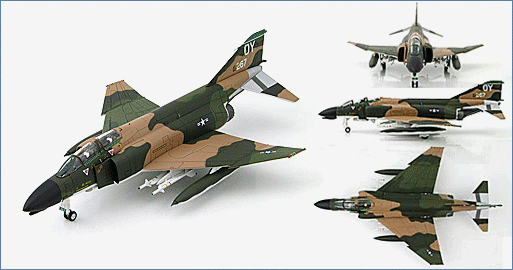
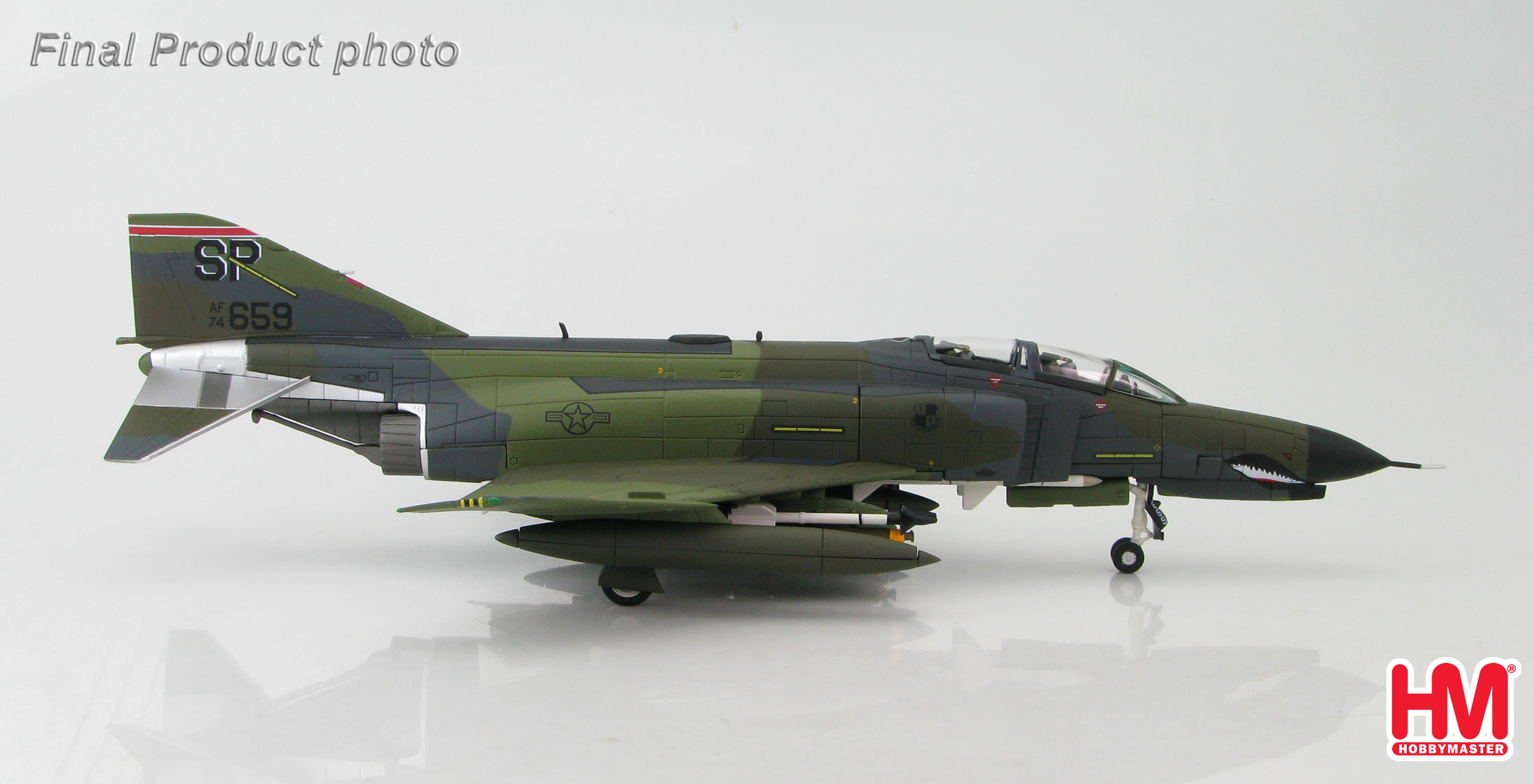
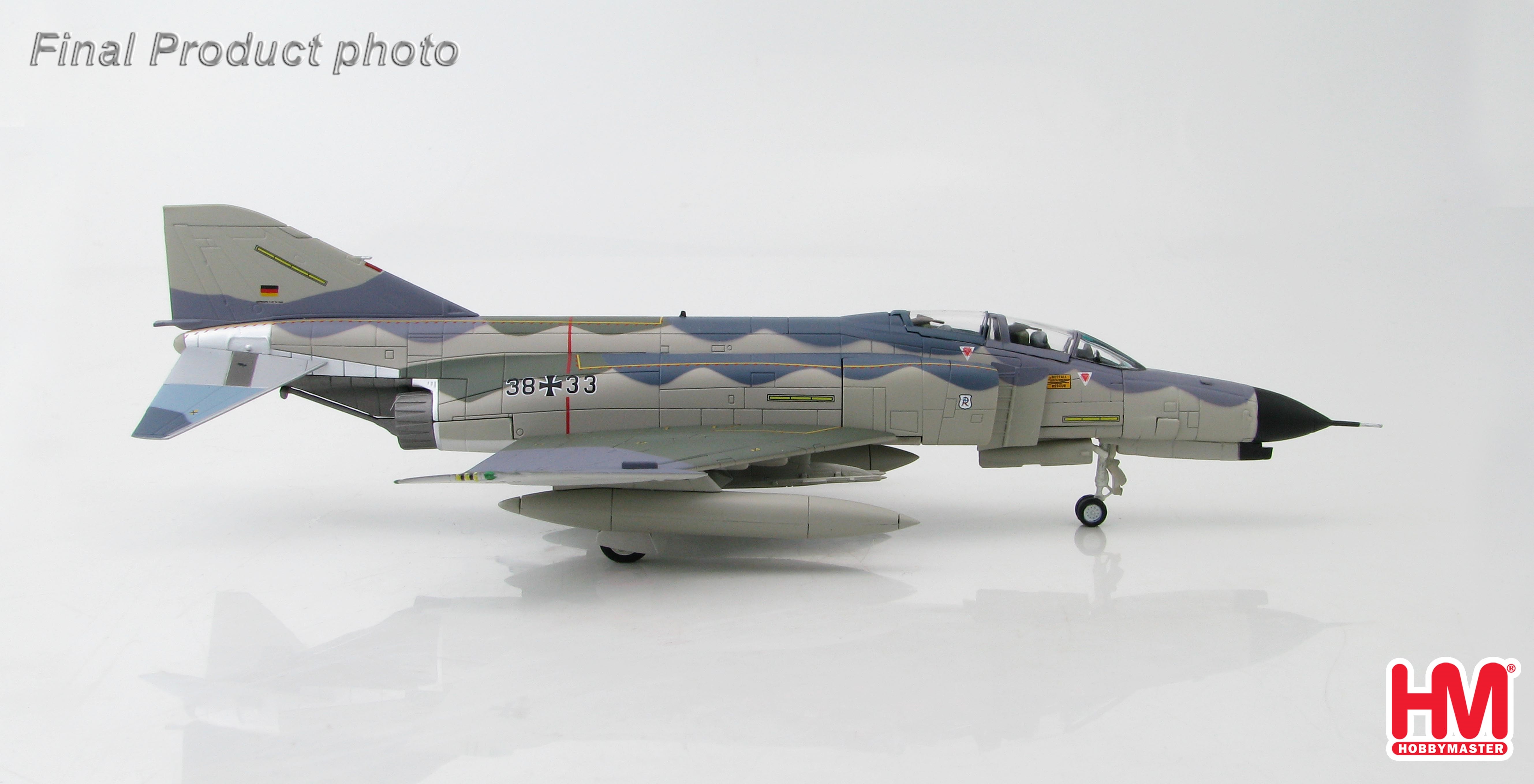
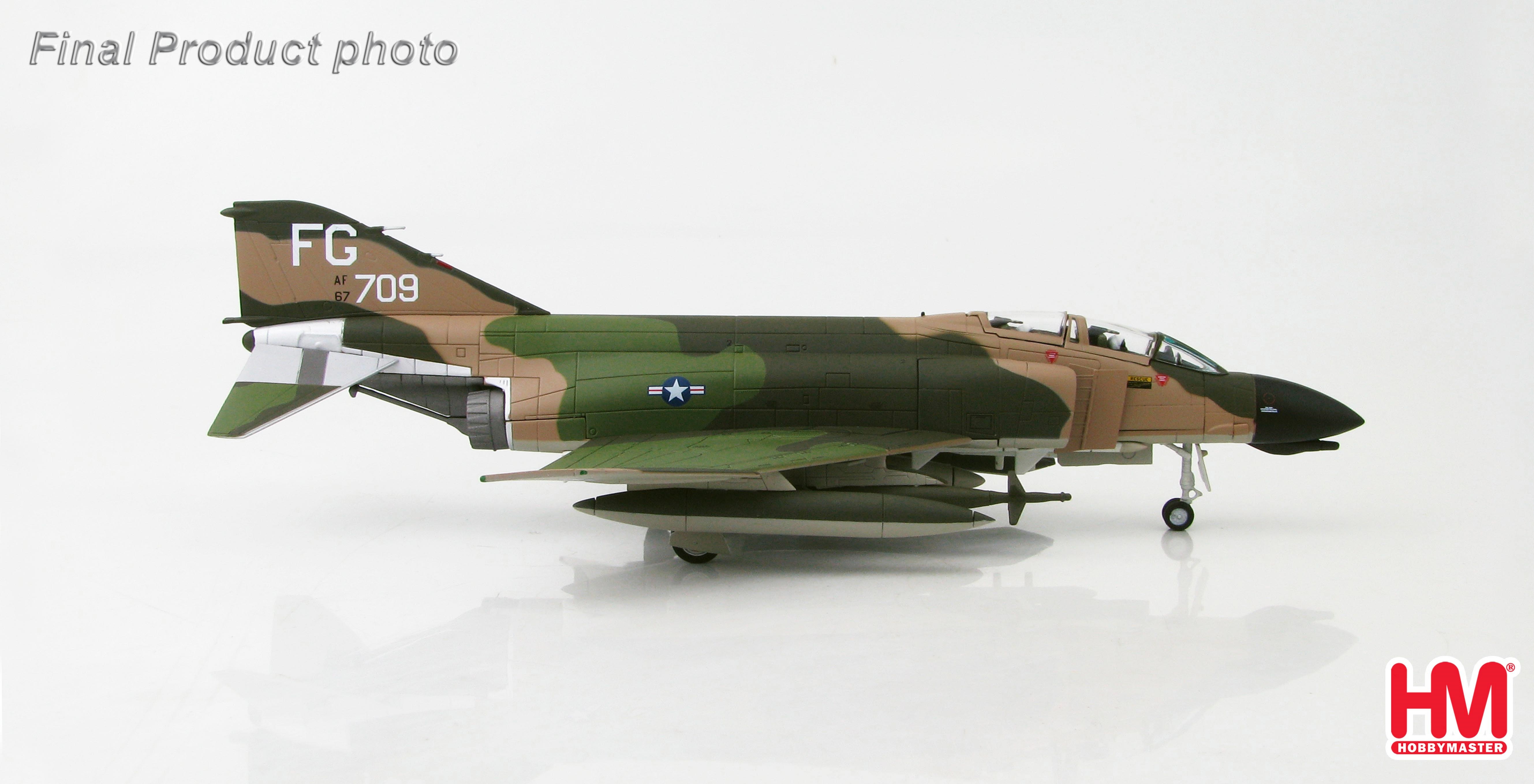
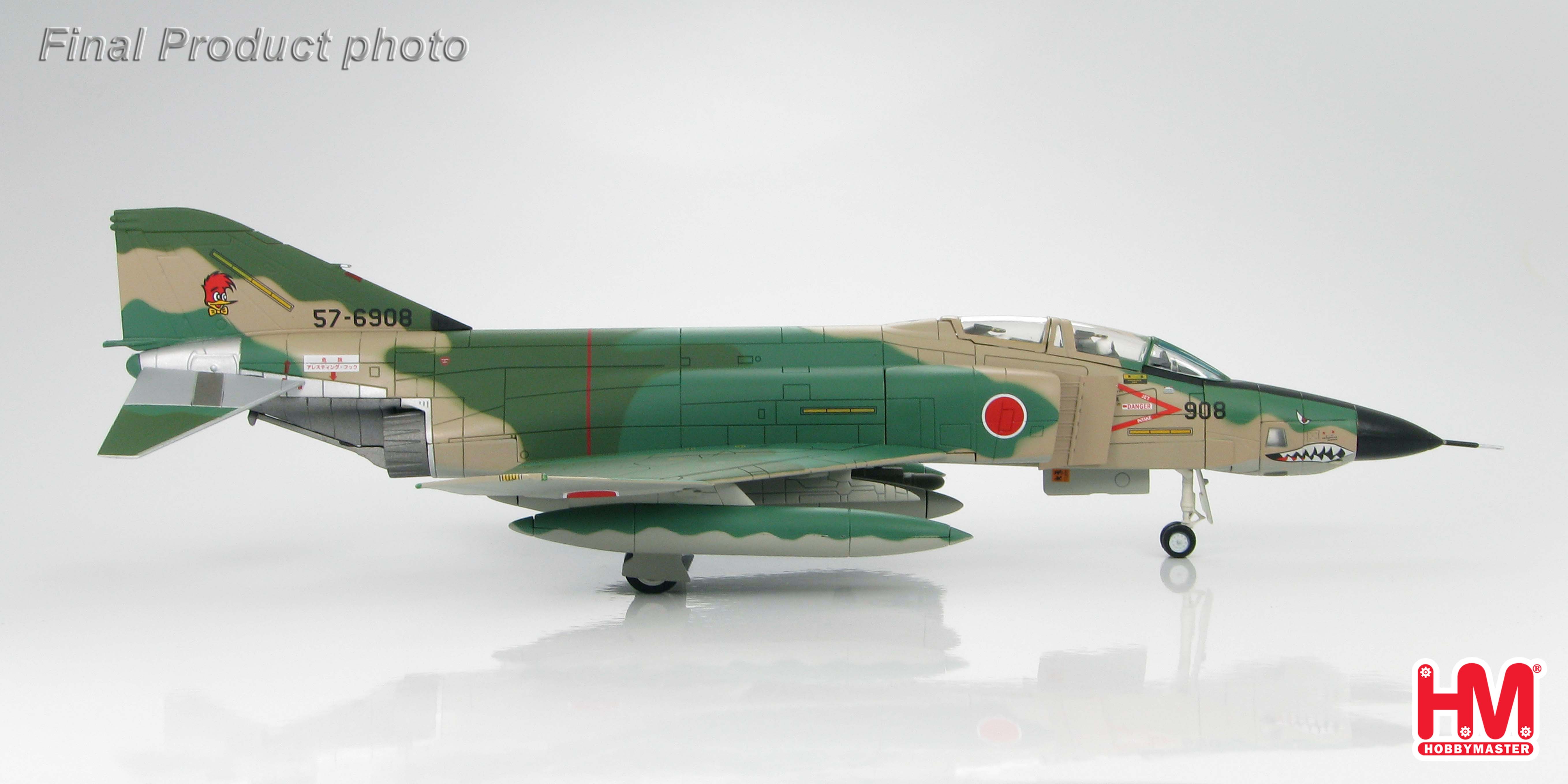
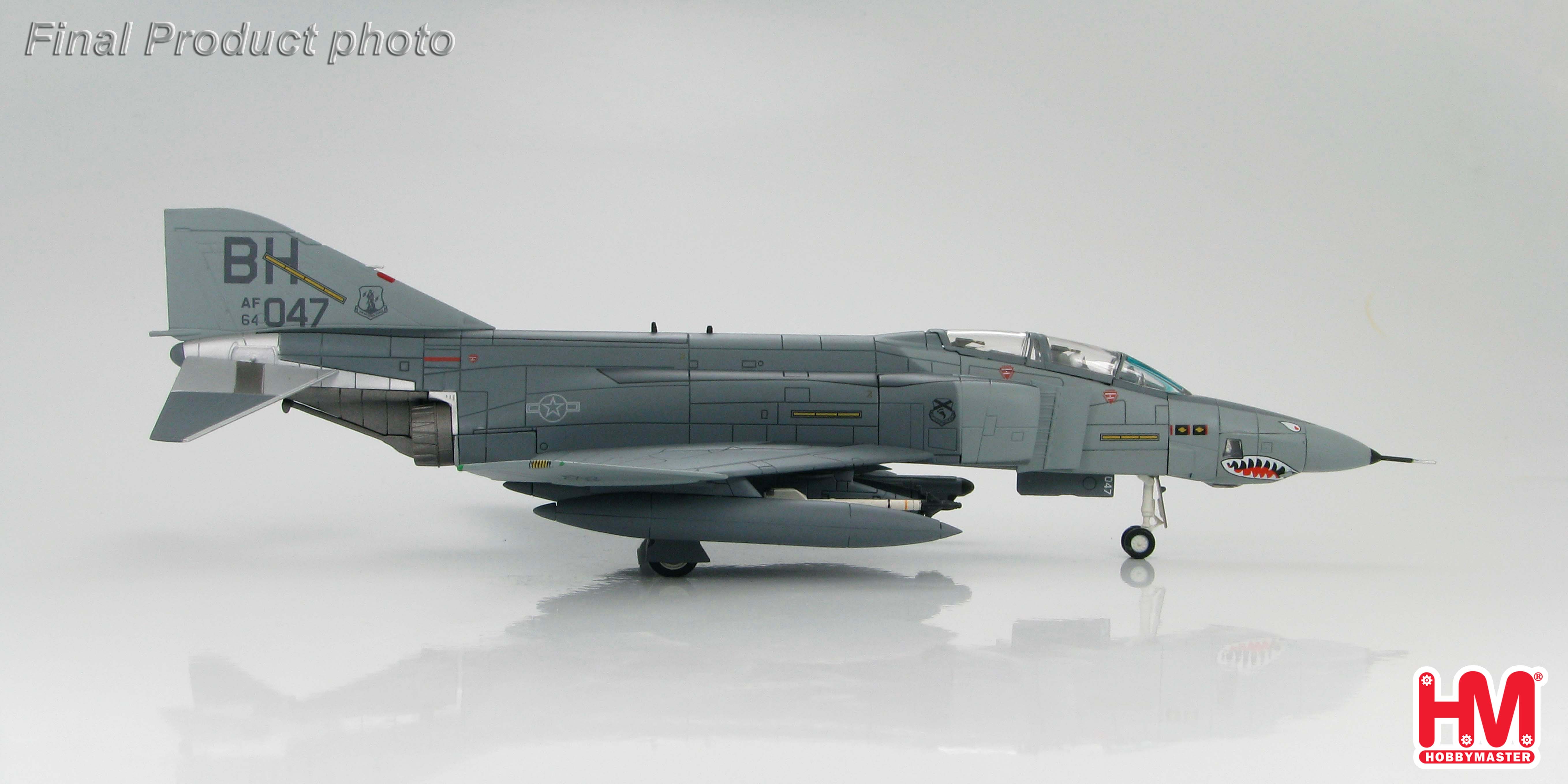
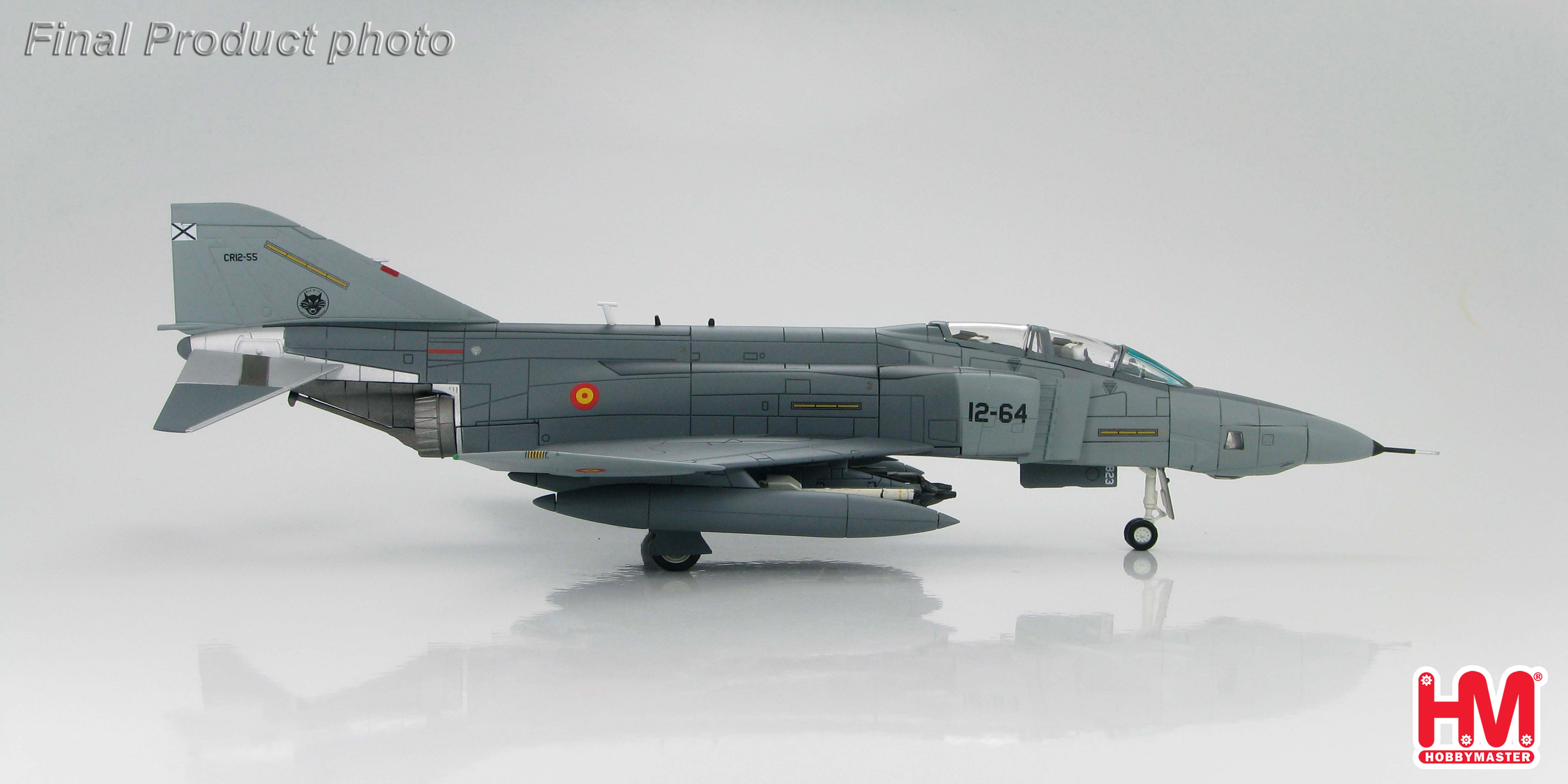
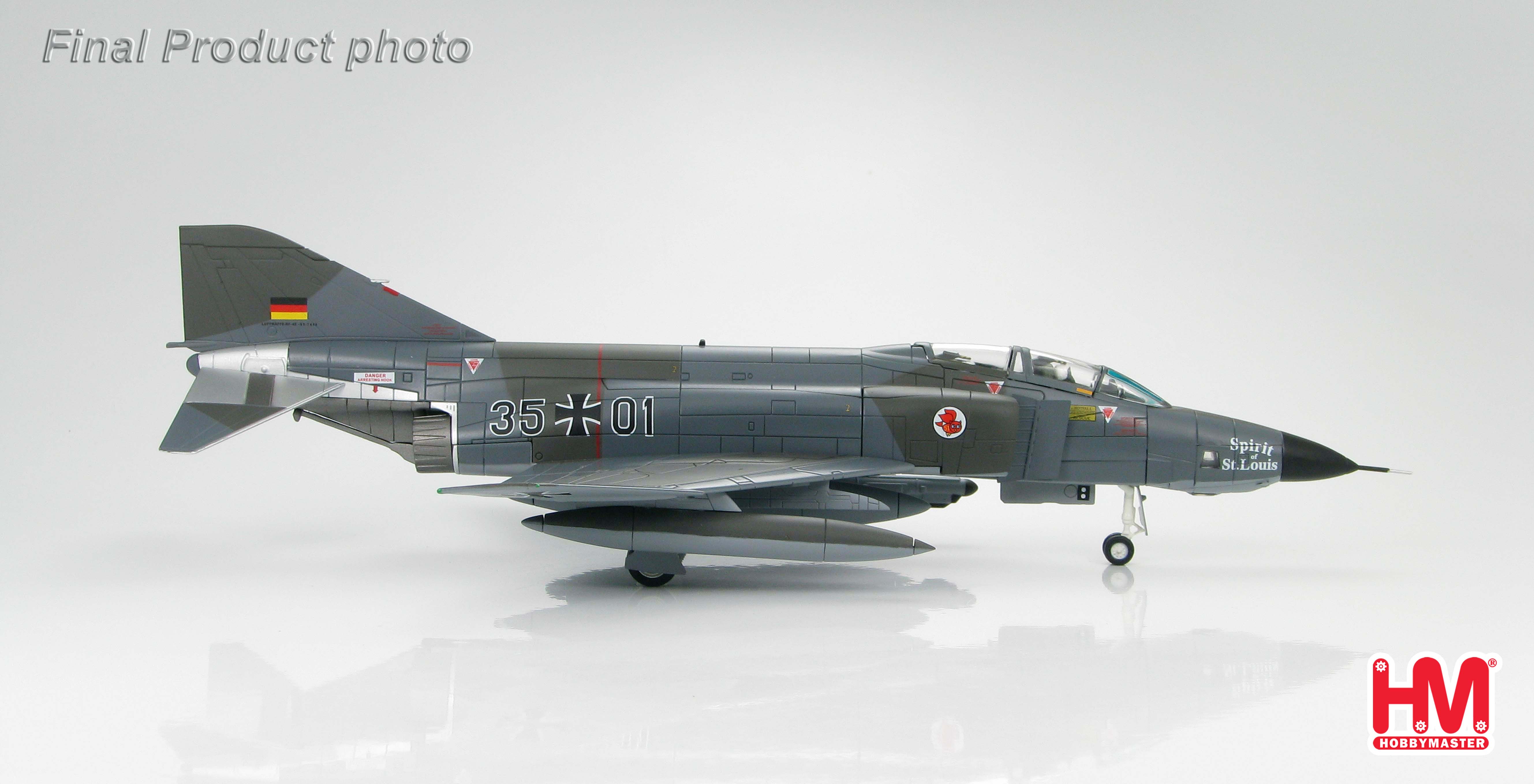
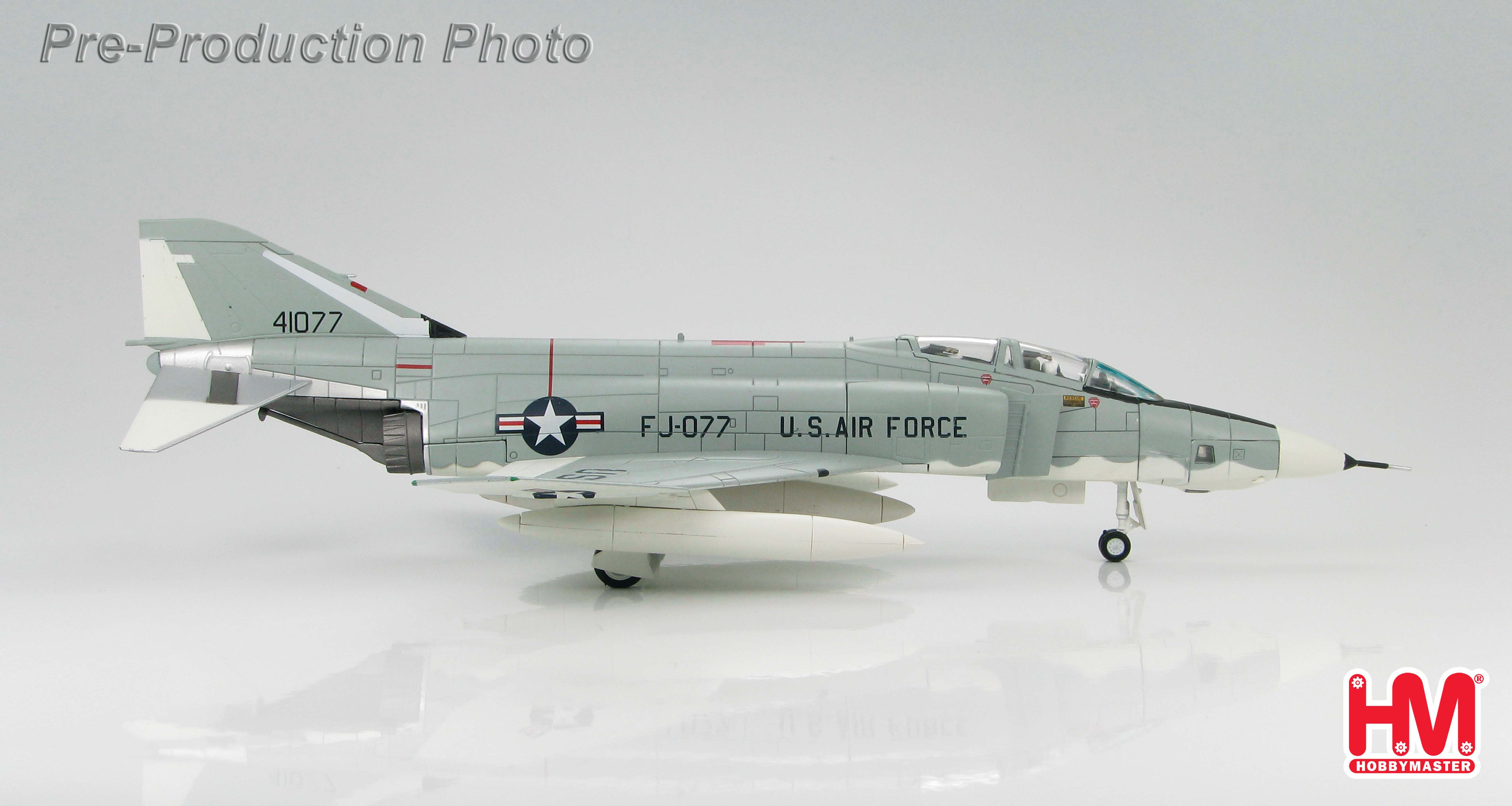
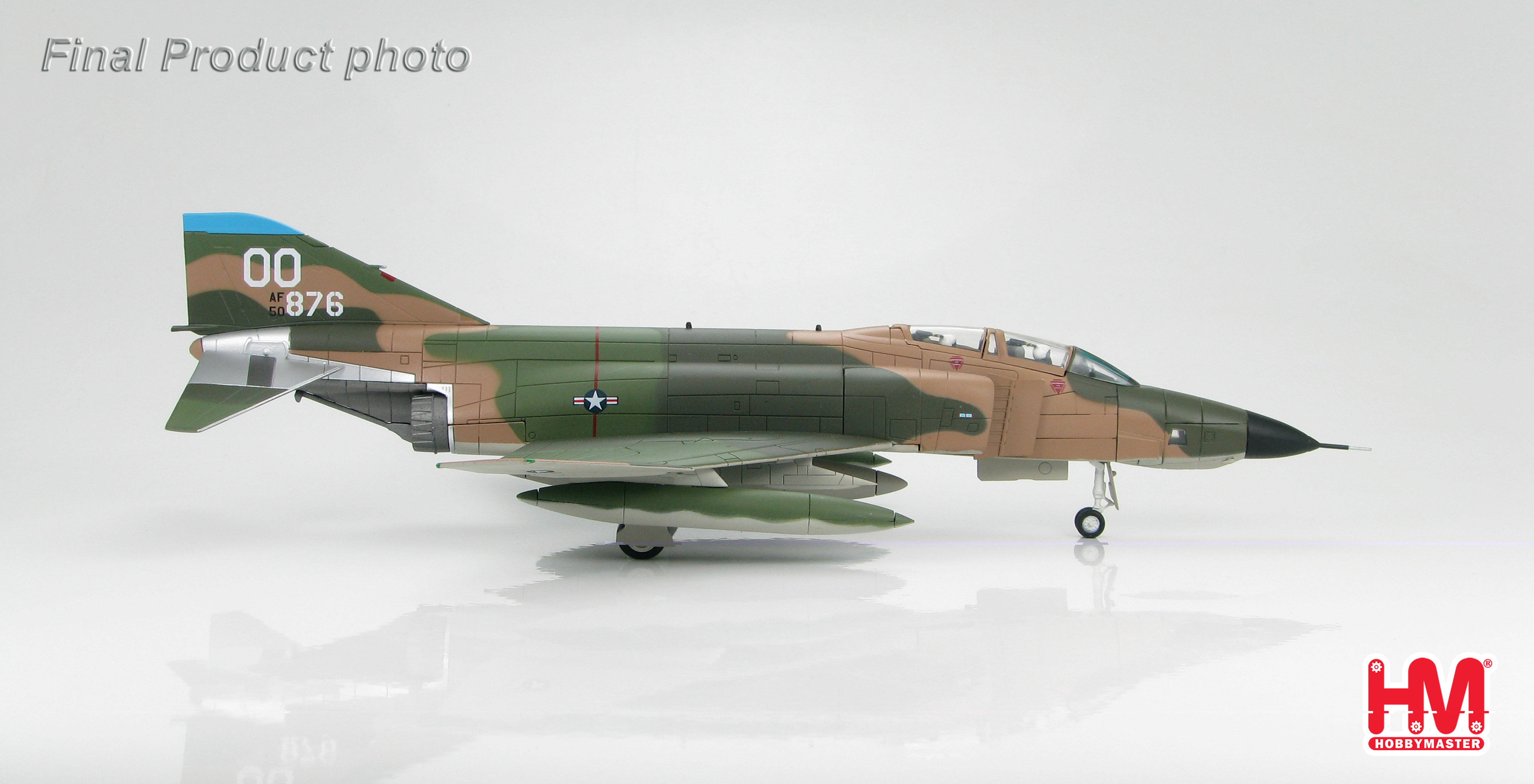
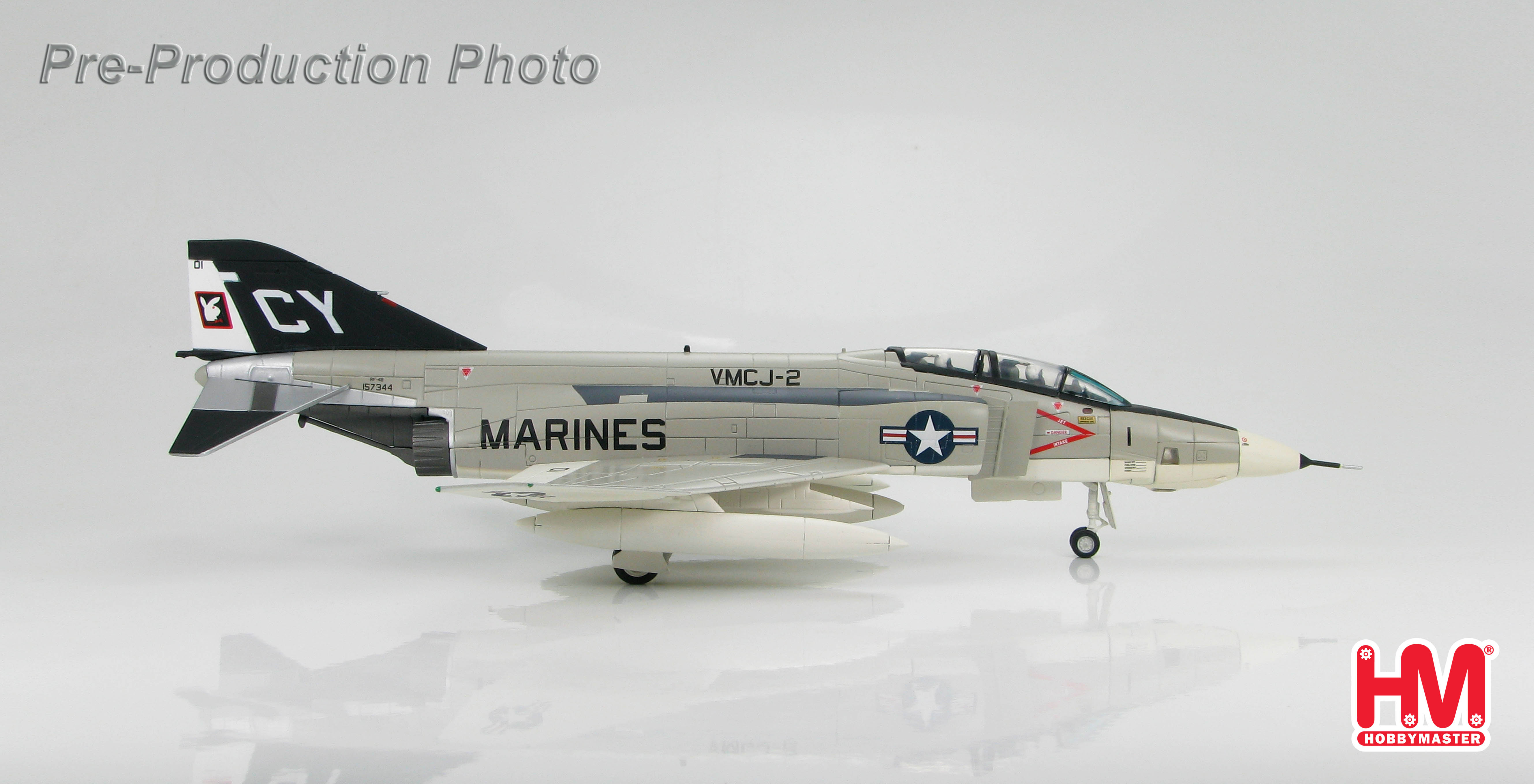
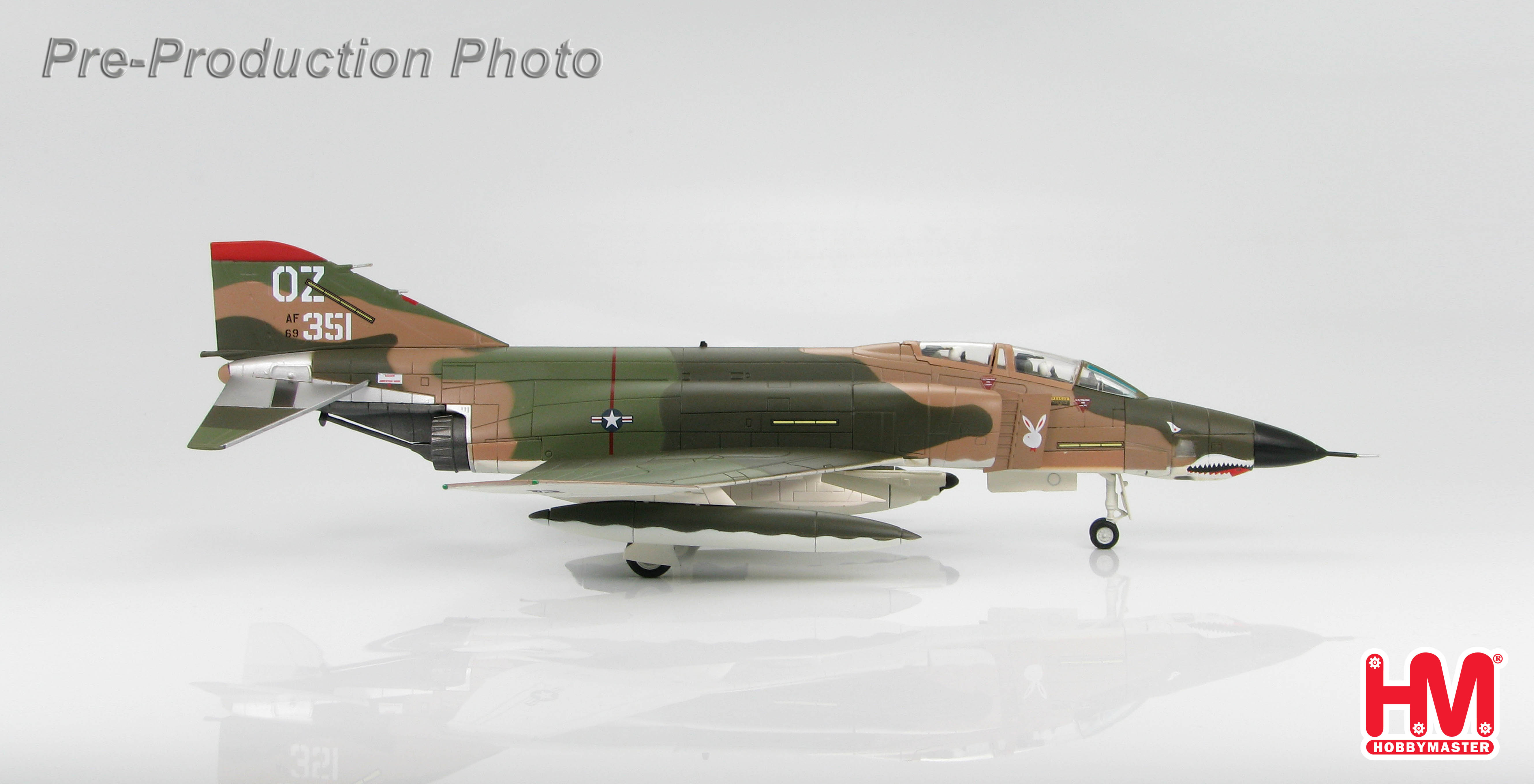
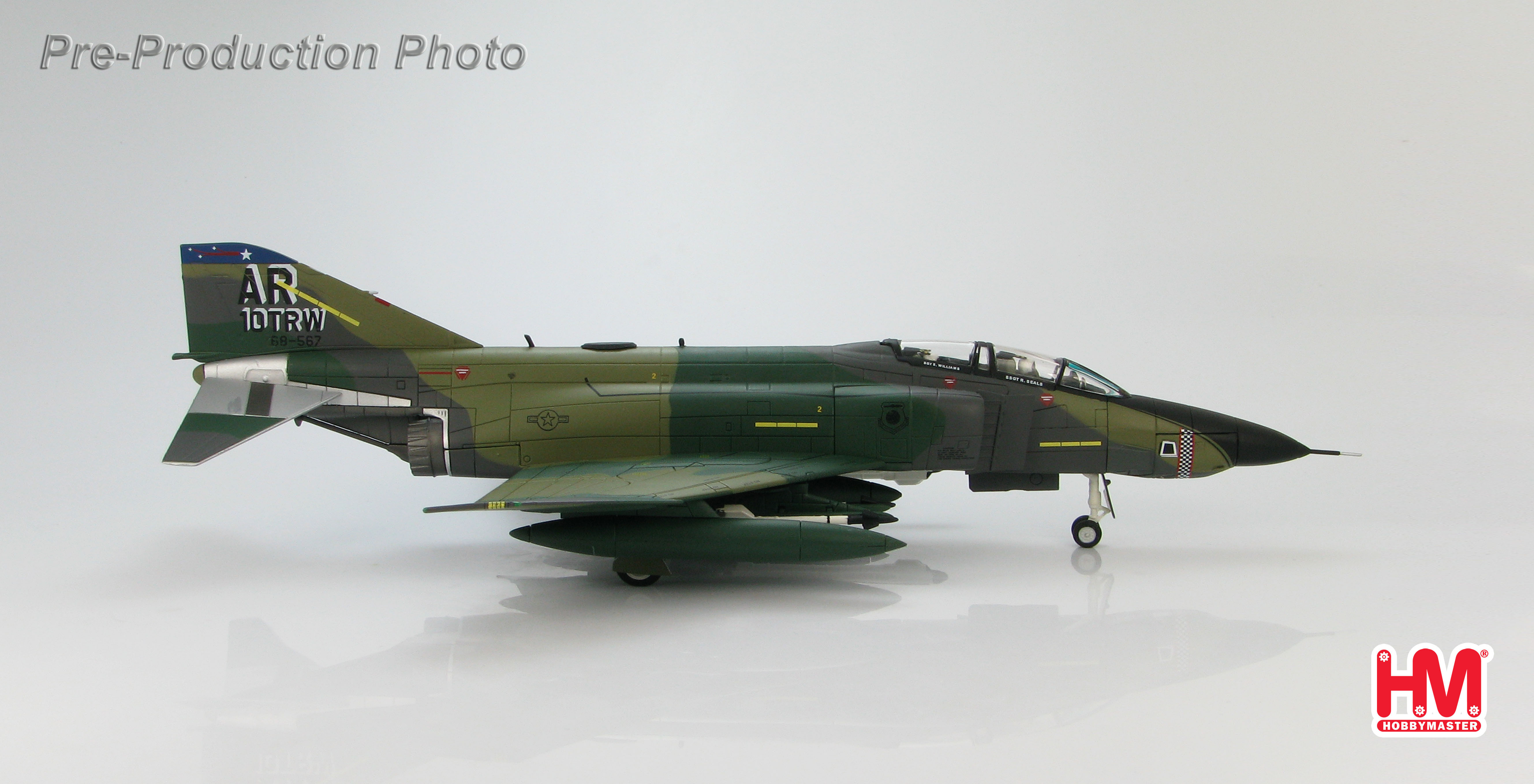
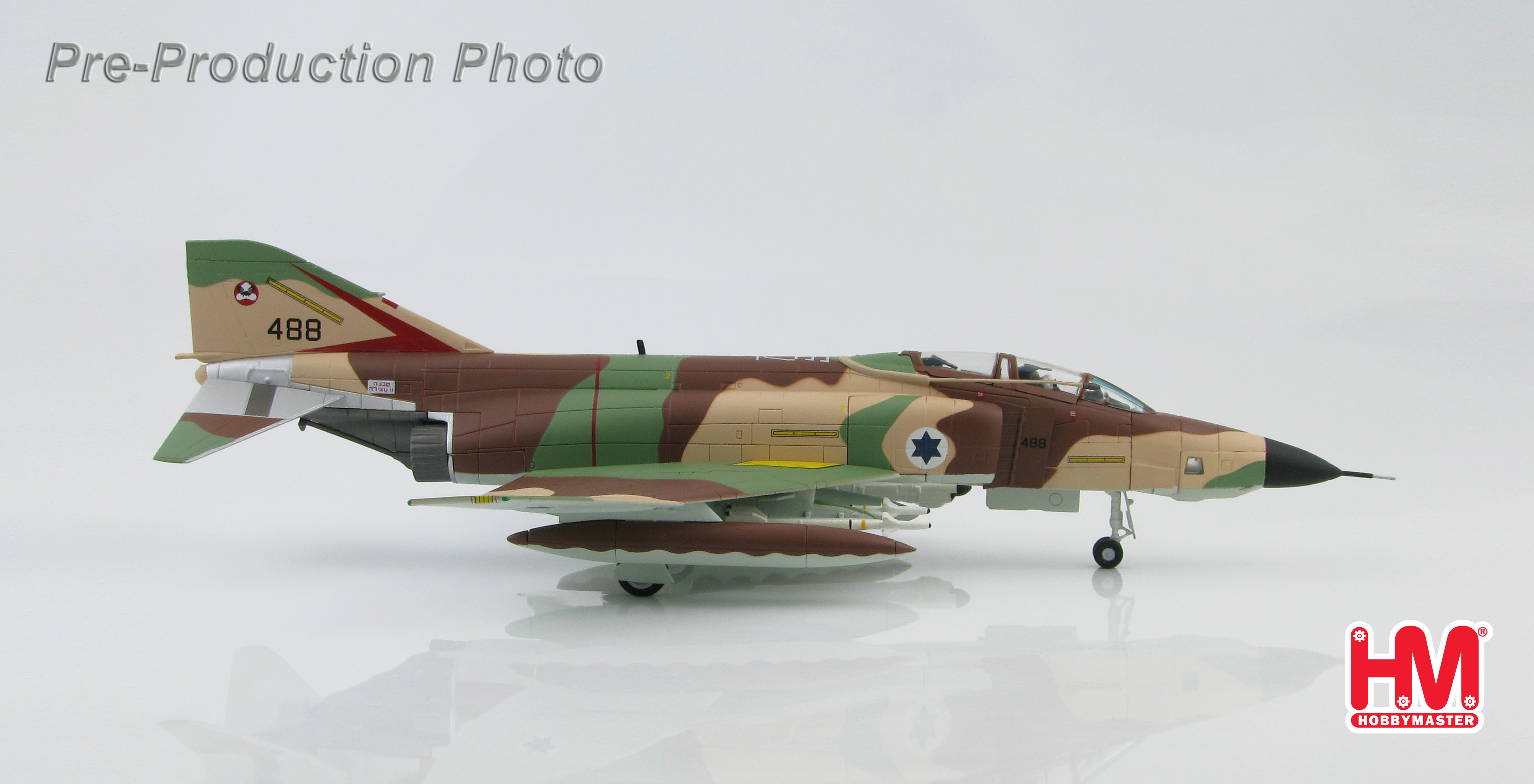
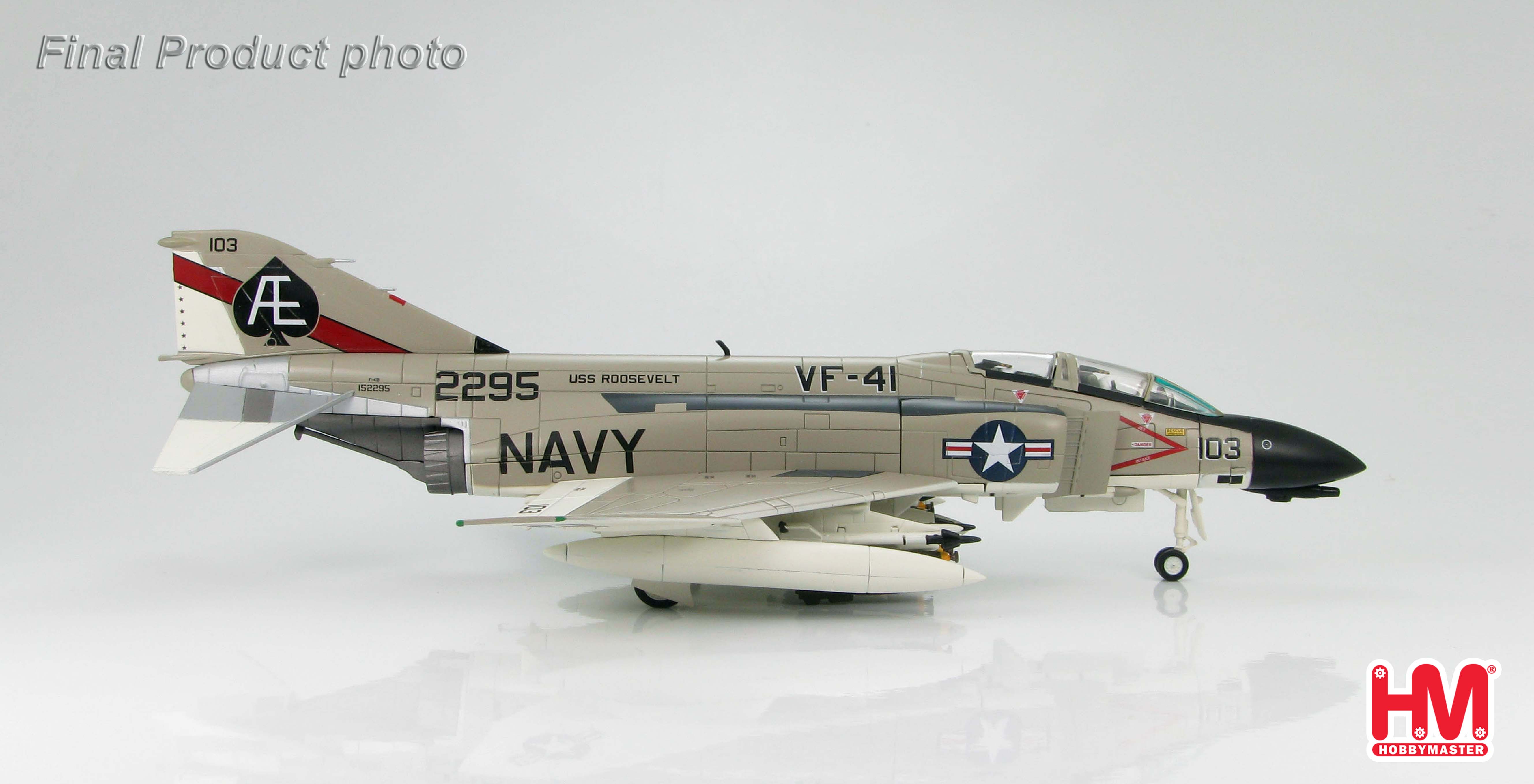
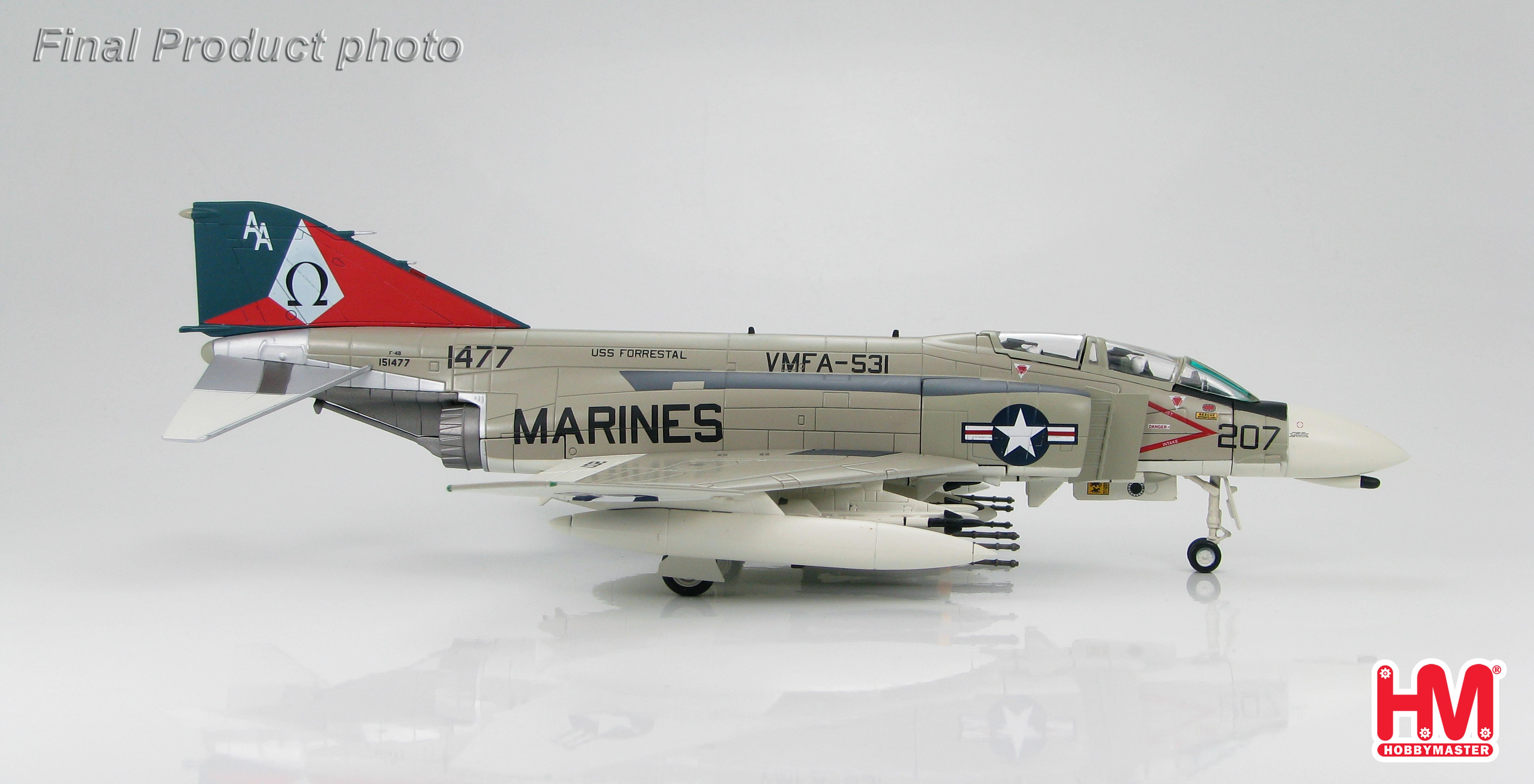
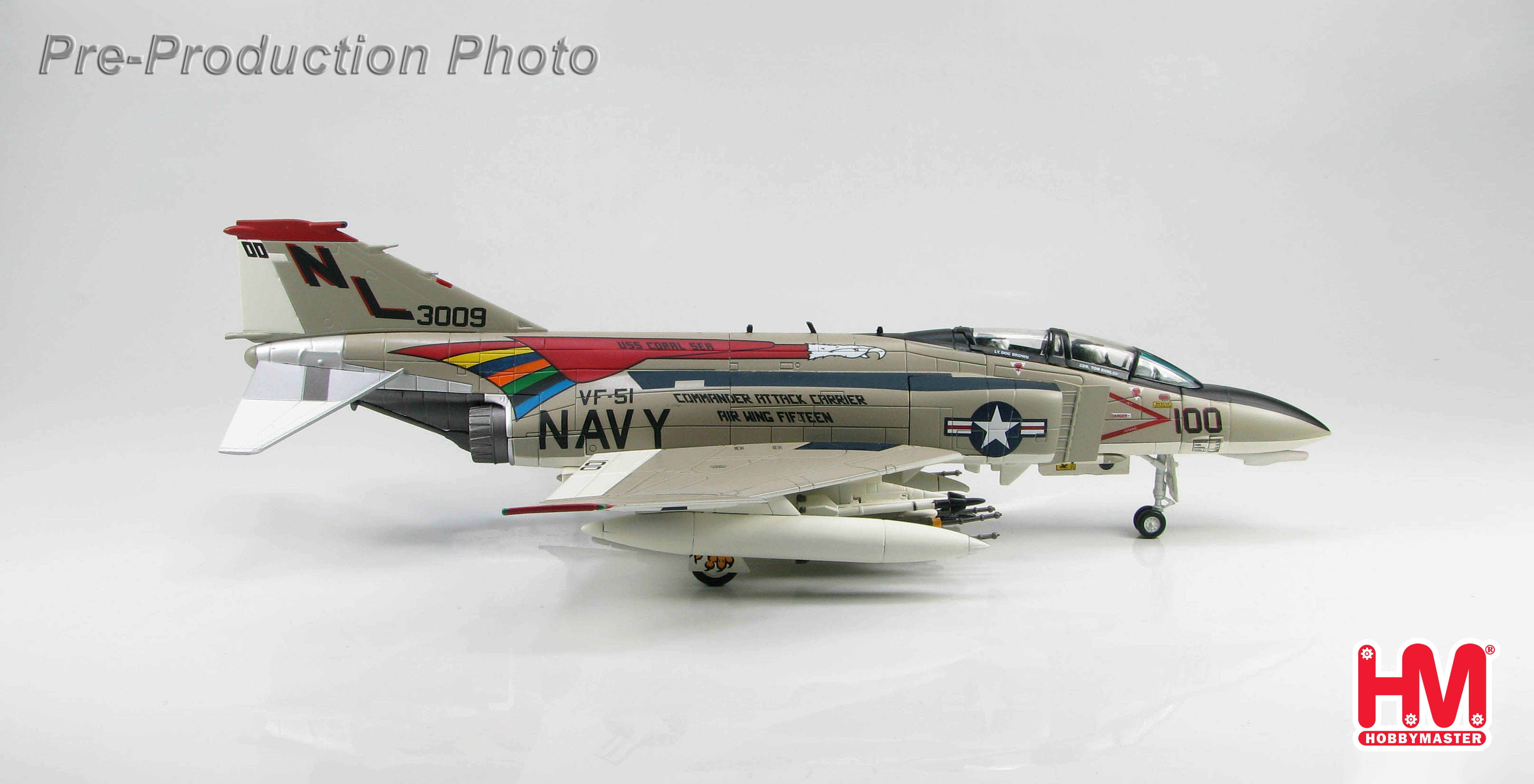
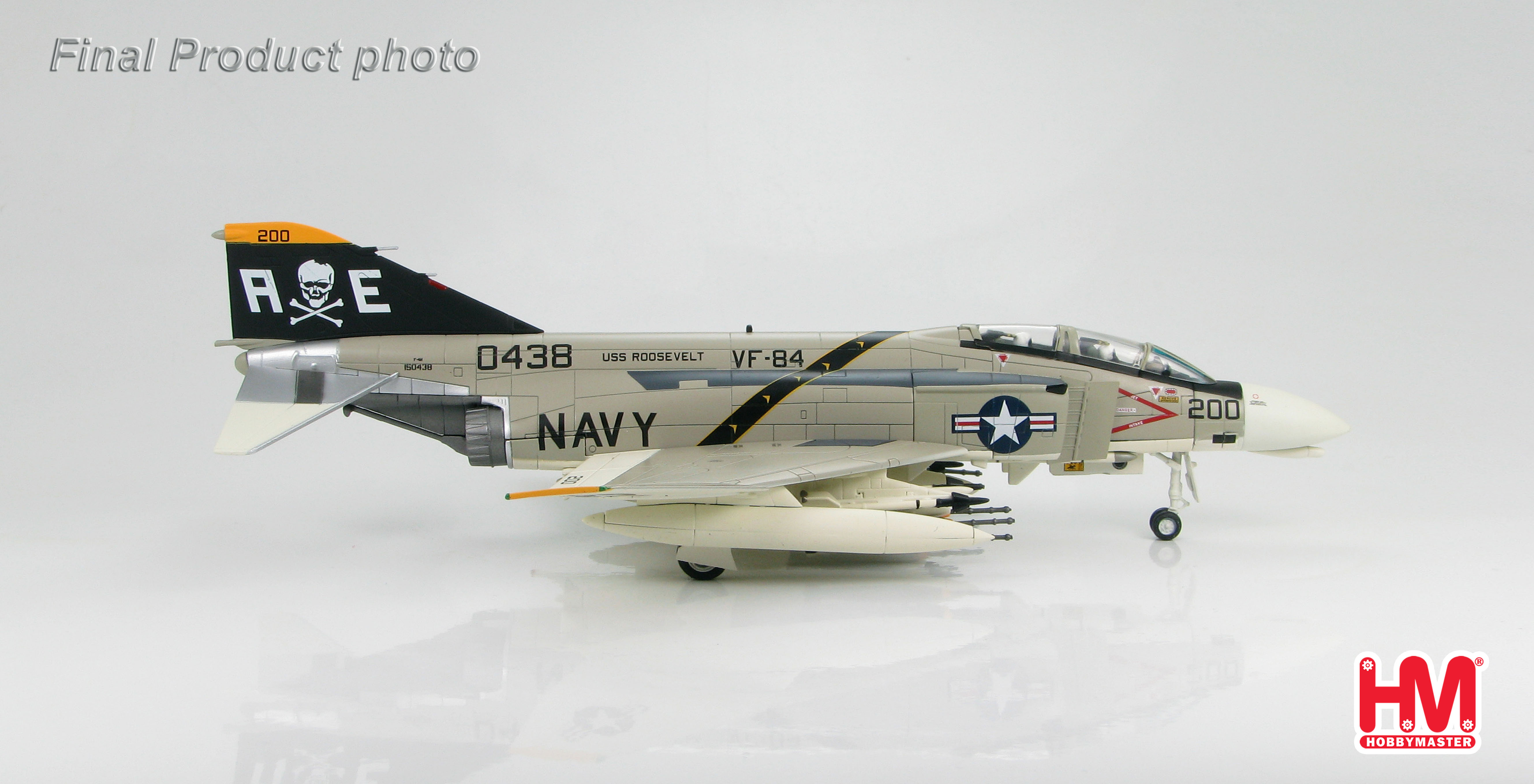
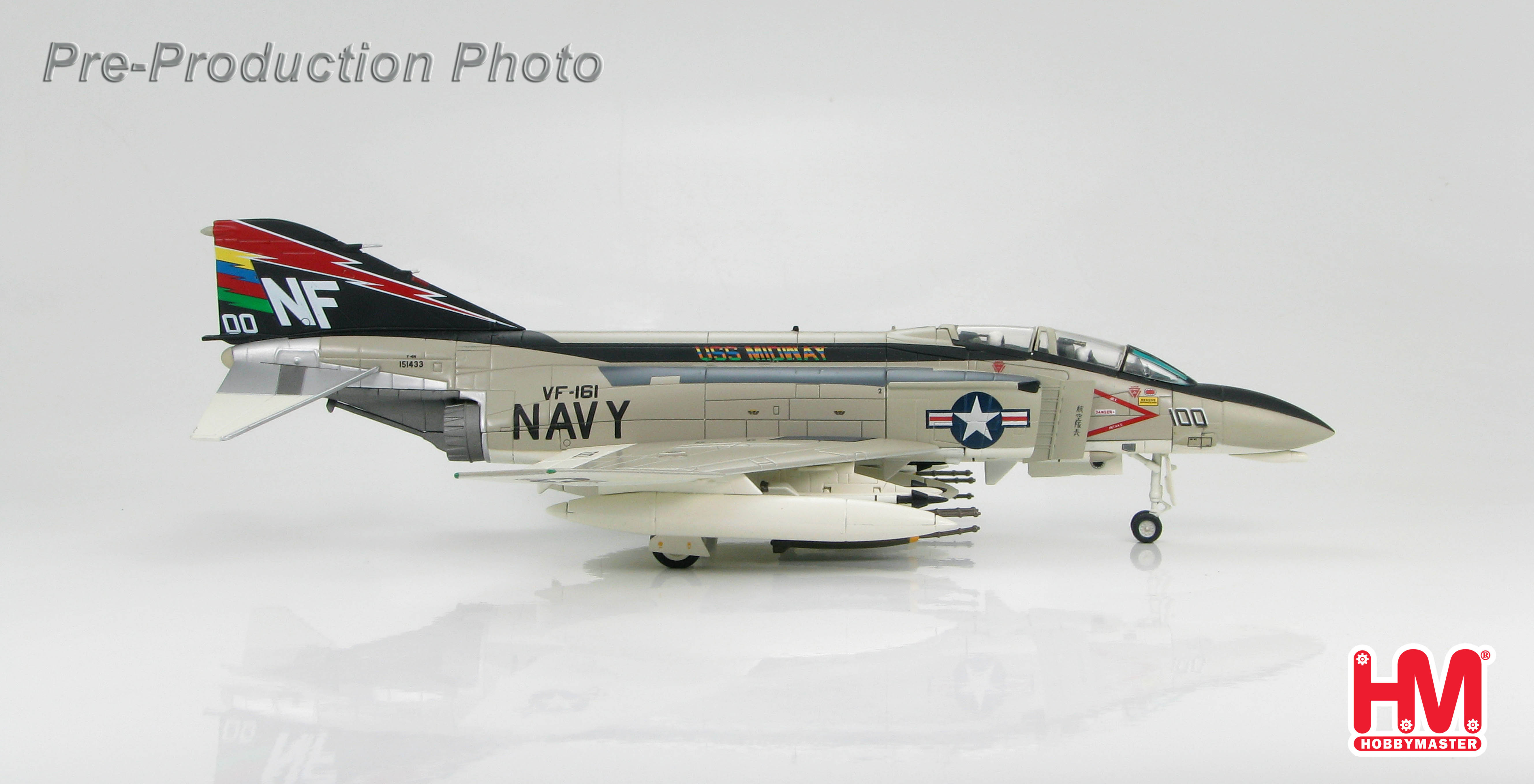
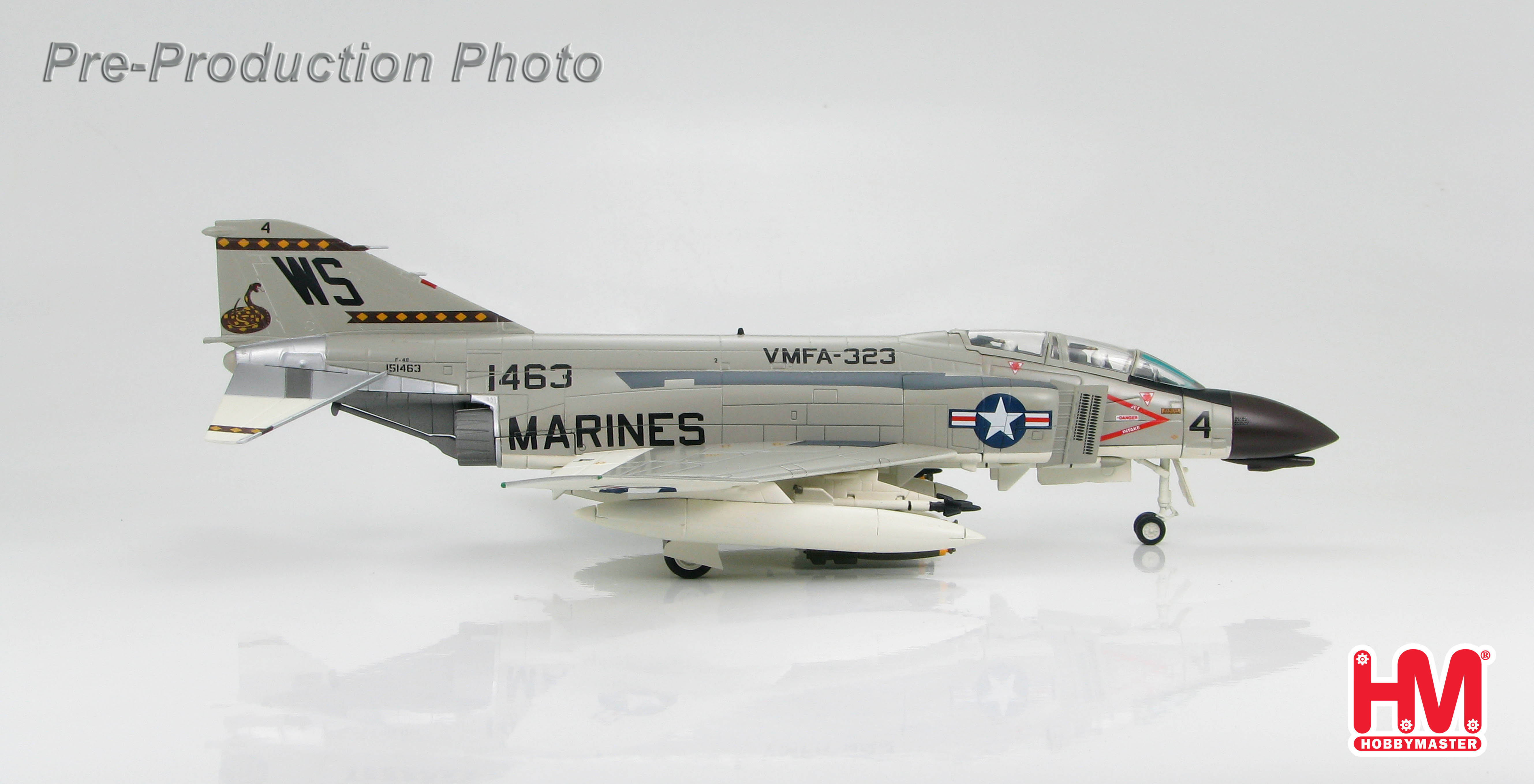
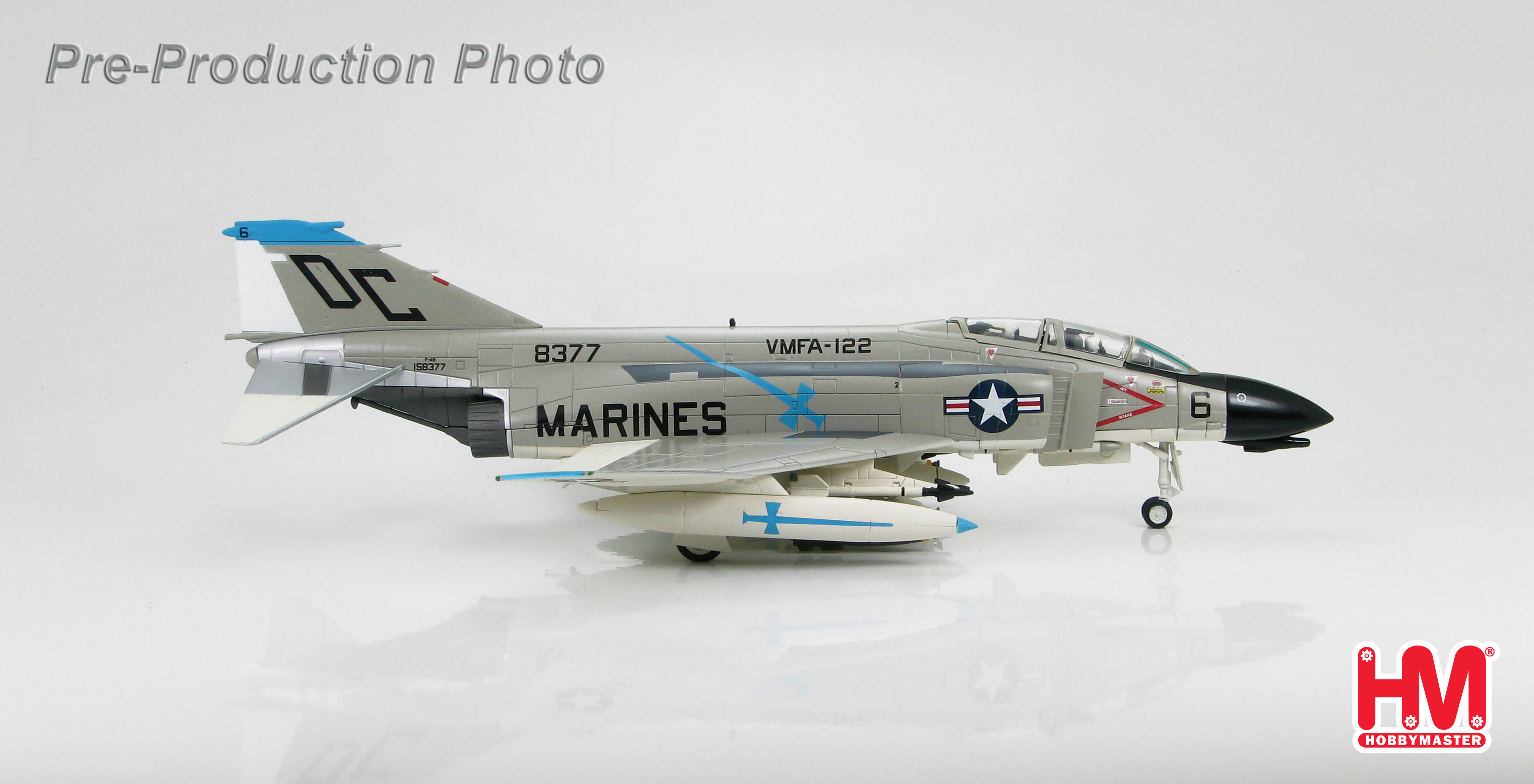
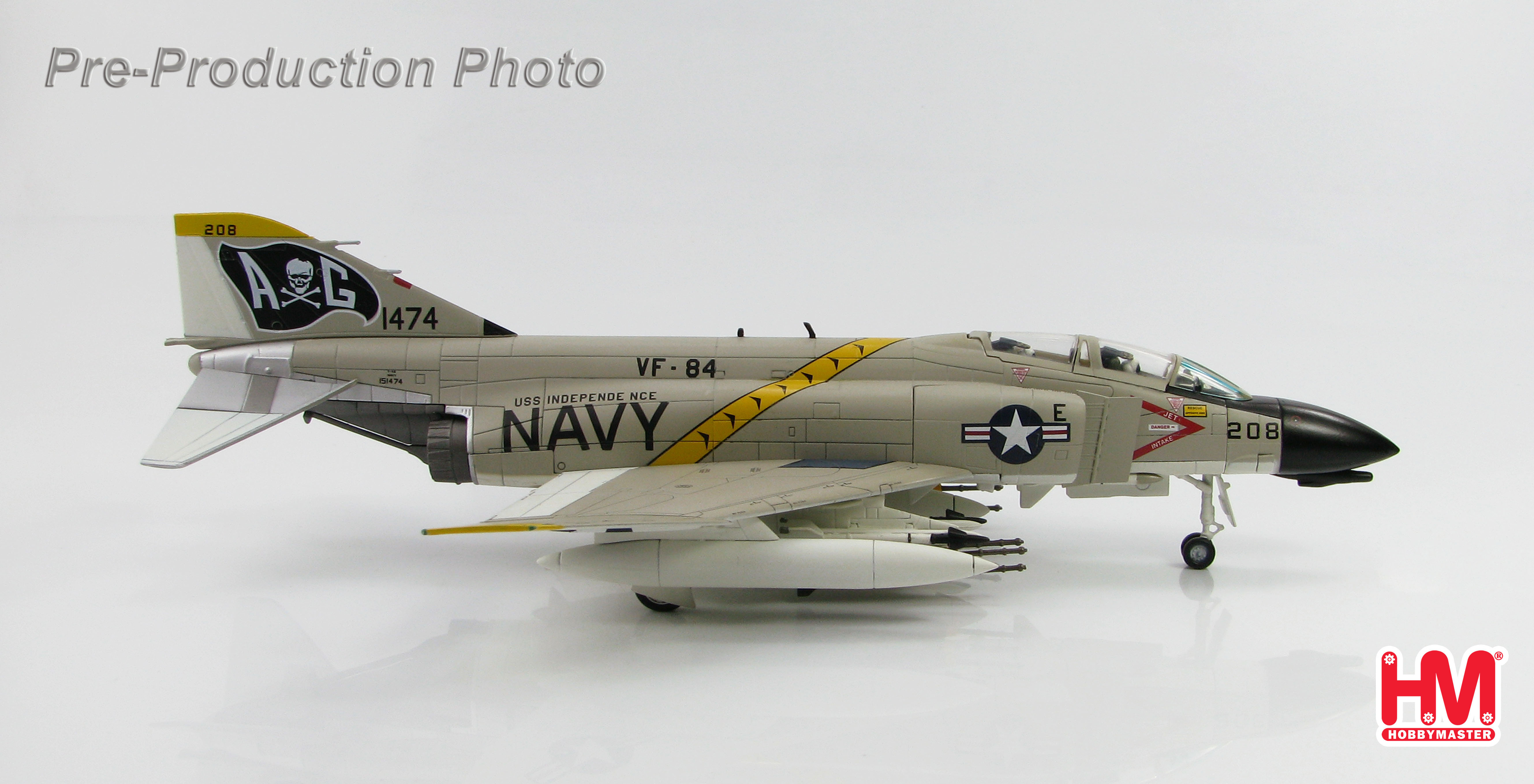
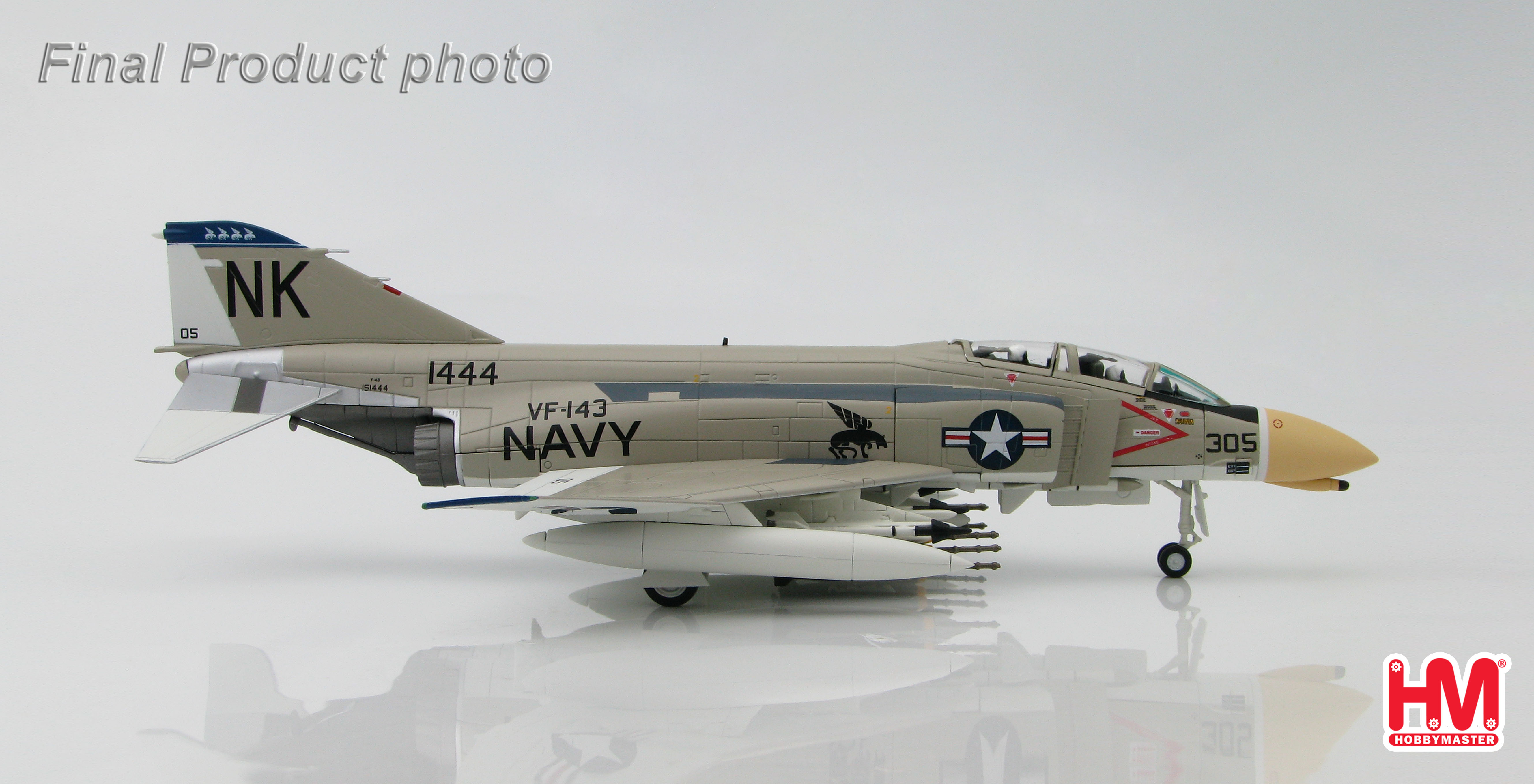
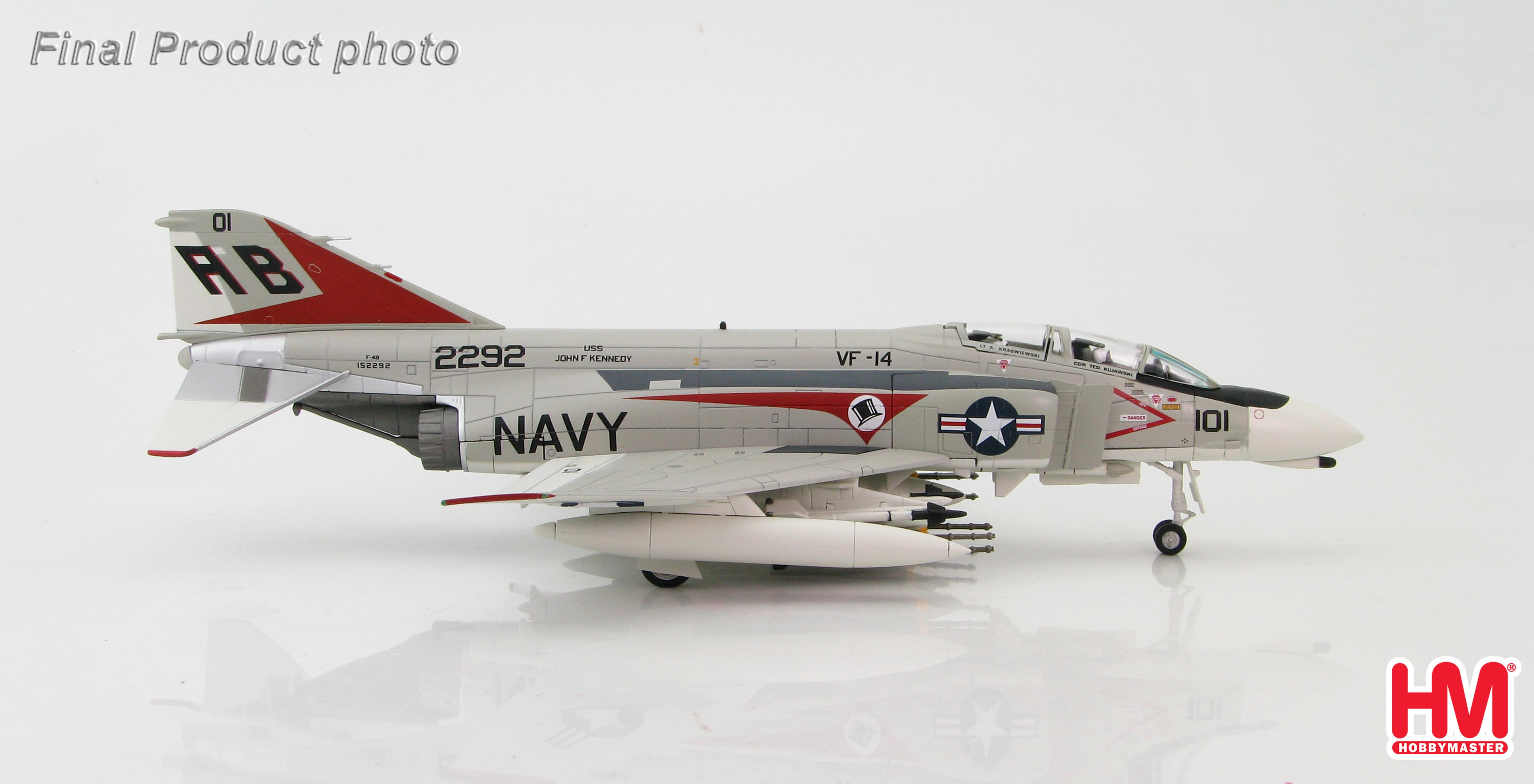
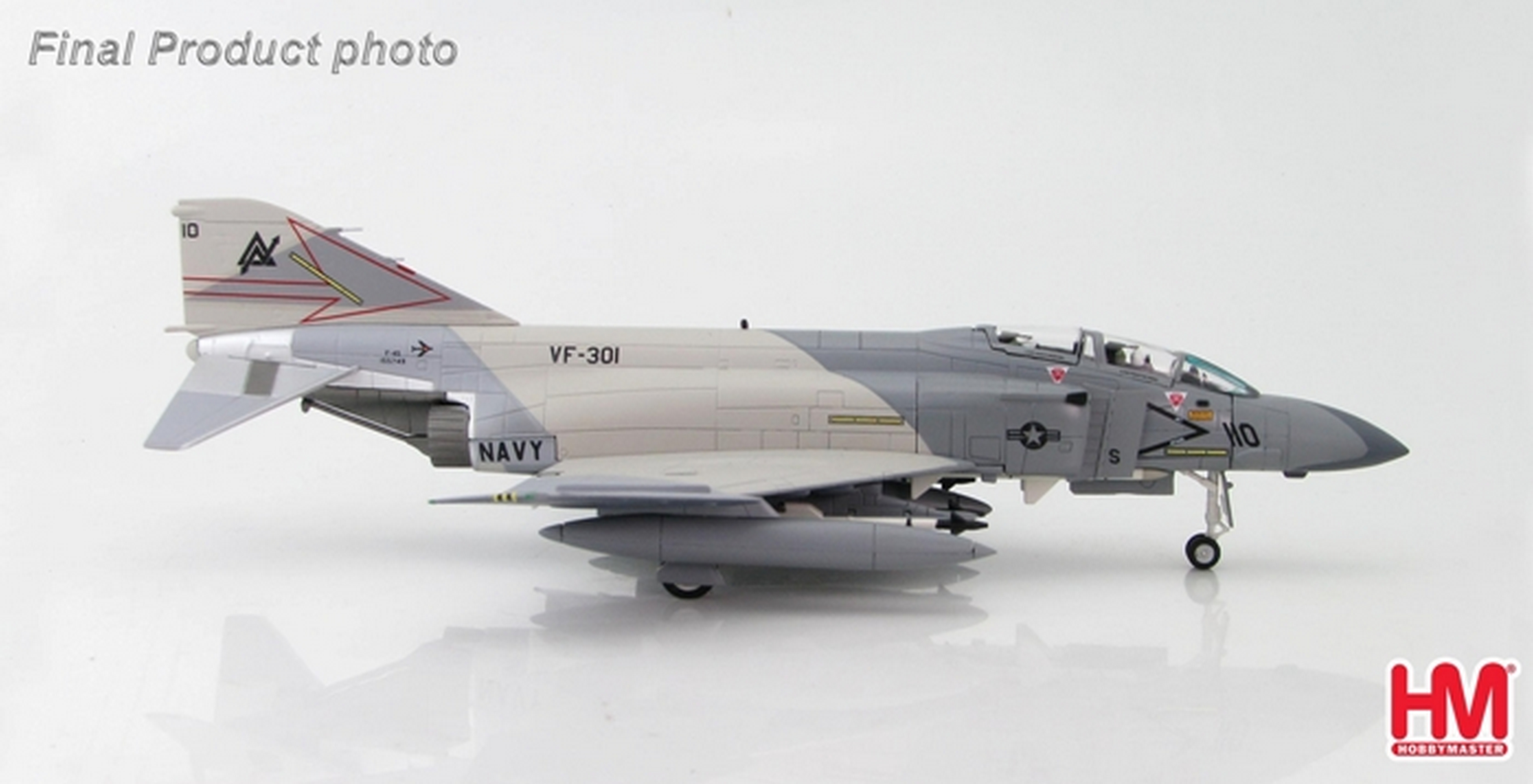
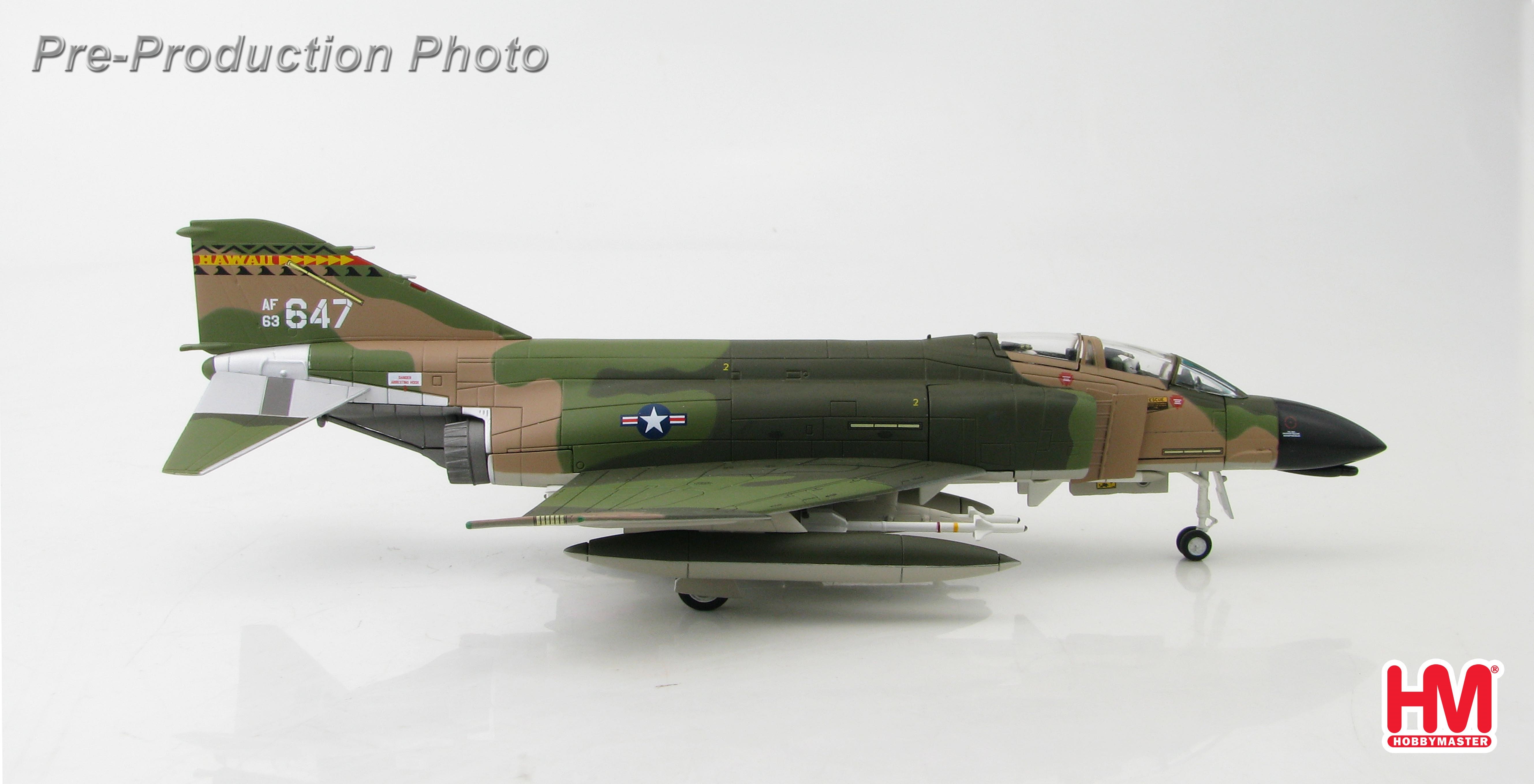
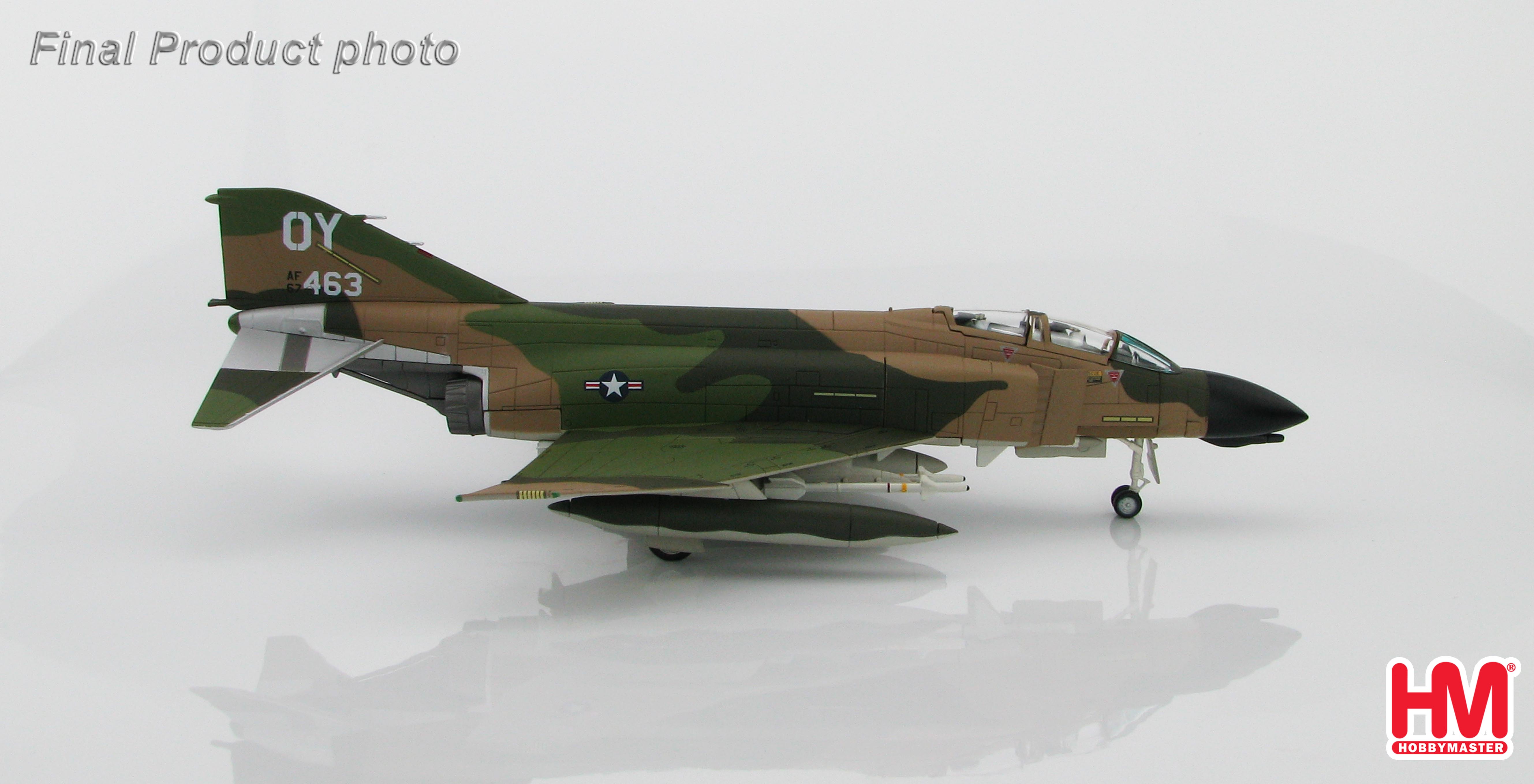
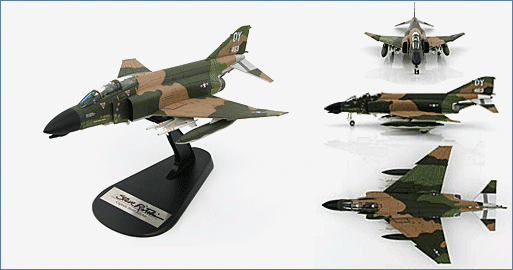
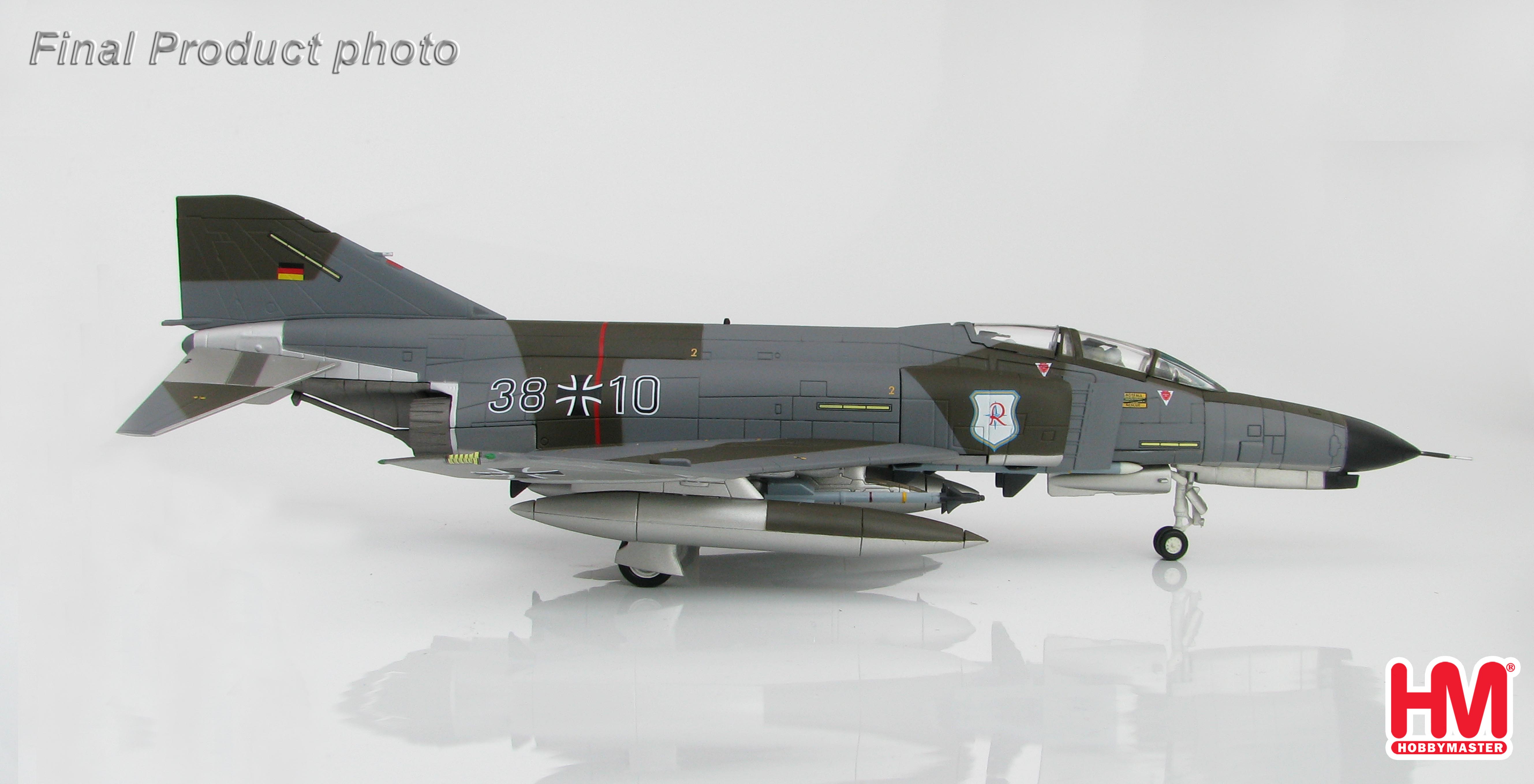
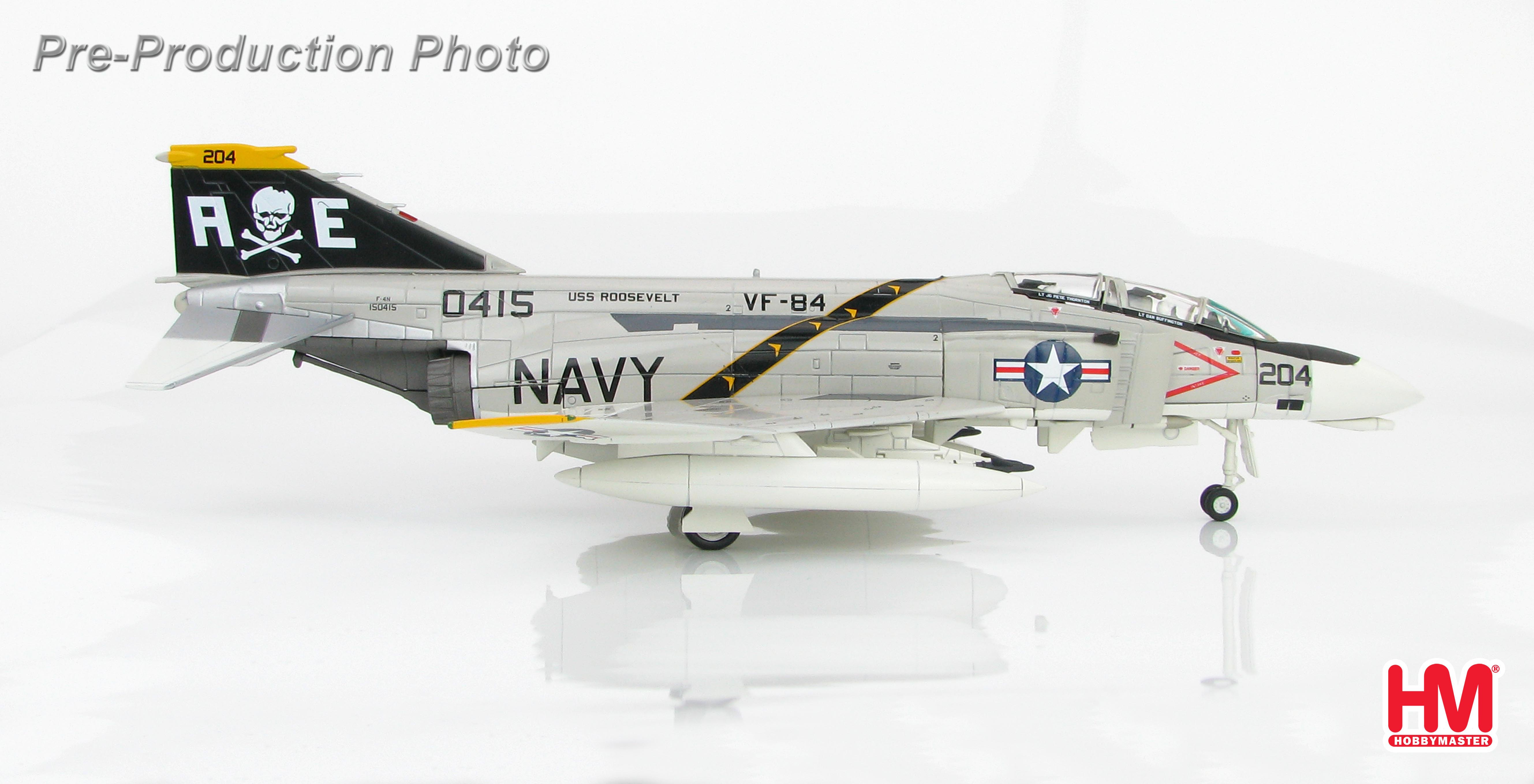
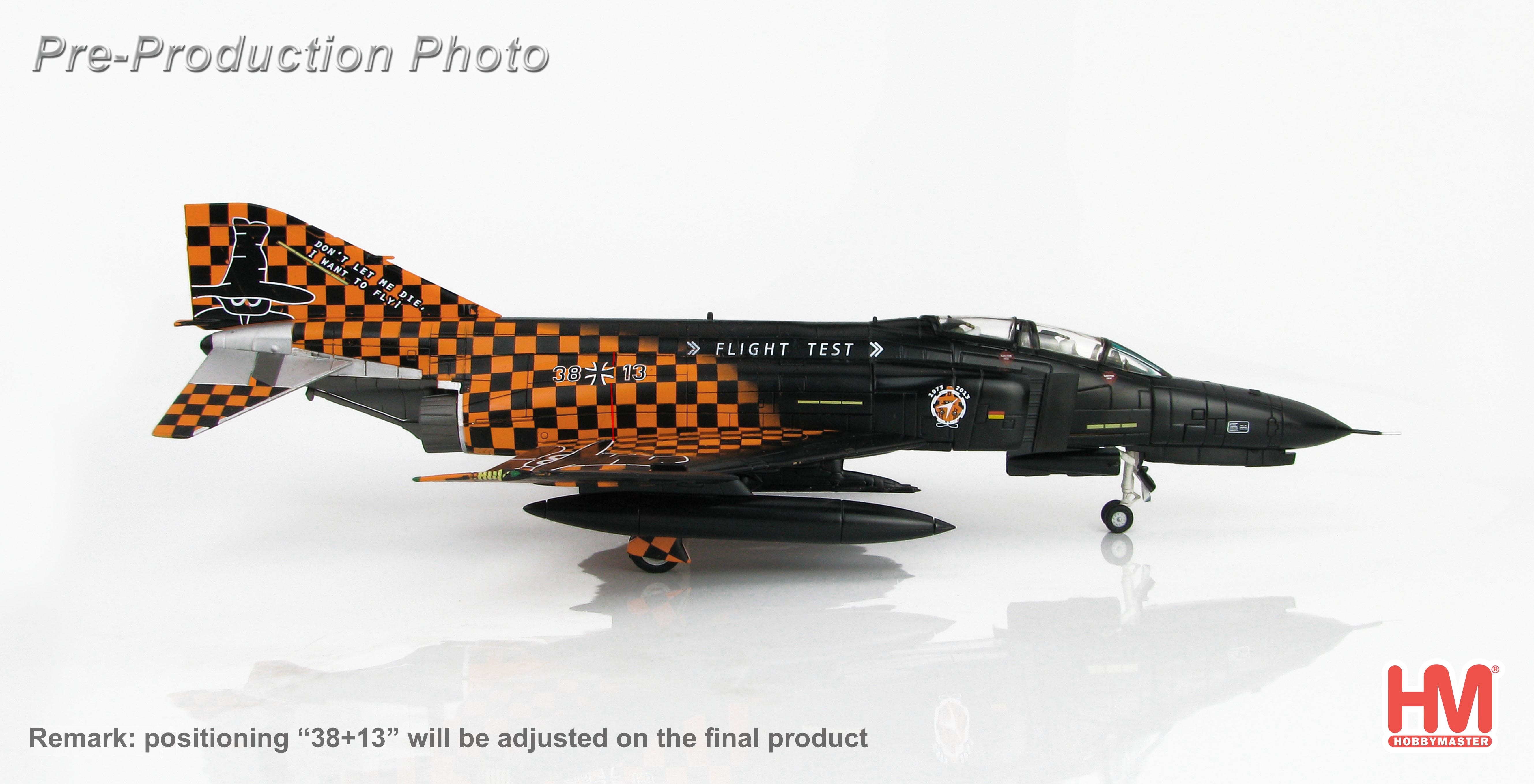
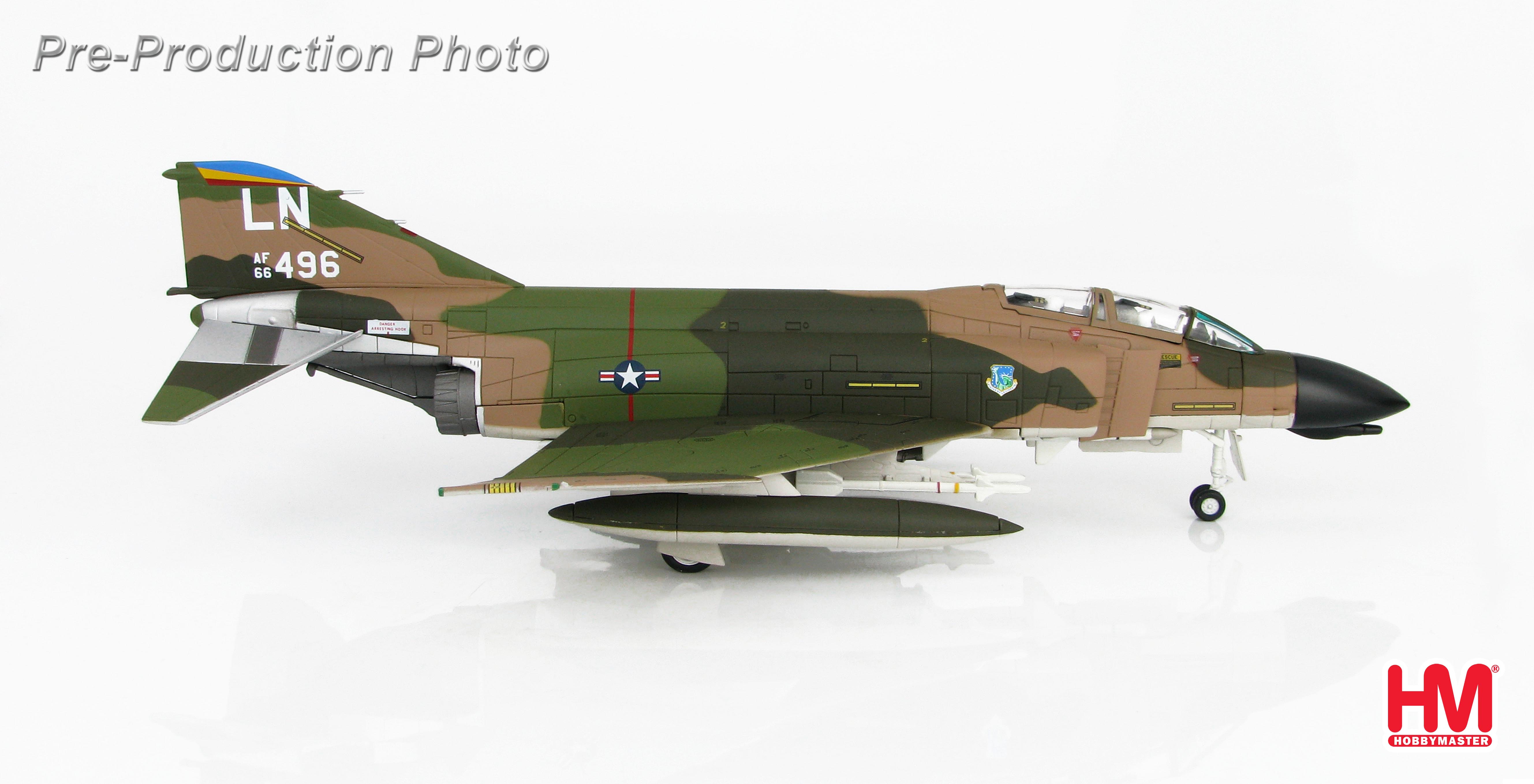
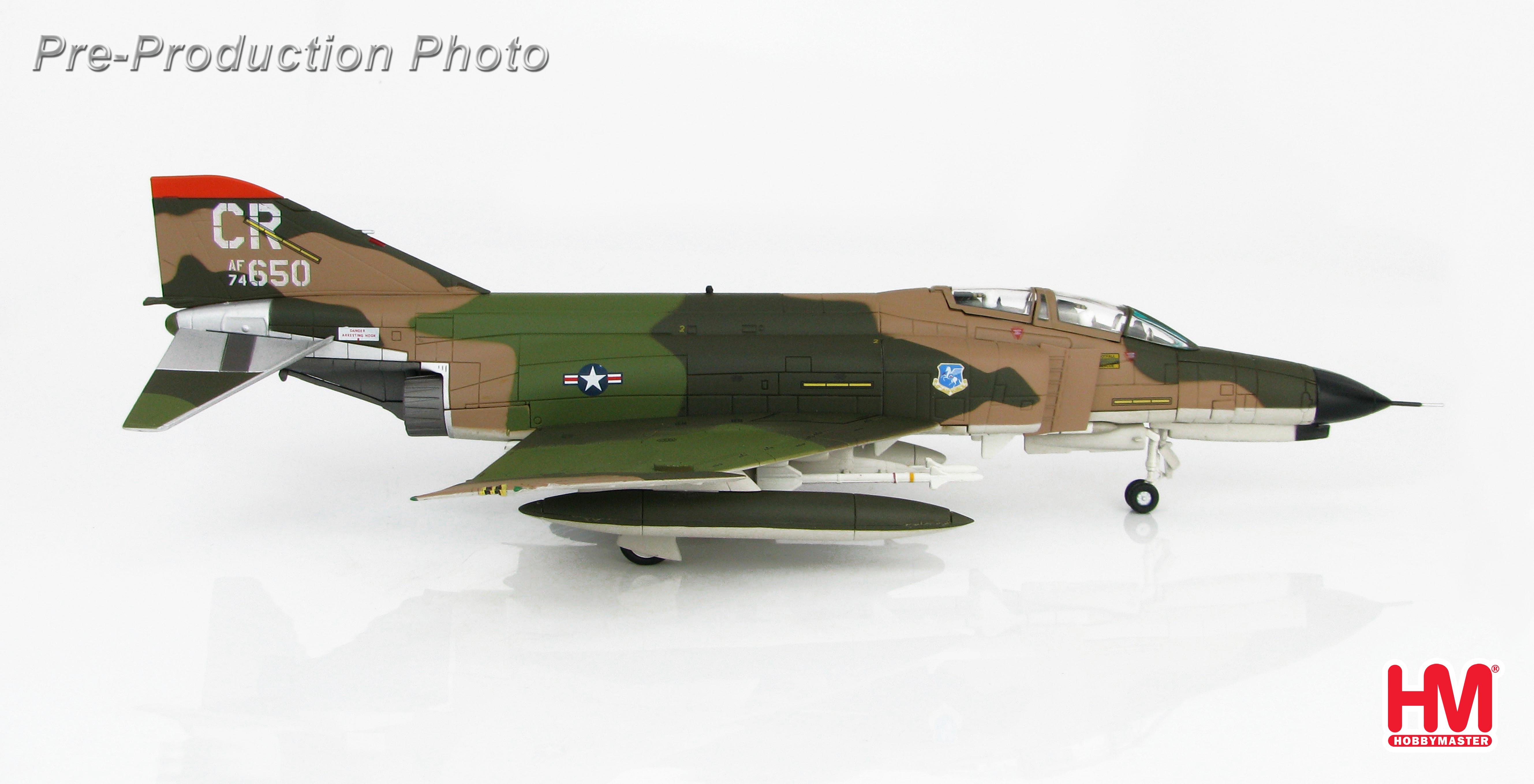
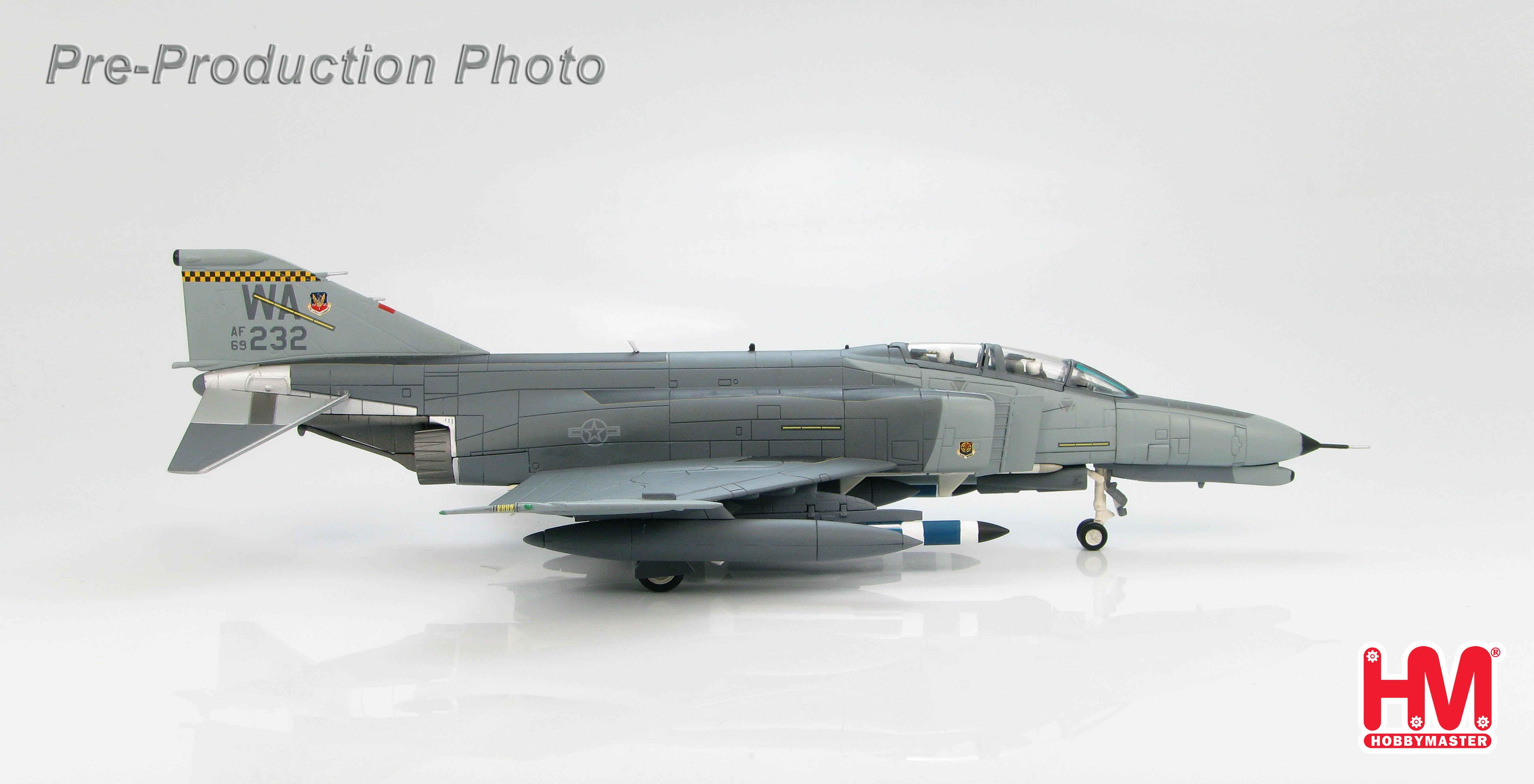
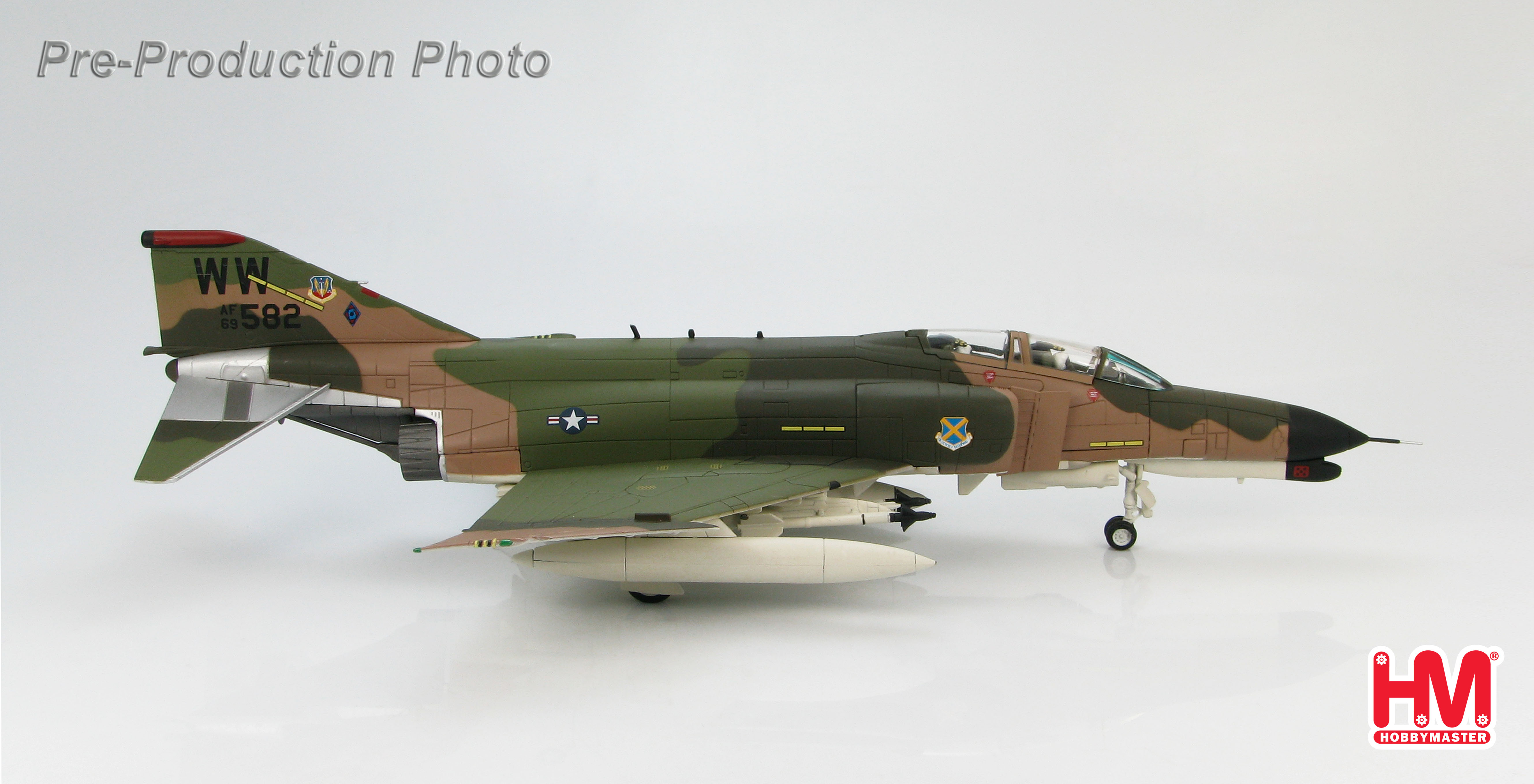
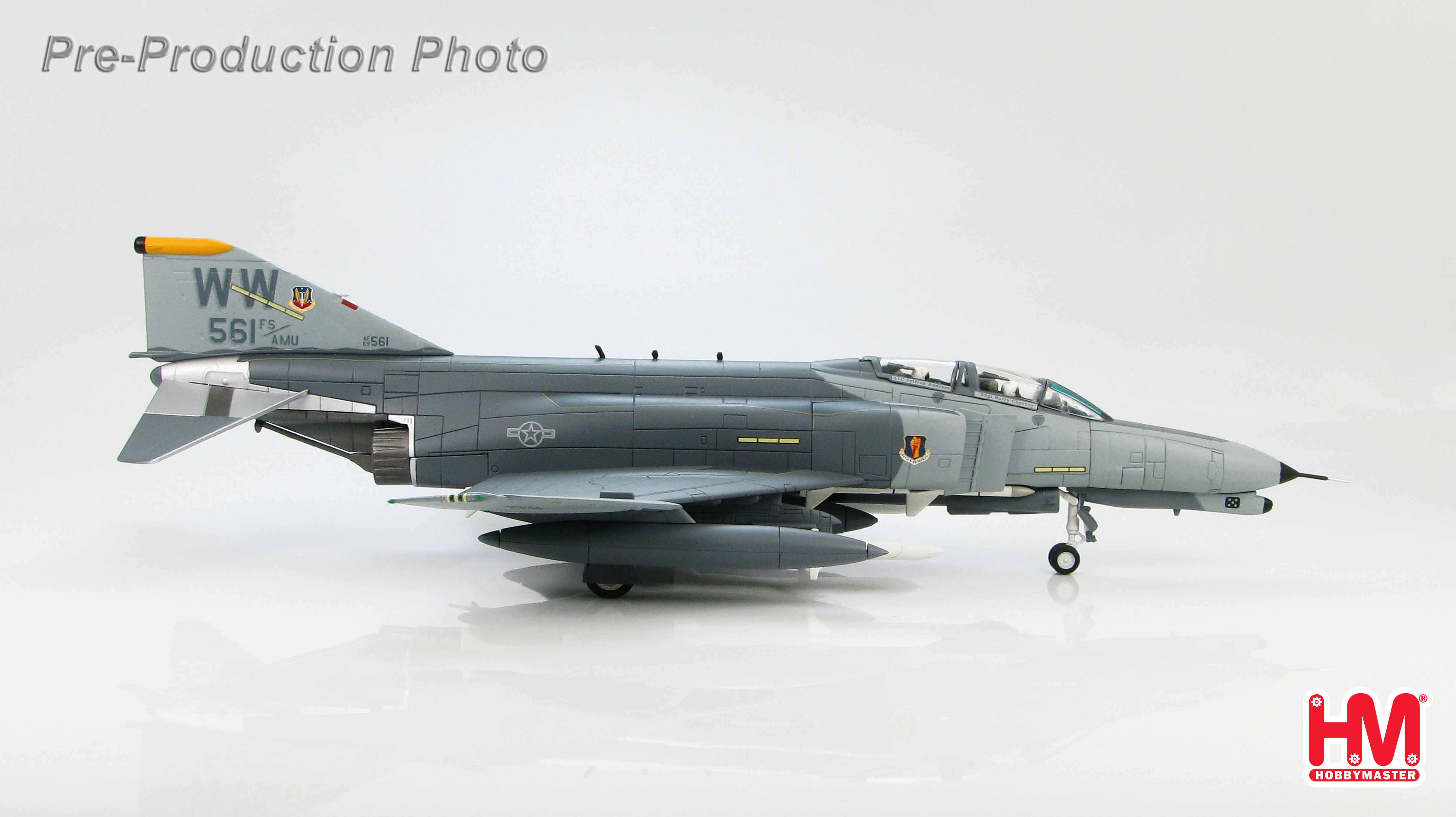
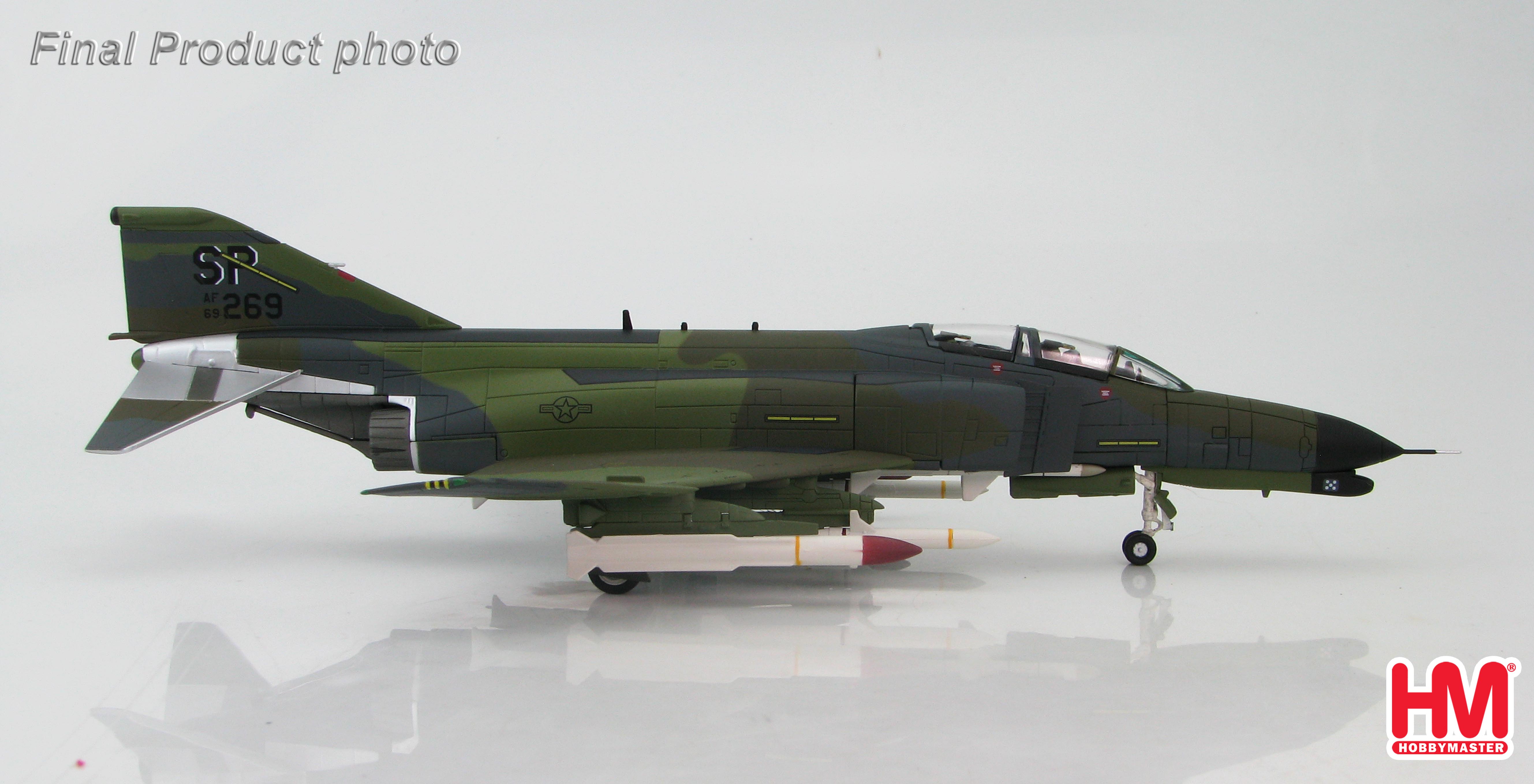
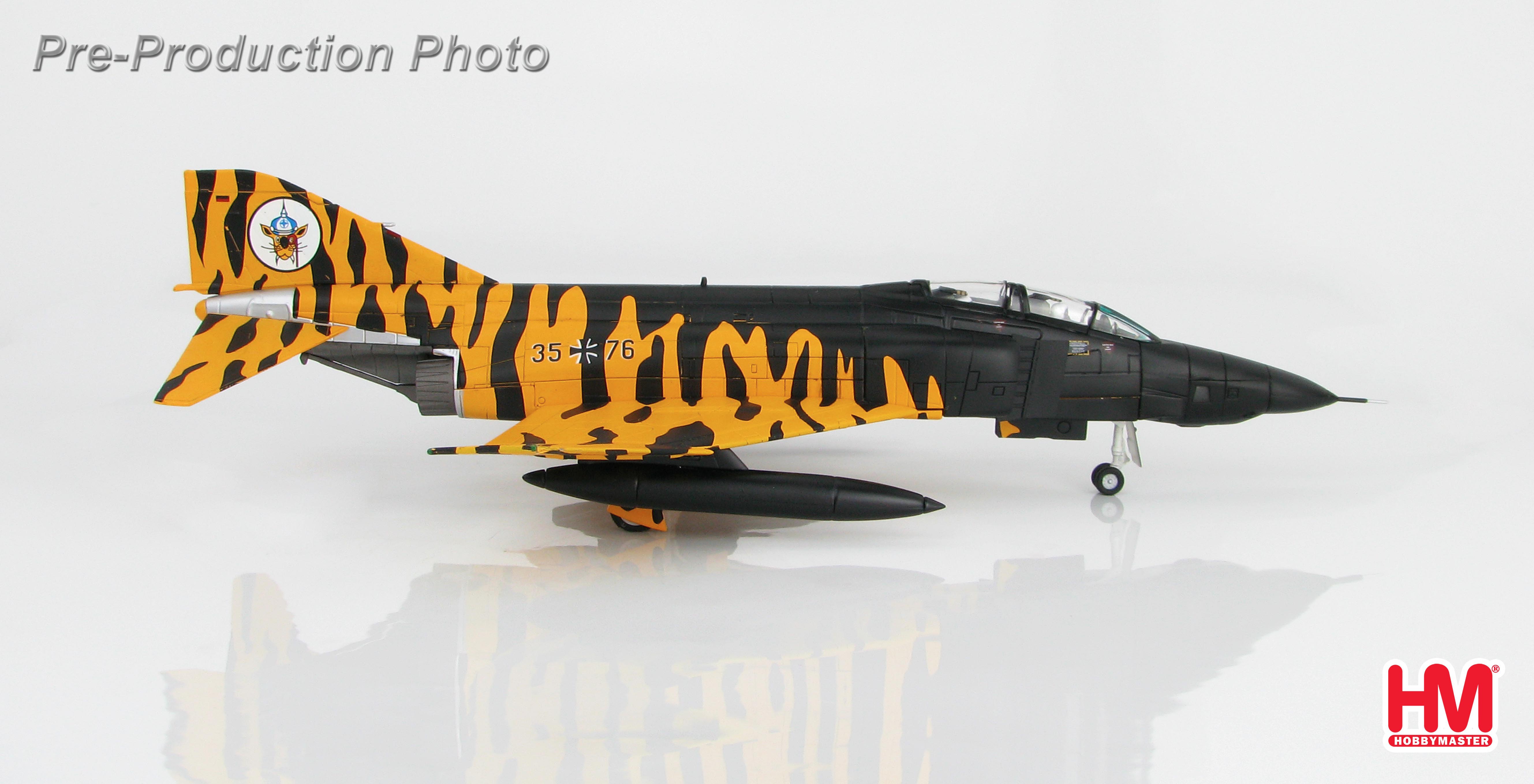
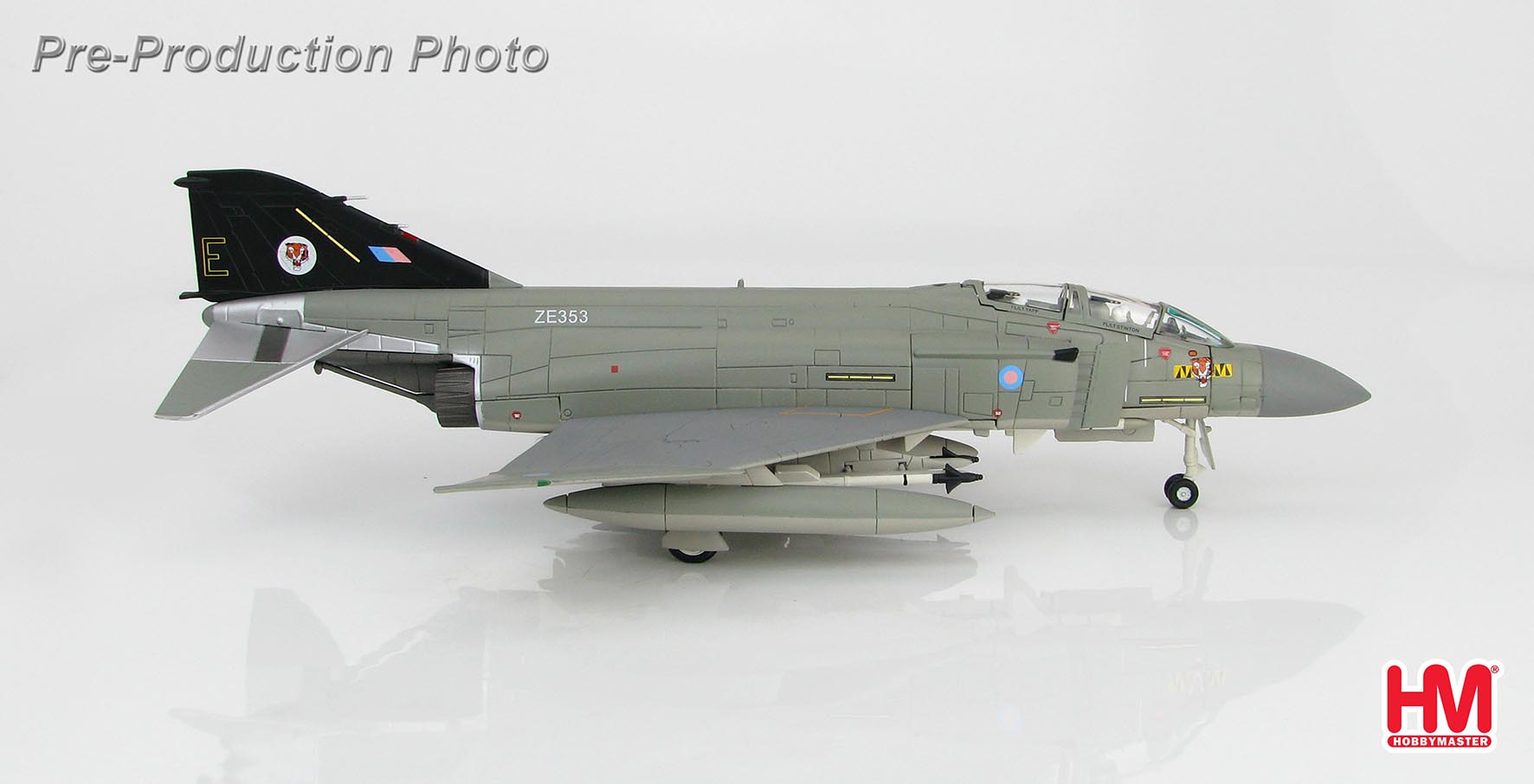
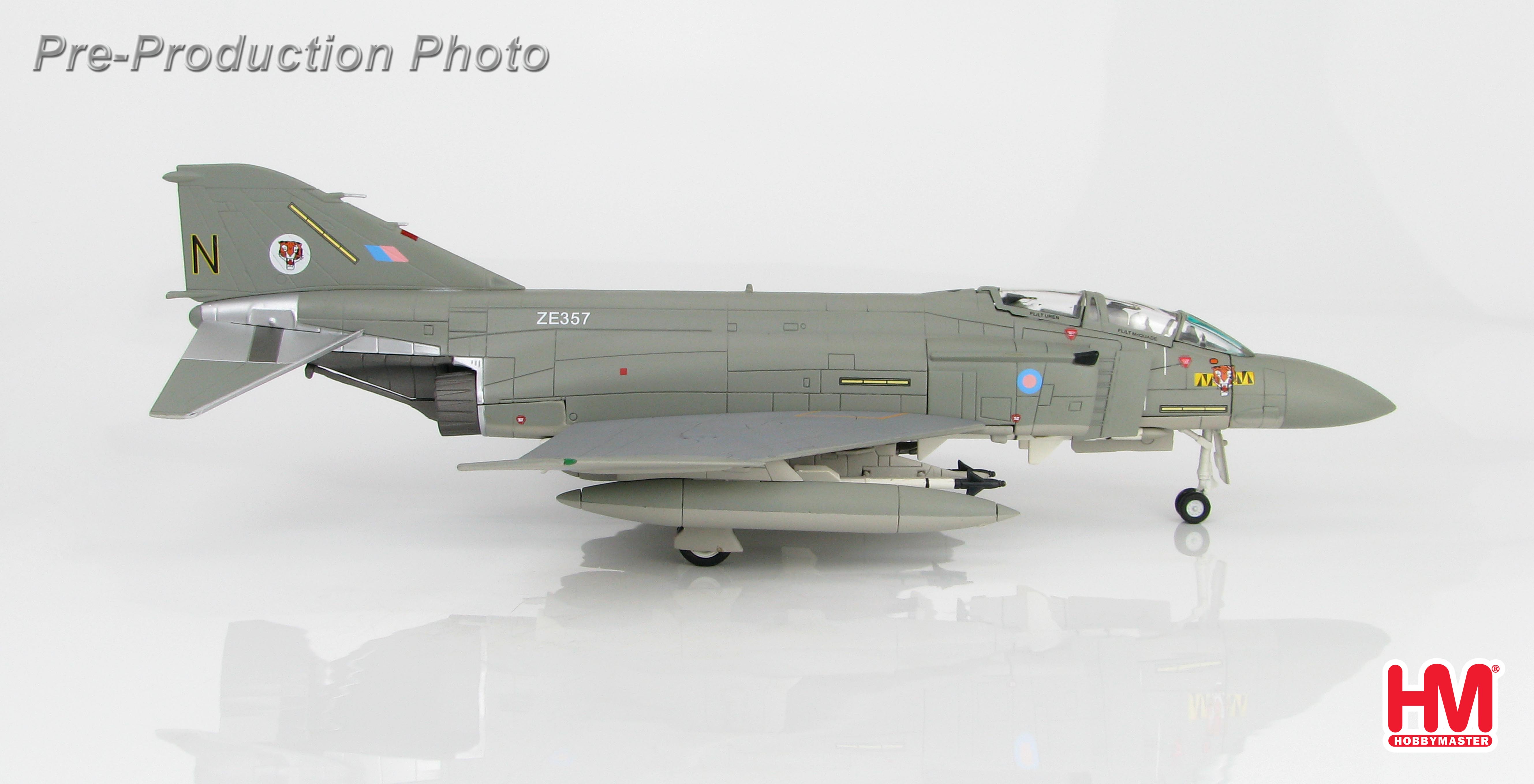
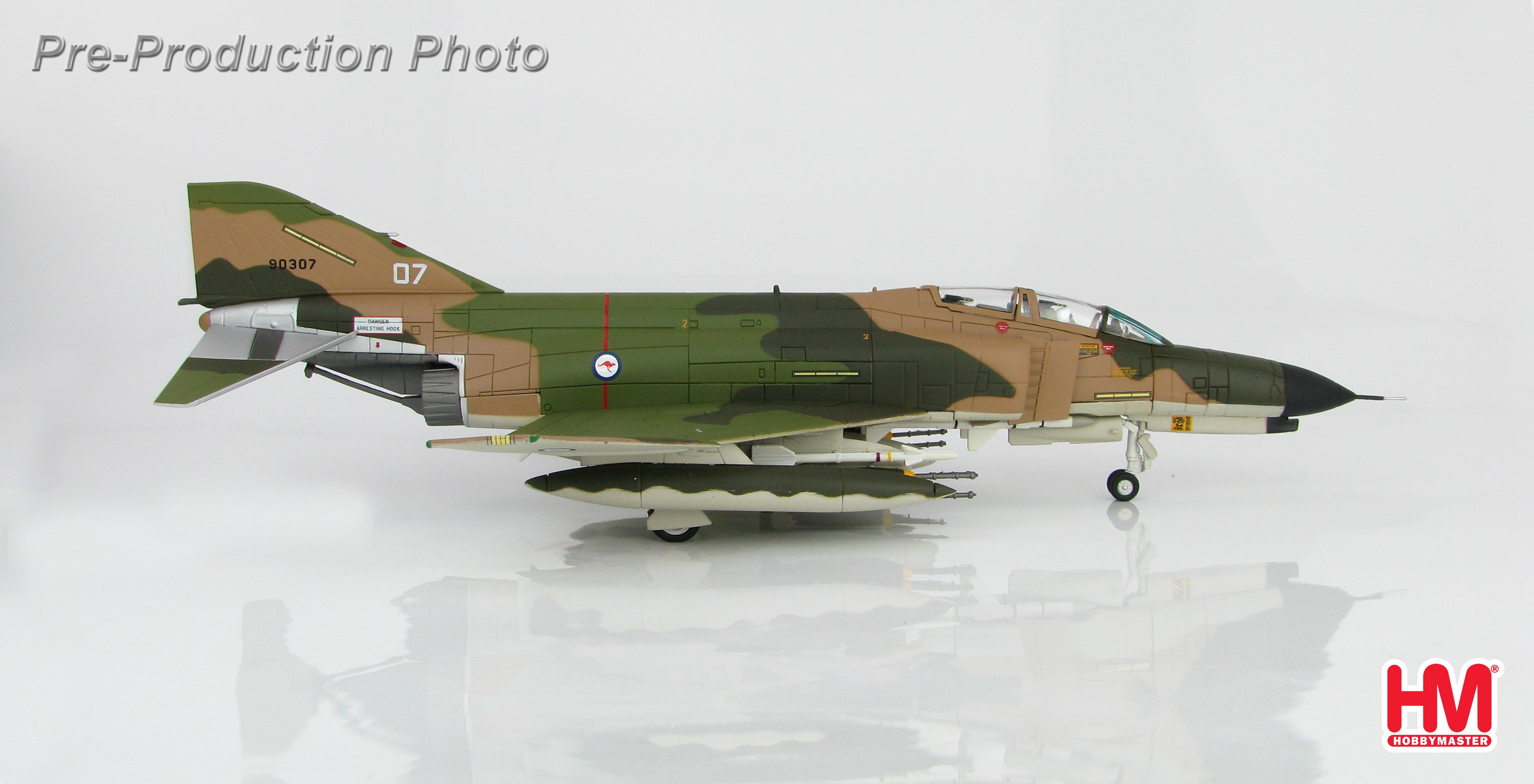
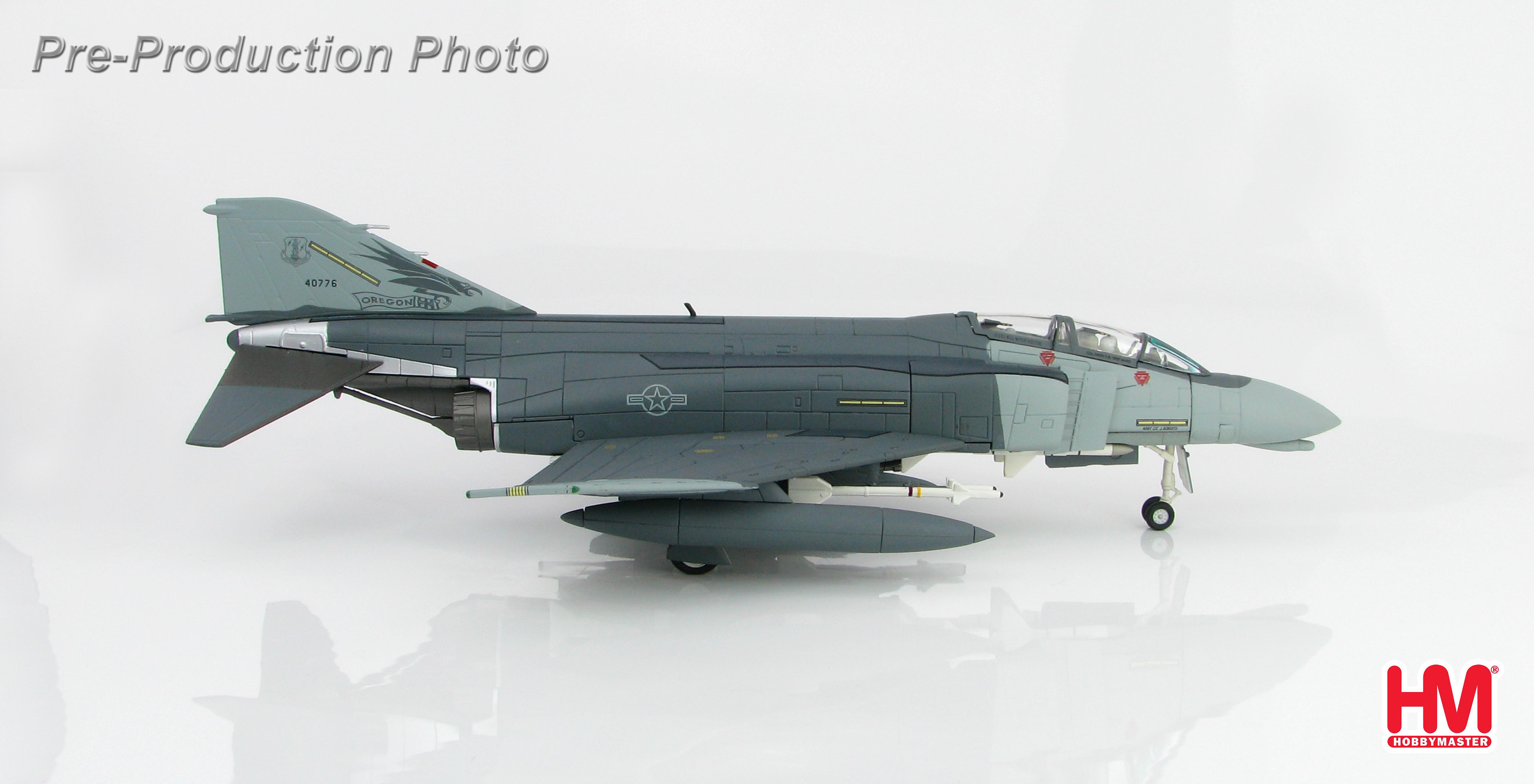
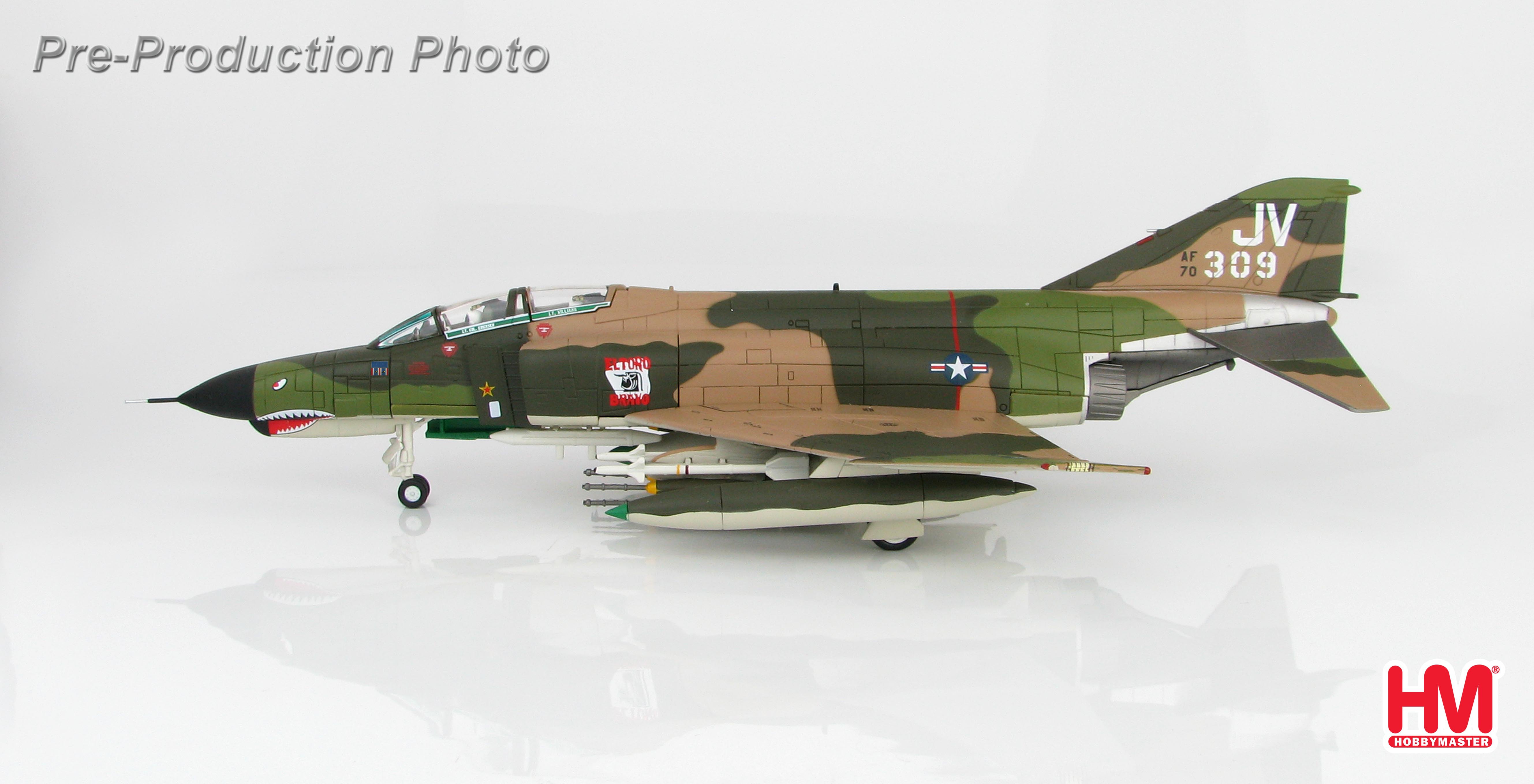
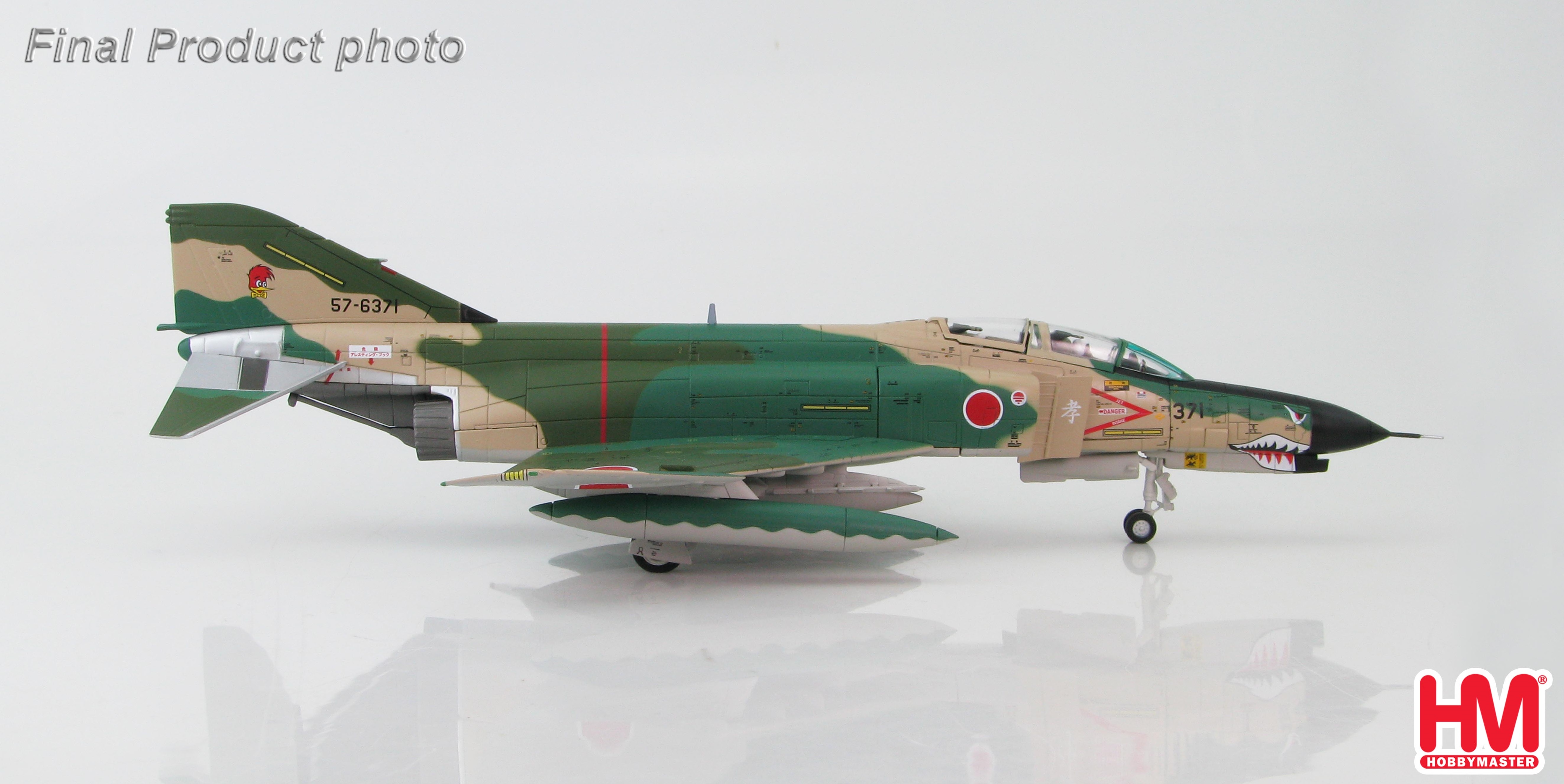
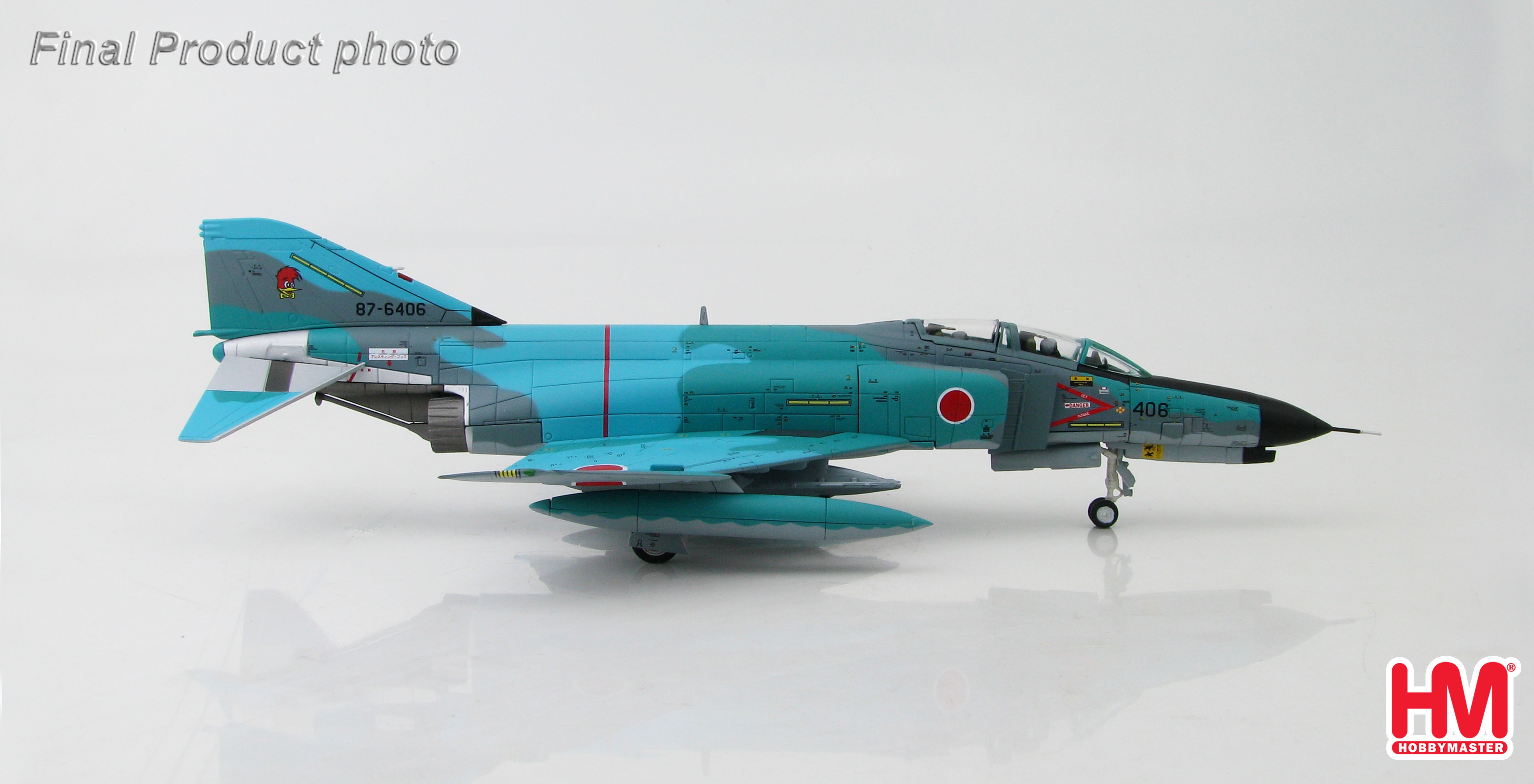
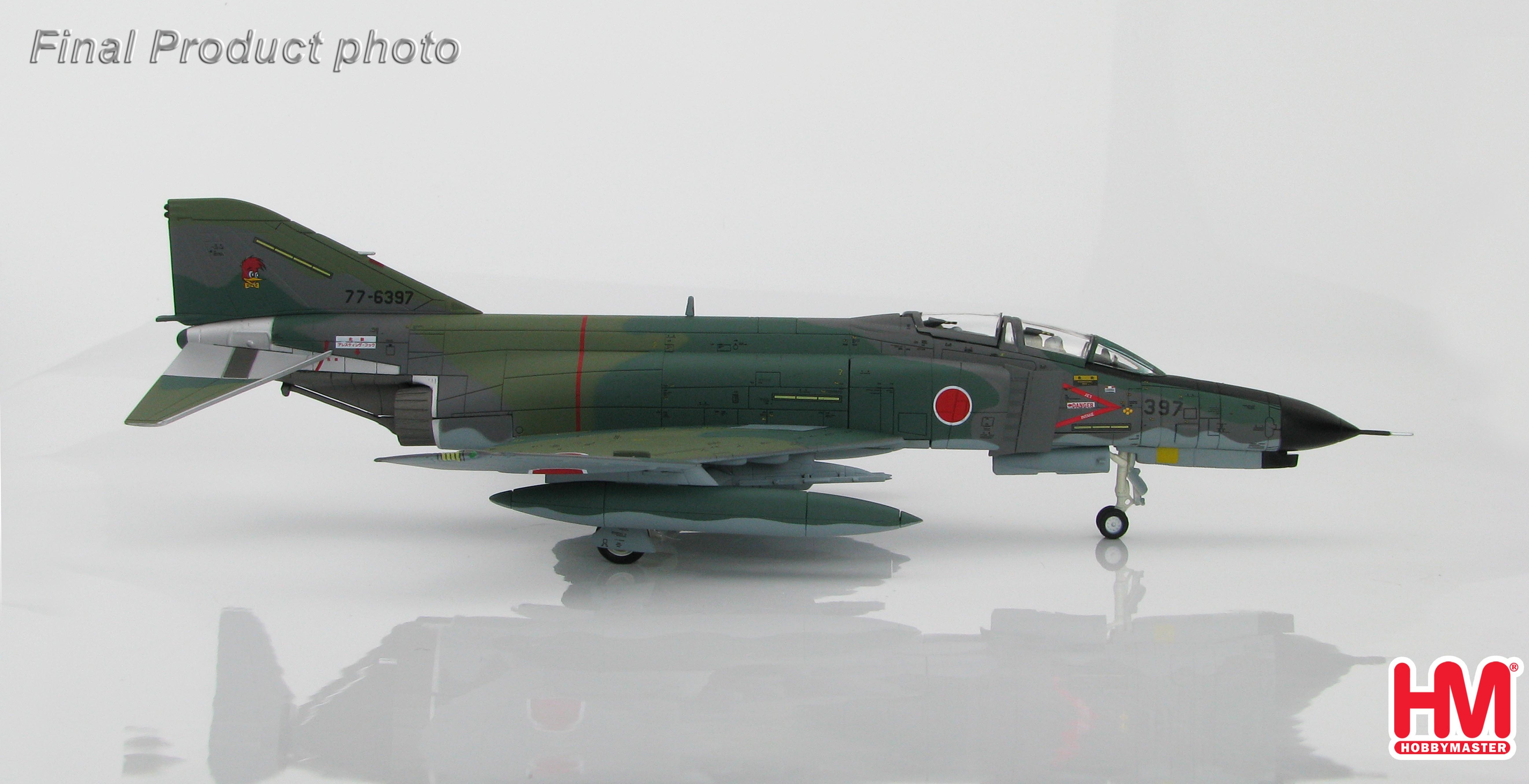
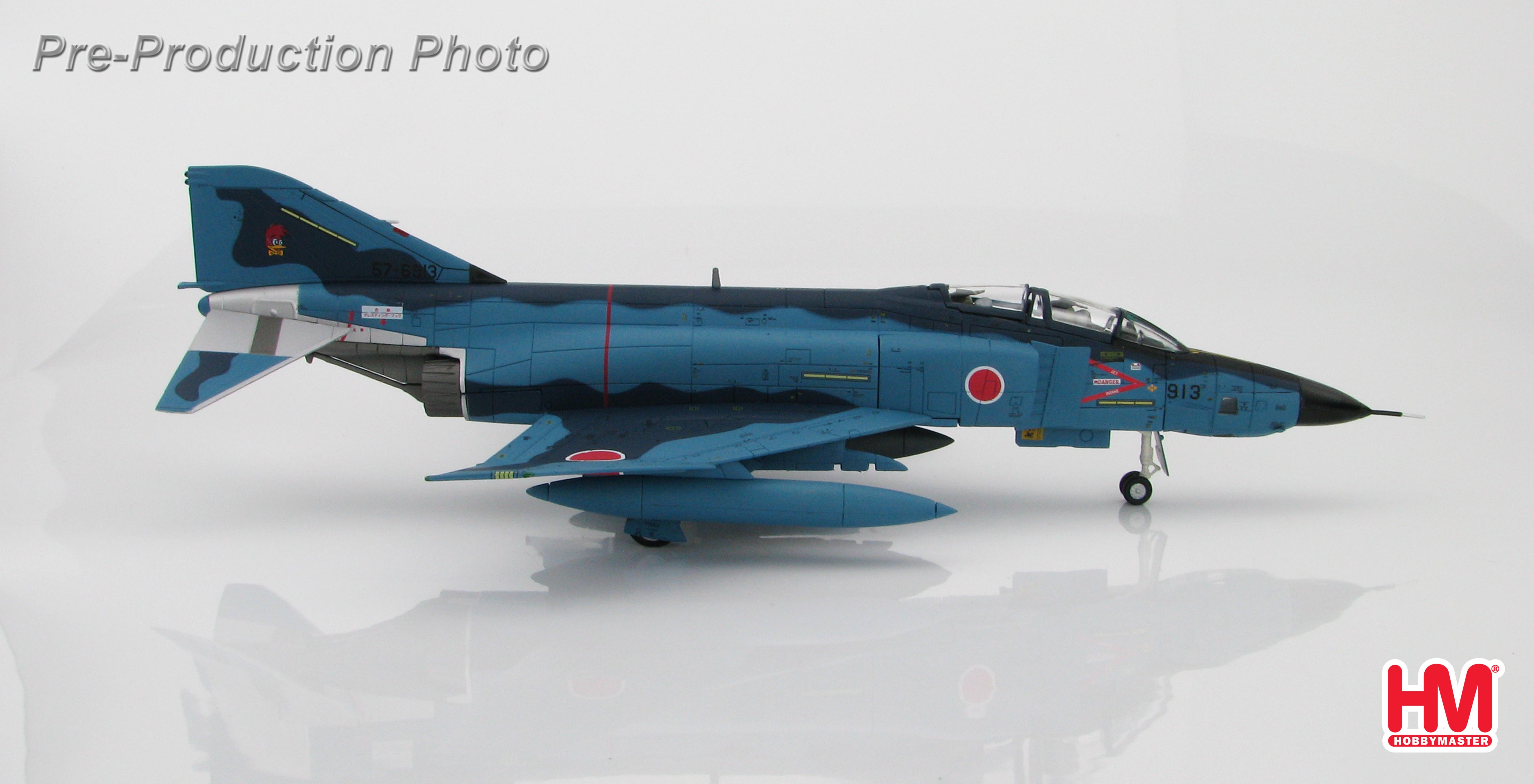
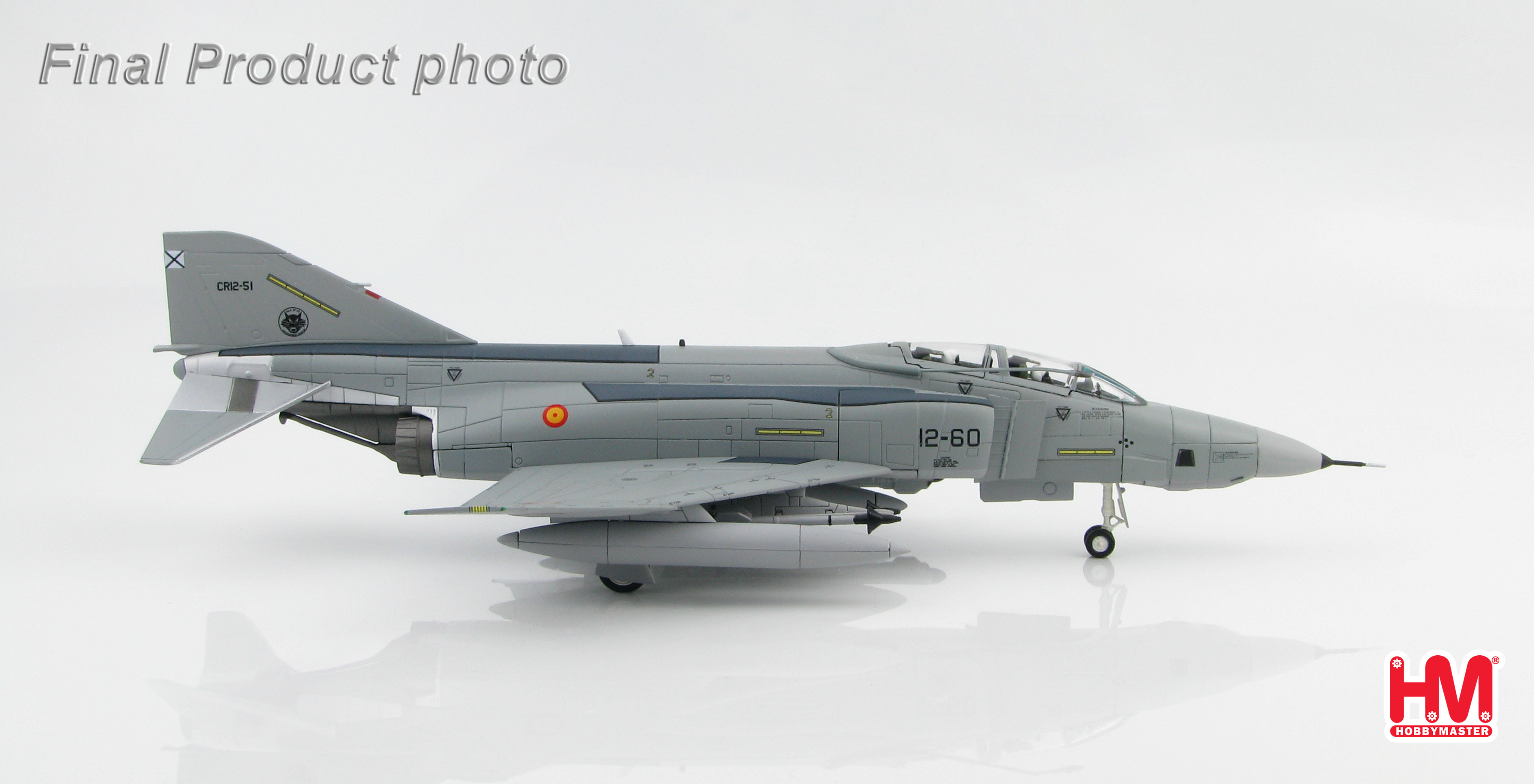
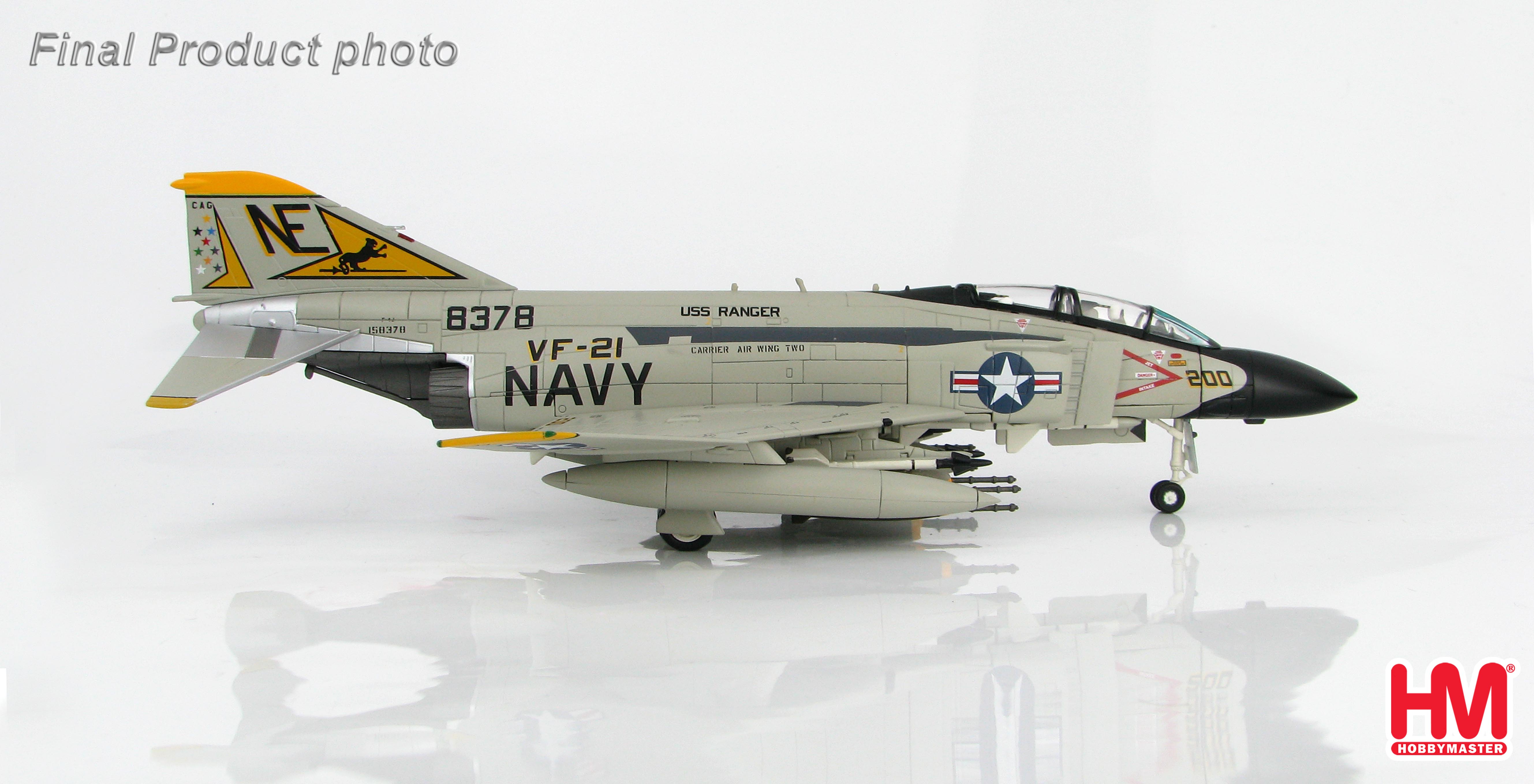
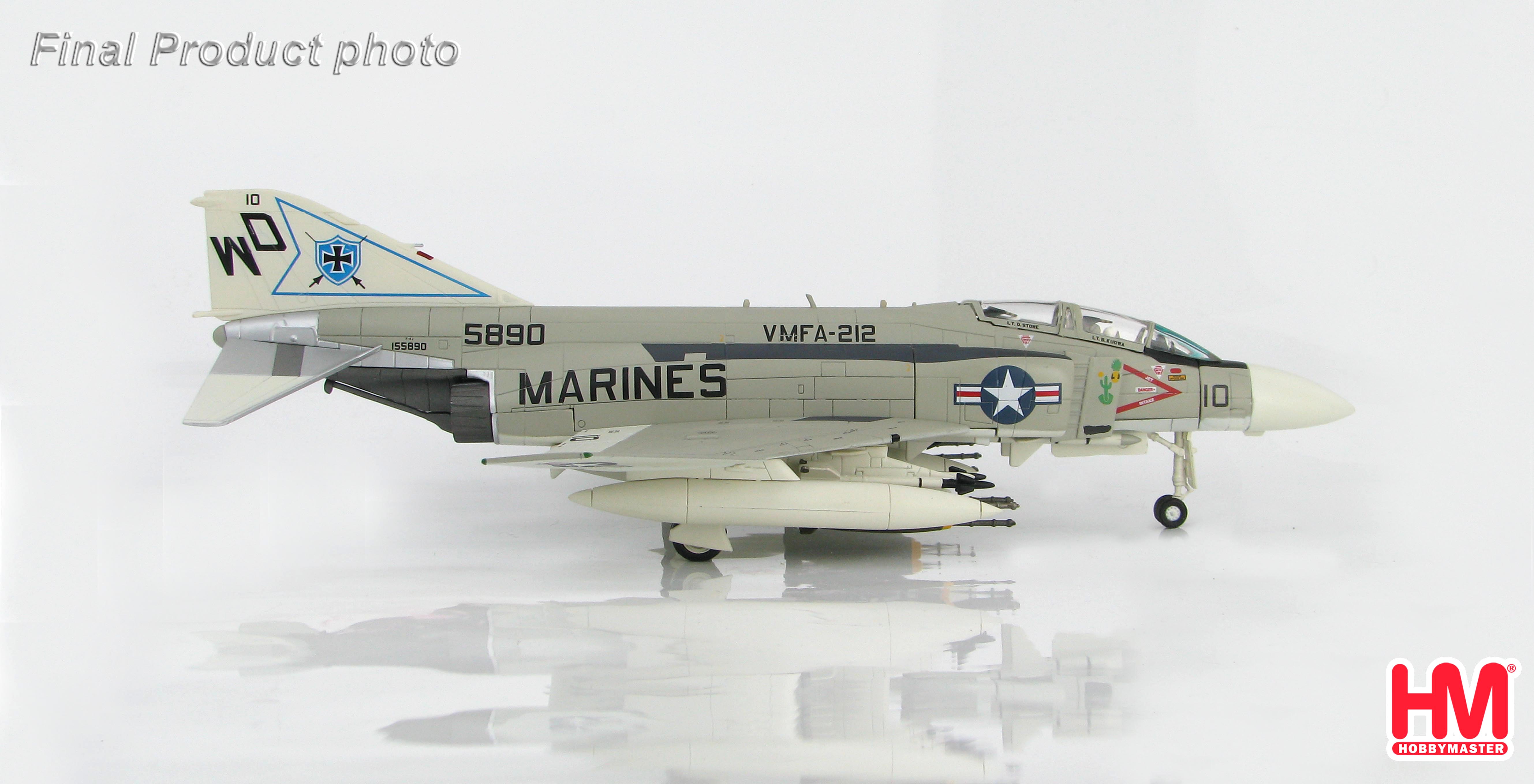
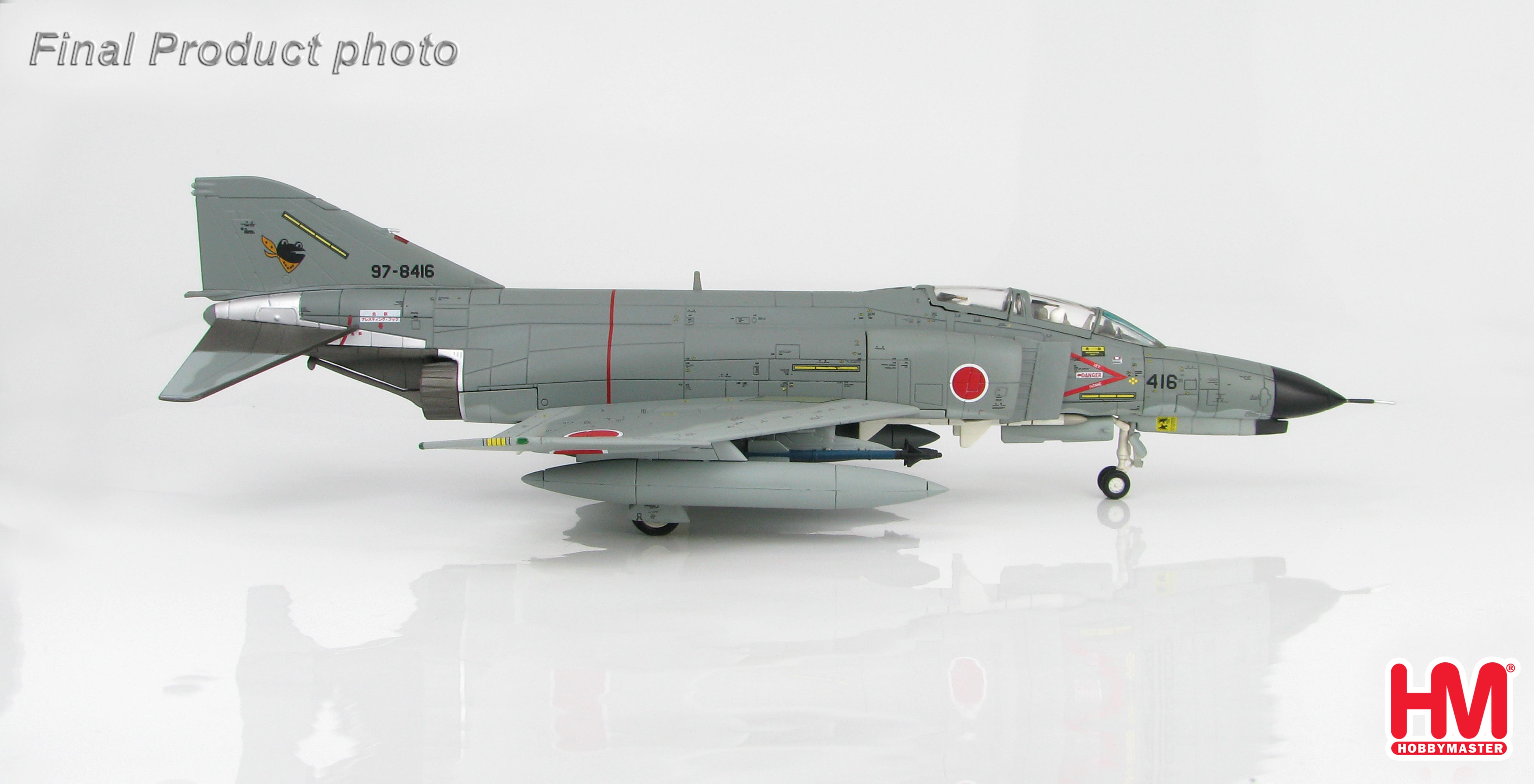
The McDonnell Douglas F-4 Phantom II is a two-seat, supersonic long-range all-weather fighter-bomber. The aircraft was designed as a USN Fleet defense aircraft and entered service in 1961. The F-4 soon became one of the few aircraft to be utilized by the USN, USAF and USMC. The Phantom could carry a varied payload and armament so it was well suited to do just about any job. Because of its large nose and ruggedness the F-4 earned the nickname “Rhino”, along with others that were less flattering. The F-4 went on to serve in no less than 11 other countries. Production ended in 1979 with 5,201 aircraft manufactured in 14 different versions.
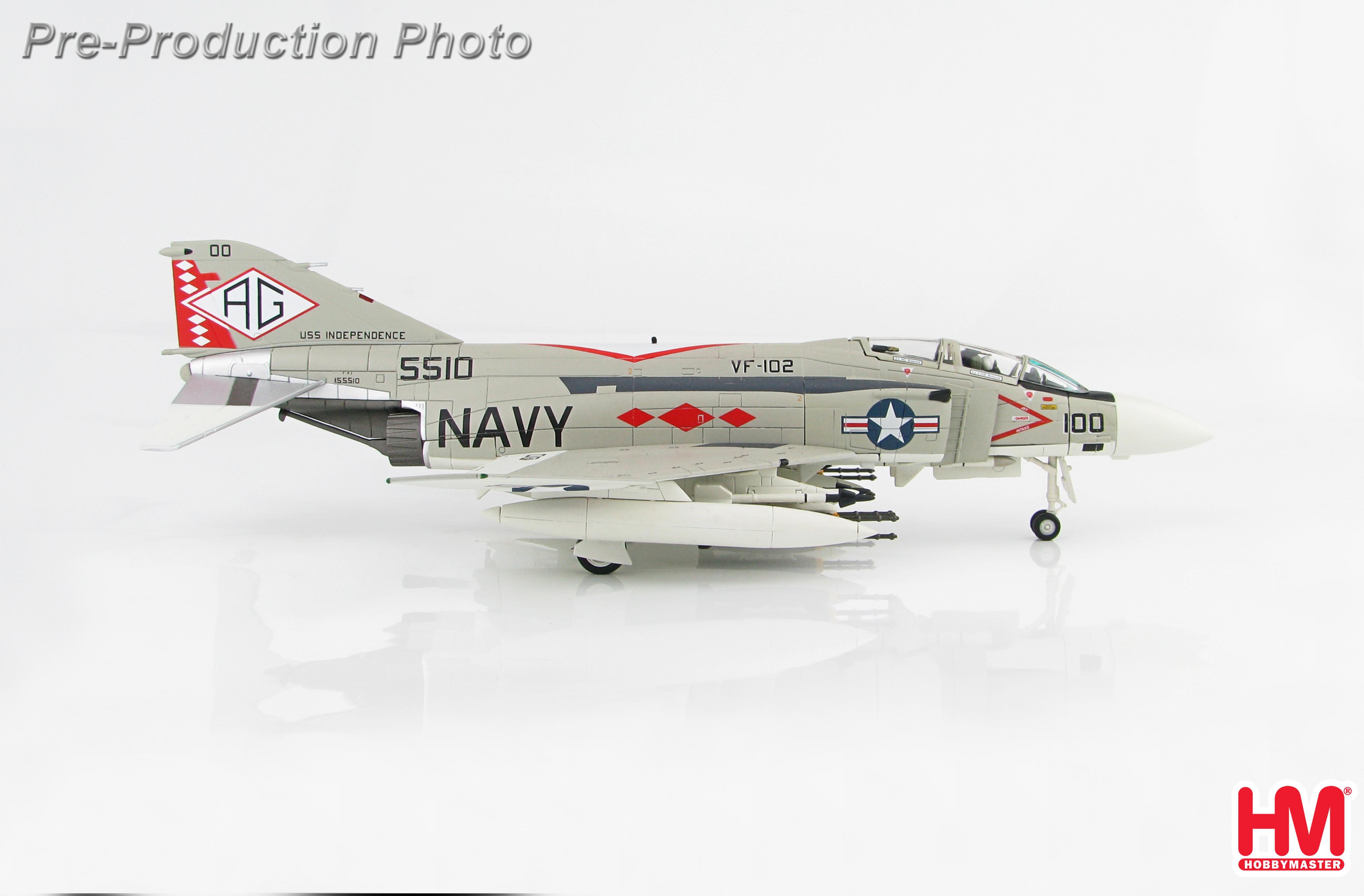
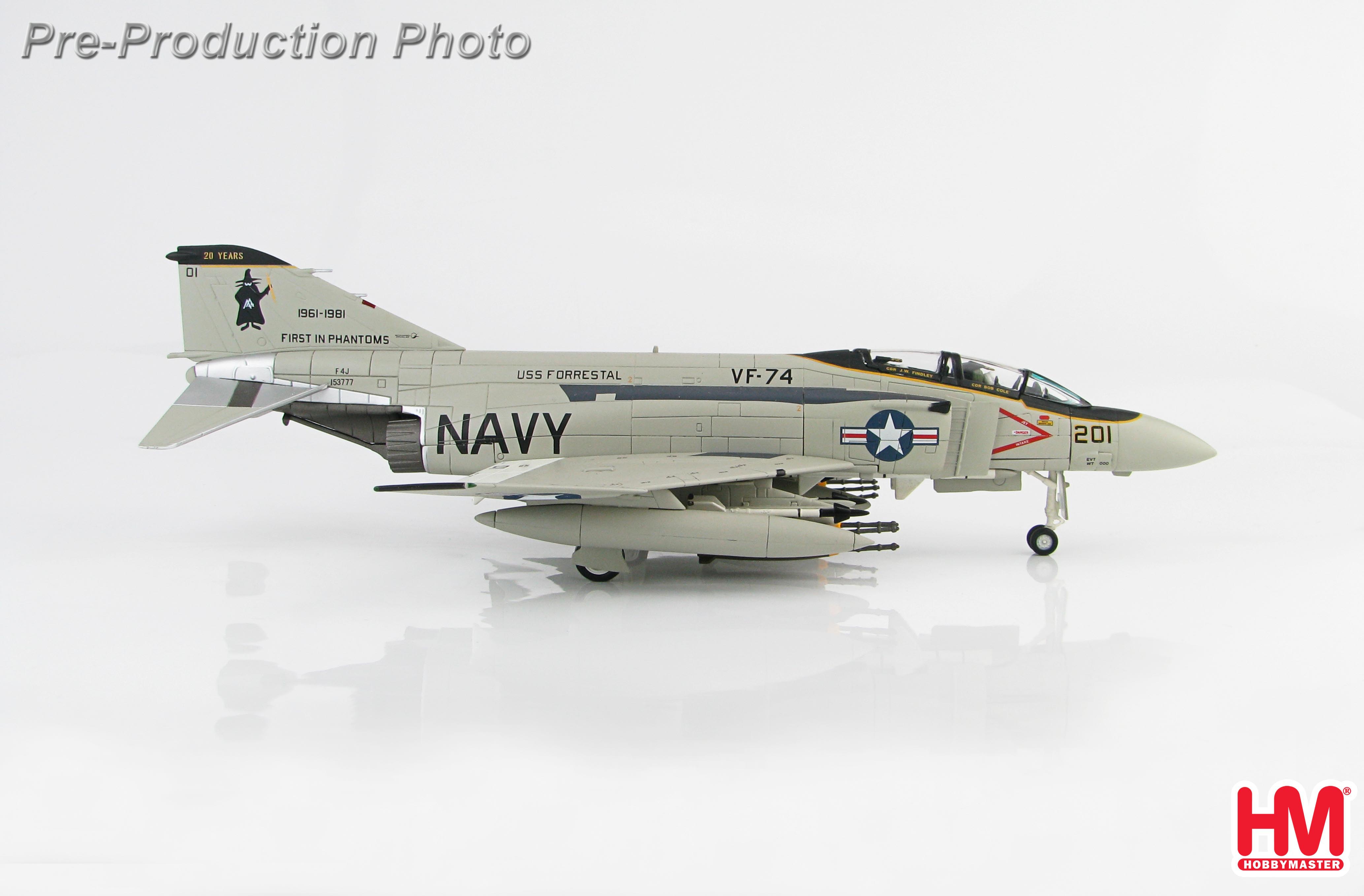
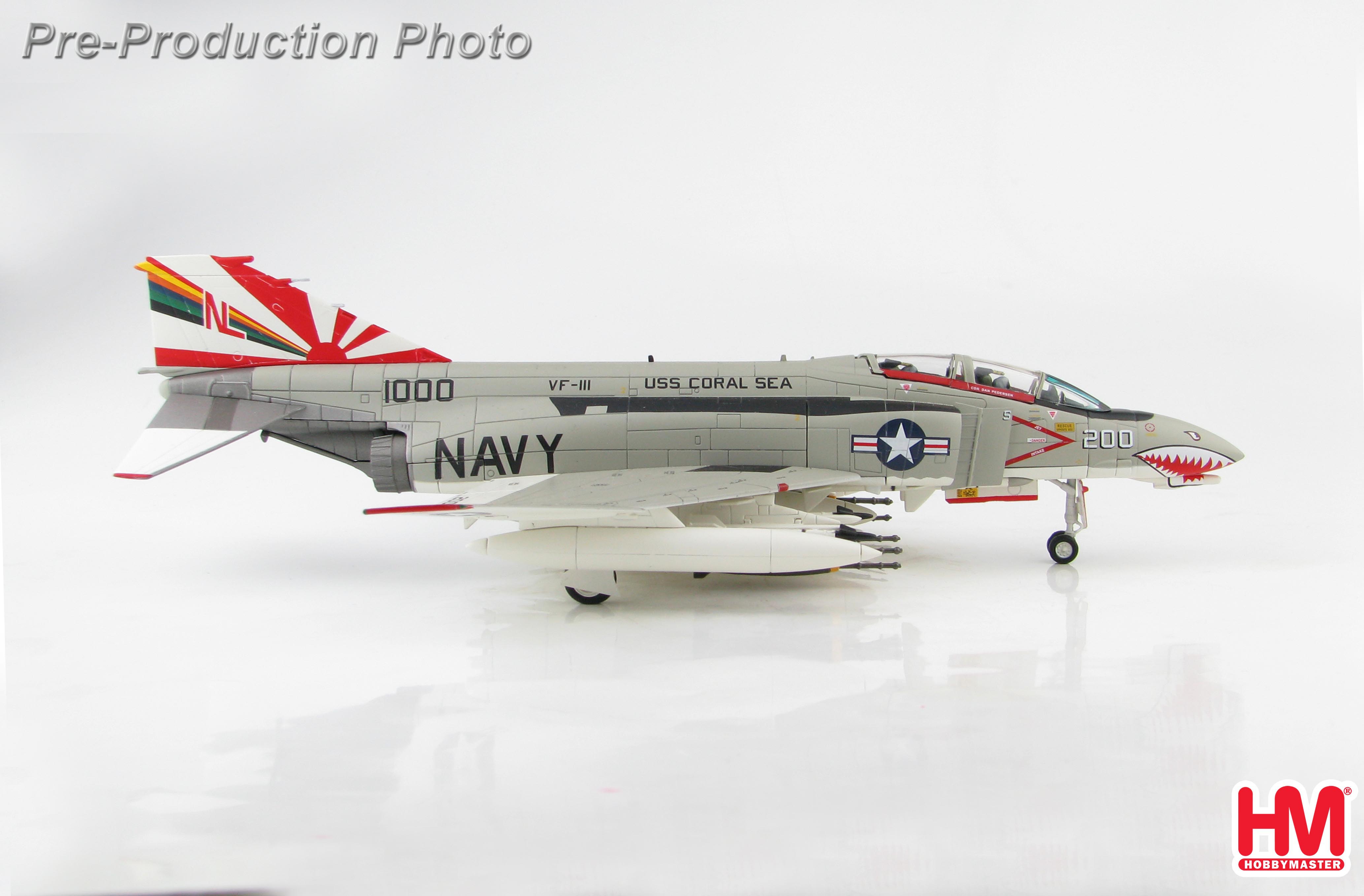
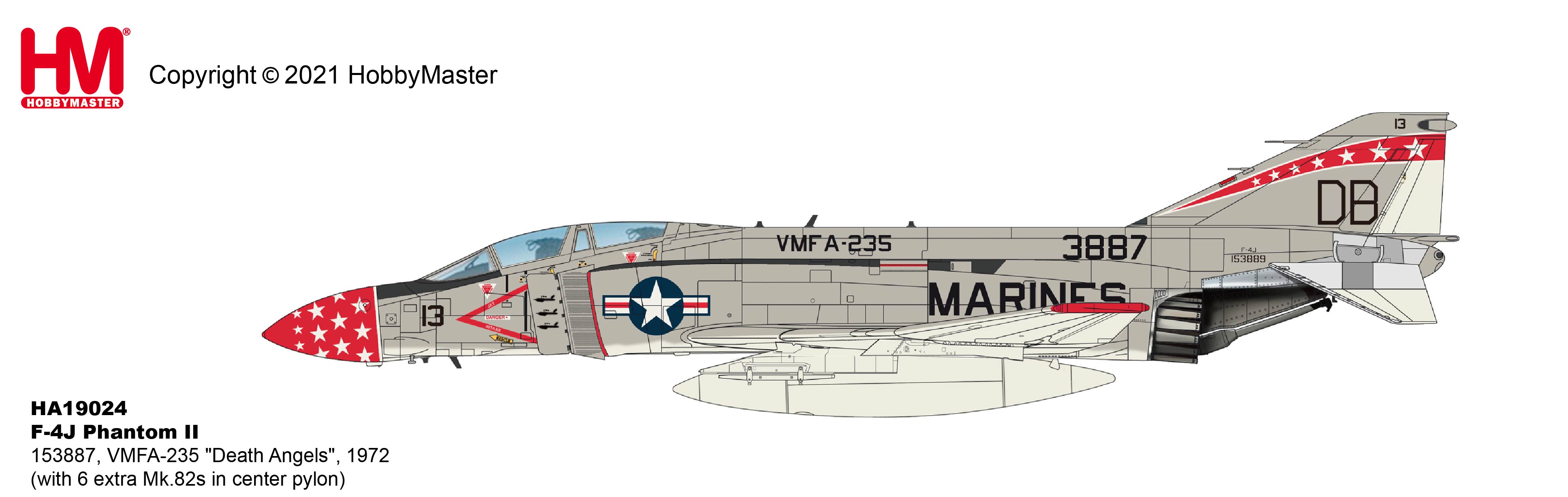
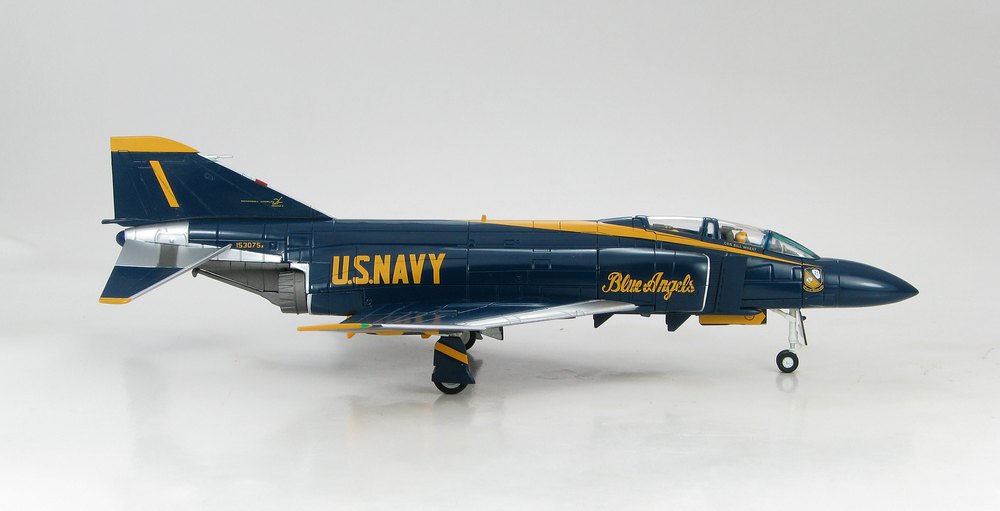
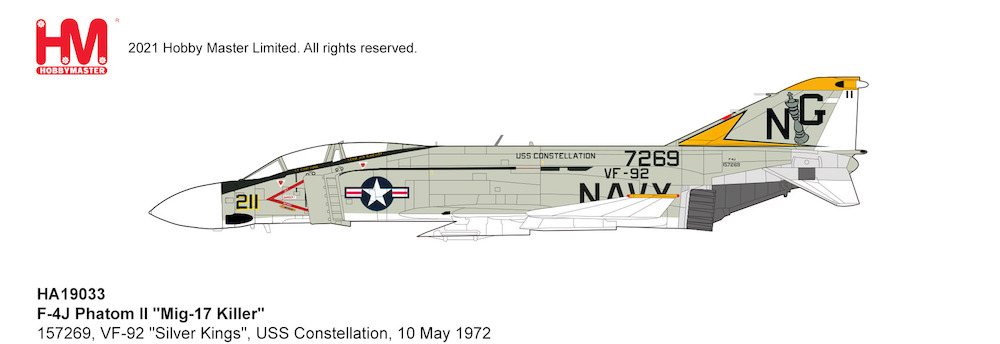
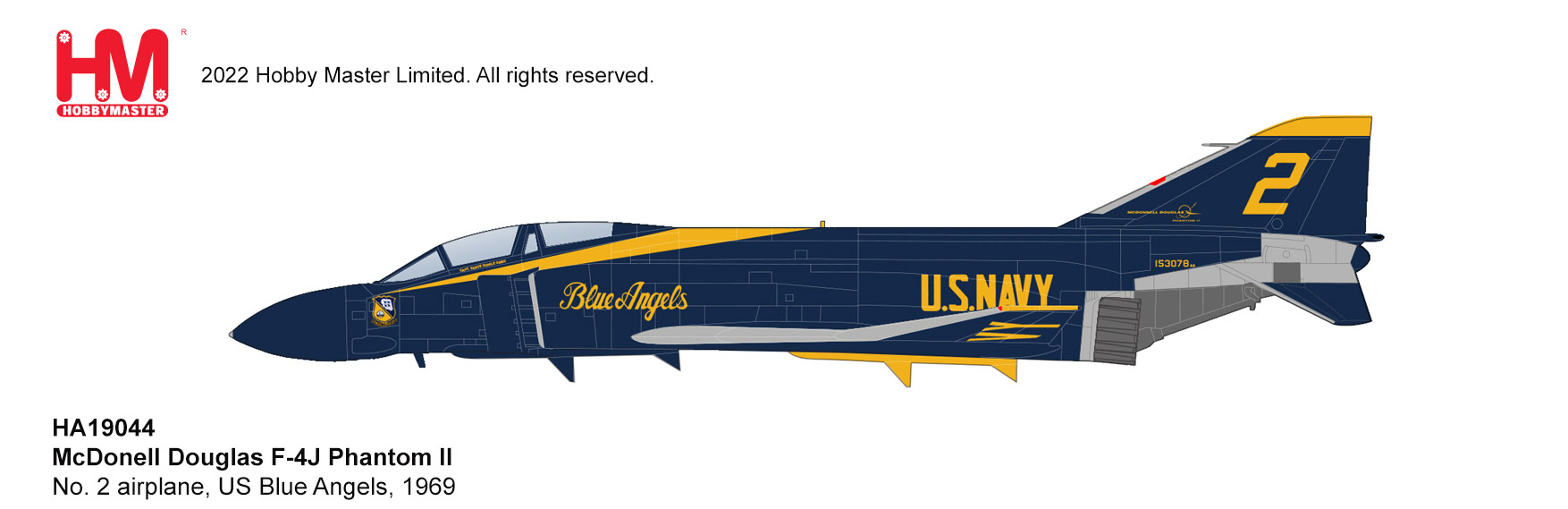
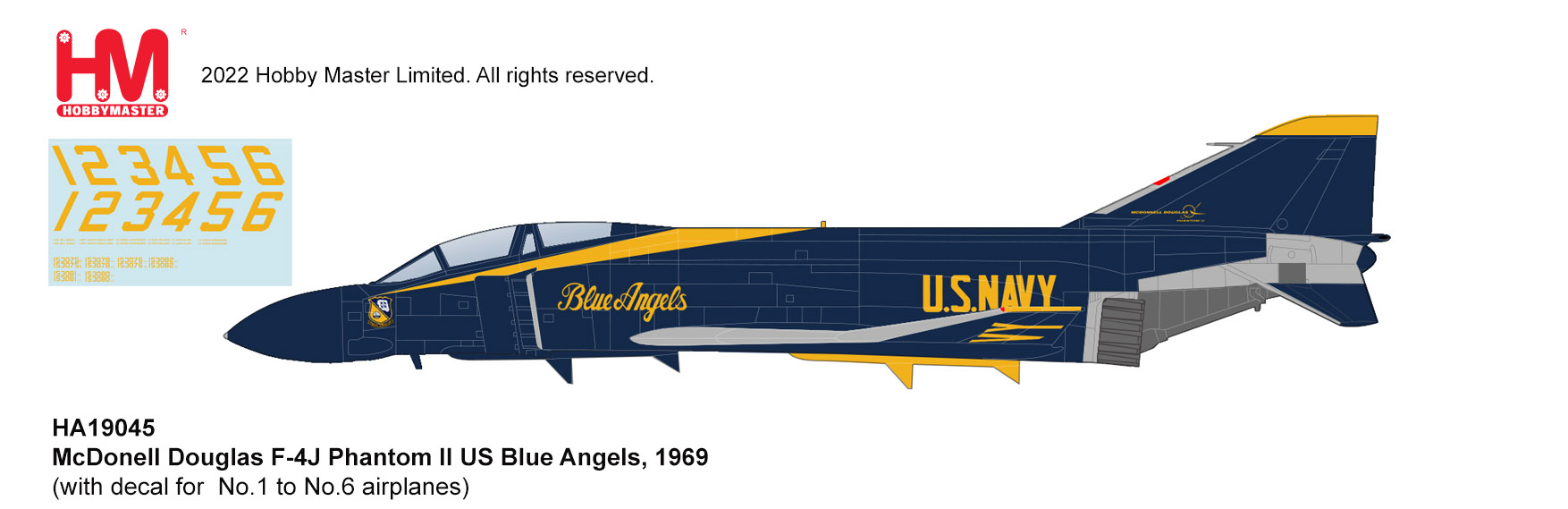
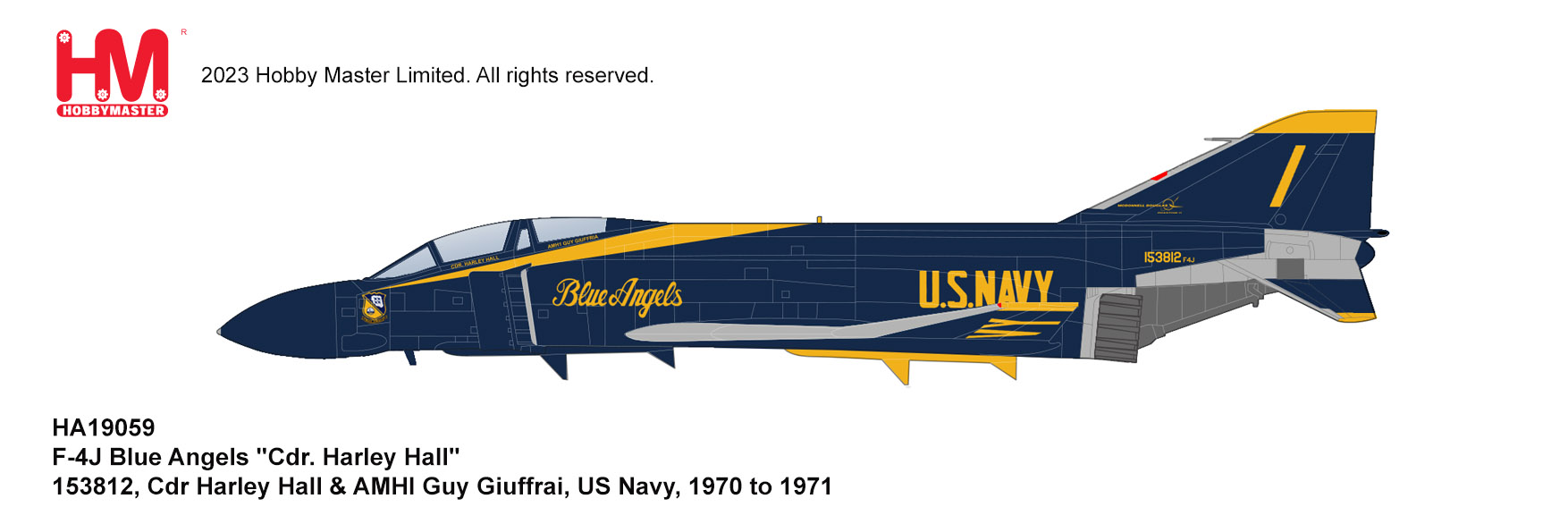
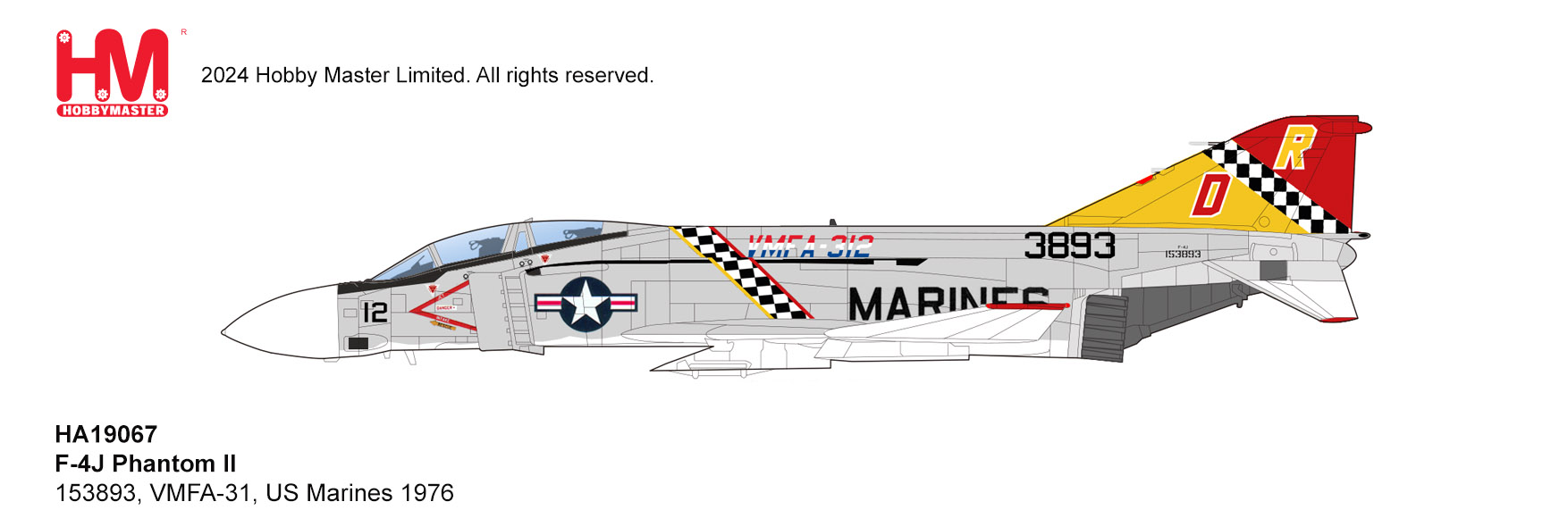
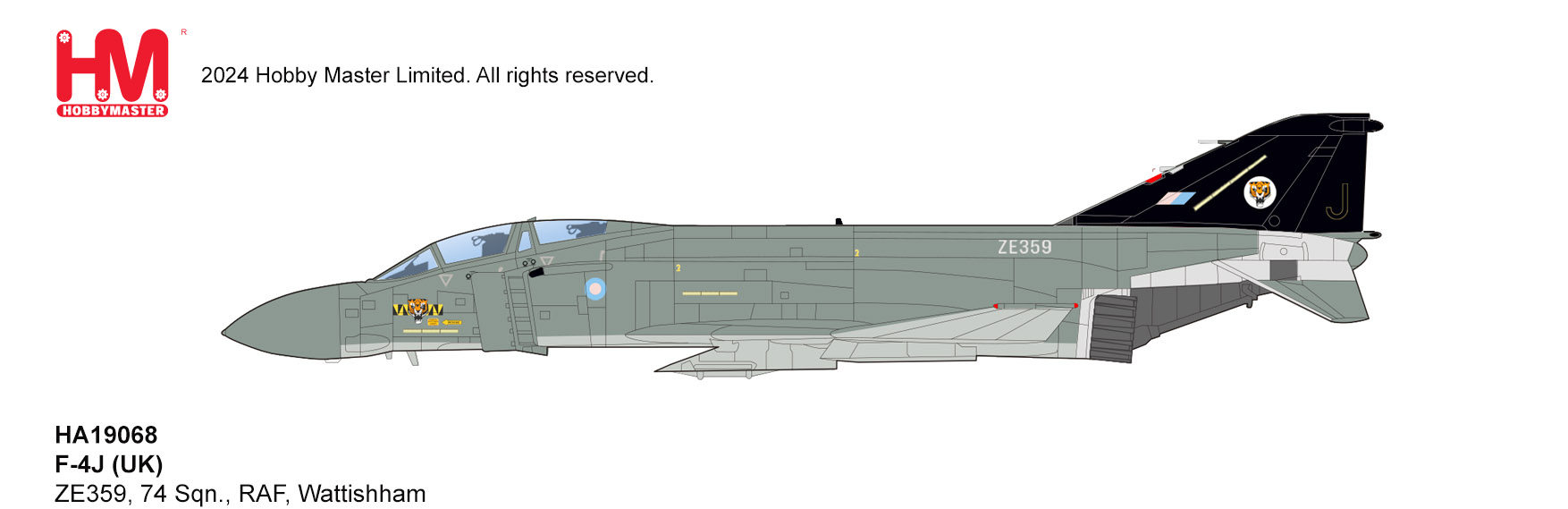
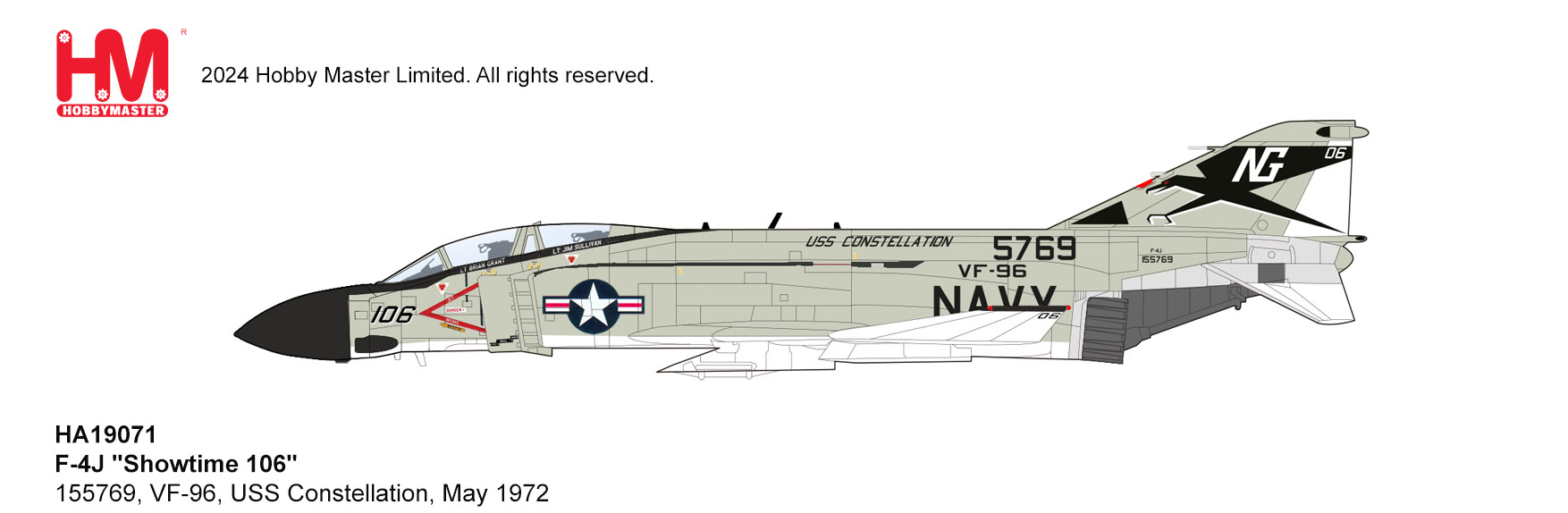
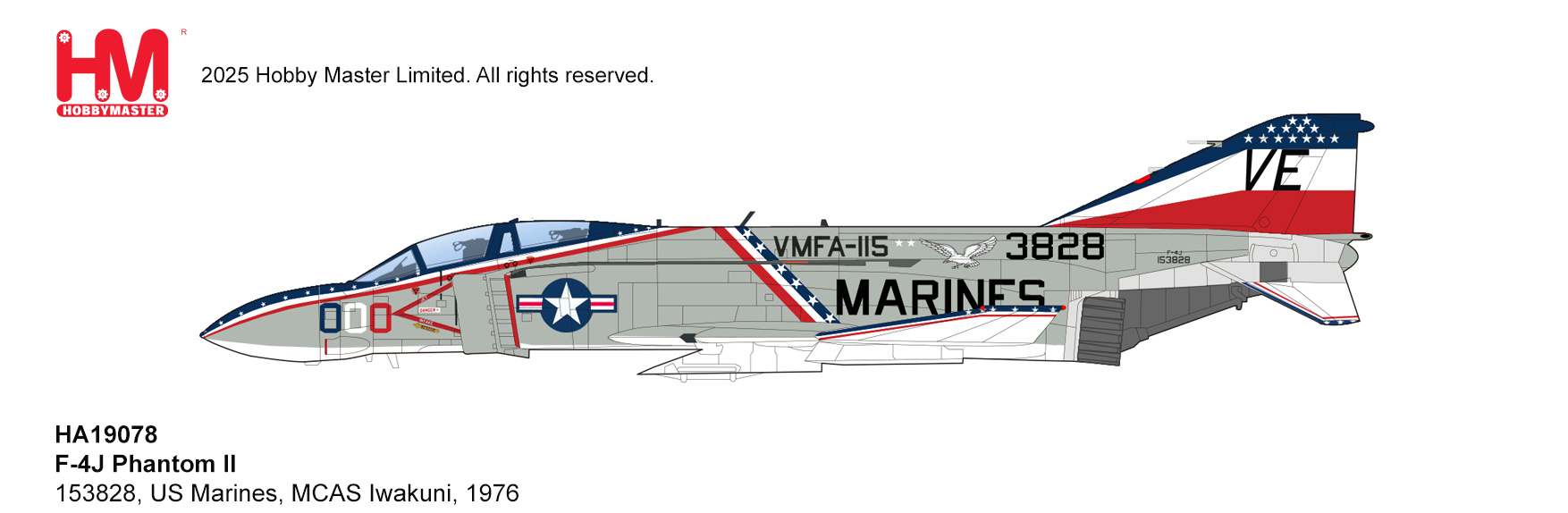
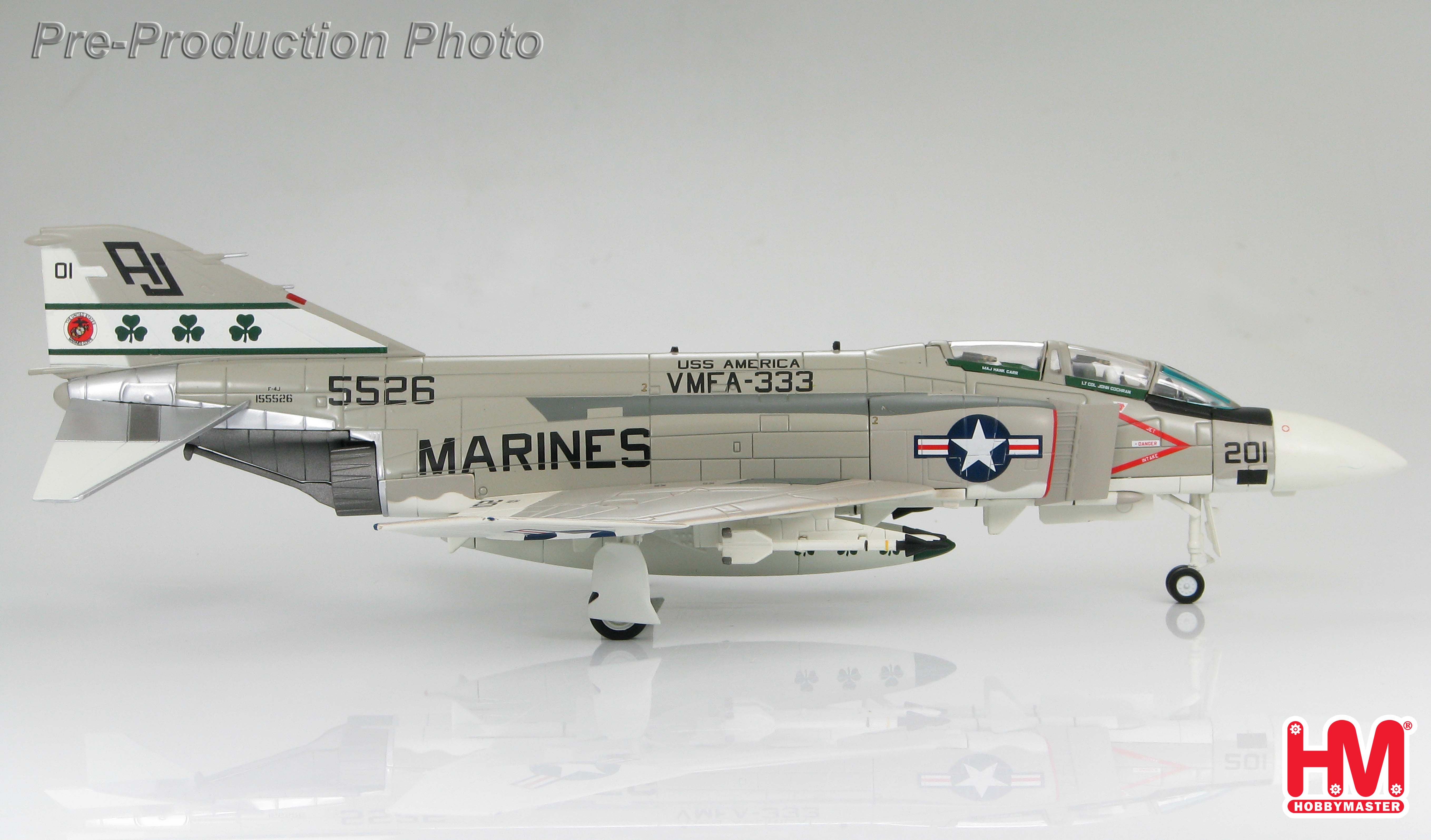
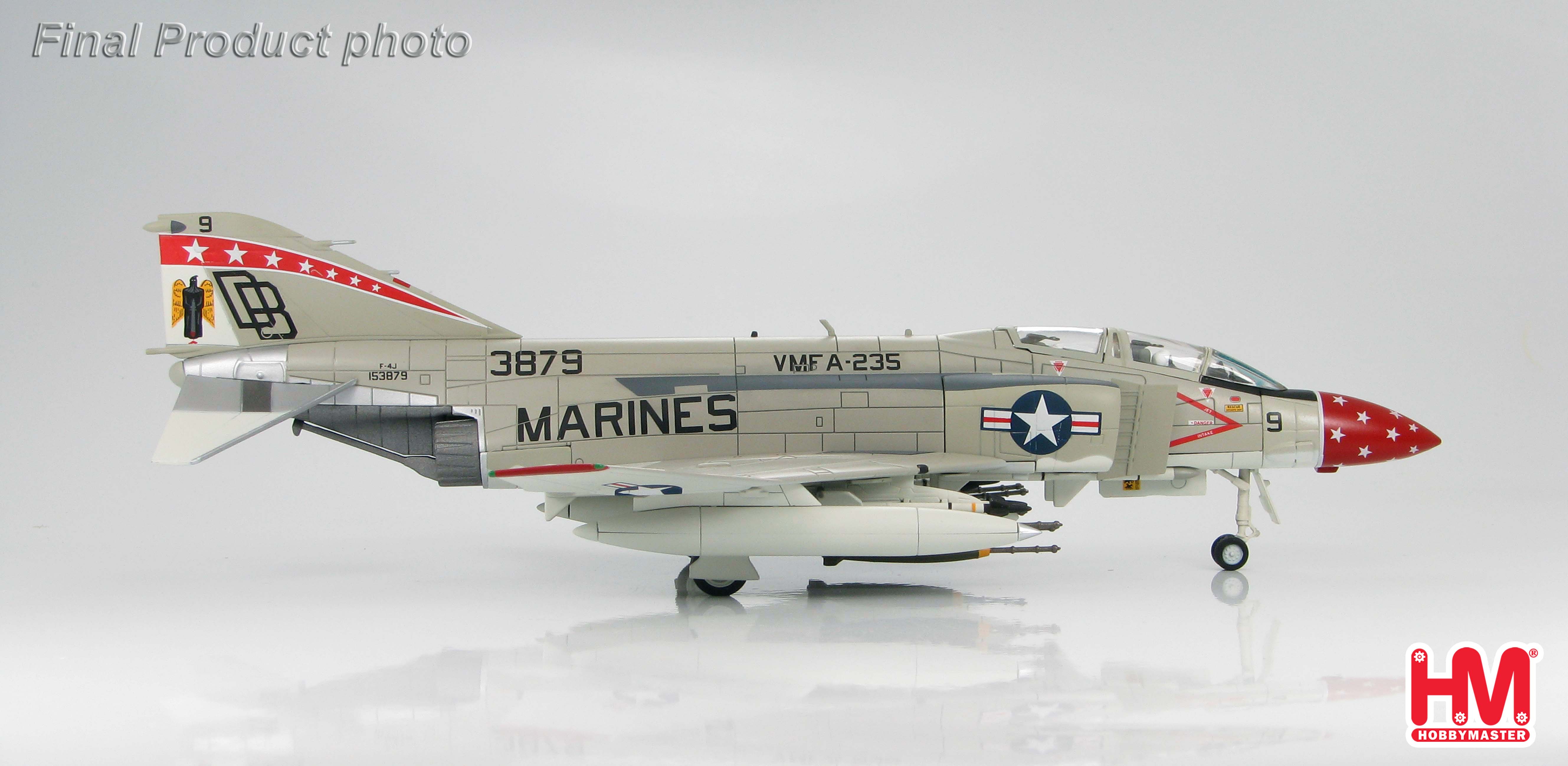
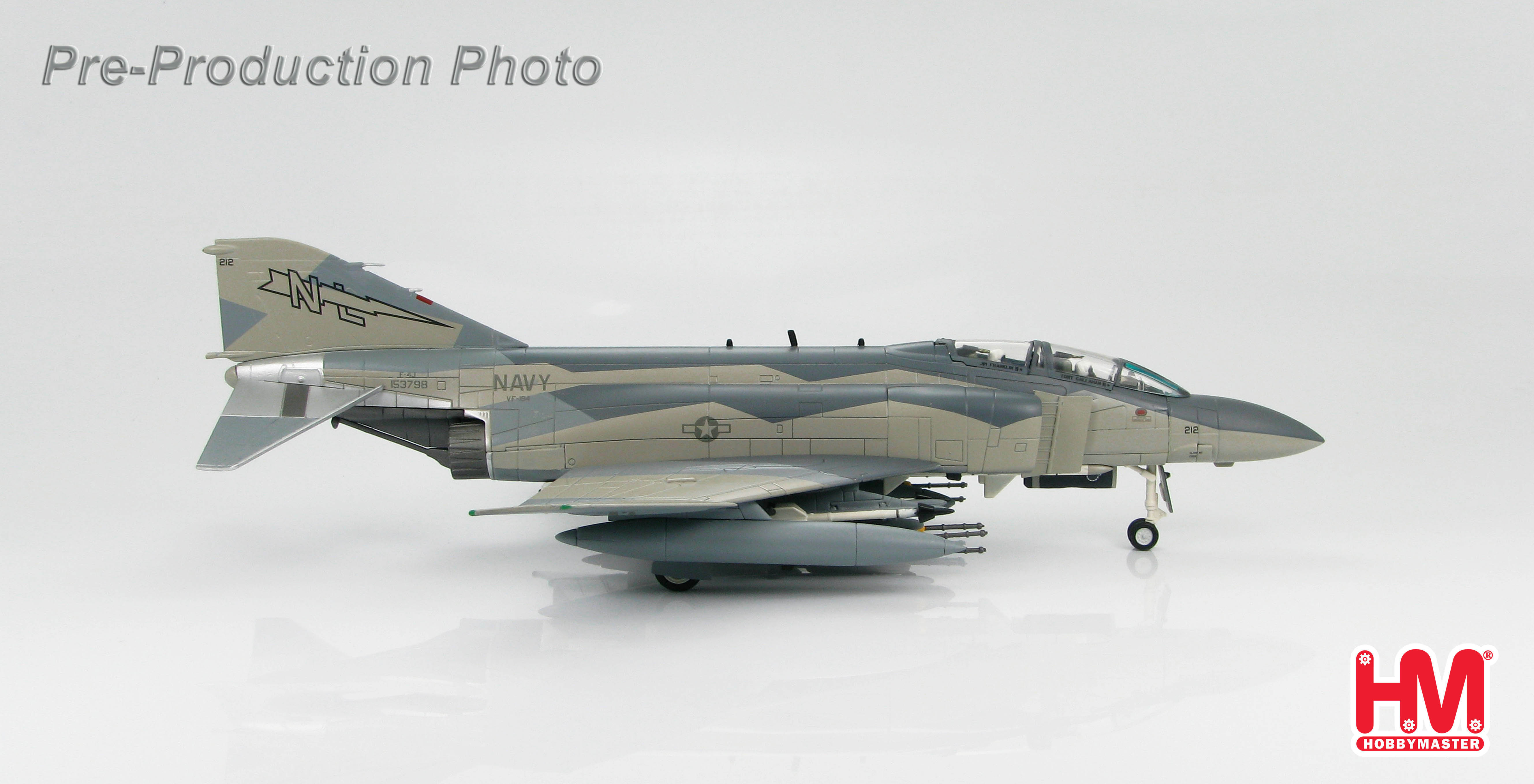
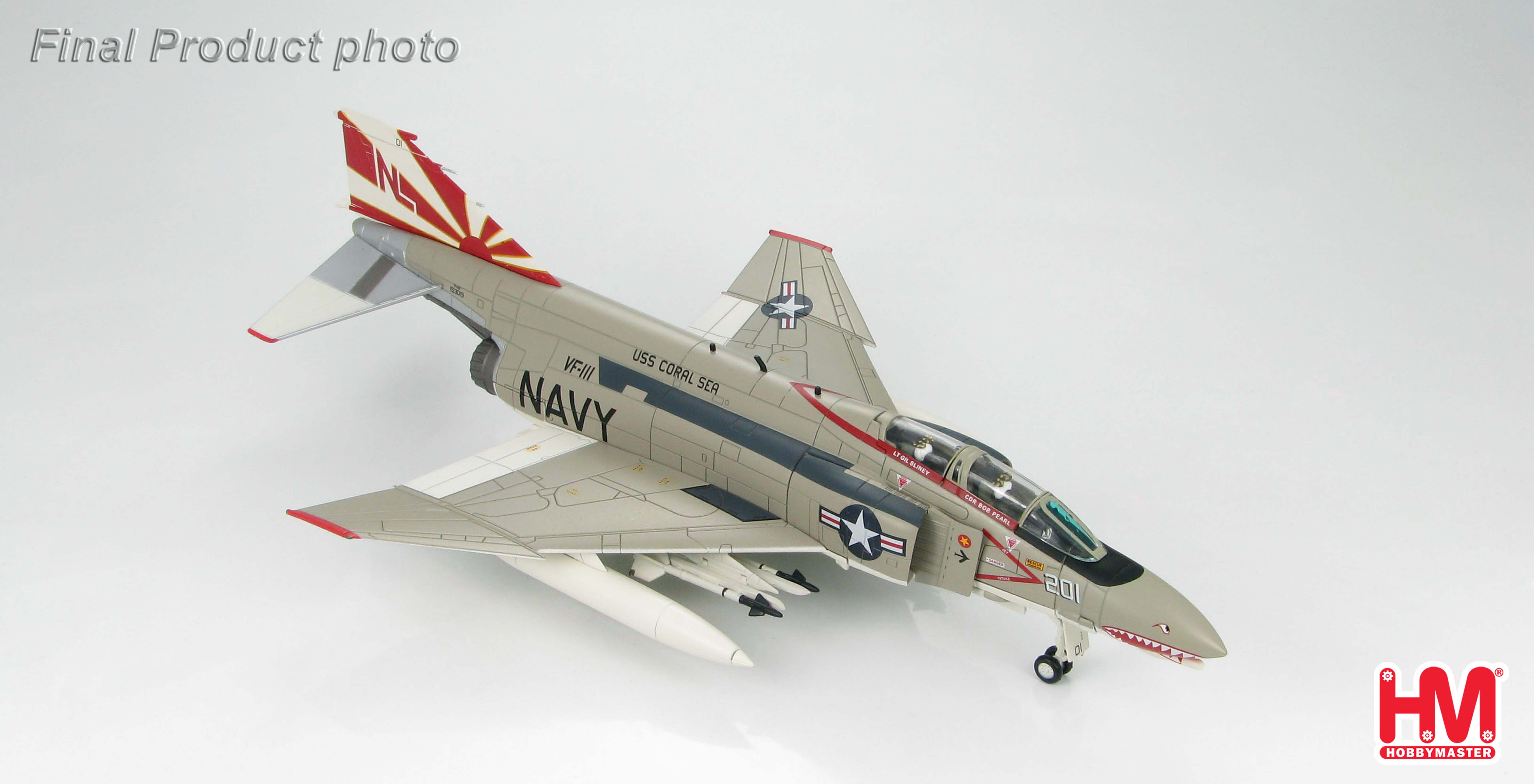
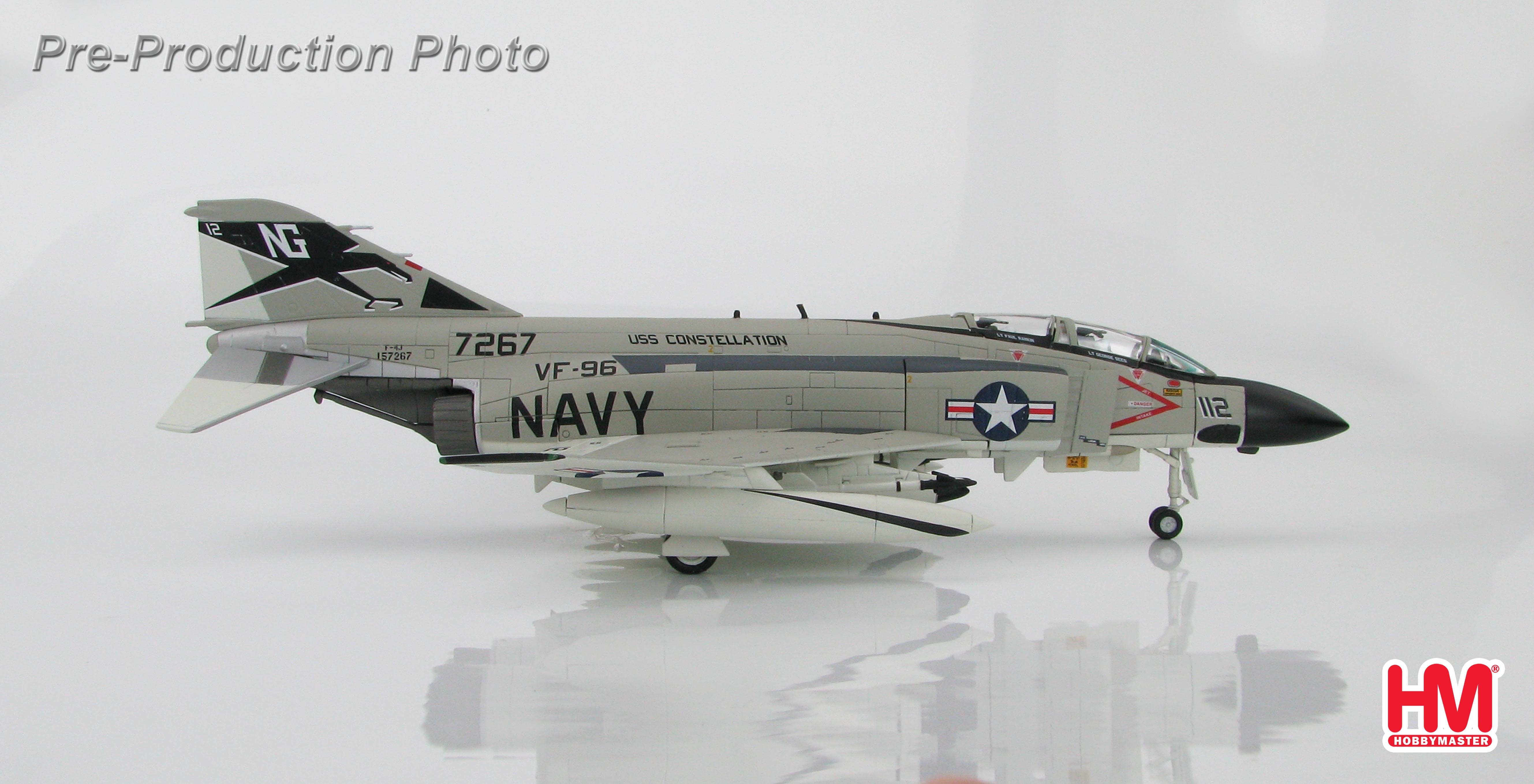
The F-4J was the last version produced for the USN and USMC. The “J” version was basically an upgraded “B” version with new radar and avionics as well as a better the “J” version is what isn’t there; the infrared seeker under the nose was deleted. Also missing was an internal gun but Sparrow and Sidewinder missiles were used for intercepting. Between 1966 and 1972 there were 522 F-4Js built. The F-4J had the distinction of scoring the only USMC air-to-air combat victory in Vietnam and it also was the last US operational aircraft in South East Asia. In mid 1970 the F-4 Phantom II was being replaced by the new and improved F-14 Tomcat.