Hobby Master Archive
Air Power Propellers 1/48
Spitfire
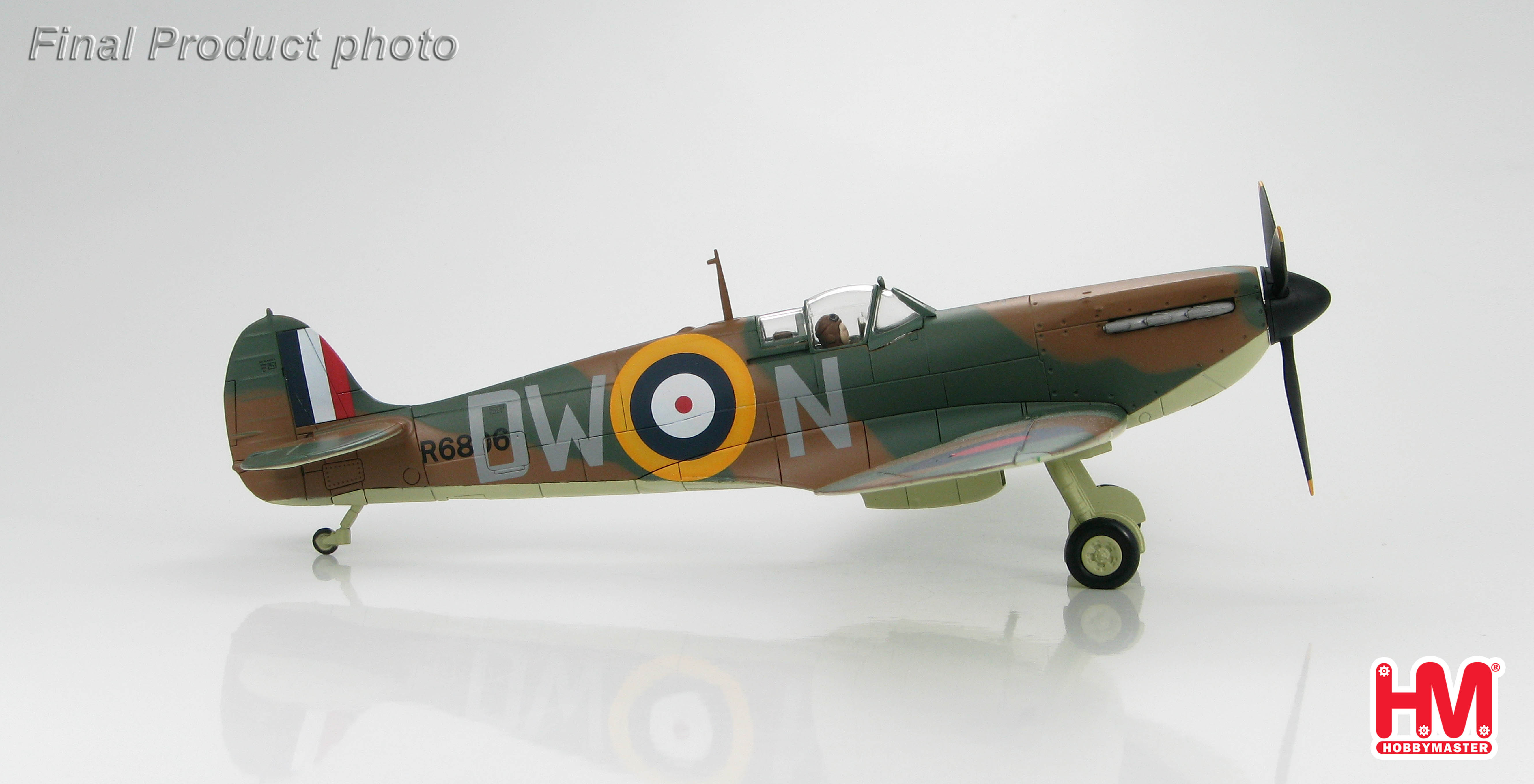
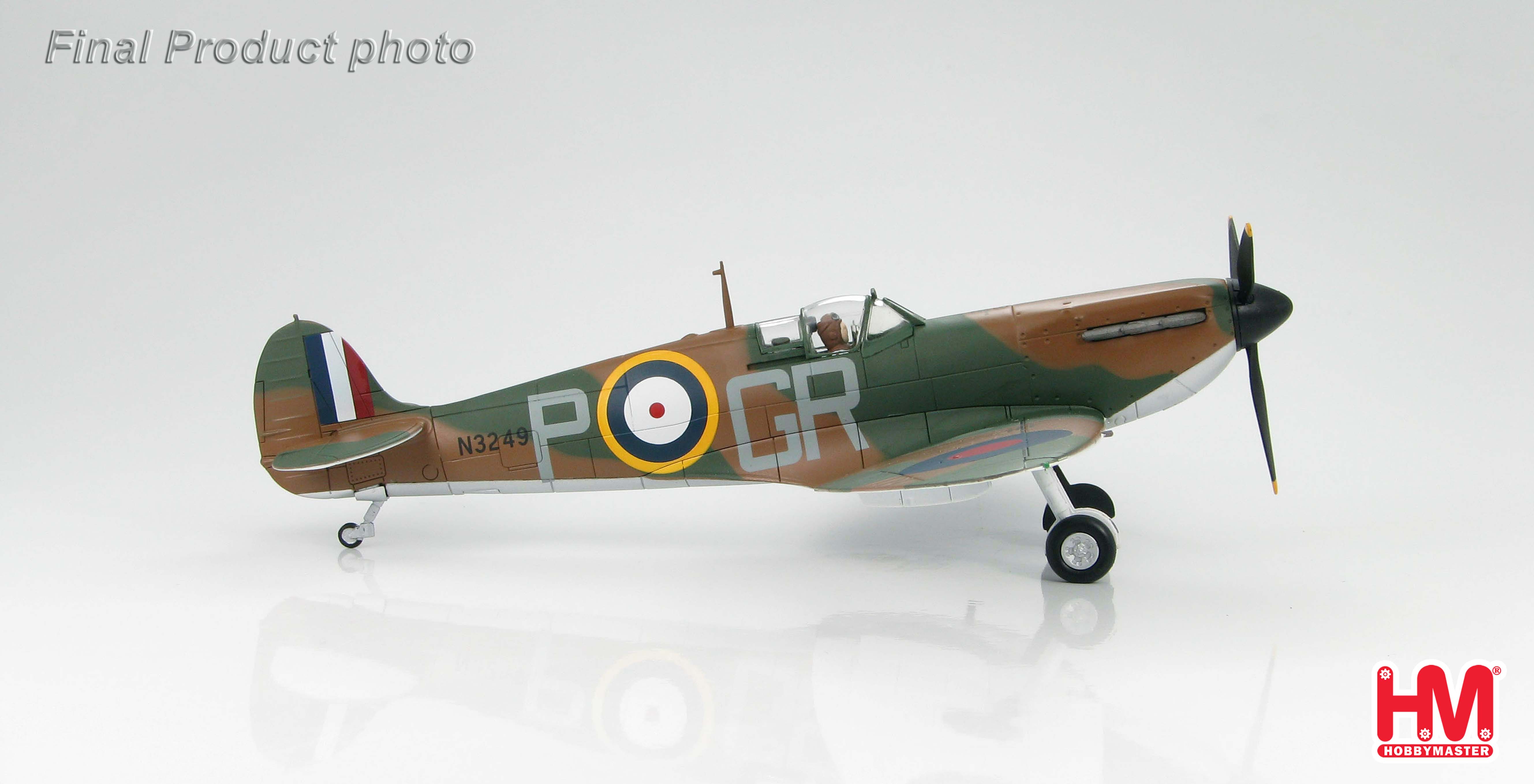
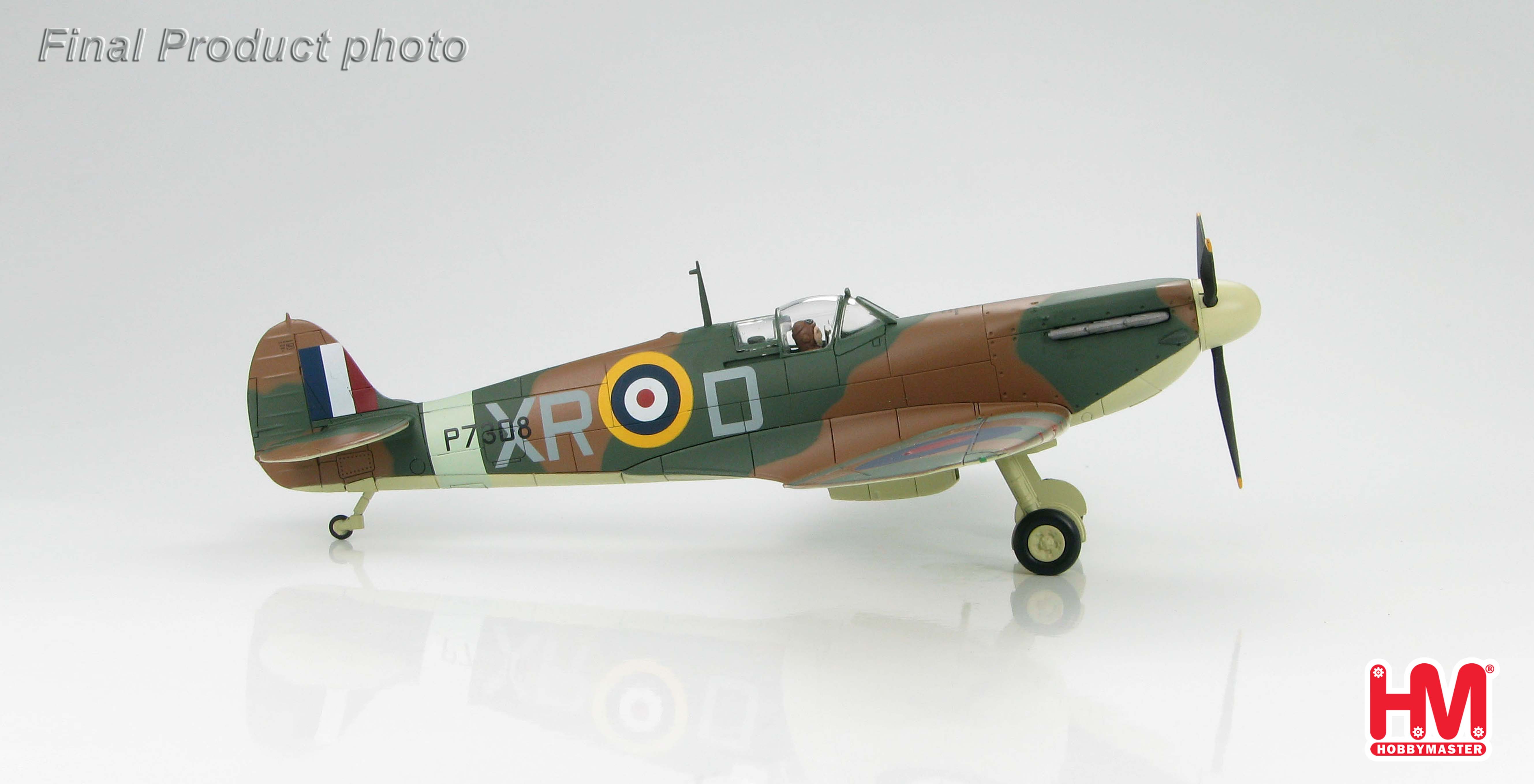
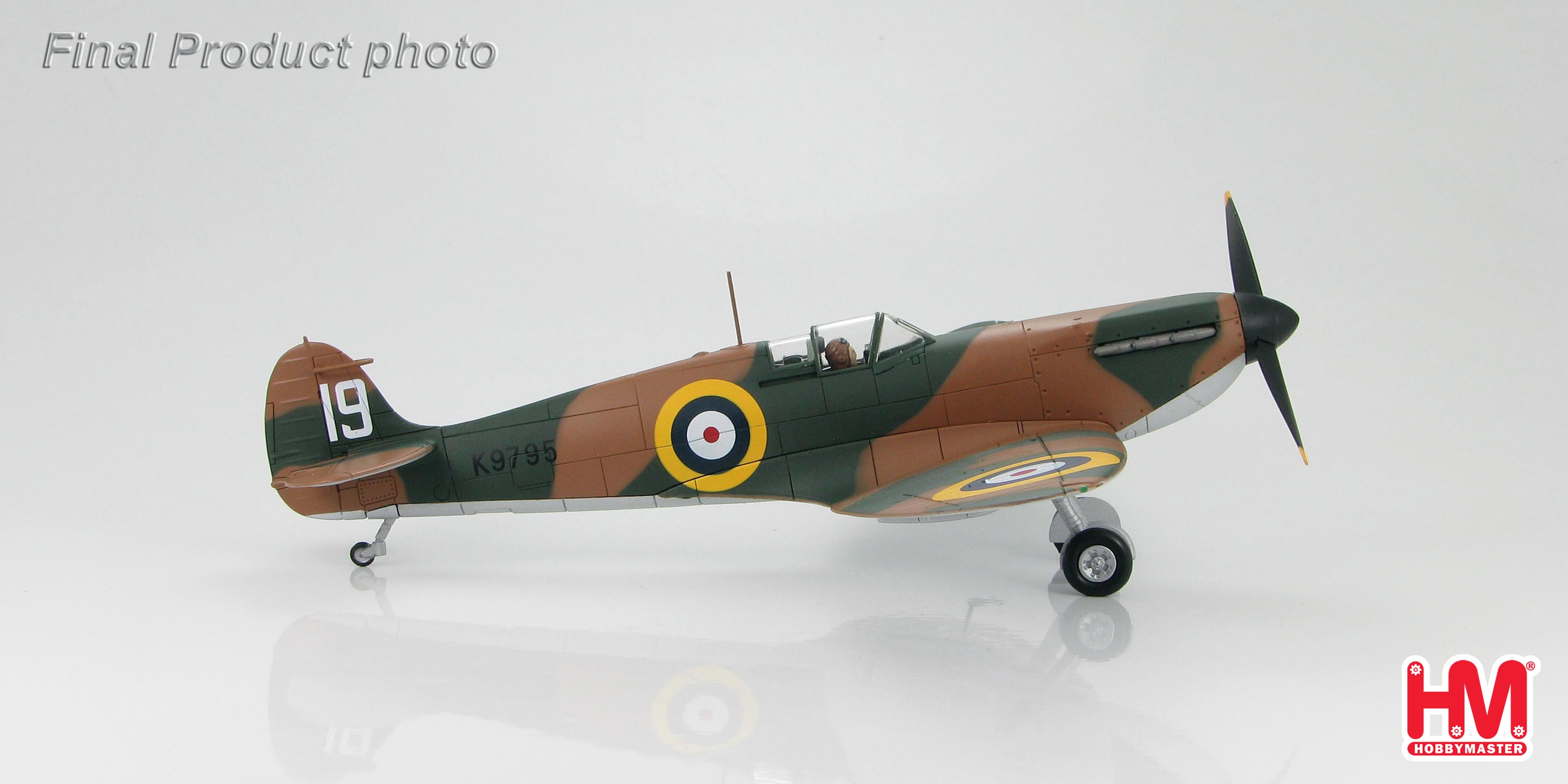
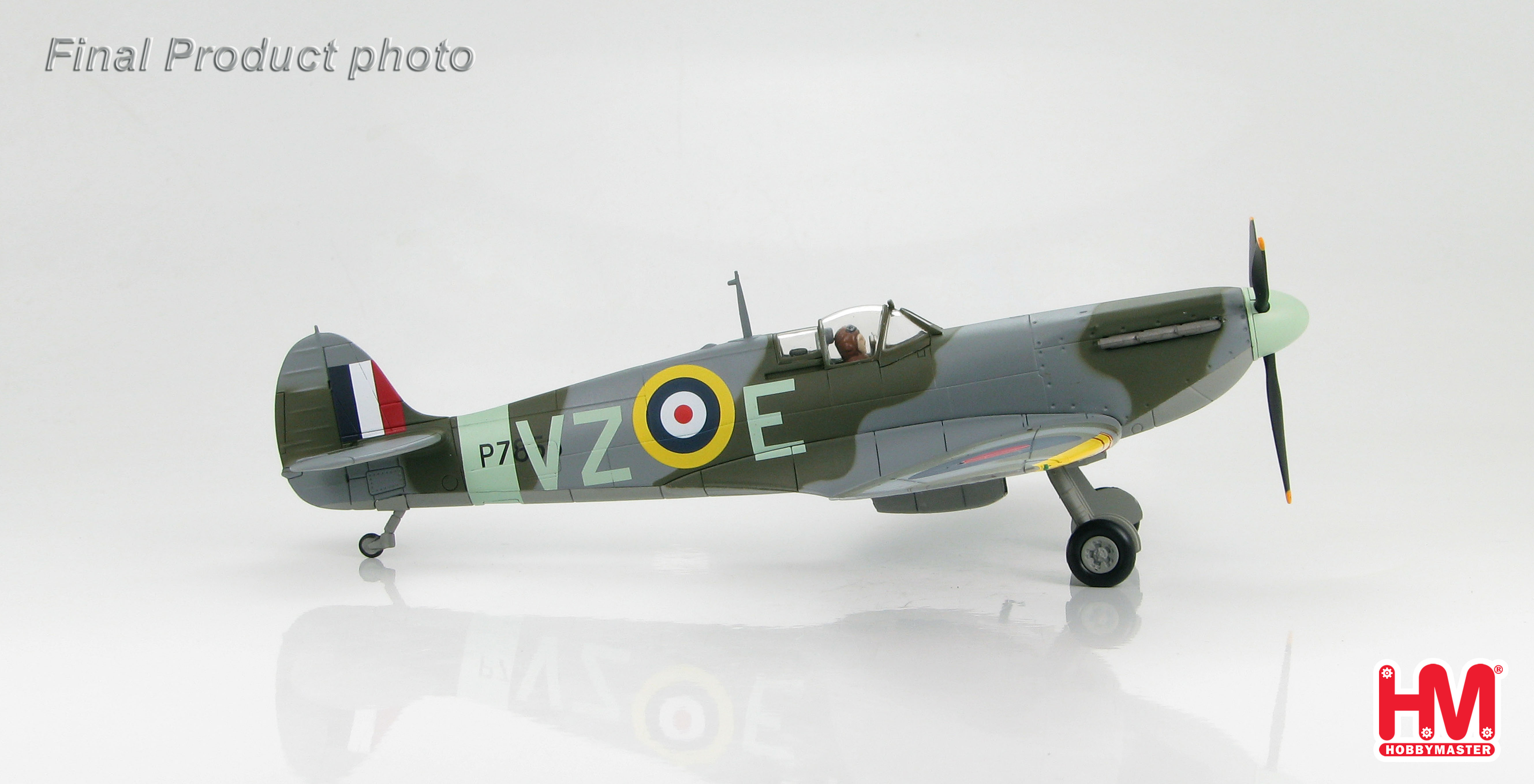
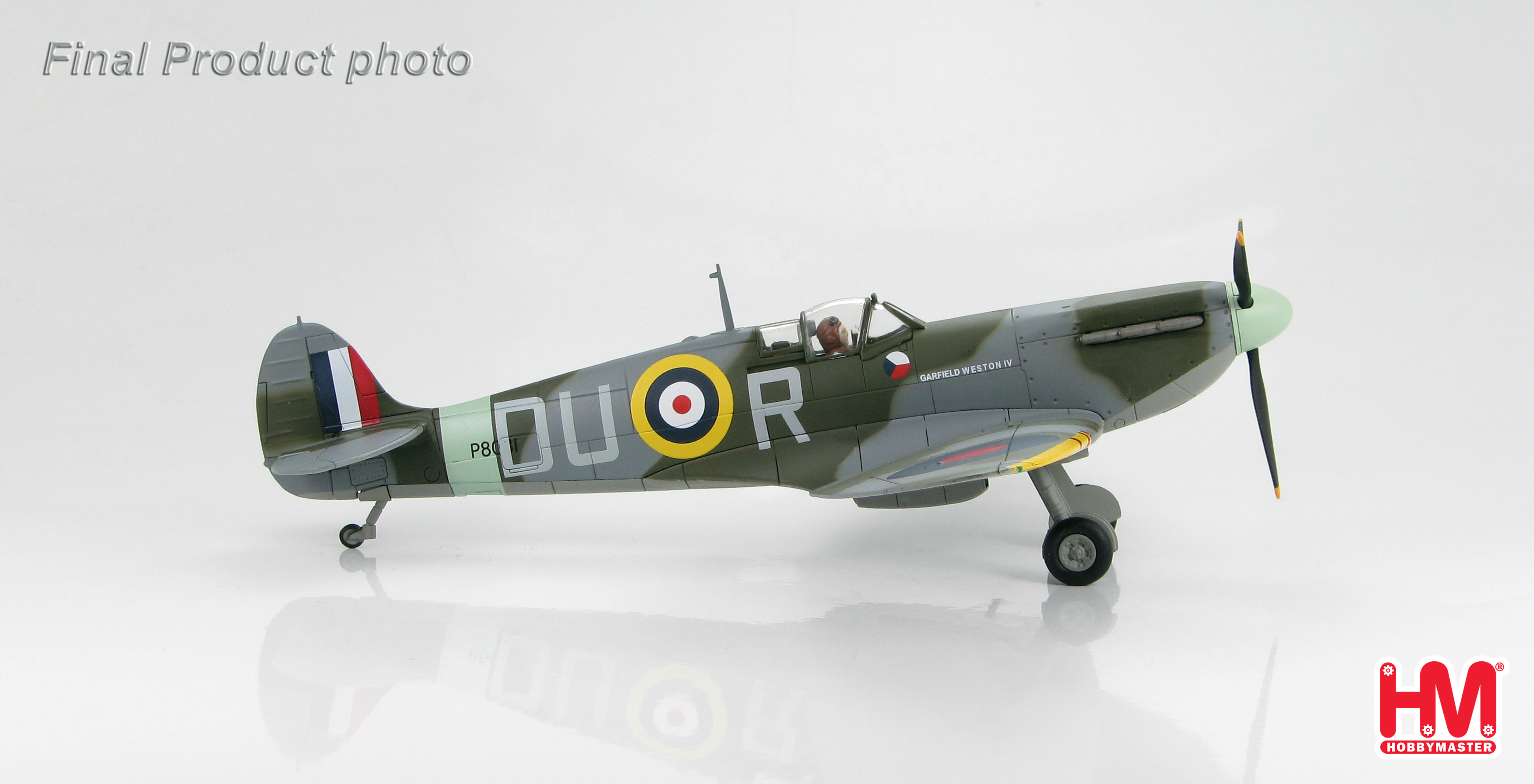
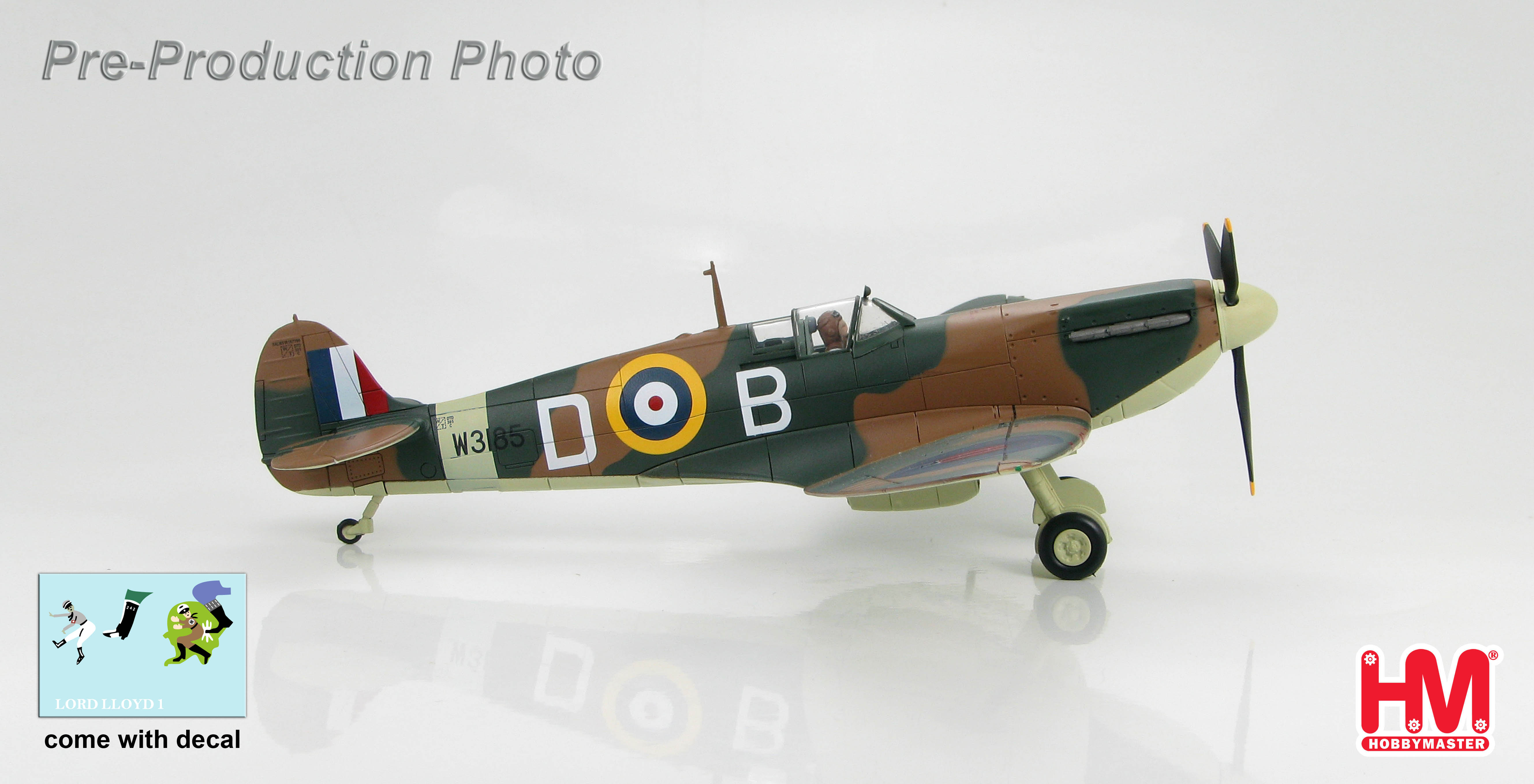
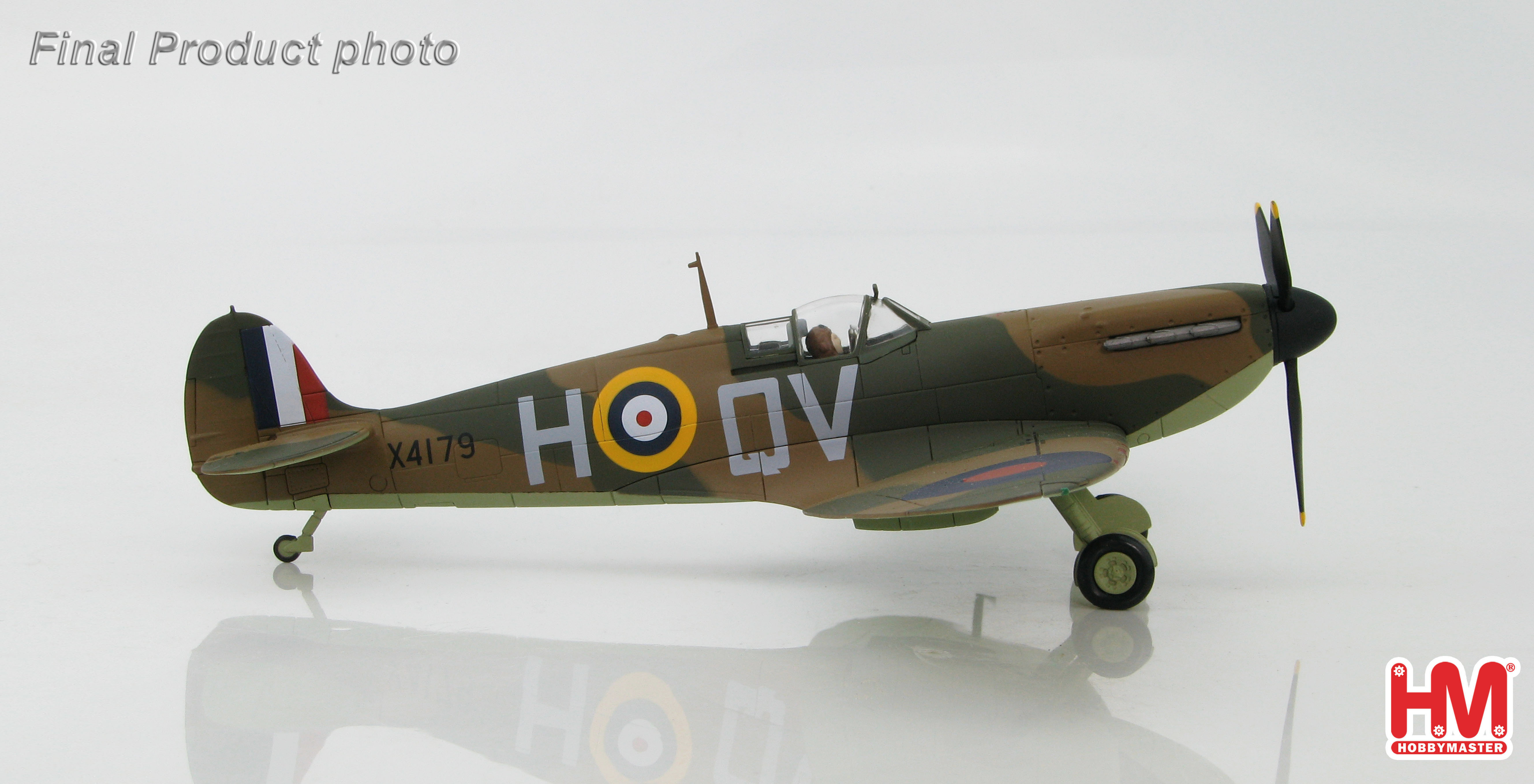
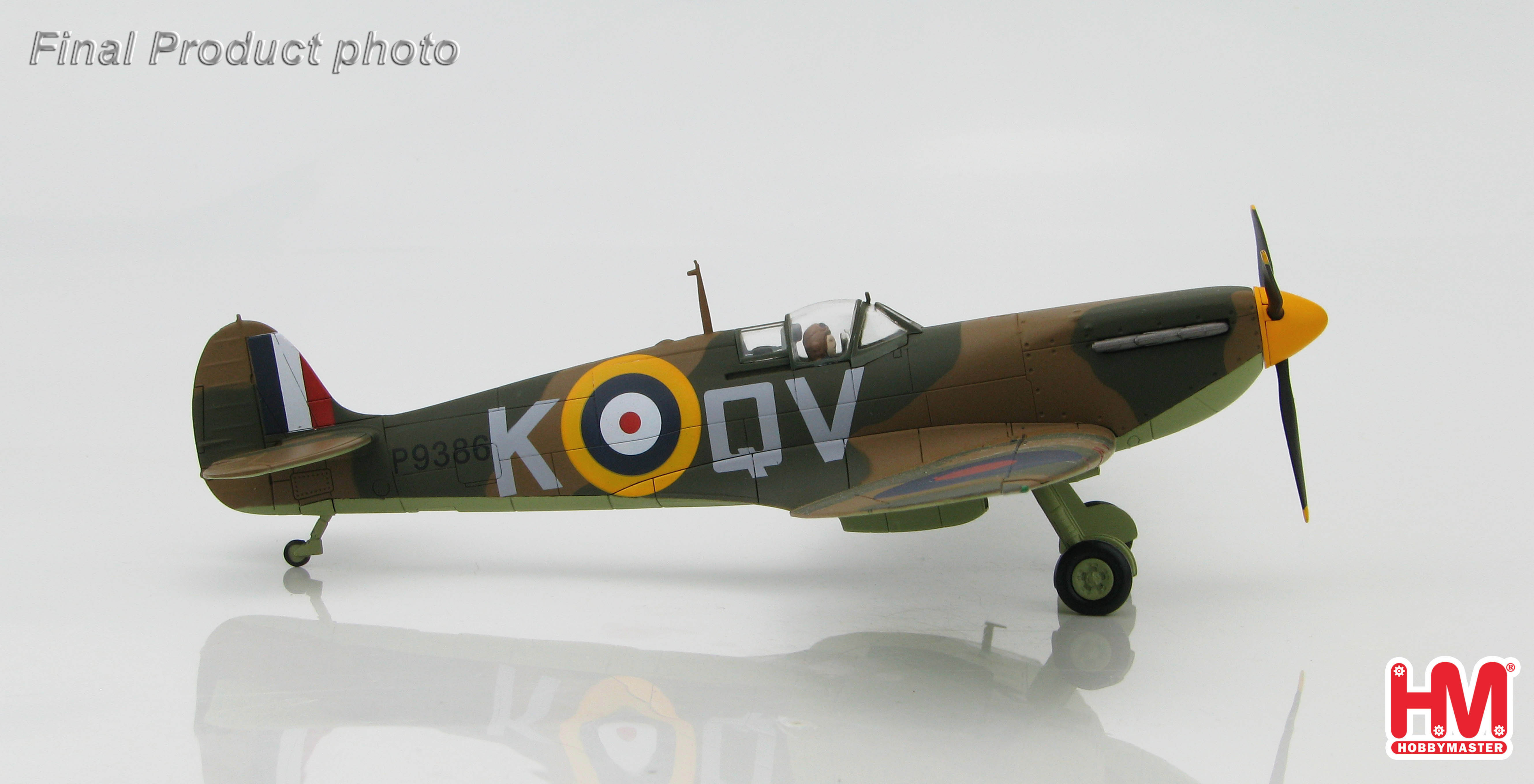
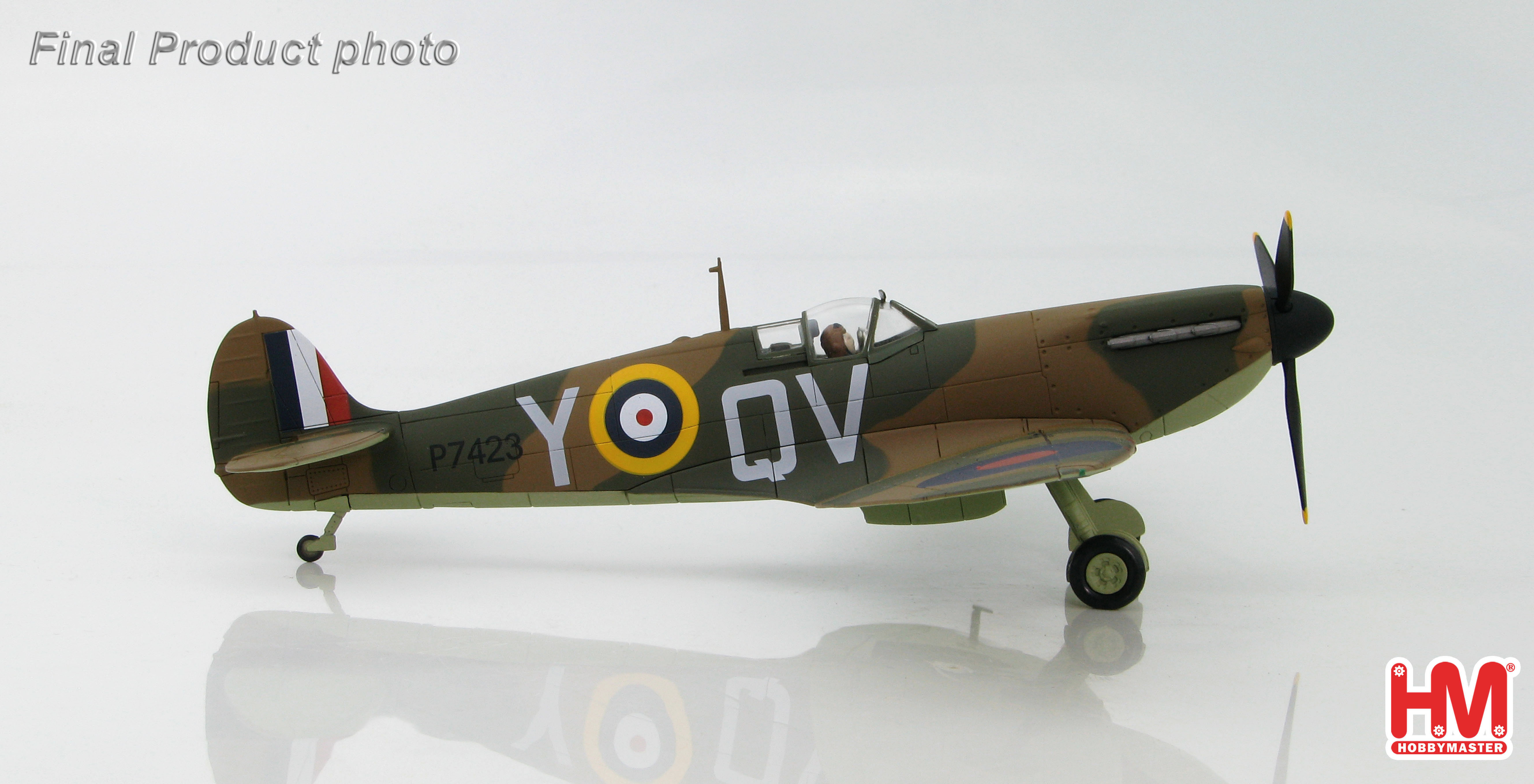
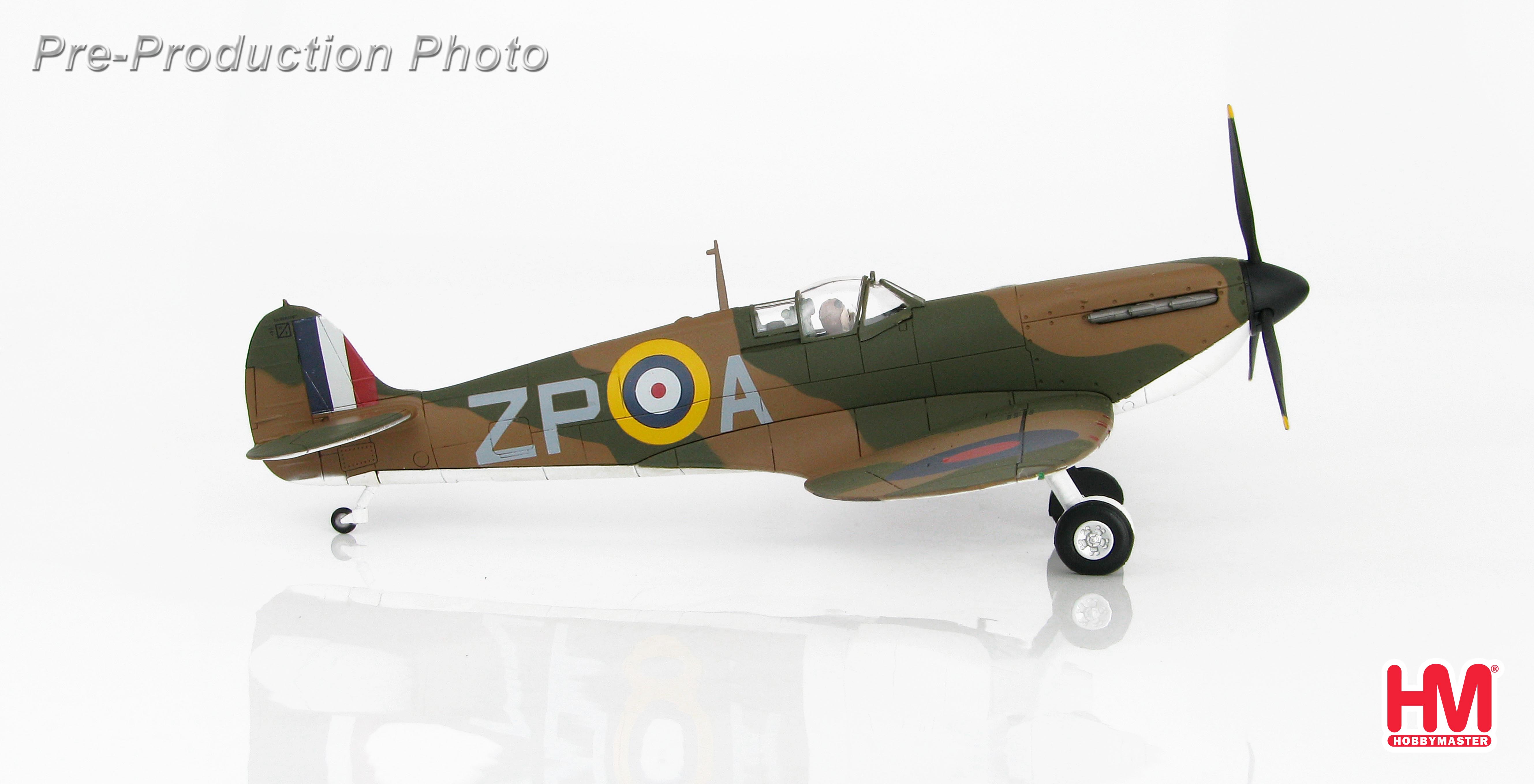
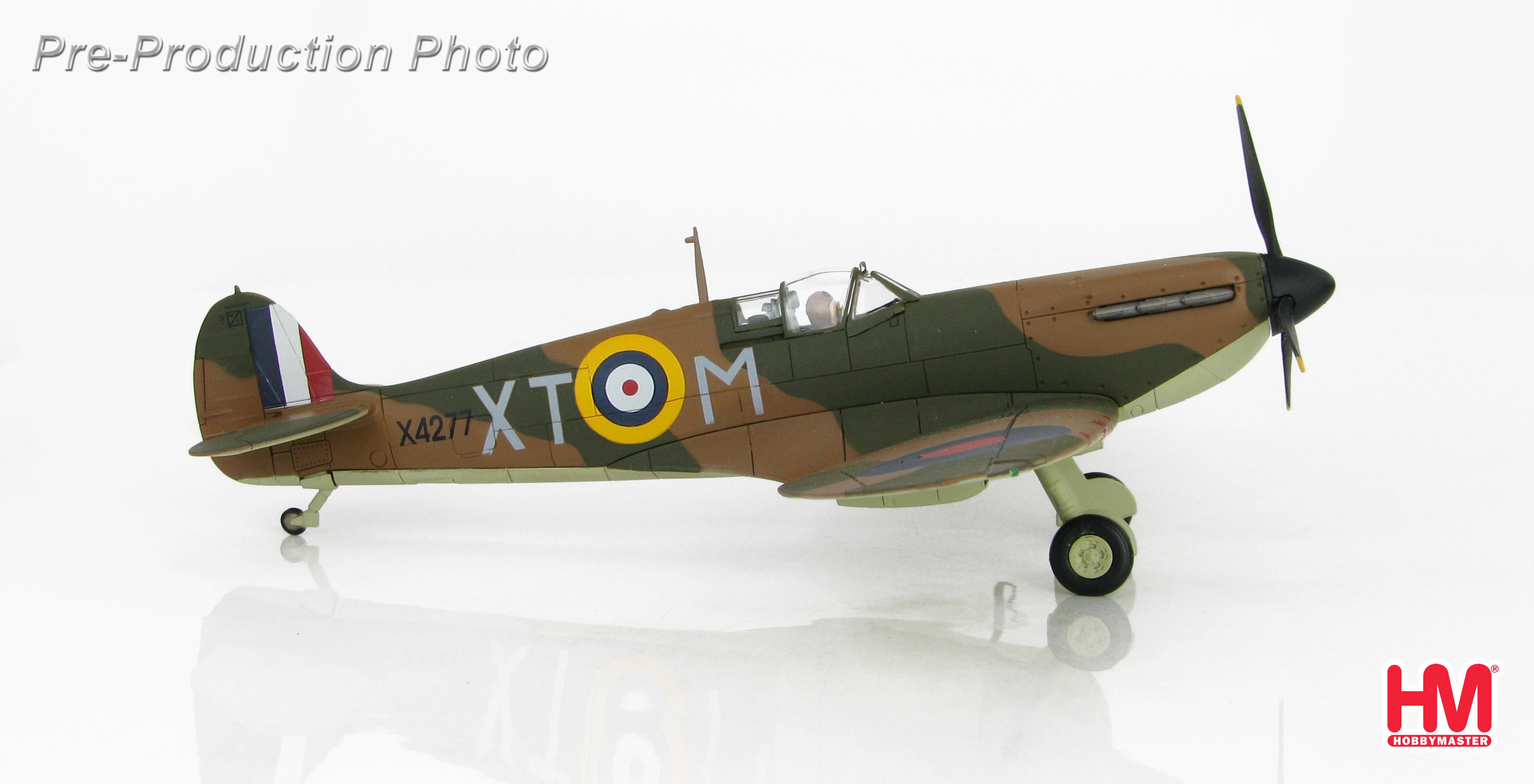
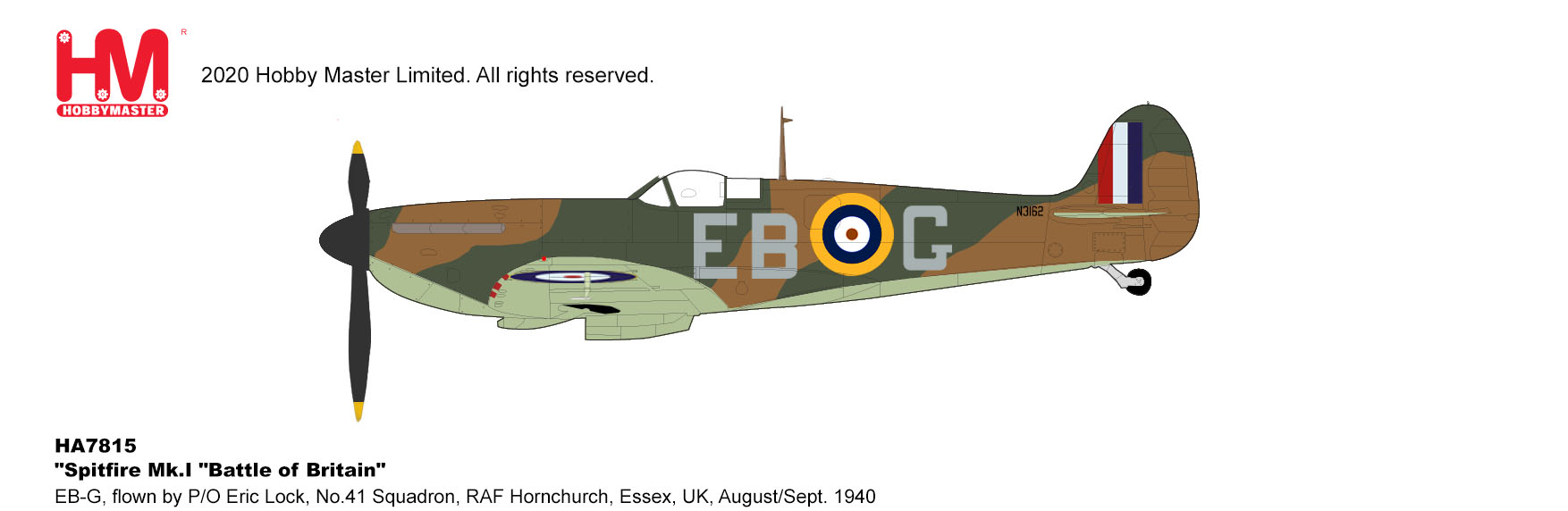
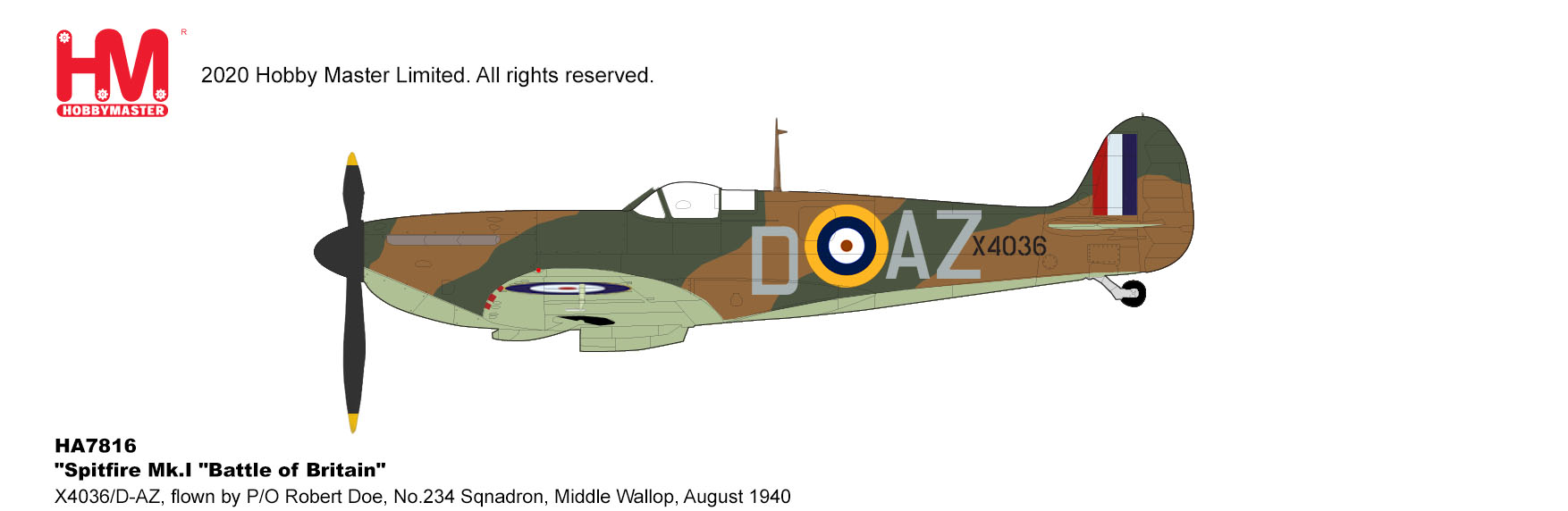
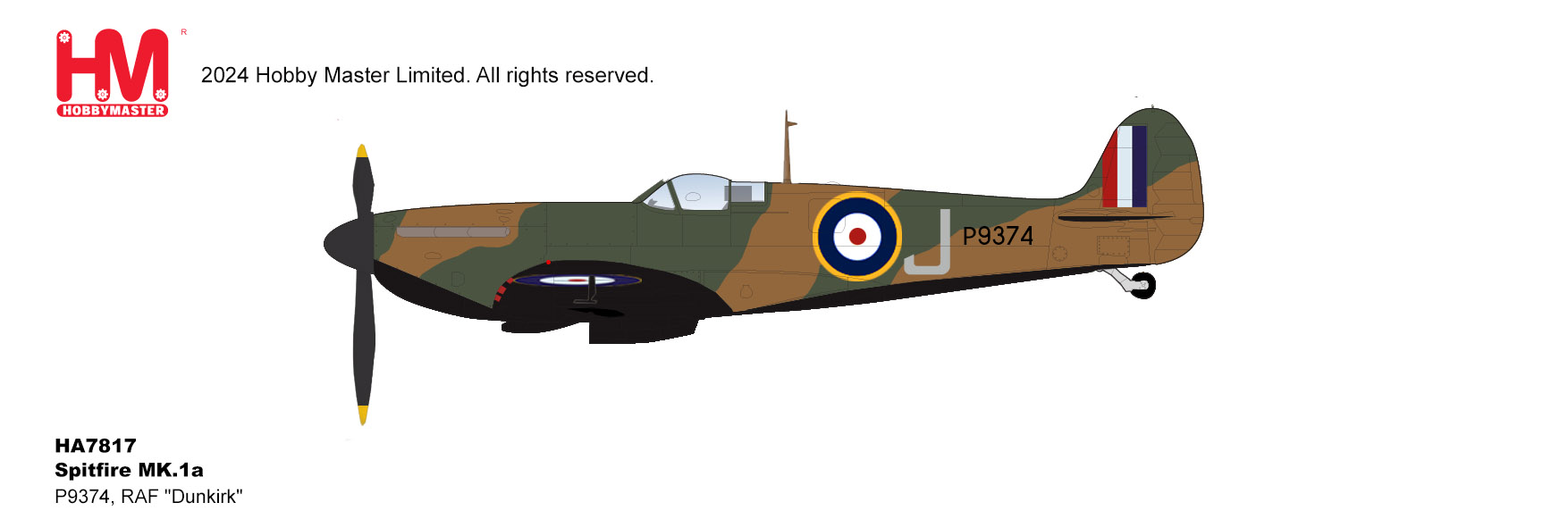
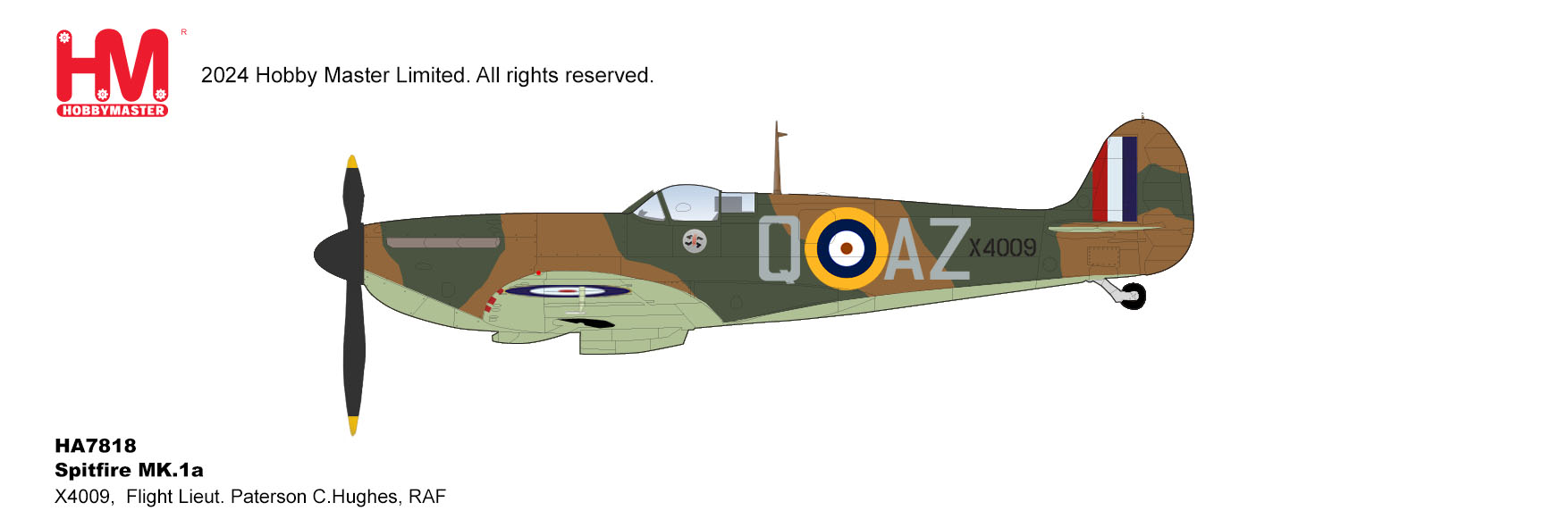
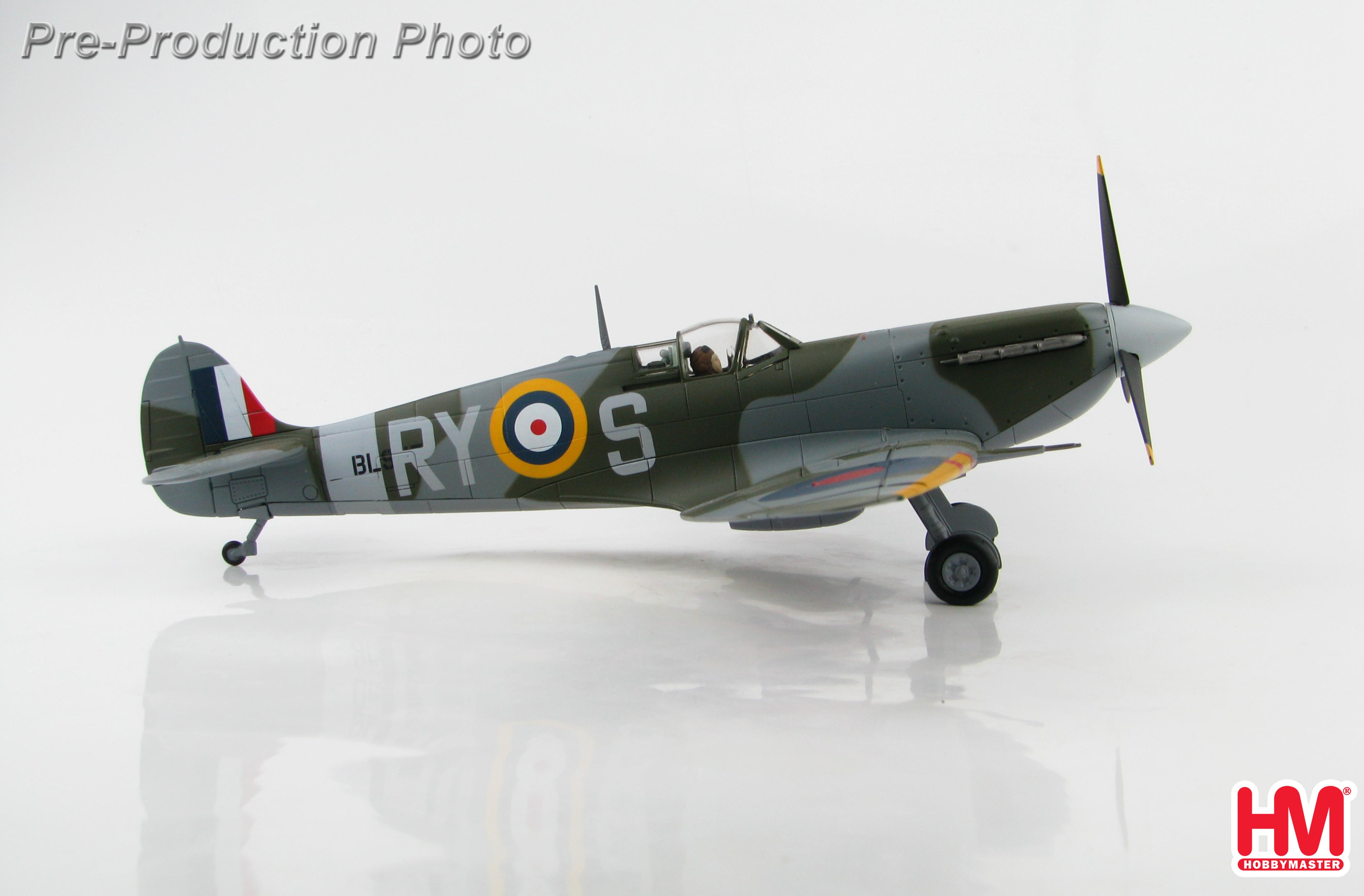
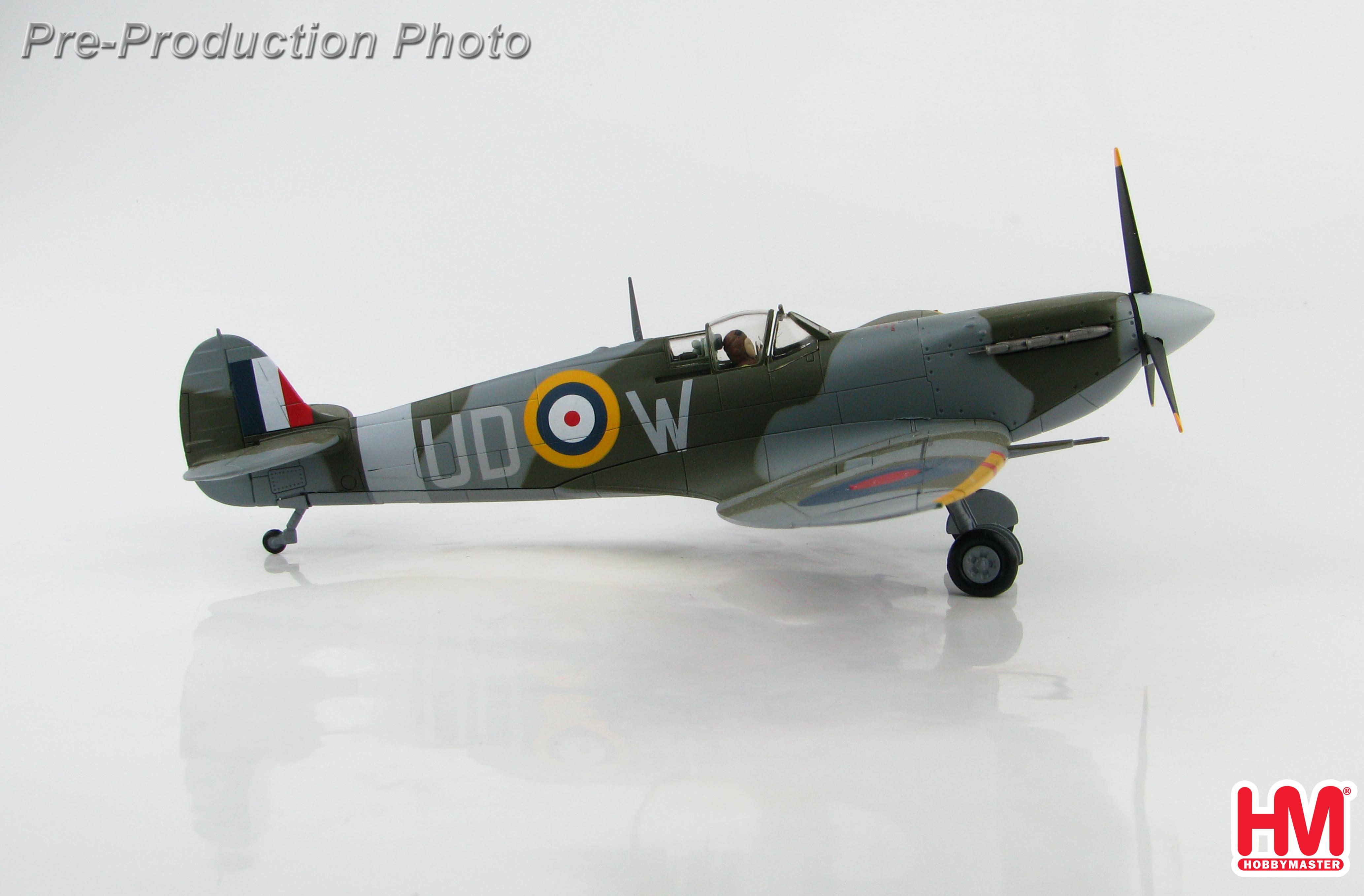
The Spitfire Mk.1 first became operational in July 1938 at Duxford, Cambridge. At the beginning of WWII 9 RAF squadrons were equipped with the Mk.1’s with two others converting to the new aircraft. By June 1940 the Mk.1 was being replaced by the faster long-range Mk.II but not before the Mk.I had bore the brunt of the Battle of Britain. The Mk.I also flew protective cover over the evacuation of Dunkirk. The Mk.1A had 8 machine guns instead of 4, a bulged canopy, a 3-blade propeller, self-sealing fuel tanks, armored windscreen and armor plating in front of and behind the pilot.
The Spitfire Mk.II was an improvement over the late production Mk.I’s because it had the new Merlin XII engine. The new engine provided an extra 120 hp and could be equipped with either the Rotol or de Havilland propellers. Out of the 920 Mk.II’s built 750 were Mk.IIa’s armed with eight .303 Browning machine guns. The Mk.II was phased out in 1941 by the Mk.V.
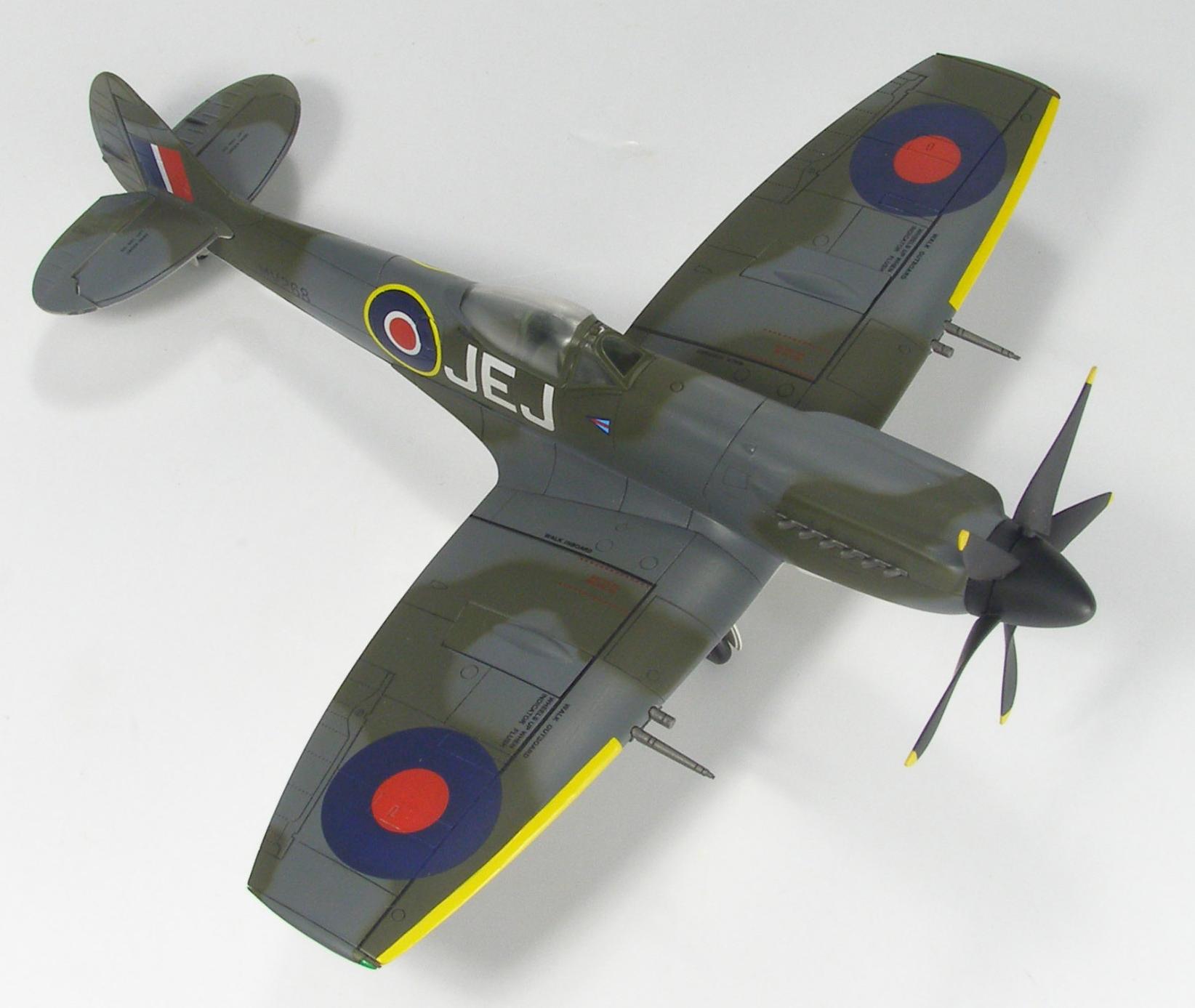
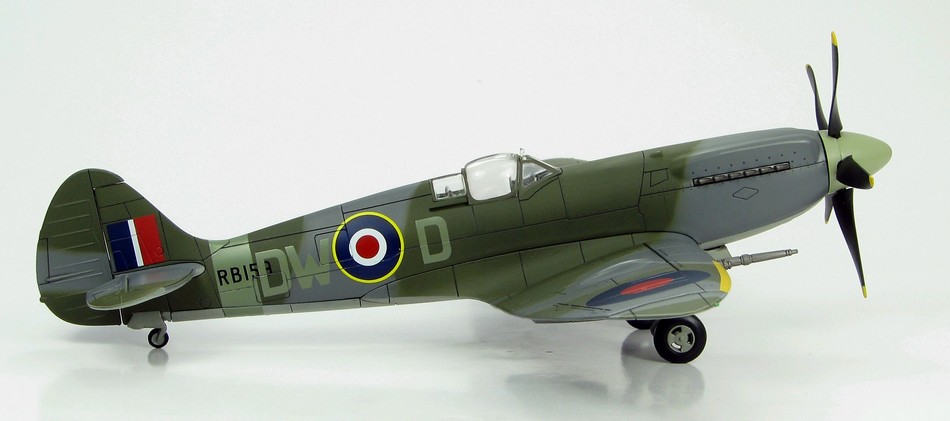
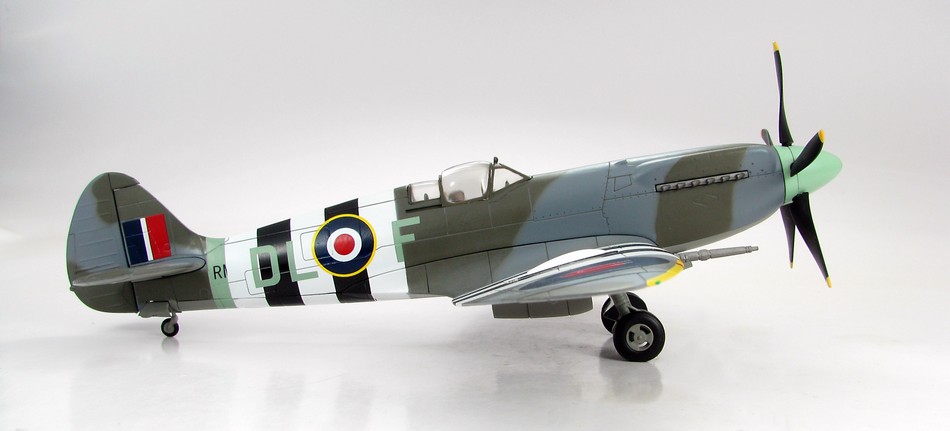
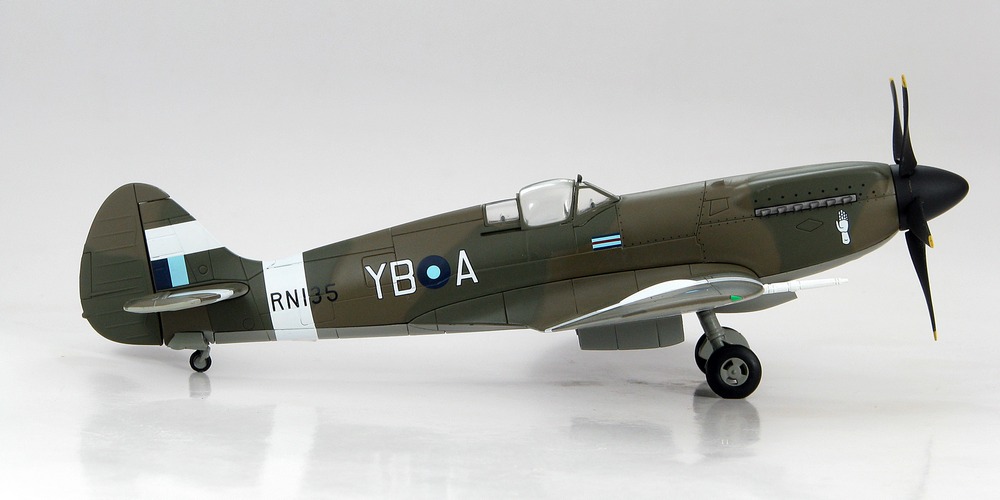
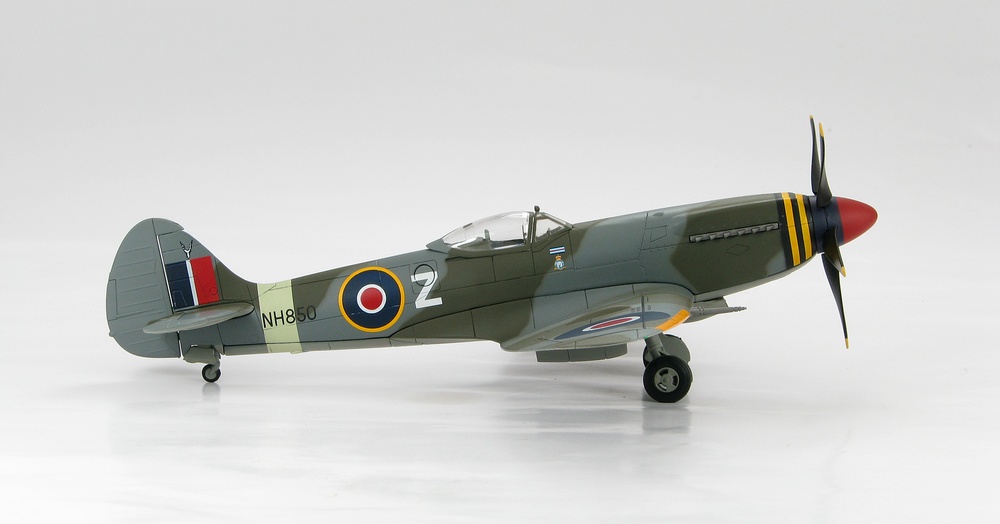
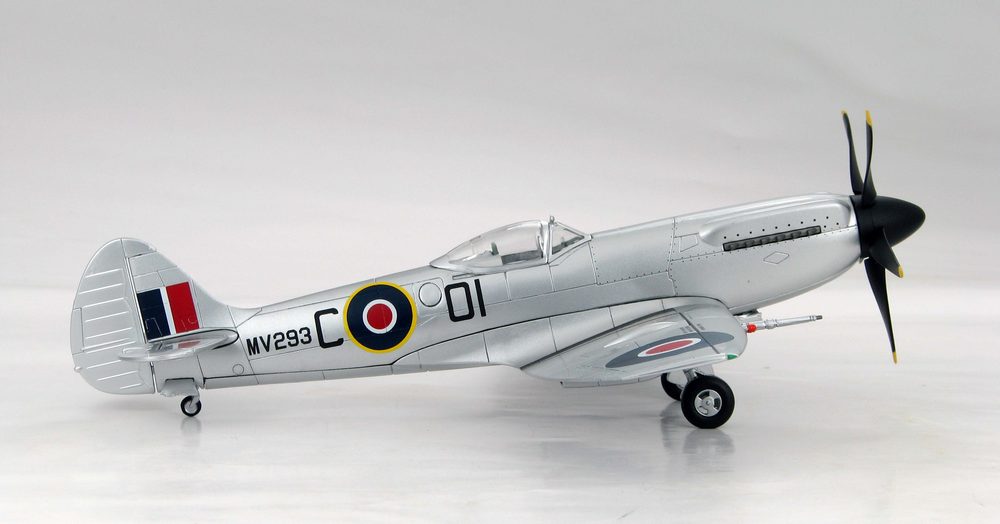
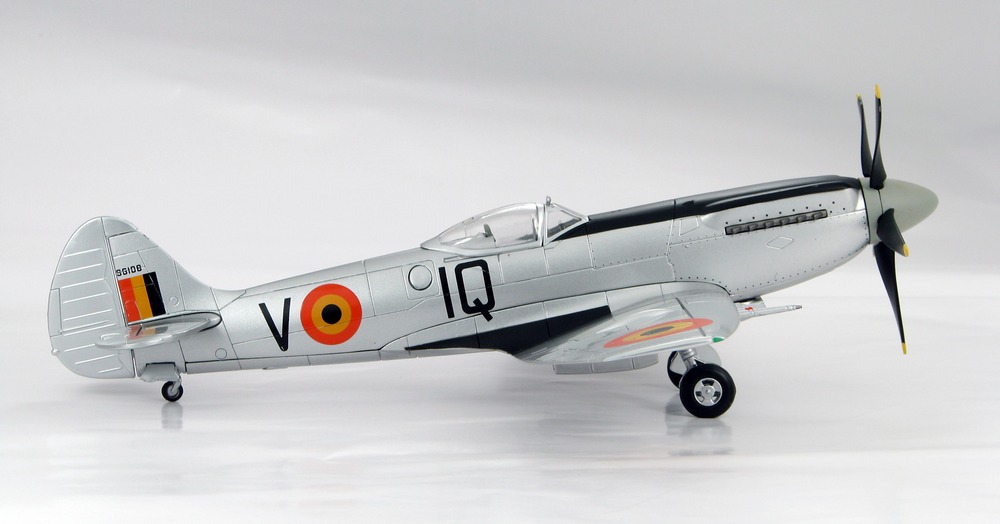
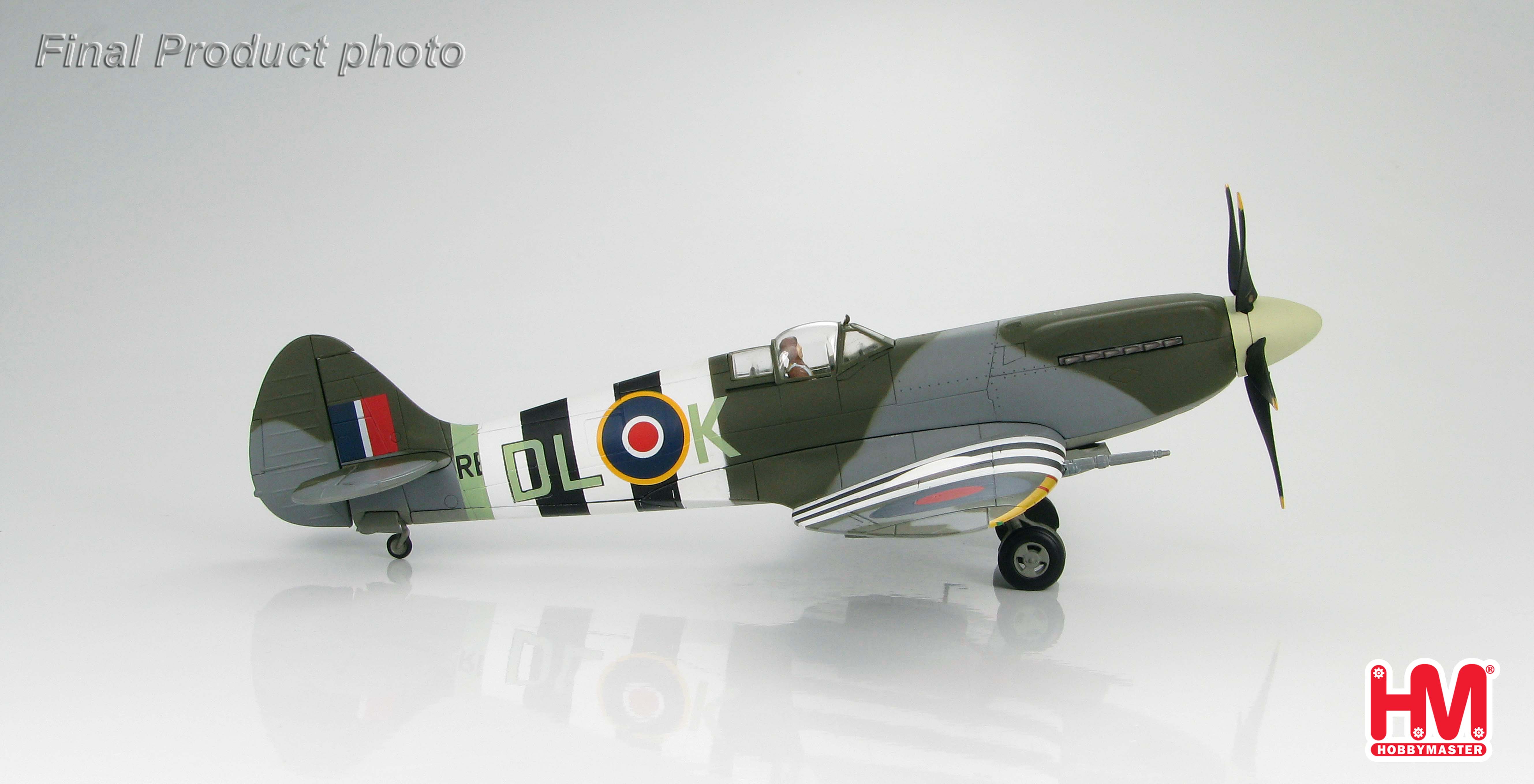
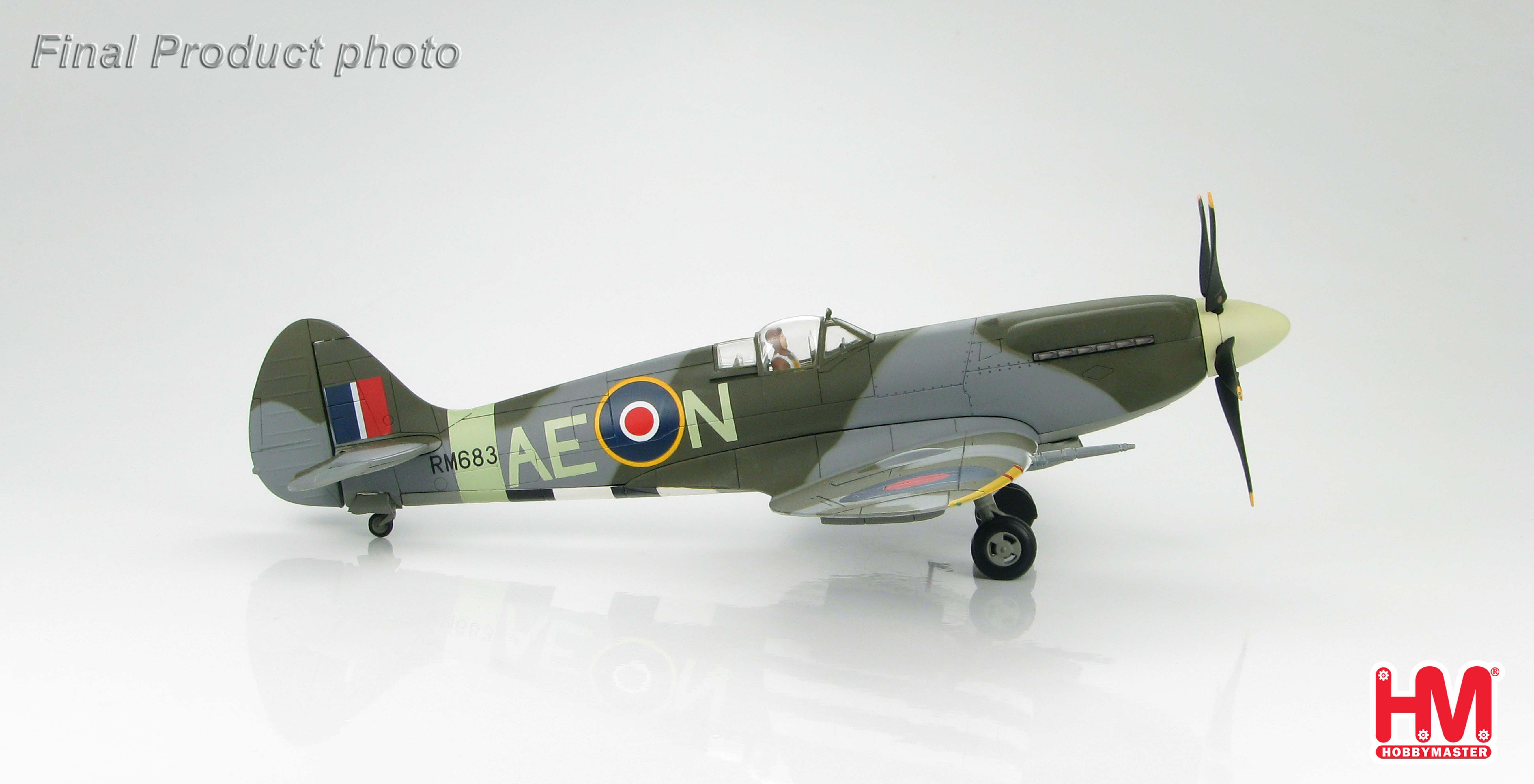
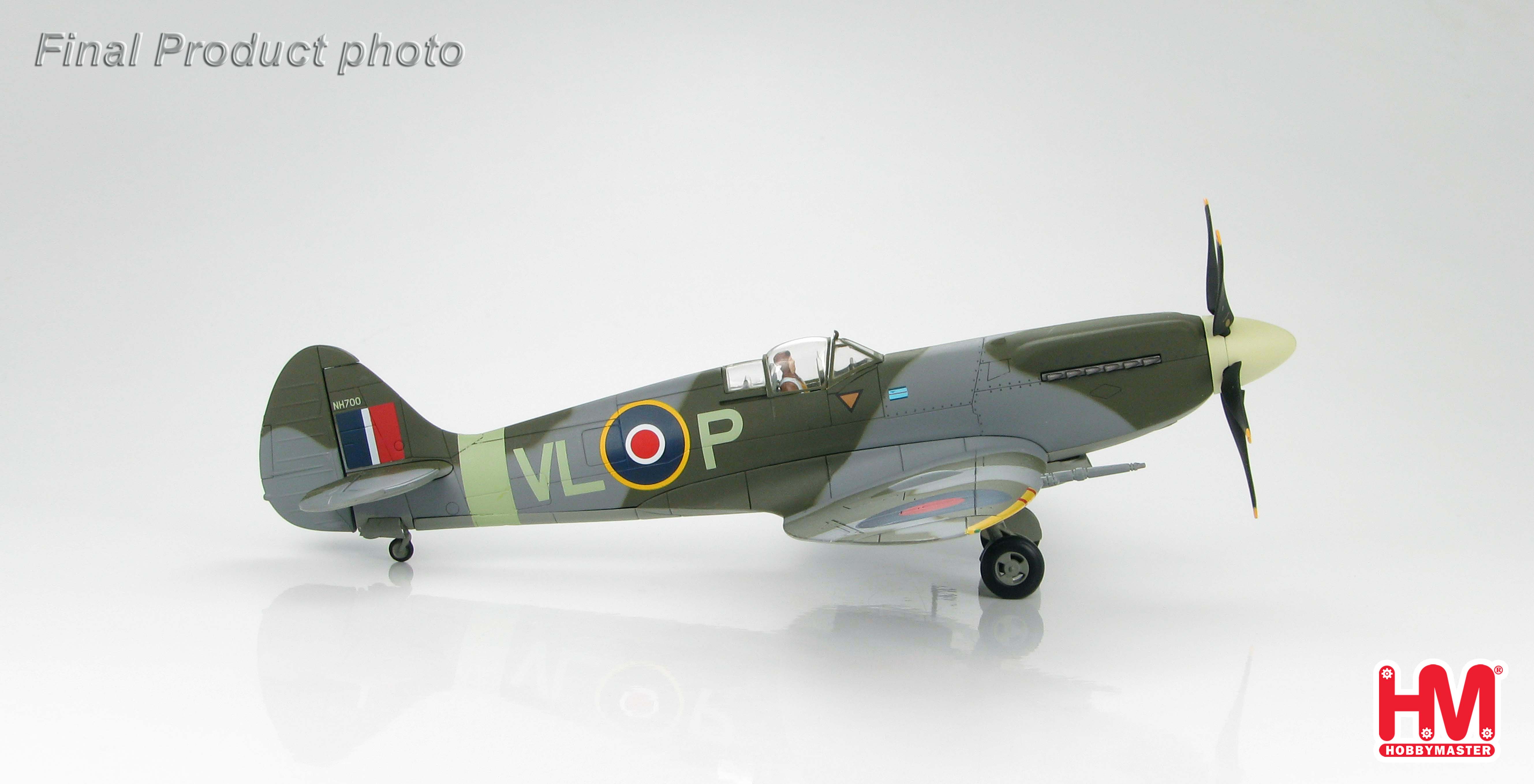
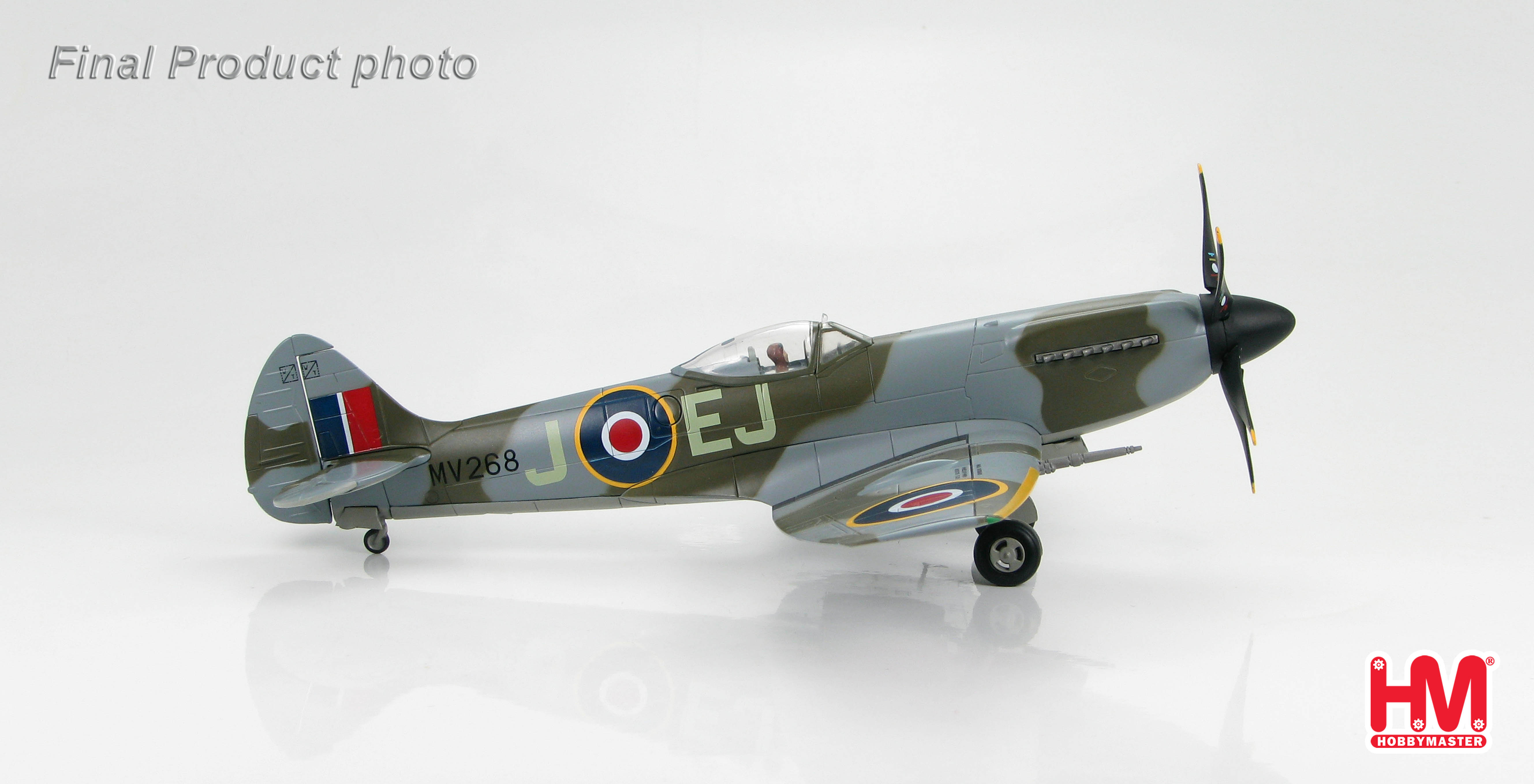
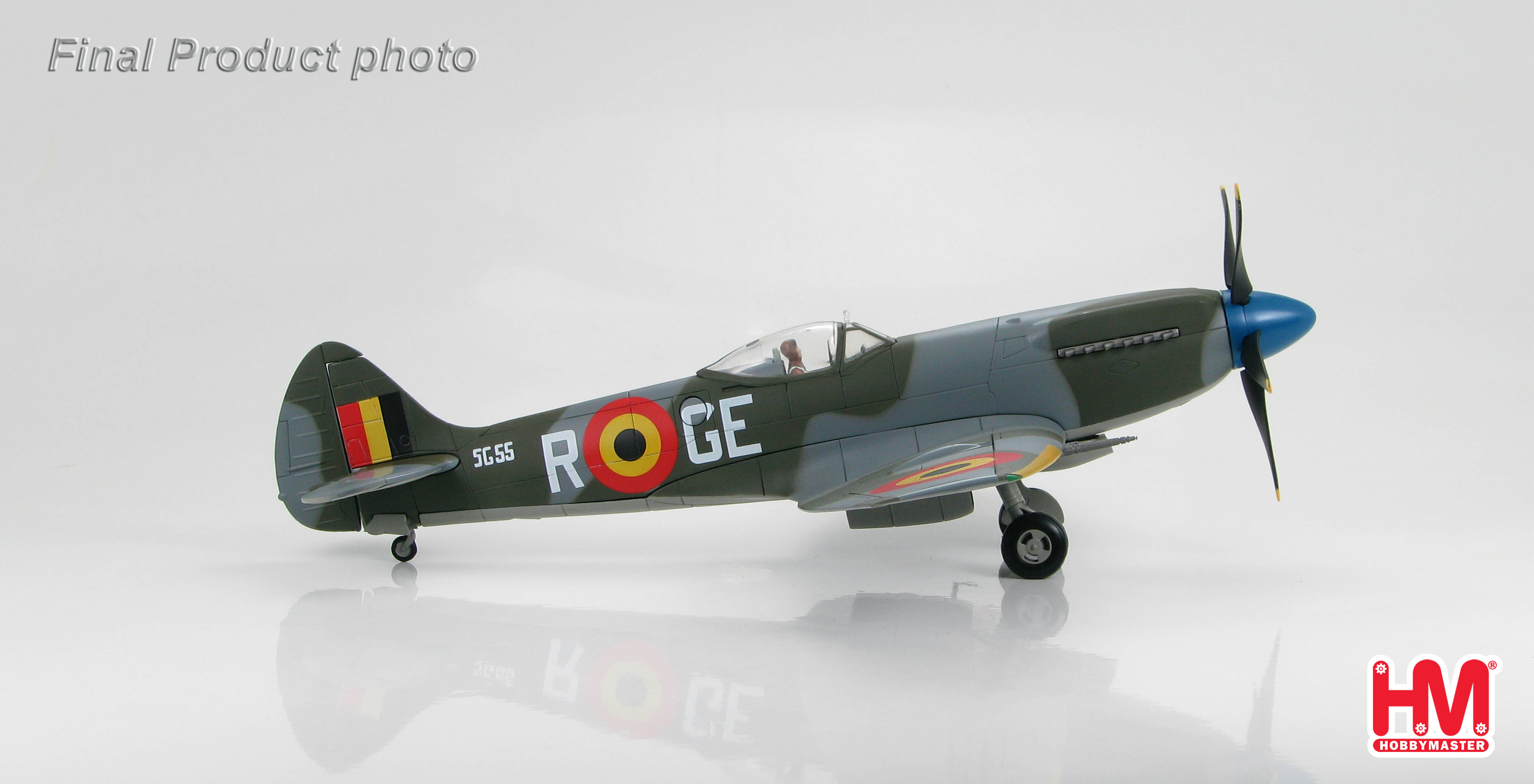
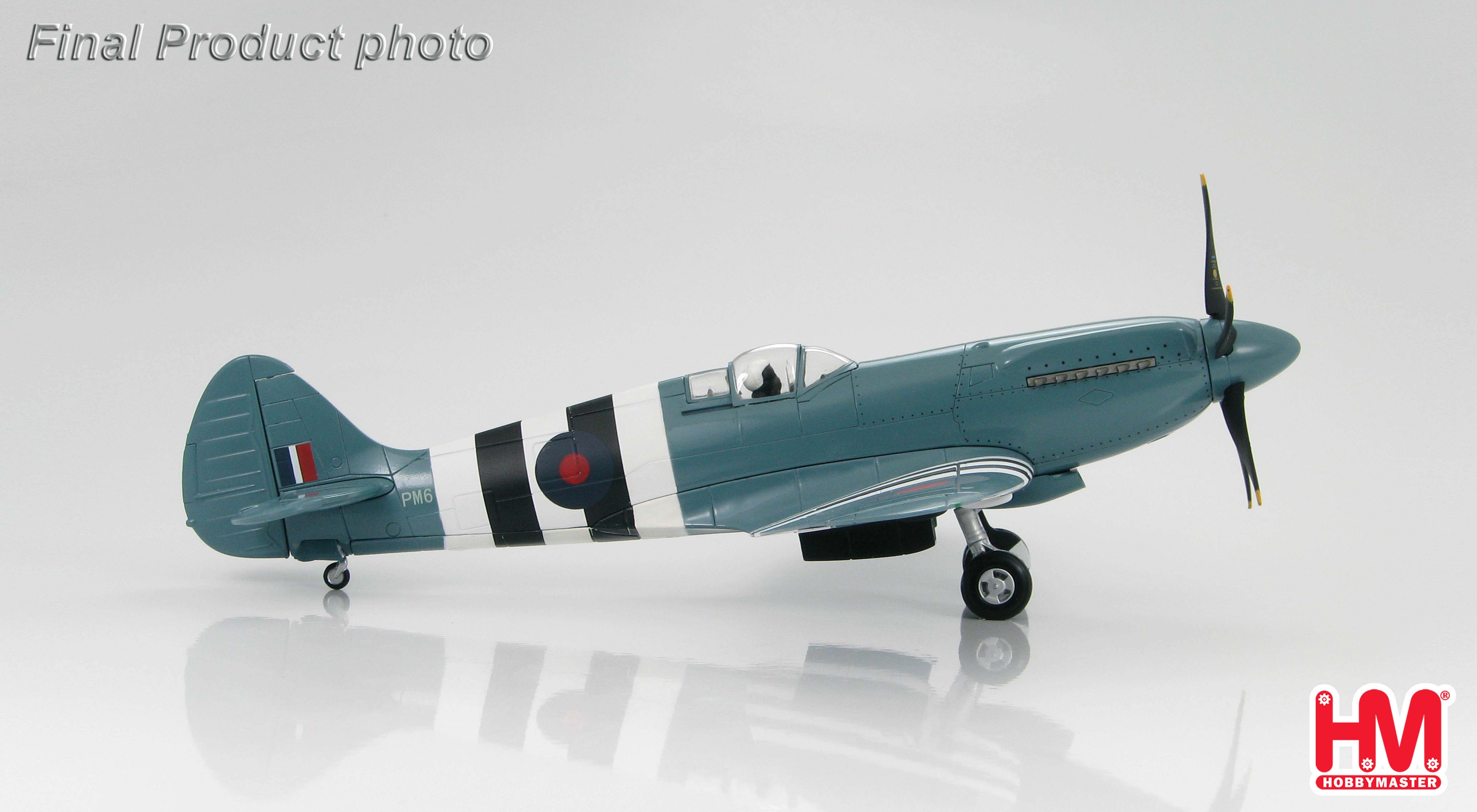
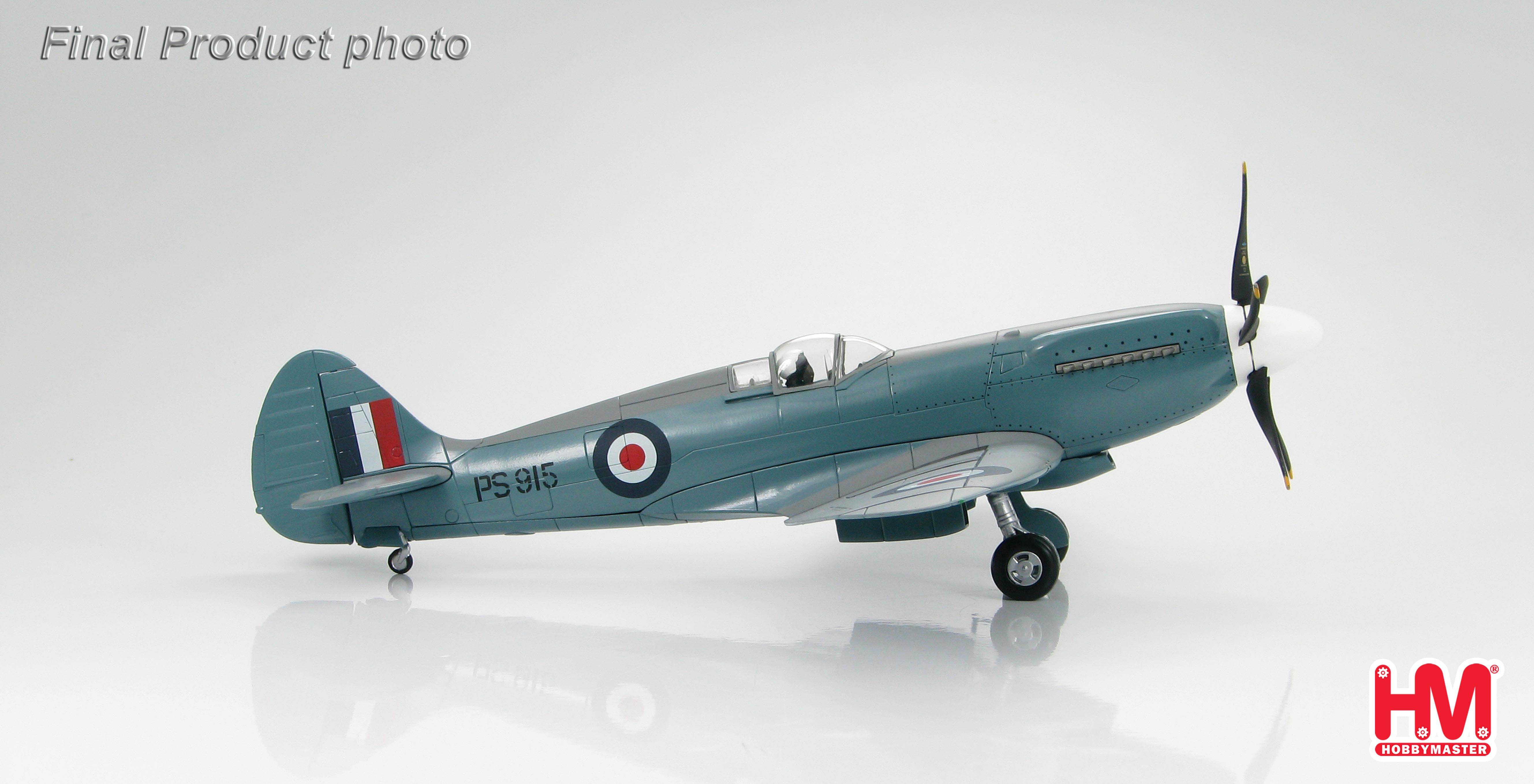
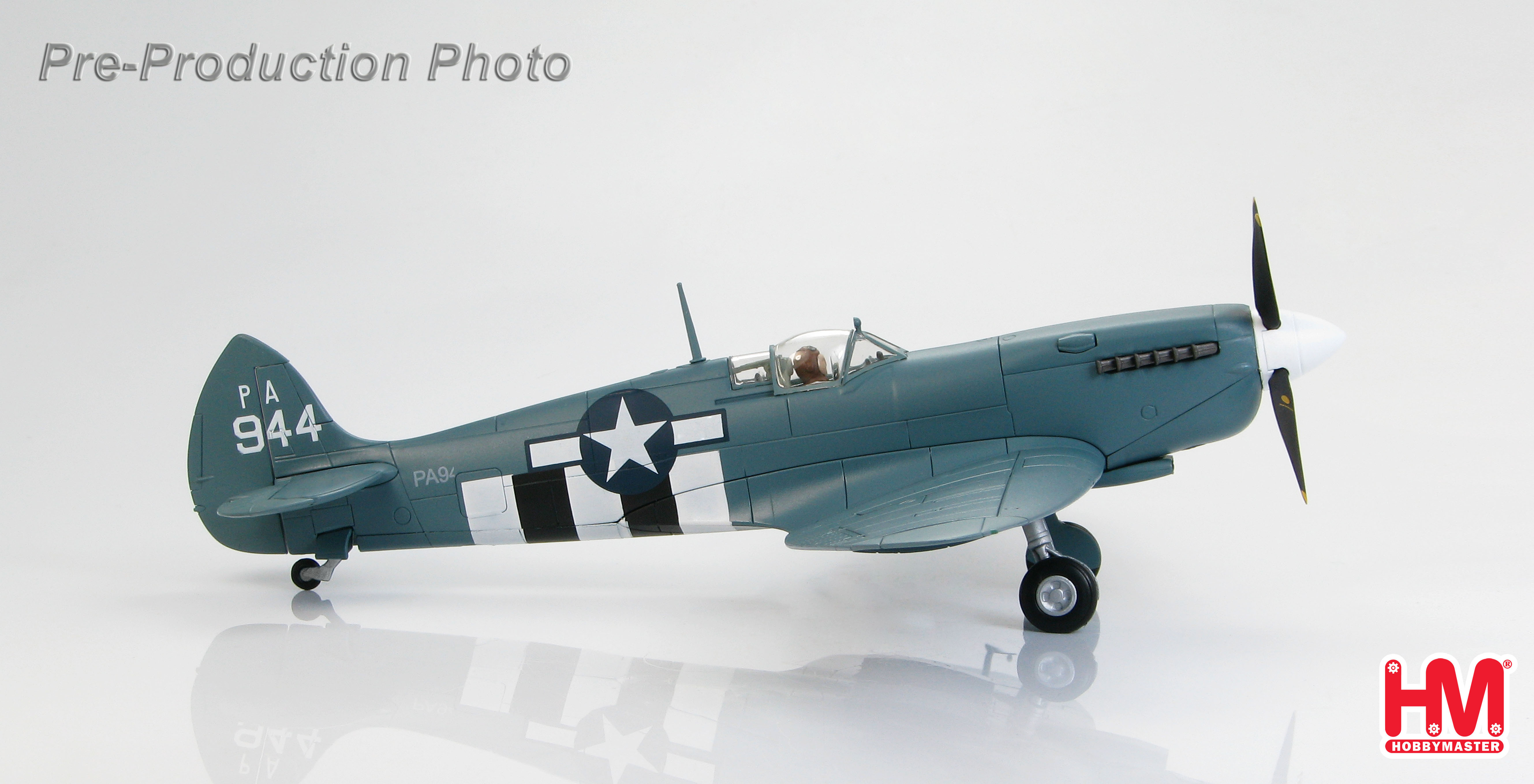
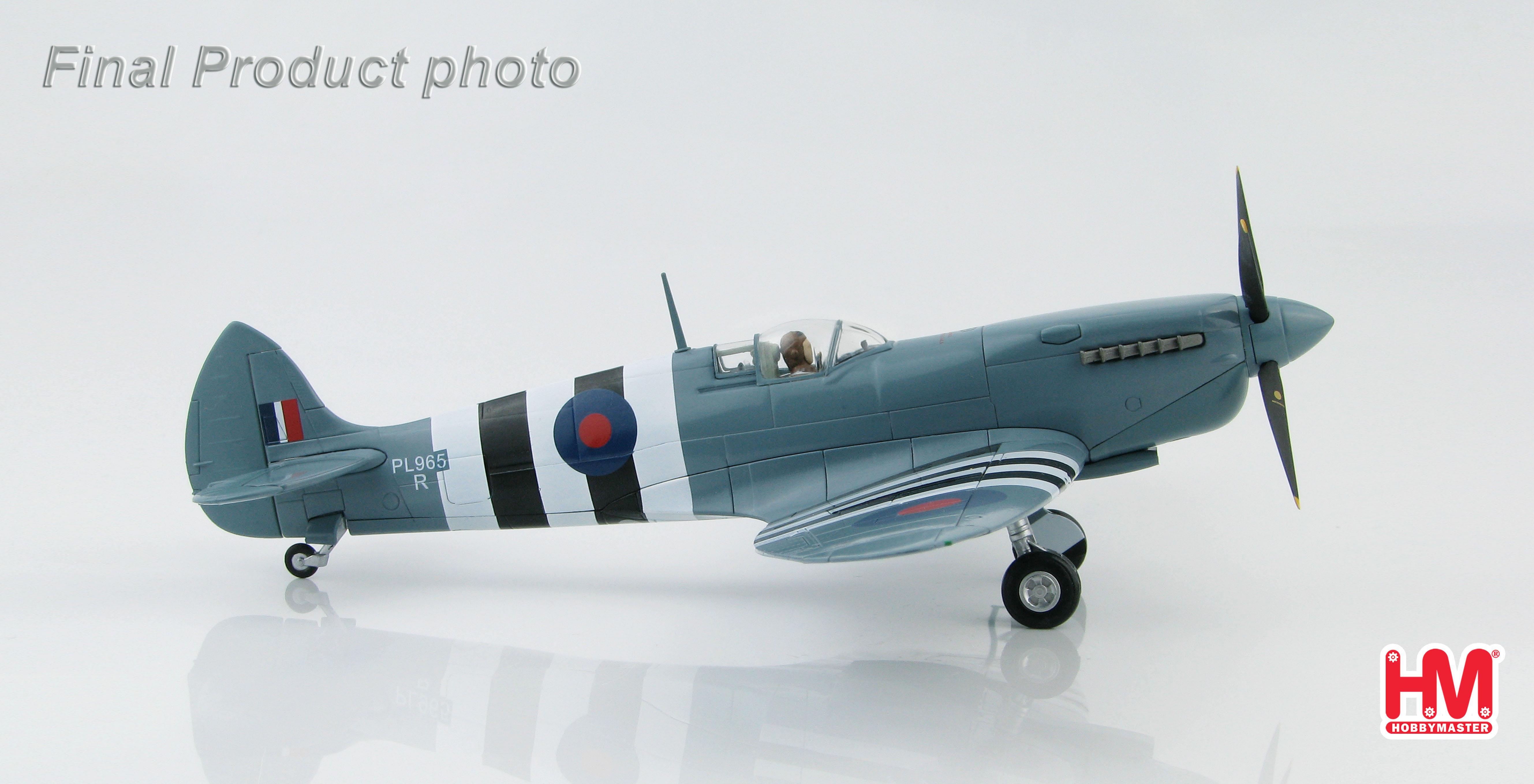
The Spitfire PR.XIX was the last Spitfire with elliptical wings and was the last RAF Spitfire type in front-line service. The PR.XIX was a combination of power by the Griffon engine of the Mk.XIV and the wings of the PR.XI making it the fastest Spitfire. Weapons were removed to allow for larger fuel tanks in the leading edge of the wings making it possible to fly missions as far as Berlin at altitudes over 40,000 feet. By the end of production 225 XIX had been made.